
Cooking rice seems simple, but anyone who has ended up with soggy or burnt grains knows it can be tricky. Rice cookers promise to make things easy, yet many people still wonder: “How long does rice actually take in a rice cooker?” The answer depends on several factors—type of rice, rice-to-water ratio, and the model of the cooker itself. If you want perfect rice every time, understanding these details is key.
Rice cookers have become an essential kitchen appliance in homes around the world. They save time, reduce guesswork, and free up your hands for other tasks. But with so many rice varieties and cookers available, the cooking time can vary more than you might expect.
Whether you’re making fluffy white rice for dinner or preparing sticky rice for sushi, knowing the right timings can make all the difference.
How A Rice Cooker Works
Before diving into timings, it helps to know how a rice cooker operates. At its core, a rice cooker uses moist heat to cook rice evenly. You add rice and water, close the lid, and press a button. The cooker heats the contents until the water boils. As the water is absorbed by the rice or evaporates, the temperature inside the cooker rises. Once most of the water is gone, a sensor detects the change and switches the cooker to “warm” mode.
This process is simple, but it ensures consistent results. Even basic models can handle different rice types, though more advanced cookers offer special settings for brown, sushi, or mixed rice.
Average Rice Cooking Times In A Rice Cooker
The question, “How long does rice take in a rice cooker?” doesn’t have a single answer. However, you can use average timings as a guide:
| Type of Rice | Average Cooking Time (Minutes) | Water to Rice Ratio |
|---|---|---|
| White (short/medium grain) | 20–25 | 1.25–1.5 : 1 |
| White (long grain) | 20–25 | 1.5 : 1 |
| Brown rice | 40–50 | 2–2.5 : 1 |
| Basmati | 18–22 | 1.5 : 1 |
| Jasmine | 20–25 | 1.25 : 1 |
| Sushi rice | 20–25 | 1.2 : 1 |
| Wild rice blend | 45–60 | 2–2.5 : 1 |
These times are for typical home rice cookers, not commercial machines. Remember, the exact time may change based on your rice cooker model and the amount of rice you cook.
Key Factors That Affect Cooking Time
Rice cooker times aren’t set in stone. Several factors can speed up or slow down the process:
1. Rice Type And Grain Size
Short-grain rice often cooks a bit faster than long-grain because it absorbs water differently. Brown rice takes almost twice as long as white rice because the outer bran layer is tougher. Wild rice, which isn’t a true rice but a grass seed, needs even more time.
2. Rice-to-water Ratio
Adding more water than needed will not only make the rice mushy but also increase cooking time. Using too little water can leave you with undercooked grains. Always check the instructions for your rice type and cooker.
3. Soaking Time
Some rice types, especially brown and wild rice, benefit from soaking before cooking. Soaking can cut down cooking time and improve texture. For example, soaking brown rice for 30 minutes can reduce cook time by up to 10 minutes.
4. Amount Of Rice
Cooking a single cup of rice will often finish faster than making a full pot. A larger volume means the cooker needs more time to heat and absorb water evenly.
5. Rice Cooker Model And Features
Basic rice cookers work with a simple on/off system. Fancier models use microchip sensors to adjust heat and timing for different rice types. “Quick cook” modes use higher temperatures to speed up the process, but the texture may suffer.
6. Altitude
At higher elevations, water boils at a lower temperature, so rice can take longer to cook. If you live at high altitude, you may need to add a few extra minutes or a bit more water.
Typical Cooking Times For Popular Rice Varieties
Let’s look at popular rice types and how long they usually take in a rice cooker. These are average ranges—always check your cooker’s manual for best results.
White Rice (short, Medium, Long Grain)
White rice is the most common type cooked in rice cookers. It’s polished, which removes the bran and germ, allowing for a fast cook time.
- Short/medium grain: 20–25 minutes
- Long grain: 20–25 minutes
If you rinse the rice first (recommended), it cooks more evenly and doesn’t get sticky.
Jasmine And Basmati Rice
Jasmine and Basmati are aromatic, long-grain rices. They’re popular for their unique flavors and fluffy texture.
- Jasmine: 20–25 minutes
- Basmati: 18–22 minutes
Basmati is often soaked for 20–30 minutes before cooking, which can shave off 3–5 minutes from the total time.
Brown Rice
Brown rice keeps its bran layer, making it more nutritious but harder to cook.
- Time: 40–50 minutes
Some cookers have a special “brown rice” setting. If yours doesn’t, simply plan for a longer wait.
Sushi Rice
Sushi rice is a short-grain white rice that gets sticky when cooked. Sushi chefs often let it rest for 10 minutes after cooking for best texture.
- Time: 20–25 minutes
Wild Rice And Wild Rice Blends
Wild rice is not a true rice but a grass. It takes the longest time to cook.
- Time: 45–60 minutes
Blends with brown or white rice may cook a bit faster, but still need extra water and time.
How The “keep Warm” Feature Affects Timing
Most rice cookers switch to keep warm mode after cooking. This feature holds the rice at a safe temperature, but it does not continue to cook it. However, letting rice sit in “keep warm” mode for 10–15 minutes after the cooker finishes can improve flavor and texture, especially for sticky or short-grain rices. Just don’t leave rice in keep warm mode for more than a couple of hours, as it can dry out or spoil.
Step-by-step: Cooking Rice In A Rice Cooker
Getting perfect rice is about more than just time. Here’s how to cook rice step-by-step for the best results:
- Measure your rice – Use the measuring cup that came with your rice cooker.
- Rinse the rice – Rinsing removes extra starch and prevents stickiness. Swirl the rice in water, drain, and repeat 2–3 times.
- Add water – Use the correct ratio for your rice type. Your cooker may have lines inside for guidance.
- Soak if needed – For brown or wild rice, soak for 20–30 minutes if you have time.
- Start the cooker – Close the lid and press the cook button. Don’t open the lid during cooking.
- Wait for the signal – The cooker will switch to warm or beep when done.
- Let it rest – Let the rice sit with the lid closed for 5–10 minutes after cooking. This helps even out moisture.
- Fluff and serve – Use a rice paddle to fluff the rice before serving.
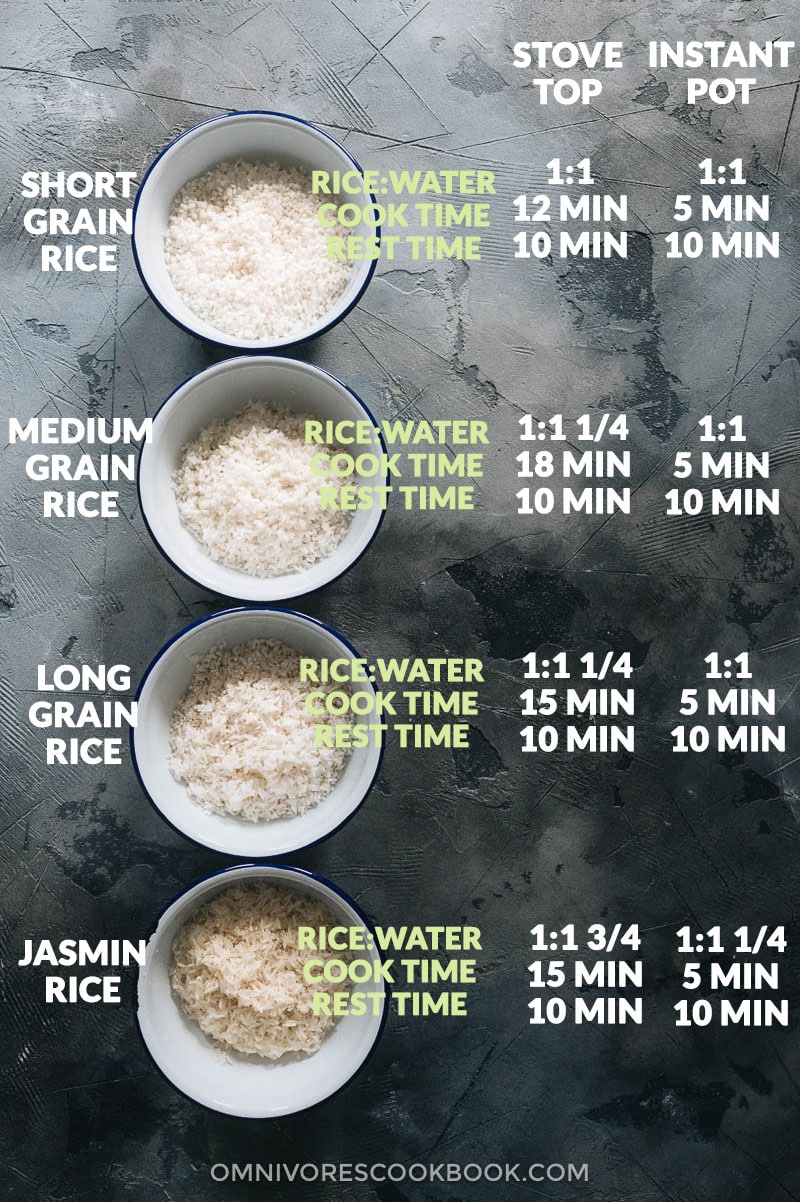
Credit: omnivorescookbook.com
Comparing Rice Cooker Cooking Times To Other Methods
Rice cookers are popular for convenience, but how do their times compare to other cooking methods? Here’s a comparison to help you decide:
| Rice Type | Rice Cooker (Minutes) | Stovetop (Minutes) | Instant Pot (Minutes) |
|---|---|---|---|
| White Rice | 20–25 | 15–20 | 10–12 (plus pressurize time) |
| Brown Rice | 40–50 | 35–45 | 20–22 (plus pressurize time) |
| Basmati/Jasmine | 18–25 | 15–20 | 6–8 (plus pressurize time) |
| Wild Rice | 45–60 | 50–60 | 25–30 (plus pressurize time) |
Rice cookers are slower than pressure cookers but offer more consistent results and need less attention than stovetop cooking. If you want “set it and forget it,” a rice cooker is hard to beat.
Tips For Faster And Better Rice Cooking
Even with a rice cooker, a few tricks can help you get better results or save time:
- Pre-soak brown or wild rice: Cuts down cook time and improves texture.
- Use hot water: Starting with hot water (not boiling) can shave off a few minutes.
- Don’t overload the cooker: Cooking too much rice at once can slow things down and lead to uneven results.
- Clean your cooker: Old starch or residue can affect cooking time and rice quality.
- Use the right setting: If your cooker has different modes, pick the one that matches your rice type.
Common Mistakes That Increase Cooking Time
Mistakes in measuring, rinsing, or using the wrong settings can lead to longer cooking times or poor results.
- Too much water: Makes rice mushy and takes longer to absorb.
- Lifting the lid: Releases steam, dropping temperature and extending cook time.
- Not rinsing rice: Can cause excess starch, leading to sticky or unevenly cooked rice.
- Overfilling the pot: Slows down cooking and risks overflow.
- Ignoring rice variety: Different types need different times and water ratios.
How To Adjust Cooking Time For Different Rice Types
If your rice cooker doesn’t have special modes, you can still get great results by adjusting water and timing:
- For brown rice, add ¼–½ cup more water per cup and expect to wait nearly twice as long.
- For sushi rice, rinse well and let it steam after cooking.
- For wild rice blends, add more water and check for doneness before serving.
- For aromatic rices like Basmati, a quick soak helps but don’t overwater—these types get mushy easily.

Credit: www.reddit.com
Rice Cooker Cooking Time Table For Popular Brands
Different brands and models can have unique cooking times. Here’s a look at average times for common rice cooker brands:
| Brand | White Rice (1 cup) | Brown Rice (1 cup) | Special Features |
|---|---|---|---|
| Zojirushi | 35–40 min | 55–60 min | Fuzzy logic, keep warm, timer |
| Tiger | 25–30 min | 45–50 min | Synchro-cooking, quick mode |
| Panasonic | 20–25 min | 40–50 min | One-touch, steaming tray |
| Aroma | 20–25 min | 45–50 min | Delay timer, steam function |
| Hamilton Beach | 20–25 min | 45–50 min | 2-in-1 rinse/steam basket |
Note that “white rice” times often include short, medium, and long grain varieties. Always read your brand’s manual for the most accurate guidance.
When To Use The Quick Cook Setting
Many modern rice cookers offer a quick cook or “fast” setting. This mode increases the heat to cook rice faster, but sometimes at a cost to texture. Quick cook can cut 5–10 minutes from the total time, but rice may end up a bit firmer or less fluffy. It’s useful if you’re in a rush, but for special meals, stick to the regular cycle.
Do’s And Don’ts For Perfect Rice Every Time
Getting perfect rice is about a mix of timing, technique, and the right settings. Here are some key do’s and don’ts:
Do:
- Rinse rice thoroughly
- Measure water carefully
- Let rice rest after cooking
- Use the right setting for your rice
Don’t:
- Open the lid during cooking
- Add extra water “just in case”
- Leave rice in keep warm mode for hours
- Overcrowd the cooker with too much rice
Two Insights Many Beginners Miss
- Resting time is as important as cooking time. Letting rice sit in the cooker for 10 minutes after the cycle completes allows moisture to distribute evenly, making rice fluffier. Many people rush to serve the rice right away and miss out on this final, crucial step.
- Not all rice cookers measure cups the same way. The “cup” included with most rice cookers is smaller than a US standard measuring cup (about 180ml vs 240ml). Using a standard cup can throw off your ratios and affect cook time and texture. Always use the cup that comes with your cooker.
Why Cooking Time Matters Beyond Taste
Time isn’t just about convenience. Undercooked rice can be hard to digest, while overcooked rice loses nutrients and texture. For certain dishes—like sushi or biryani—texture is critical. Mastering cooking time ensures consistent, safe, and delicious results every time.
For more details about rice types and cooking methods, you can visit Wikipedia’s Rice Cooker page.
Frequently Asked Questions
How Do I Know When The Rice Is Done In A Rice Cooker?
Most rice cookers have an automatic sensor that switches from “cook” to “warm” when the rice is done. You’ll usually hear a click or beep. If you open the lid and the water is gone, and the rice is tender but not mushy, it’s ready.
Can I Cook Other Grains In A Rice Cooker?
Yes, many rice cookers can handle other grains like quinoa, barley, and millet. Cooking times and water ratios will be different, so check your manual or look up specific instructions for the grain you want to use.
Why Does My Rice Take Longer To Cook Than The Manual Says?
Common reasons include using too much rice or water, cooking at high altitude, or opening the lid during cooking. If your rice is still hard after the cycle, add a bit more water and run another short cycle.
How Long Can I Leave Rice In The “keep Warm” Mode?
It’s best to eat rice within 1–2 hours of cooking for the best taste and safety. After that, rice can dry out or grow bacteria. If you need to keep it longer, transfer it to the fridge and reheat before serving.
Can I Speed Up Cooking Time Without A Quick Cook Setting?
You can soak your rice before cooking, start with hot water, or cook a smaller amount. These tricks can save a few minutes, but rushing the process too much can affect texture.
Cooking rice in a rice cooker is simple once you know what to expect. While the average time ranges from 20 to 60 minutes depending on the variety, the right water ratio, preparation steps, and a little patience are what truly lead to perfect rice.
With these tips, you’ll be able to enjoy consistent, fluffy, and delicious rice every time you press that button.

Credit: bydash.com

Hello, This is Annie Walker, a 38-year-old blogger, founder, and editor of Cookware Guider from NY, USA. I am a cookware fanatic and passionate cooker. I love to cook with different types of cooking appliances (example: all types of cookware, rice cookers, slow cookers, etc) almost every day in my kitchen. I love to share my experience with my readers in my blog. Also, I enjoy helping people to solve their problems through my website. You can follow me on Twitter & Pinterest. To know details about my blog please check the about us page.