
Cooking rice sounds easy, but getting it just right can be tricky. If you’ve ever ended up with rice that is hard, mushy, or stuck together, you’re not alone. Many people—both beginners and experienced cooks—struggle to cook rice perfectly. The key question is: how long do you cook rice? The answer depends on the type of rice, the cooking method, and a few other important factors. This guide will help you understand each step, from choosing the right rice to measuring water, and timing your cooking. You’ll learn practical tips, common mistakes, and expert advice to make rice a staple you can always rely on.
Types Of Rice And Their Cooking Times
Different types of rice need different cooking times. The grain size, texture, and processing all affect how quickly rice cooks. Here are the most common types:
White Rice
White rice is the most popular. It cooks quickly because the outer husk and bran are removed.
- Long-grain white rice: Usually cooks in 15–18 minutes.
- Medium-grain white rice: Needs about 13–16 minutes.
- Short-grain white rice: Takes 15–17 minutes.
Brown Rice
Brown rice keeps the bran layer, so it needs more time and water.
- Long-grain brown rice: Cooks in 35–40 minutes.
- Medium-grain brown rice: Usually takes 35–40 minutes.
- Short-grain brown rice: Needs 35–45 minutes.
Jasmine And Basmati Rice
These are aromatic, long-grain types, often used in Asian and Indian dishes.
- Jasmine rice: Ready in 12–15 minutes.
- Basmati rice: Cooks in 15–20 minutes.
Wild Rice
Wild rice is actually a grass seed. It takes longer to soften.
- Wild rice: Needs 40–50 minutes.
Specialty Rice
Sushi rice, Arborio (used for risotto), and other specialty rices have unique textures.
- Sushi rice (short-grain): Cooks in 18–20 minutes.
- Arborio rice: Used in risotto, cooked gradually for about 18–22 minutes.
Quick-cooking Rice
Pre-cooked or instant rice cooks in 5–10 minutes. It’s less flavorful and has a softer texture.
Comparison Of Rice Cooking Times
Here’s a quick look at different rice types and their average cooking times:
| Rice Type | Cooking Time (Minutes) | Typical Water Ratio |
|---|---|---|
| Long-grain white | 15–18 | 1:2 |
| Medium-grain white | 13–16 | 1:1.5 |
| Short-grain white | 15–17 | 1:1.2 |
| Long-grain brown | 35–40 | 1:2.5 |
| Jasmine | 12–15 | 1:1.5 |
| Basmati | 15–20 | 1:1.5 |
| Wild rice | 40–50 | 1:3 |
Understanding these differences helps you plan your meal and avoid overcooking or undercooking rice.
Cooking Methods And How They Affect Time
The way you cook rice changes the cooking time. Some methods are faster or more forgiving than others. Let’s review the most common techniques:
Stovetop Method
Most people cook rice on the stovetop. This method gives you control but needs attention.
- Rinse rice to remove starch.
- Add rice and water in a pot (follow ratios above).
- Bring water to a boil, then reduce heat to low.
- Cover and simmer for the recommended time.
- Let it rest for 5–10 minutes after cooking.
Time varies depending on rice type and stove strength. High heat can cause burning or uneven cooking.
Rice Cooker
A rice cooker automates the process. It adjusts heat and timing for you.
- Most rice cookers finish white rice in 20–25 minutes.
- Brown rice takes 40–50 minutes.
Rice cookers may take a little longer than stovetop, but are consistent and easy.
Instant Pot Or Pressure Cooker
Pressure cookers speed things up. They cook rice under higher pressure.
- White rice: Ready in 5–8 minutes (plus time to build pressure).
- Brown rice: Done in 20–25 minutes.
You must release pressure carefully and follow instructions for your device.
Oven-baked Rice
Some people bake rice in the oven, especially for large batches.
- Preheat oven to 350°F (175°C).
- Place rice and water in a covered dish.
- Bake for 25–30 minutes for white rice, 50–55 minutes for brown rice.
This method is good for big meals or when stovetop space is limited.
Microwave Method
Microwaves cook rice quickly but sometimes unevenly.
- White rice cooks in 12–15 minutes.
- Brown rice takes 25–30 minutes.
Use microwave-safe bowls and cover loosely to let steam escape.
Comparison Of Cooking Methods
See how methods compare in time and ease:
| Method | White Rice Time | Brown Rice Time | Ease of Use |
|---|---|---|---|
| Stovetop | 15–18 min | 35–40 min | Medium |
| Rice Cooker | 20–25 min | 40–50 min | Easy |
| Pressure Cooker | 5–8 min | 20–25 min | Easy |
| Oven | 25–30 min | 50–55 min | Medium |
| Microwave | 12–15 min | 25–30 min | Easy |
Factors That Change Rice Cooking Time
Several factors can make rice cook faster or slower. Knowing these helps you adjust and avoid mistakes.
Water Ratio
Too much water makes rice mushy. Too little leaves it dry. Most recipes use a 1:2 ratio for white rice (one part rice, two parts water). Brown rice needs more water, usually 1:2.5.
Altitude
At high altitudes, water boils at a lower temperature. Rice takes longer to cook. You may need more water and extra time.
Pot Type
Thin pots heat unevenly. Heavy pots, like cast iron or stainless steel, distribute heat better. A tight-fitting lid is important to trap steam.
Rice Age And Storage
Old rice can be drier and take longer. Fresh rice cooks faster and is softer.
Rinsing Rice
Rinsing removes excess starch and dirt, but also cools rice. If rice is not drained well, it can affect water ratios and cooking time.
Soaking Rice
Soaking rice before cooking reduces cooking time and improves texture. This is especially helpful for brown rice and basmati rice.
- Soak brown rice for 30–60 minutes.
- Soak basmati for 20–30 minutes.
Stirring And Lifting The Lid
Every time you lift the lid, steam escapes and cooking slows down. Stirring rice can break grains and make it sticky.
Step-by-step Guide: Cooking Rice On The Stovetop
Let’s walk through a classic stovetop method for long-grain white rice. This is the most common way to cook rice at home.
Ingredients
- 1 cup long-grain white rice
- 2 cups water
- 1/2 teaspoon salt (optional)
- 1 teaspoon oil or butter (optional)
Instructions
- Rinse rice under cold water until the water runs clear.
- Place rice, water, salt, and oil in a medium saucepan.
- Bring to a boil over medium-high heat.
- Once boiling, reduce heat to low and cover tightly.
- Simmer for 15–18 minutes. Do not lift the lid.
- Remove from heat and let sit, covered, for 5–10 minutes.
- Fluff rice with a fork before serving.
Practical Tips
- For softer rice, add 1/4 cup more water.
- For firmer rice, use 1/4 cup less water.
- If rice is sticking, try adding oil or butter.
Common Mistakes To Avoid
- Using too much water
- Not rinsing rice
- Stirring during cooking
- Cooking on high heat
Cooking Brown Rice: Extra Steps For Success
Brown rice is healthier but takes more care.
Ingredients
- 1 cup long-grain brown rice
- 2.5 cups water
- 1/2 teaspoon salt
Instructions
- Rinse rice until water is clear.
- Soak rice for 30 minutes (optional but recommended).
- Add rice and water to saucepan, bring to a boil.
- Reduce heat, cover, and simmer for 35–40 minutes.
- Let sit for 10 minutes before fluffing.
Tips
- Use a heavy pot for even heat.
- If rice is hard after cooking, add 1/4 cup water and cook 5 more minutes.
- Soaking is not mandatory, but improves texture.
How To Tell When Rice Is Done
You don’t need a timer every time. There are signs to check if rice is ready:
- Texture: Rice should be tender but not mushy.
- Water: All water should be absorbed. If there is water left, cook a few minutes longer.
- Taste: Try a grain. If it’s soft but holds shape, it’s ready.
- Aroma: Rice should smell slightly nutty, not raw.
If rice is undercooked, add a little water and cook longer. If it’s overcooked, next time reduce water or cooking time.

Credit: www.recipetineats.com
Special Rice Dishes And Their Cooking Times
Some recipes need rice cooked in special ways. Here are a few examples:
Risotto
Risotto uses Arborio rice, cooked slowly with broth.
- Add broth little by little, stirring often.
- Takes about 18–22 minutes.
Pilaf
Pilaf starts with rice sautéed in oil before adding water.
- Sauté rice for 2–3 minutes.
- Add water and cook as usual. Time depends on rice type.
Sushi Rice
Sushi rice uses short-grain rice. It’s sticky and seasoned.
- Cook for 18–20 minutes.
- Mix with vinegar, sugar, and salt after cooking.
Fried Rice
Fried rice works best with leftover rice. Freshly cooked rice is too soft.
- Cook rice, let cool, then fry with vegetables or meat.
How To Cook Rice For Large Groups
Cooking rice for many people is a challenge. Here’s how to scale up:
- Use a big pot or rice cooker.
- For every extra cup of rice, add two cups water (for white rice).
- Stir well before covering, but do not stir during cooking.
- Allow extra resting time (10–15 minutes) before serving.
If using oven or rice cooker, cooking time may increase slightly for large quantities.
Storing And Reheating Rice Safely
Rice can spoil quickly if not stored properly. Here are safety tips:
- Cool rice fast after cooking. Spread on a tray or use shallow containers.
- Refrigerate within one hour. Rice can be kept in fridge for up to 4 days.
- For reheating, use microwave or steam. Add a splash of water to prevent drying.
- Never leave cooked rice at room temperature for more than two hours.
Tip: Reheated rice can be used in fried rice, rice salads, or soups.
Nutritional Differences In Rice Types
Rice is a staple around the world, but nutrition varies:
- White rice: Lower in fiber and minerals, but easy to digest.
- Brown rice: Higher in fiber, vitamins, and minerals.
- Wild rice: High in protein and antioxidants.
According to the USDA, one cup of cooked white rice has about 205 calories, 4. 2 grams of protein, and 0. 6 grams of fiber. Brown rice has 215 calories, 5 grams of protein, and 3. 5 grams of fiber.
Brown rice is often recommended for healthier diets. White rice is better for quick energy or sensitive stomachs.
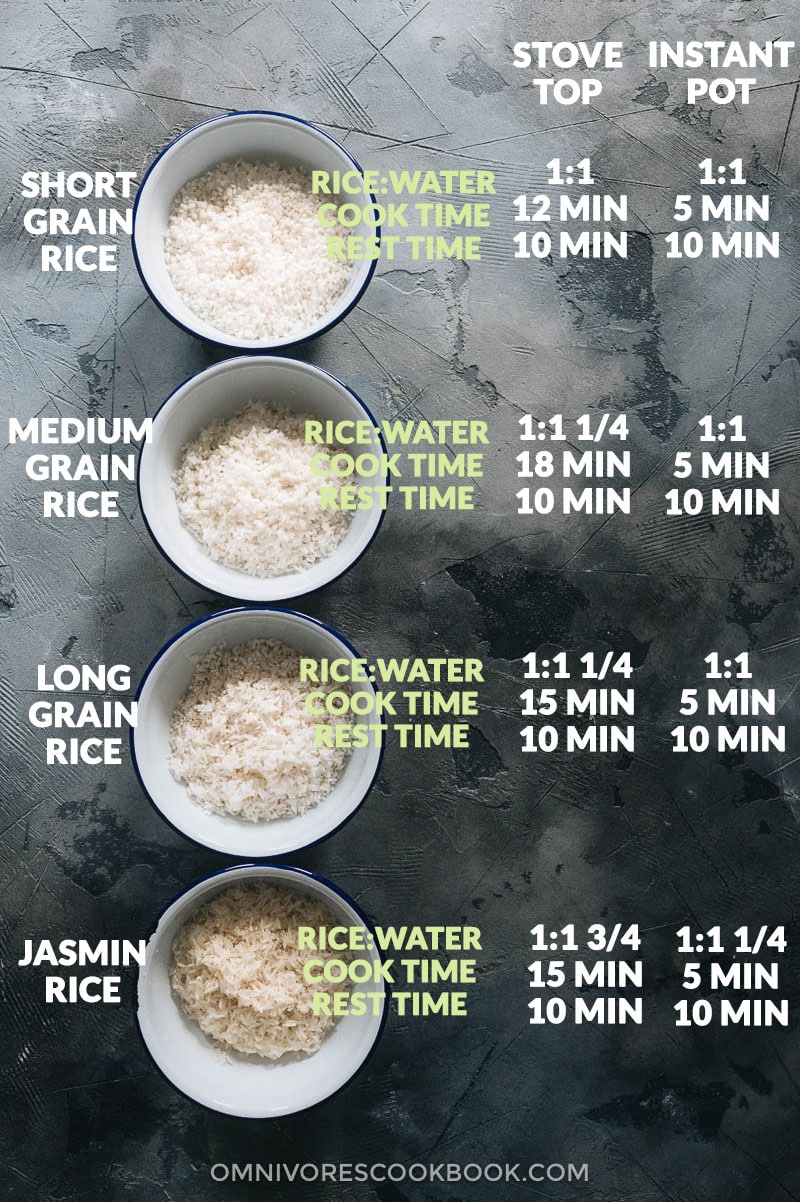
Credit: omnivorescookbook.com
Real-world Examples: Cooking Rice Around The World
Rice is cooked differently across cultures. Here are three examples:
- China: Jasmine or short-grain rice, steamed in rice cookers.
- India: Basmati rice cooked with spices, sometimes soaked before cooking.
- Japan: Sushi rice cooked with vinegar, used for sushi rolls.
Each method uses unique ratios and timing. Learning from global styles can improve your rice cooking.
Non-obvious Insights For Better Rice
- Resting time matters: Letting rice sit after cooking (covered) allows steam to finish cooking the grains and makes rice fluffier.
- Salt affects texture: Adding salt to water helps season rice and can change how grains absorb water.
- Don’t skip rinsing: Even if the package says it’s not needed, rinsing removes dust and makes rice less sticky.
Many beginners forget to let rice rest, rush the process, or skip rinsing. These small steps make a big difference.
Advanced Tips For Cooking Perfect Rice
- For flavored rice, use broth instead of water.
- Add a bay leaf or spices to water for extra aroma.
- Use a fork to fluff rice, not a spoon. This prevents breaking grains.
- For sticky rice, use less water and don’t rinse.
- If rice is often too wet, try reducing water by 10%.
If you want a crispy bottom (like Persian tahdig), cook rice longer on low heat with oil.
Environmental Impact Of Rice Cooking
Rice is grown in water-intensive fields. Cooking rice also uses water and energy. To reduce impact:
- Use a rice cooker, which is energy-efficient.
- Cook larger batches and store leftovers.
- Compost rice rinsing water if possible.
Rice farming and cooking can have a big carbon footprint. Learn more about sustainability at Wikipedia.
:max_bytes(150000):strip_icc()/bake-perfectly-cooked-oven-rice-995968-FINAL-d3c62bef307e41bfba1a0893d5a432d1.png)
Credit: www.thespruceeats.com
Frequently Asked Questions
How Long Does It Take To Cook White Rice?
White rice usually cooks in 15–18 minutes on the stovetop. Rice cookers need 20–25 minutes. Instant Pot or pressure cooker can finish in 5–8 minutes (plus pressure build-up). Always let rice rest for 5–10 minutes after cooking.
Why Is My Rice Too Hard Or Too Mushy?
Hard rice means not enough water or not enough cooking time. Mushy rice means too much water or cooking too long. Adjust water ratio and check cooking time. Let rice rest after cooking to finish steaming.
Can I Cook Rice Without Rinsing?
You can, but it’s not recommended. Rinsing removes excess starch, dust, and makes rice less sticky. Rice cooked without rinsing may be clumpy or taste earthy.
Is It Safe To Reheat Rice?
Yes, if rice was cooled quickly and stored in the fridge. Reheat until steaming hot, and only once. Do not leave rice at room temperature more than two hours, as bacteria can grow fast.
What Is The Best Water-to-rice Ratio?
For long-grain white rice, use 1 cup rice to 2 cups water. For brown rice, use 1 cup rice to 2.5 cups water. Adjust slightly for softer or firmer rice, or based on pot and cooking method.
Cooking rice well is a skill that improves with practice. Once you know the basics, you can experiment with types, flavors, and dishes. Rice is affordable, nutritious, and versatile. With the right timing and care, you’ll always have a perfect bowl of rice to enjoy with any meal.

Hello, This is Annie Walker, a 38-year-old blogger, founder, and editor of Cookware Guider from NY, USA. I am a cookware fanatic and passionate cooker. I love to cook with different types of cooking appliances (example: all types of cookware, rice cookers, slow cookers, etc) almost every day in my kitchen. I love to share my experience with my readers in my blog. Also, I enjoy helping people to solve their problems through my website. You can follow me on Twitter & Pinterest. To know details about my blog please check the about us page.