
Is your favorite non-stick pan losing its magic? Scratches, stains, or food sticking where it once slid away smoothly can be frustrating.
But before you toss it out or buy a new one, there’s good news: you can bring your non-stick cookware back to life. Imagine cooking with that same easy-release surface again, saving money and reducing waste. In this guide, you’ll discover simple, effective steps to restore your cookware’s non-stick power.
Ready to revive your kitchen’s best helper? Keep reading, and let’s get started!
Credit: www.youtube.com
Signs Of Worn Nonstick Pans
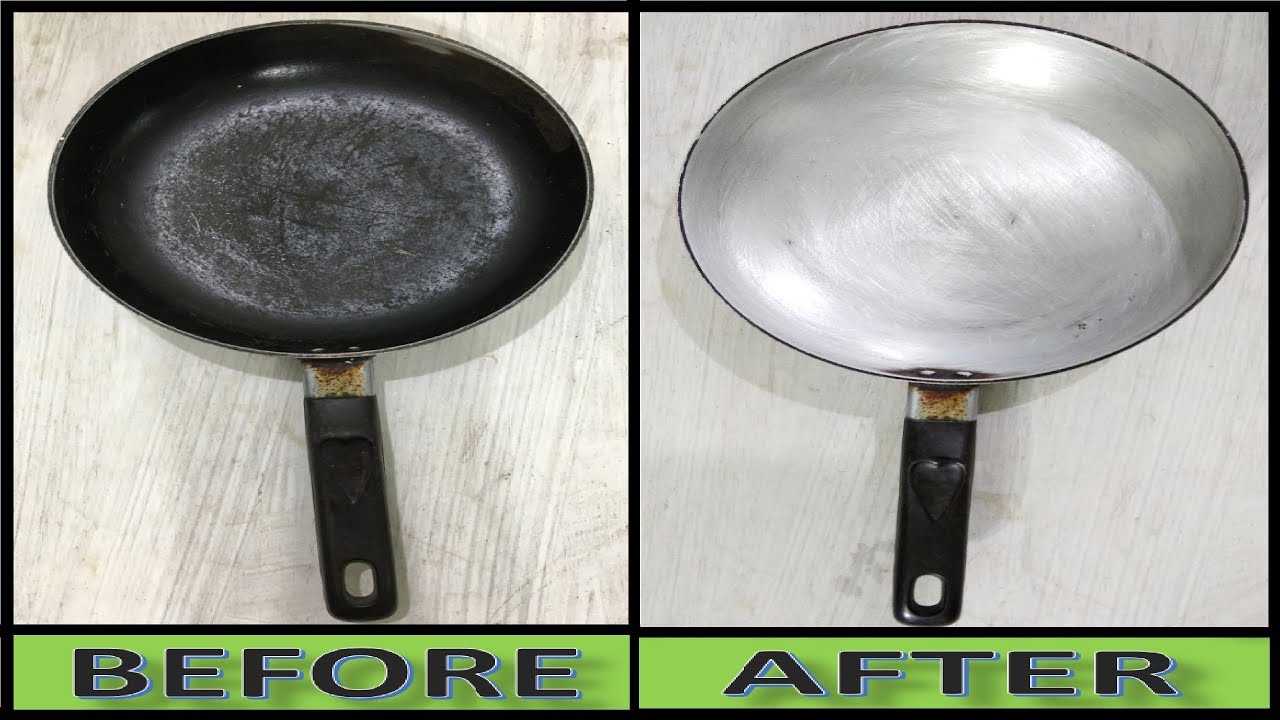
Nonstick pans make cooking easier and cleanup faster. Over time, the nonstick surface can wear out. This reduces their usefulness and safety. Knowing the signs of wear helps decide when to restore or replace them.
Scratches And Peeling
Scratches often appear from metal utensils or abrasive cleaning. Peeling happens when the coating starts to lift from the pan. These damages expose the base metal, which can cause food to stick. They also may release harmful particles into food.
Reduced Nonstick Performance
Food sticks more than before. Cooking requires more oil or butter. Cleaning takes longer and needs scrubbing. These signs show the coating is losing its nonstick power. The pan no longer cooks like it used to.
Discoloration And Stains
The surface may turn dark or patchy. Stains from burnt food or heat damage appear. Discoloration does not always affect function but looks unpleasant. It signals the pan has aged and might need care or replacement.

Credit: www.youtube.com
Cleaning Methods To Revive Coating
Restoring the coating on non-stick cookware can bring back its smooth surface and improve cooking performance. Cleaning plays a key role in this process. Using the right methods helps remove stuck-on food and stains without damaging the coating. Gentle care extends the life of your pans.
Gentle Scrubbing Techniques
Use a soft sponge or cloth for scrubbing. Avoid steel wool or rough scrubbers that scratch the surface. Warm water with mild dish soap works well to loosen grime. Scrub in small, circular motions to protect the coating. Rinse thoroughly to remove soap residue.
Using Baking Soda And Vinegar
Sprinkle baking soda on the pan’s surface. Add a small amount of white vinegar to create fizz. Let it sit for 10 minutes. This mix breaks down grease and stains gently. Afterward, scrub lightly with a soft sponge. Rinse with warm water and dry completely.
Avoiding Harsh Chemicals
Stay away from bleach or abrasive cleaners. They damage the non-stick layer quickly. Harsh chemicals can make the coating peel or flake. Use natural cleaning agents instead. Mild soap and household items protect your cookware better.
Restoring Nonstick Surface
Restoring the nonstick surface of your cookware helps bring back its smooth, easy-to-clean finish. Over time, the coating wears down, making food stick more and cleaning harder. Simple steps can improve the nonstick layer and extend your pan’s life.
These methods focus on rebuilding the surface safely and naturally. They avoid harsh chemicals or damage, keeping your cookware healthy and ready for cooking.
Re-seasoning The Pan
Start by cleaning the pan gently with warm water and mild soap. Dry it completely before re-seasoning.
Apply a thin layer of cooking oil to the inside surface. Use oils with high smoke points like vegetable or canola oil.
Heat the pan on low to medium heat for 5 to 10 minutes. This helps the oil bond to the surface and rebuild the coating.
Let the pan cool before wiping off any extra oil. Repeat this process monthly to maintain the nonstick layer.
Applying Natural Oils
Natural oils restore shine and add a protective layer. Choose oils like coconut or olive oil for their gentle properties.
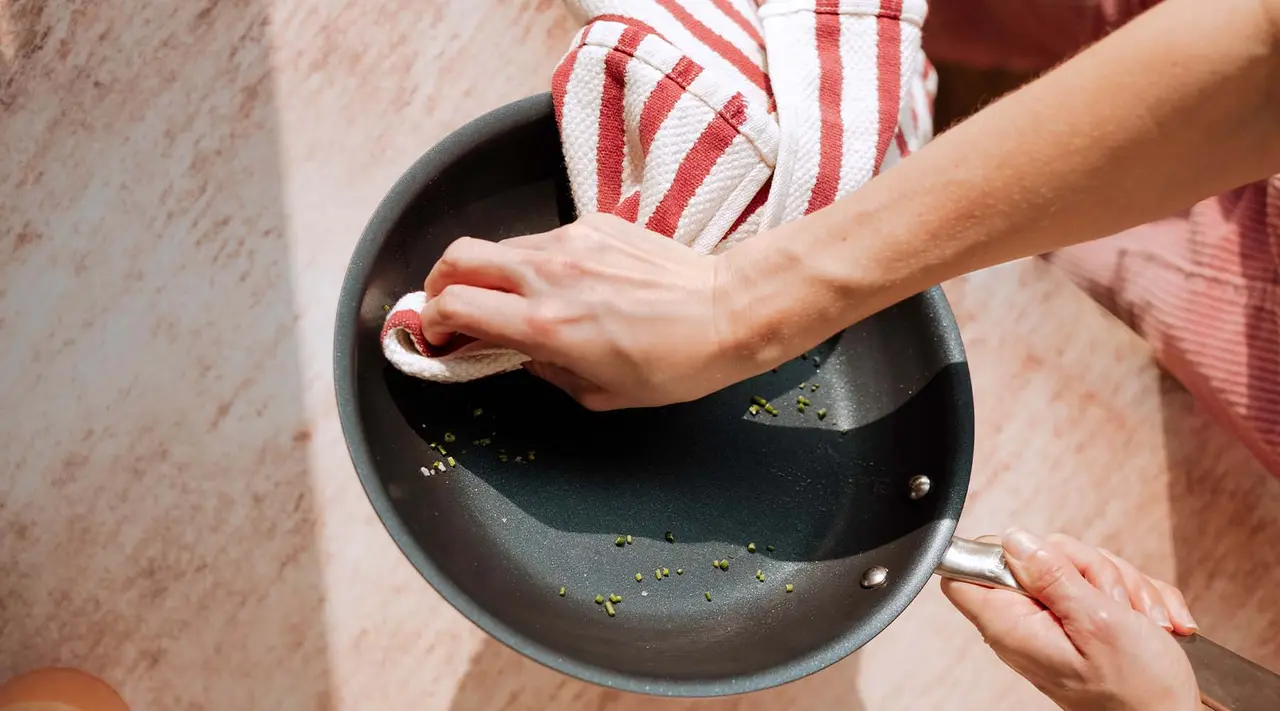
Rub a small amount of oil on the pan’s surface with a soft cloth. Cover the entire cooking area evenly.
Allow the oil to sit for at least 30 minutes. This lets the oil soak into the surface and reduce stickiness.
Wipe off excess oil before cooking. This simple step keeps the pan smooth and helps food slide off easily.
Proper Heating Practices
Use medium or low heat to protect the nonstick coating. High heat can damage the surface quickly.
Preheat the pan slowly before adding food. This prevents sudden temperature changes that wear down the coating.
Avoid heating an empty pan for too long. This can cause the nonstick layer to break down and lose its effectiveness.
Proper heating extends the life of your cookware and keeps it safe to use every day.
Credit: madeincookware.com
Preventing Future Damage
Protecting your non-stick cookware is key to keeping it in good shape. Small habits make a big difference in how long your pans last. Taking care now saves money and frustration later.
Using The Right Utensils
Choose utensils that are gentle on the surface. Wooden, silicone, or plastic tools work best. Avoid metal spoons or forks. They can scratch and damage the coating. Using the right utensils keeps the non-stick layer smooth and safe.
Safe Cleaning Tools
Clean your cookware with soft sponges or cloths. Rough scrubbers can harm the coating. Use mild dish soap and warm water. Avoid abrasive cleaners and steel wool. Gentle cleaning extends the life of your pans.
Storage Tips
Store pans carefully to prevent scratches. Stack them with a soft cloth or paper towel in between. Keep lids and pans separate if possible. Proper storage stops damage caused by rubbing or dropping.
When To Replace Nonstick Cookware
Knowing when to replace nonstick cookware is important for safe and efficient cooking. Nonstick pans wear out over time. Using damaged cookware can affect your food and health. This section helps you spot signs that it’s time to say goodbye to your old pans.
Health And Safety Concerns
Scratched or peeling nonstick surfaces can release harmful chemicals. These chemicals may mix with food during cooking. Using damaged cookware increases risk of eating toxic particles. Avoid pans that have visible cracks or flaking. Choose safe cookware to protect your health.
Performance Limitations
Nonstick pans lose their smooth surface after long use. Food may stick more often or cook unevenly. Scratches reduce heat distribution, causing hot spots. When cooking results worsen, it signals a need for replacement. Good performance means less oil and easier cleaning.
Cost Vs. Benefit Analysis
Repairing old nonstick cookware can be costly and temporary. Buying new pans often offers better value and safety. Consider how much use you get from a pan. If a replacement improves cooking and lasts longer, it is worth the cost. Don’t keep old pans just to save money.
Frequently Asked Questions
How To Fix Scratches On Non Stick Cookware?
Light scratches can be smoothed using a baking soda paste. Apply the paste gently with a soft cloth and rinse well. Avoid harsh scrubbing to prevent damage. This restores surface smoothness and improves performance without harming the coating.
Can Vinegar Help Restore Non Stick Pans?
Yes, vinegar removes residue and restores shine. Soak the pan in a mixture of vinegar and water for 10 minutes. Rinse and dry thoroughly. This method cleans mineral build-up and enhances the non-stick surface effectively.
Is Seasoning Necessary For Non Stick Cookware?
Seasoning improves non-stick performance and extends lifespan. Heat a thin layer of oil on the pan, then wipe off excess. This creates a protective layer that reduces sticking and enhances durability. Season regularly for best results.
How To Remove Burnt Food From Non Stick Pans?
Soak the pan in warm, soapy water for 30 minutes. Use a soft sponge to gently scrub burnt areas. Avoid abrasive tools to protect the coating. Repeat if needed, then rinse and dry thoroughly.
Conclusion
Restoring non-stick cookware takes patience and simple steps. Clean the pan gently to avoid damage. Use natural ingredients like baking soda or oil for best results. Avoid harsh scrubbing or metal tools. Regular care keeps your cookware working well longer.
Small efforts make a big difference in cooking. Keep these tips in mind to enjoy your non-stick pans again. Your kitchen tools will thank you.

Hello, This is Annie Walker, a 38-year-old blogger, founder, and editor of Cookware Guider from NY, USA. I am a cookware fanatic and passionate cooker. I love to cook with different types of cooking appliances (example: all types of cookware, rice cookers, slow cookers, etc) almost every day in my kitchen. I love to share my experience with my readers in my blog. Also, I enjoy helping people to solve their problems through my website. You can follow me on Twitter & Pinterest. To know details about my blog please check the about us page.