
Are you ready to unlock the full potential of your ceramic cookware? Cooking with ceramic pots and pans isn’t just about making meals—it’s about creating delicious, healthy dishes with ease.
But to get the best results, you need to know the right techniques that protect your cookware and bring out the flavors in your food. In this guide, you’ll discover simple tips and tricks that will transform the way you cook with ceramic, helping you save time, avoid common mistakes, and enjoy every bite.
Keep reading, and you’ll soon master the art of cooking in ceramic cookware like a pro.
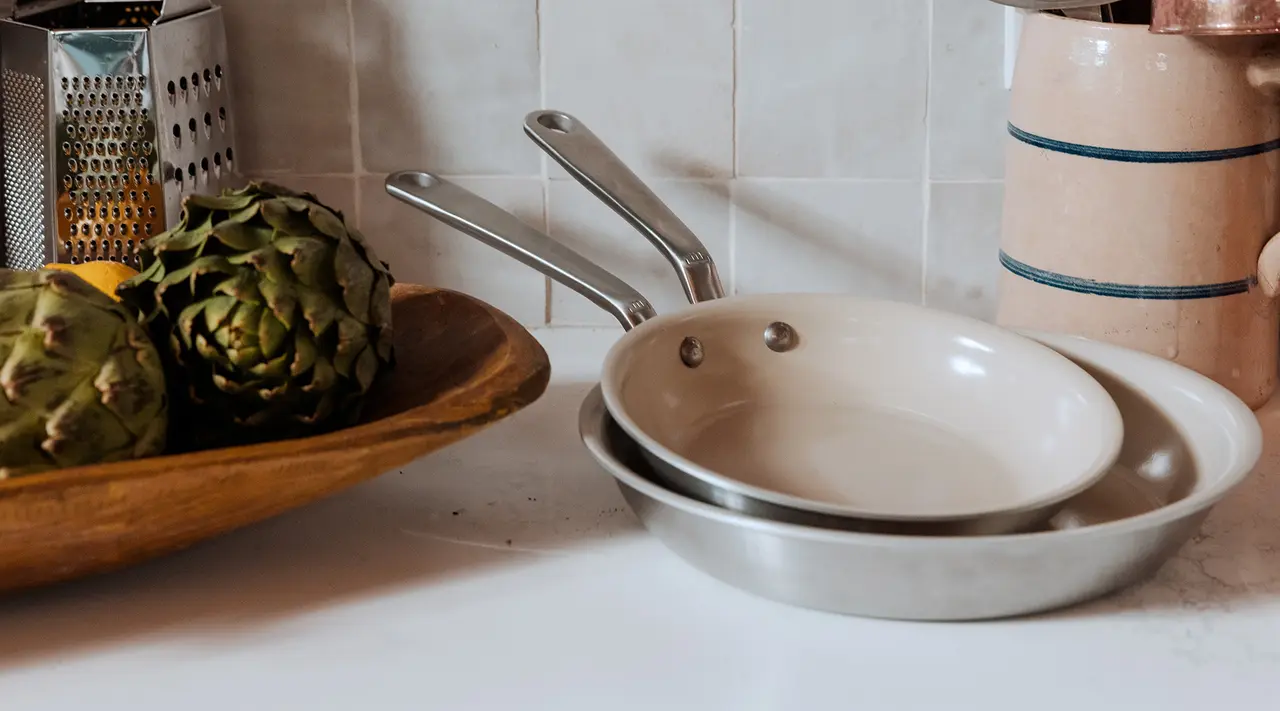
Credit: madeincookware.com
Choosing Ceramic Cookware
Choosing the right ceramic cookware is key to better cooking. It affects how food cooks and how long your pans last. This section helps you pick the best ceramic pots and pans for your kitchen. Learn about types, benefits, and what matters most when buying.
Types Of Ceramic Cookware
Ceramic cookware comes in many forms. There are fully ceramic pots, with no metal inside. Then, ceramic-coated pans have a metal base and a ceramic layer on top. Each type works well for different cooking needs. Fully ceramic is great for slow cooking. Ceramic-coated heats quickly and is lighter.
Benefits Of Ceramic Cookware
Ceramic cookware is safe and healthy. It does not release harmful chemicals when heated. It also heats evenly, which helps food cook well. The non-stick surface means less oil is needed. Cleaning ceramic pans is easy because food does not stick. Plus, they often look nice in the kitchen.
What To Look For When Buying
Check if the ceramic is natural and free of toxins. Look for thick, even coating to avoid peeling. Choose pans that fit your stove type, such as gas or electric. Handles should be sturdy and heat-resistant. Also, pick sizes that suit your cooking habits. Read reviews to find long-lasting options.

Credit: fromourplace.co.uk
Preparing Ceramic Cookware
Preparing ceramic cookware properly helps it last longer and cook better. Ceramic pans need special care before their first use. This ensures food does not stick and the surface stays smooth. Follow these simple steps to get your cookware ready.
Seasoning Your Cookware
Some ceramic cookware benefits from light seasoning. Start by washing the pan with warm water and mild soap. Dry it completely with a soft cloth. Heat the pan on low for a few minutes. Add a small amount of cooking oil and spread it evenly inside. Let the oil heat for one minute, then wipe off the excess with a paper towel. This process creates a thin, protective layer. It helps food release easily during cooking.
Cleaning Before First Use
Cleaning ceramic cookware before using it is essential. Use warm water and gentle dish soap to remove dust and factory residues. Avoid harsh scrubbing tools that can damage the surface. A soft sponge or cloth works best. Rinse the cookware well and dry it with a clean towel. This step ensures no unwanted flavors or particles affect your food. Clean cookware cooks better and stays in good shape.
Cooking Techniques
Ceramic cookware needs special care to keep it safe and working well. Using the right cooking methods helps protect the surface. It also helps food cook evenly and taste great.
Following simple steps makes cooking with ceramic easy and fun. Small changes in how you cook can make a big difference in results.
Using Low To Medium Heat
Ceramic cookware heats up quickly but holds heat longer. Use low to medium heat settings to avoid burning food. High heat can damage the ceramic coating. It can also cause food to stick or burn. Cooking slowly helps food cook through without burning.
Avoiding Thermal Shock
Thermal shock happens when you heat or cool the cookware too fast. Never put hot ceramic pots into cold water. Avoid placing cold cookware on a hot stove. Sudden temperature changes can crack the ceramic. Let cookware cool down before washing or moving it.
Best Foods For Ceramic Cookware
Ceramic pans work well with eggs, vegetables, and fish. These foods cook gently and evenly. Avoid cooking very acidic foods like tomatoes for a long time. Acid can wear down the ceramic surface. Use ceramic cookware for low-fat cooking methods like sautéing and simmering.
Maintaining Your Cookware
Caring for ceramic cookware helps it last longer and perform well. Proper maintenance keeps the surface smooth and safe for cooking. Small steps in cleaning, handling, and storing protect your investment.
Proper Cleaning Methods
Let the cookware cool before washing it. Use warm water and mild dish soap. Avoid harsh cleaners or scouring pads. Soft sponges or cloths work best. Dry the cookware completely to stop water spots.
Preventing Scratches And Damage
Use wooden, silicone, or plastic utensils only. Avoid metal tools that can scratch the surface. Do not drop or bang the cookware. Heat the pan gradually to avoid cracks. Avoid sudden temperature changes like cold water on hot cookware.
Storing Tips
Store ceramic cookware in a dry place. Avoid stacking pots directly on top of each other. Place a soft cloth or paper towel between items. This prevents scratches and chips. Keep lids separate or use a rack to save space.
Common Mistakes To Avoid
Ceramic cookware is popular for its non-stick surface and even heat. Many cooks enjoy using it for healthy meals. Yet, some common mistakes can shorten its life or harm your food. Avoid these errors to keep your ceramic pots and pans in great shape.
Using High Heat
Ceramic cookware works best on low to medium heat. High heat can damage the ceramic coating. It may cause the surface to crack or lose its non-stick ability. Use gentle heat to cook your food evenly and protect your cookware.
Metal Utensils
Metal utensils can scratch the ceramic surface. These scratches reduce the non-stick quality and cause food to stick. Use wooden, silicone, or plastic tools instead. They are safe and keep your ceramic cookware smooth and clean.
Rapid Temperature Changes
Sudden changes in temperature can cause ceramic to crack. For example, placing a hot pan in cold water is risky. Let cookware cool down before washing or adding cold ingredients. This step helps keep your ceramic pots and pans strong.
Enhancing Flavor With Ceramic
Ceramic cookware offers a unique way to boost the taste of your dishes. It helps keep food juicy and full of flavor. Cooking in ceramic pots and pans can make meals more enjoyable.
Its special surface and heat properties work together to improve cooking results. This section explains how ceramic cookware enhances flavor through moisture, heat, and less oil use.
Retaining Moisture
Ceramic cookware holds moisture well during cooking. It traps steam inside, keeping food tender and juicy. This is great for meats and vegetables. Food does not dry out or lose taste.
Moisture retention means flavors stay locked in. Your dishes come out rich and full of natural taste. This quality makes ceramic pots perfect for slow cooking.
Even Heat Distribution
Ceramic pans spread heat evenly across the surface. No hot spots or cold areas appear. This helps food cook uniformly without burning.
Even heat means every bite has the same great flavor. It also speeds up cooking by warming food faster. You get better texture and color in your meals.
Cooking With Less Oil
The smooth ceramic surface needs less oil for cooking. Food slides easily without sticking or burning. Using less oil makes meals healthier and lighter.
Less oil lets the true food flavors shine through. It avoids greasy or heavy tastes. This benefit suits people who want tasty but healthy dishes.
:max_bytes(150000):strip_icc()/ses-primary-ceramic-cookware-sets-rkilgore-1050-07c2b1d2c93e4dff9d24ae2d49117f4d.jpeg)
Credit: www.thespruceeats.com
Frequently Asked Questions
How Do I Season Ceramic Cookware Before First Use?
To season ceramic cookware, wash it with warm soapy water, dry thoroughly, and lightly coat with cooking oil. Heat on low for 2-3 minutes, then cool. This helps create a non-stick surface and prolongs the cookware’s life.
Can I Use Metal Utensils With Ceramic Cookware?
It is best to avoid metal utensils with ceramic cookware. Use wooden, silicone, or plastic utensils to prevent scratching. This preserves the ceramic coating and maintains the cookware’s non-stick properties.
What Heat Level Is Safe For Ceramic Cookware?
Use low to medium heat with ceramic cookware. High heat can damage the ceramic coating and cause food to stick. Moderate heat ensures even cooking and extends the cookware’s lifespan.
How Do I Clean Ceramic Cookware Effectively?
Clean ceramic cookware using warm water, mild dish soap, and a soft sponge. Avoid abrasive cleaners or scrubbers that can damage the surface. For stubborn stains, soak in warm soapy water before gently scrubbing.
Conclusion
Ceramic cookware cooks food evenly and keeps flavors fresh. It heats quickly but stays cool to touch. Use low to medium heat for best results. Avoid metal utensils to protect the ceramic surface. Clean gently with soft sponges to keep cookware safe.
Cooking with ceramic is simple and healthy. Enjoy meals that taste great and look beautiful. Keep these tips in mind for happy cooking days. Ready to try ceramic cookware in your kitchen?

Hello, This is Annie Walker, a 38-year-old blogger, founder, and editor of Cookware Guider from NY, USA. I am a cookware fanatic and passionate cooker. I love to cook with different types of cooking appliances (example: all types of cookware, rice cookers, slow cookers, etc) almost every day in my kitchen. I love to share my experience with my readers in my blog. Also, I enjoy helping people to solve their problems through my website. You can follow me on Twitter & Pinterest. To know details about my blog please check the about us page.