
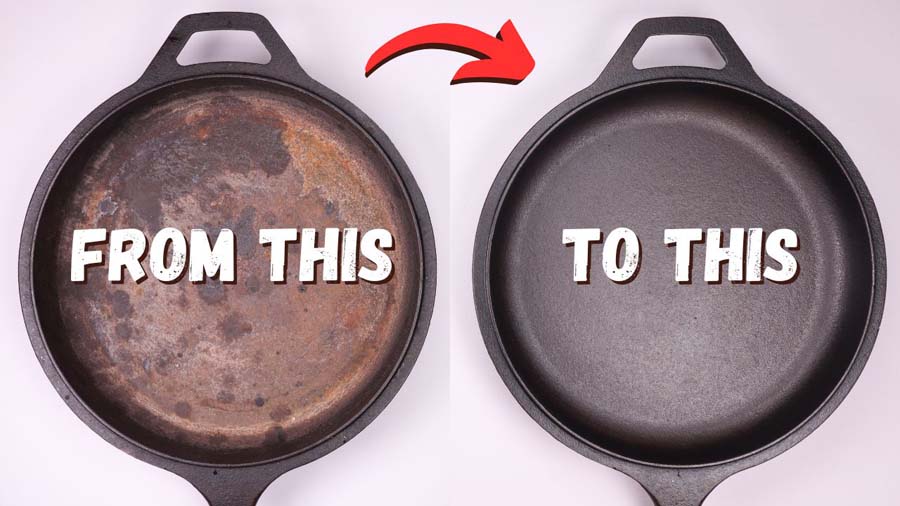
If your cast iron cookware looks dull, rusty, or sticky, you don’t have to toss it out. Imagine bringing back that smooth, non-stick surface that makes cooking easier and food tastier.
Refinishing your cast iron is simpler than you think, and it saves you money while giving your favorite pan a new life. In this guide, you’ll discover step-by-step how to restore your cookware to its original glory. Ready to get that cast iron sizzling again?
Let’s dive in and transform your kitchen essential together.
Credit: www.chainbaker.com
Preparing Cast Iron Cookware
Preparing cast iron cookware properly is the first step to a successful refinish. This stage involves removing rust, old seasoning, and any food residue. Clean cookware holds seasoning better and cooks food more evenly. Taking time here saves effort later and improves results.
Cleaning Off Rust And Residue
Remove rust using a wire brush or steel wool. Scrub the entire surface until rust disappears. For tough spots, use white vinegar to soak the pan. Let it sit for up to an hour, then scrub again. Rinse well with water and dry completely to stop new rust from forming. Remove old seasoning by scrubbing with soap and hot water. This breaks down grease and buildup. Dry the cookware thoroughly after cleaning.
Choosing The Right Cleaning Tools
Select tools that remove rust and residue without damaging the pan. Steel wool and wire brushes work well for heavy rust. Use non-metal scrubbers for lighter cleaning to protect the surface. Avoid harsh chemicals that can harm the metal. A plastic scraper helps remove stuck food bits. A scrub pad with soap cleans grease effectively. Make sure tools are clean and free from dirt before use.
Safety Precautions For Refinishing
Wear gloves to protect your hands from rust and cleaning agents. Work in a well-ventilated area to avoid breathing fumes from vinegar or seasoning oils. Use eye protection if scrubbing vigorously. Avoid inhaling dust from sanding or scrubbing. Keep children and pets away from the workspace. Dispose of cleaning materials safely after use. Follow manufacturer guidelines for any cleaning products used.
:max_bytes(150000):strip_icc()/__opt__aboutcom__coeus__resources__content_migration__serious_eats__seriouseats.com__images__2014__11__20141121-cast-iron-pan-restoration-daniel-gritzer-edit-9-f23a39c0040e416e97ae6b7e68b21d41.jpg)
Credit: www.seriouseats.com
Stripping Old Seasoning
Stripping old seasoning from cast iron cookware is the first step to refinish it properly. Over time, the seasoning can become uneven, sticky, or damaged. Removing the old layer helps create a clean surface for new seasoning. This process improves cooking performance and prevents food from sticking.
Chemical Stripping Methods
Chemical strippers dissolve the old seasoning quickly. These products are easy to use and effective. Apply the stripper evenly on the cookware surface. Let it sit for the time stated on the label. Then, scrub the cookware with a stiff brush. Rinse with warm water and dry thoroughly. Always use gloves and work in a ventilated area for safety.
Natural And Mechanical Alternatives
Natural methods include soaking the pan in hot water and soap. This softens the old seasoning for easier removal. Mechanical options use steel wool or a wire brush. Scrubbing the surface removes the flaky seasoning layers. These methods avoid harsh chemicals but need more effort. Both are safe for your health and the environment.
Dealing With Stubborn Build-up
Stubborn build-up requires extra attention. Baking soda paste helps loosen tough spots. Mix baking soda with water and apply it to the pan. Let it sit for 15 to 20 minutes. Scrub the area with a brush or sponge. Repeat if necessary until the surface is smooth. For very hard deposits, use fine steel wool carefully to avoid scratching.
Repairing Damages
Cast iron cookware is strong but can get damaged over time. Repairing these damages helps keep your pans safe to use. It also improves cooking performance. Small problems like rust, cracks, or rough surfaces need attention. Fixing them early can save your favorite pan for many years.
Removing Rust Spots
Rust appears if cast iron stays wet too long. Use a stiff brush or steel wool to scrub rust spots. Clean the pan under warm water while scrubbing. For tough rust, use a paste of baking soda and water. Rub it on the rust, then scrub gently. Rinse well and dry the pan completely to stop rust from coming back.
Fixing Cracks And Chips
Small cracks or chips can get worse if ignored. Avoid using a pan with big cracks; it may be unsafe. For minor cracks, clean the area and dry it well. Use high-temperature stove or oven-safe epoxy to fill chips. Let the epoxy cure fully before cooking. This prevents food and oil from leaking out.
Smoothing Rough Surfaces
Rough spots cause food to stick and make cleaning hard. Use fine sandpaper or a metal scrubber to smooth the surface. Rub gently in circular motions until the surface feels even. Wipe off dust with a damp cloth. Dry the pan thoroughly before seasoning to protect it.
Seasoning Techniques
Seasoning cast iron cookware is key to making it non-stick and rust-free. This process creates a protective layer on the surface. Proper seasoning helps your pan last longer and cook better. Different techniques exist, each with its own benefits. Choose the one that suits your tools and time.
Choosing The Best Oil Or Fat
Pick an oil with a high smoke point for best results. Flaxseed oil, grapeseed oil, and vegetable oil work well. Avoid butter or olive oil; they burn quickly. Animal fats like lard or bacon grease also create a strong seasoning layer. Use fresh oil to prevent bad smells or sticky surfaces.
Oven Seasoning Steps
Preheat your oven to 450°F (230°C). Clean your cast iron with soap and water, then dry it fully. Apply a thin layer of oil all over the pan. Use a cloth or paper towel to spread the oil evenly. Place the pan upside down on the oven rack. Bake for one hour to let the oil bond. Turn off the oven and let the pan cool inside.
Stovetop Seasoning Tips
Heat your pan on low to medium heat. Add a small amount of oil and spread it with a cloth. Let the pan heat until the oil starts to smoke lightly. Remove the pan from heat and let it cool. Repeat the process 2-3 times for a good coating. This method works faster but needs careful attention to avoid burning.
Maintaining Seasoned Cast Iron
Maintaining seasoned cast iron cookware keeps it non-stick and rust-free for years. Proper care preserves the layer of seasoning that protects the iron. This seasoning improves cooking and adds flavor to food over time. Treat your cast iron well to enjoy its benefits daily.
Cleaning After Use
Clean your cast iron right after cooking. Use warm water and a soft brush or sponge. Avoid soap or harsh detergents; they can strip the seasoning. Dry the pan completely with a towel to stop rust. Place it on low heat for a few minutes to remove any moisture.
Avoiding Common Mistakes
Do not soak cast iron in water for long. Avoid putting it in the dishwasher. Never use metal scrubbers that scratch the surface. Avoid cooking acidic foods often; they can wear down the seasoning. Skip high heat for long periods; it can damage the seasoning layer.
Regular Touch-up Seasoning
Apply a thin layer of cooking oil after each use. Use oils with high smoke points like vegetable or flaxseed oil. Heat the pan in the oven or on the stove to bond the oil. Repeat this process if the surface looks dull or sticky. Regular touch-ups keep the seasoning strong and smooth.

Credit: www.youtube.com
Troubleshooting Common Issues
Troubleshooting common issues helps keep your cast iron cookware in top shape. Problems like sticky seasoning, rust, and uneven cooking surfaces can affect your cooking. Fixing these issues early extends the life of your pan and improves performance.
Sticky Or Flaky Seasoning
Sticky or flaky seasoning often means too much oil was used. The layer did not cure properly. Remove the sticky layer by scrubbing with hot water and a stiff brush. Dry the pan completely. Apply a thin layer of oil and bake at 350°F for one hour. Repeat if needed for a smooth finish.
Rust Reappearance
Rust appears if the pan stays wet or is stored improperly. Remove rust with steel wool or a scrub pad. Wash the pan well and dry it right away. Season the pan with a thin coat of oil and bake it to protect the surface. Store in a dry place to avoid rust return.
Uneven Cooking Surface
An uneven cooking surface causes hot spots and poor food results. This happens if the pan is warped or the seasoning is uneven. Use a fine steel wool pad to smooth the surface. Reapply seasoning evenly with thin oil coats. Let each layer bake fully for a flat, consistent surface.
Expert Tips And Tricks
Refinishing cast iron cookware can bring old pans back to life. Experts share useful tips to make this process easier and more effective. These tips help you save time, improve cooking results, and keep your cookware in great shape for years.
Speeding Up The Seasoning Process
Heat your oven to 450°F (232°C) to start seasoning quickly. Use a thin layer of oil that can handle high heat, like flaxseed or vegetable oil. Spread the oil evenly on the pan’s surface. Place the pan upside down in the oven to avoid oil pooling. Bake for one hour, then turn off the oven and let the pan cool inside. Repeat this process two or three times for a strong, smooth coating.
Enhancing Non-stick Properties
Apply multiple light coats of oil instead of one thick layer. Each coat bonds better to the cast iron, creating a smoother surface. After each seasoning, wipe the pan with a paper towel to remove excess oil. Use cooking fats like bacon grease occasionally to improve the non-stick effect. Cooking frequently with oil or fat also helps maintain the seasoning.
Long-term Care Strategies
Clean your cast iron pan with warm water and a soft brush. Avoid soap or harsh scrubbing that can damage seasoning. Dry the pan completely on the stove to prevent rust. After drying, rub a small amount of oil on the surface to protect it. Store the pan in a dry place with good air flow. Use your pan often to keep it seasoned and ready for cooking.
Frequently Asked Questions
How Do You Clean Cast Iron Before Refinishing?
Remove rust and old seasoning using steel wool or a wire brush. Wash with warm, soapy water. Dry thoroughly to prevent rust.
What Materials Are Needed To Refinish Cast Iron Cookware?
You need steel wool, soap, oil (like flaxseed or vegetable), a cloth, and an oven for seasoning.
How Do You Season Cast Iron After Refinishing?
Apply a thin layer of oil on the cookware. Bake upside down at 375°F for one hour. Cool before use.
Can You Refinish Cast Iron At Home Safely?
Yes, refinishing cast iron at home is safe with proper ventilation and protective gloves. Follow instructions carefully.
Conclusion
Refinishing cast iron cookware brings old pans back to life. It protects the surface and helps food cook evenly. The process takes some time but is worth the effort. Clean, dry, and season your pan carefully. Regular care keeps your cookware strong and ready for use.
Enjoy better meals with a well-maintained cast iron pan. Small steps make a big difference in your kitchen. Try refinishing and see the results yourself.

Hello, This is Annie Walker, a 38-year-old blogger, founder, and editor of Cookware Guider from NY, USA. I am a cookware fanatic and passionate cooker. I love to cook with different types of cooking appliances (example: all types of cookware, rice cookers, slow cookers, etc) almost every day in my kitchen. I love to share my experience with my readers in my blog. Also, I enjoy helping people to solve their problems through my website. You can follow me on Twitter & Pinterest. To know details about my blog please check the about us page.