
Have you ever found a rusted cast iron pan and wondered if it’s beyond saving? The good news is, you don’t have to toss it out or buy a new one.
With the right steps, you can bring your rusty cookware back to life and enjoy cooking with it for years to come. In this guide, you’ll discover simple, effective methods to restore your cast iron, making it safe and ready to use again.
Keep reading, and you’ll learn how to turn that rusty old pan into a kitchen favorite once more.

Credit: www.youtube.com
Identifying Rust On Cast Iron
Rusted cast iron cookware needs careful attention. Identifying rust early helps save your pan. Knowing what rust looks like guides you on how to clean and restore it properly. This section explains the common signs and types of rust damage.
Common Signs Of Rust
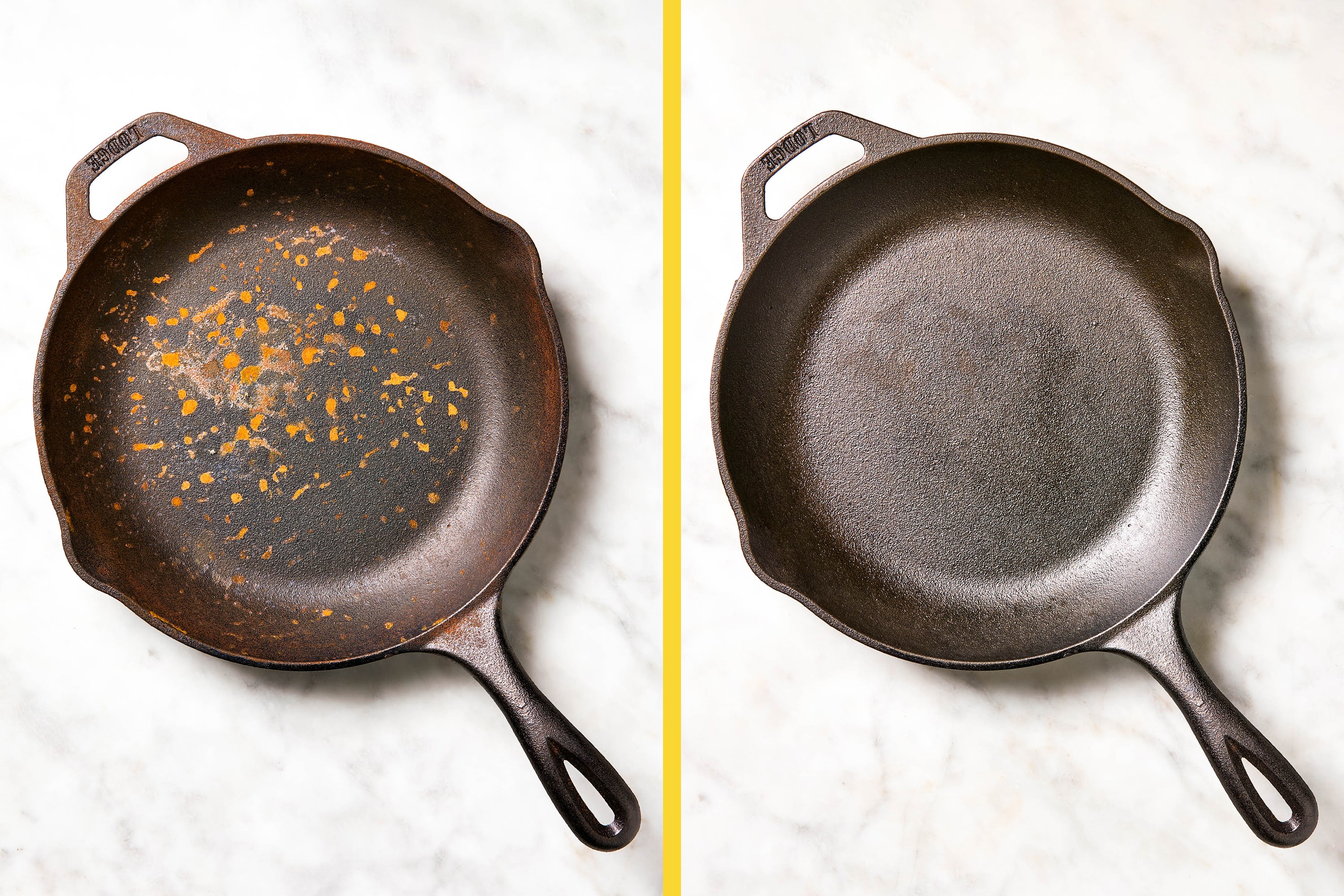
Rust appears as reddish or brown spots on the surface. It may feel rough or flaky to touch. Sometimes the rust looks like orange powder. The pan may lose its smooth, black finish. Rust can also cause small pits or holes. These signs show your cast iron needs care soon.
Types Of Rust Damage
Surface rust is the mildest form. It only affects the outer layer and can be cleaned easily. Deep rust eats into the metal. This causes pitting and weak spots. Severe rust can make the pan unsafe to use. Understanding the type helps decide the cleaning method and effort needed.
Gathering Restoration Tools
Restoring rusted cast iron cookware needs the right tools. Having all items ready makes the process smooth. It helps avoid interruptions and saves time. Gather everything before starting the cleanup and restoration.
Essential Cleaning Supplies
Start with a stiff brush or steel wool. These remove rust and dirt well. Use a mild dish soap to clean the surface. Avoid harsh chemicals that damage the iron. Have white vinegar handy to soak the rusted parts. Baking soda works great as a gentle scrub. Keep a clean cloth or paper towels nearby. These help dry the cookware quickly. A small bowl or bucket holds the cleaning solutions. Finally, prepare some cooking oil to re-season the pan.
Safety Gear To Use
Protect your hands with rubber gloves. Rust and cleaning agents can irritate skin. Use eye protection like safety glasses. This prevents splashes from reaching your eyes. Work in a well-ventilated area to avoid inhaling fumes. Wear old clothes or an apron. Cleaning cast iron can be messy. Keep a first aid kit close. It helps in case of minor cuts or scrapes.
Removing Rust Effectively
Removing rust from cast iron cookware is key to restoring its performance and look. Rust can damage the surface and affect cooking quality. Effective rust removal brings the pan back to life. It prepares the cookware for reseasoning and safe use.
Different methods work best depending on how much rust is present. Some ways require only household items, while others use special tools. The goal is to remove rust without harming the metal underneath.
Scrubbing Techniques
Start with a stiff brush or steel wool to scrub off loose rust. Use circular motions to work the rust away. Avoid wire brushes that are too harsh and may scratch the surface deeply. For stubborn spots, soak the cookware in warm soapy water first. This softens the rust and makes scrubbing easier.
Rinse the pan often to check progress. Dry it quickly to prevent new rust from forming. Scrubbing is the first step and often removes most rust on its own.
Using Vinegar And Baking Soda
Vinegar is acidic and dissolves rust effectively. Fill a container with equal parts vinegar and water. Soak the cookware for up to 8 hours but no longer. After soaking, scrub the surface with a sponge or brush.
Rinse well and sprinkle baking soda on the surface. Baking soda neutralizes vinegar and stops corrosion. Scrub gently again to remove any remaining rust. Rinse and dry thoroughly. This method is safe and uses common kitchen items.
Alternative Rust Removal Methods
For heavy rust, use a rust remover product made for cookware. Follow the instructions carefully. Another option is using a rotary tool with a wire brush attachment. It speeds up rust removal but requires caution to avoid damage.
Some people use lemon juice or potato slices dipped in salt as natural rust removers. These work for light rust and are gentle on the pan. Always clean and dry the cookware fully after any rust removal method.
Credit: www.thekitchn.com
Cleaning And Drying The Pan
Cleaning and drying the pan is the first step to restore rusted cast iron cookware. Proper care here sets the stage for a smooth restoration. Removing rust and residue ensures the pan is ready for seasoning and long-term use.
Washing Off Residue
Start by scrubbing the pan with a stiff brush or steel wool. Use warm water to help loosen rust and dirt. Avoid soap or harsh chemicals that can damage the iron. Rinse the pan well to remove all residue. Repeat scrubbing until the pan looks clean and free of rust flakes.
Proper Drying Tips
Dry the pan immediately after washing to stop rust from returning. Use a clean cloth or paper towel to wipe away water. Place the pan on a low heat burner for a few minutes to evaporate moisture. Make sure every part of the pan is completely dry. This step is crucial to protect your cast iron from new rust.
Seasoning Cast Iron Cookware
Seasoning cast iron cookware restores its non-stick surface and protects it from rust. This process builds a natural coating that improves cooking and cleaning. Proper seasoning turns old, rusted cast iron into a reliable kitchen tool. The key is to apply oil and heat it to create a strong, smooth layer. Follow these steps for best results.
Choosing The Right Oil
Select an oil with a high smoke point for best seasoning results. Flaxseed oil, grapeseed oil, and vegetable oil work well. Avoid oils that spoil quickly or have strong flavors. The oil should spread evenly and bake into the metal. This helps form a durable, non-stick surface.
Oven Seasoning Process
Start by cleaning the cast iron thoroughly. Remove all rust and dry it completely. Apply a thin layer of oil over every surface. Place the cookware upside down in a preheated oven at 450°F (230°C). Bake it for one hour to let the oil bond with the metal. Turn off the oven and let the cookware cool inside. Repeat this process two to three times for a strong seasoning layer.
Maintaining The Seasoning Layer
Clean cast iron with hot water and a soft brush after use. Avoid soap or harsh scrubbers that can remove seasoning. Dry it well to stop rust from forming. Apply a light coat of oil before storing. Regular use and proper care keep the seasoning smooth and effective. This extends the life of your cast iron cookware.

Credit: smart.dhgate.com
Preventing Future Rust
Stopping rust from coming back is key to keeping your cast iron cookware in top shape. Rust forms when moisture meets the metal. Avoiding this means your pan lasts longer and cooks better. Two main ways to prevent rust are storing your cookware properly and doing regular care.
Storage Best Practices
Keep your cast iron dry after each use. Store it in a place with low humidity. Avoid putting the pan in a closed cabinet if it traps moisture. Instead, leave the lid off or place a paper towel inside. This helps air flow and stops rust. Use a cloth or silicone mat between pans if stacking. It protects the surface from scratches and moisture.
Regular Maintenance Tips
Clean your cast iron right after cooking. Use warm water and a soft brush. Skip soap or harsh scrubbers that can strip the seasoning. Dry the pan fully with a towel or heat it on the stove. Apply a thin layer of oil to the surface. This keeps the metal sealed and safe from water. Repeat this oiling step often to keep rust away.
Frequently Asked Questions
How Do I Remove Rust From Cast Iron Cookware?
To remove rust, scrub the cookware with steel wool or a stiff brush. Use vinegar for stubborn rust. Rinse and dry thoroughly before reseasoning.
Can Vinegar Damage Cast Iron Pans?
Vinegar can damage cast iron if left too long. Soak for 1-2 hours only. Rinse and dry immediately afterward to prevent further corrosion.
How Do I Reseason Rusted Cast Iron Cookware?
Apply a thin layer of vegetable oil or flaxseed oil. Bake upside down at 375°F for one hour. Let cool and repeat if necessary for a smooth finish.
Is It Safe To Cook On Restored Cast Iron?
Yes, properly restored and reseasoned cast iron is safe. It provides a natural non-stick surface and lasts for years with proper care.
Conclusion
Restoring rusted cast iron cookware takes patience and care. Start by removing rust with simple tools. Then, clean and dry the pan well. Season it with oil to protect the surface. Regular use keeps the cast iron in good shape.
Avoid soaking or harsh detergents. This process brings back your pan’s strength and cooking quality. Rust doesn’t have to mean the end of your favorite cookware. With these easy steps, your cast iron can last many more years. Cooking with it feels good again.
Ready to cook a great meal?

Hello, This is Annie Walker, a 38-year-old blogger, founder, and editor of Cookware Guider from NY, USA. I am a cookware fanatic and passionate cooker. I love to cook with different types of cooking appliances (example: all types of cookware, rice cookers, slow cookers, etc) almost every day in my kitchen. I love to share my experience with my readers in my blog. Also, I enjoy helping people to solve their problems through my website. You can follow me on Twitter & Pinterest. To know details about my blog please check the about us page.