
If you own cast iron cookware, you already know it’s a kitchen treasure. But do you know the best way to take care of it?
Proper care can make your cast iron last for decades, improving its performance and flavor over time. You’ll discover simple, effective tips that will keep your cookware in top shape. Whether you’re new to cast iron or want to protect your favorite pan, this guide is made just for you.
Ready to unlock the secrets of cast iron care? Let’s dive in.
Credit: www.reddit.com
Seasoning Your Cast Iron
Seasoning your cast iron cookware is a key step for its care. It creates a natural, non-stick surface on the pan. This layer protects the metal from rust and damage. Proper seasoning improves cooking results. It helps food release easily and cooks evenly. Learning how to season cast iron can extend its life and performance.
Why Seasoning Matters
Seasoning stops cast iron from rusting. Without it, the pan can get damaged quickly. The oil layer fills tiny pores in the metal. This creates a smooth, non-stick surface. It also makes cleaning easier. Seasoned cast iron needs less soap and scrubbing. The better the seasoning, the better your cooking results.
Step-by-step Seasoning Process
Start with a clean, dry cast iron pan. Apply a thin layer of vegetable oil or flaxseed oil. Cover the entire surface, inside and out. Place the pan upside down in an oven. Heat the oven to 375°F (190°C). Bake for one hour to let oil bond with metal. Turn off the oven and let the pan cool inside. Repeat this process 2-3 times for a strong layer.
Maintaining The Seasoned Layer
After each use, clean your pan with warm water. Avoid soap, which can remove the seasoning. Dry the pan completely to stop rust. Apply a light coat of oil before storing. Re-season the pan if food starts sticking. Keep the seasoning layer healthy for long-lasting use. Regular care keeps your cast iron cooking great.
Cleaning Techniques
Cleaning cast iron cookware properly keeps it in great shape. It also protects the seasoning layer that makes it non-stick. Using the right cleaning methods helps avoid rust and damage. Below are simple techniques to clean your cast iron safely and effectively.
Avoiding Soap And Harsh Detergents
Soap can strip away the seasoning on cast iron. Harsh detergents can cause rust and dull the pan’s surface. Use warm water and a soft brush or sponge instead. Avoid soaking the pan for long periods. Dry it immediately after washing to stop rust from forming.
Using Salt And Scrubbing Methods
Coarse salt works as a natural scrubber. Sprinkle salt on the pan’s surface while it is still warm. Use a paper towel or cloth to rub the salt around. This removes stuck food and grime without harming the seasoning. Rinse with warm water and dry well after scrubbing.
Dealing With Stubborn Residue
For tough residue, heat the pan on the stove briefly. This loosens the stuck food. Use a spatula or stiff brush to scrape it off gently. Avoid metal scrubbers that can damage the surface. After cleaning, apply a thin layer of oil to keep the pan seasoned.
Drying And Storing
Taking care of cast iron cookware does not end after cooking. Drying and storing are key steps to keep your pan in good shape. These steps help avoid rust and damage. Proper drying removes moisture. Good storage keeps the seasoning safe and ready for the next use.
Proper Drying To Prevent Rust
Water is the enemy of cast iron. It causes rust fast. After washing, dry your pan right away. Use a clean towel to wipe all water off. Then, place the pan on low heat for a few minutes. The heat removes any left moisture. This step stops rust from forming. Never leave your cast iron to air dry.
Storage Tips For Longevity
Store your cast iron in a dry place. Avoid humid areas like under the sink. Keep the lid off or place a paper towel inside. This lets air flow and stops moisture buildup. Stack pans with a cloth between them to protect the surface. Regular care during storage keeps your pan ready to cook great meals for years.
:max_bytes(150000):strip_icc()/__opt__aboutcom__coeus__resources__content_migration__serious_eats__seriouseats.com__images__2016__09__20160817-cast-iron-pan-vicky-wasik-1-2-5ca3f25cf17a4a6aa97f4a8c878c63b3.jpg)
Credit: www.seriouseats.com
Handling Rust Issues
Cast iron cookware is strong and lasts long. Rust can form if not cared for well. Handling rust quickly keeps your pan safe and ready. It stops damage and keeps the flavor pure. Learn to spot rust early and clean it right. Then, bring your pan back with re-seasoning. This keeps the surface smooth and non-stick. Follow these simple steps to care for your cast iron.
Identifying Rust Spots
Rust spots look reddish-brown or orange. They may feel rough or flaky. Rust often forms where water stays longer. Check the pan after washing or storing. Look inside and outside the pan carefully. Small rust spots can grow fast. Catch rust early to save your cookware.
Removing Rust Safely
Use a gentle scrubber like steel wool or a brush. Scrub the rust until metal shows again. Avoid harsh chemicals that can harm the pan. Rinse well with warm water. Dry the pan completely to stop new rust. Repeat if rust remains. This keeps the pan clean and safe.
Re-seasoning After Rust Removal
Coat the pan with a thin layer of oil. Use cooking oil like vegetable or flaxseed oil. Heat the pan in the oven at 350°F for an hour. Let it cool inside the oven. This step builds a new protective layer. It stops rust and keeps food from sticking. Re-seasoning after rust restores your pan’s strength.
Cooking Tips For Longevity
Taking care of cast iron cookware during cooking helps keep it strong and long-lasting. Using the right foods and managing heat properly protects the pan’s seasoning. Avoiding certain ingredients also stops damage. These tips make your cast iron a kitchen favorite for years.
Best Foods For Cast Iron
Cast iron works well with many foods. Meats like steak, chicken, and pork brown nicely on cast iron. Vegetables such as potatoes, carrots, and onions cook evenly. Foods with fat help keep the pan seasoned. These types of dishes improve the pan’s natural non-stick surface.
Avoiding Acidic Ingredients
Acidic foods can harm the seasoning on cast iron. Ingredients like tomatoes, vinegar, and citrus break down the protective layer. Cooking these often may cause rust or a metallic taste. Use acidic foods sparingly or in well-seasoned pans. This helps keep the cookware smooth and rust-free.
Temperature Management
Cast iron heats slowly but holds heat well. Preheat the pan gradually to avoid warping. High heat can damage the seasoning or cause food to stick. Cook on medium or medium-high heat for best results. Let the pan cool before washing to prevent cracking.
Credit: www.all-thats-jas.com
Restoring Old Cast Iron
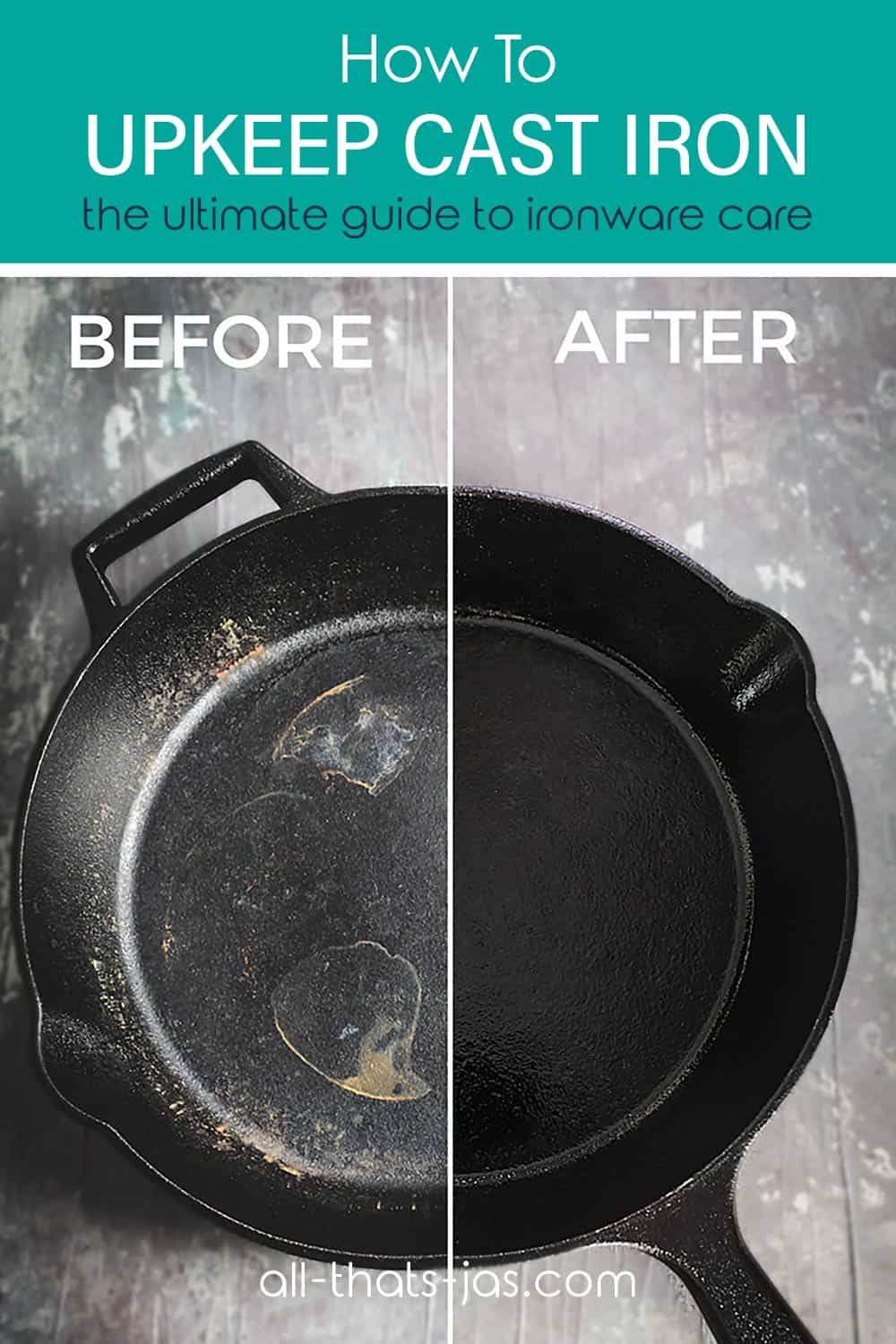
Restoring old cast iron cookware can bring back its strength and beauty. It takes care and patience to make it usable again. This process helps keep a favorite pan out of the trash. With the right steps, even rusty or sticky pans can shine like new.
Assessing Condition
Start by looking over the pan carefully. Check for rust, cracks, or deep scratches. Light rust is common and fixable. Cracks may mean the pan is unsafe to use. Note any stuck-on food or old seasoning that peels off easily. Knowing the damage helps decide the next steps.
Cleaning And Stripping Old Seasoning
Use hot water and a stiff brush to clean the pan. Avoid soap if possible, but use it if grease is heavy. For tough rust or sticky seasoning, try scrubbing with steel wool or a wire brush. Another way is to soak the pan in a vinegar and water mix. Rinse well and dry immediately. Removing old layers clears the surface for new seasoning.
Re-seasoning And Revival
After cleaning, dry the pan completely. Apply a thin layer of cooking oil all over the surface. Place the pan upside down in a hot oven at 375°F (190°C). Bake for one hour to let the oil bond to the metal. Turn off the oven and let the pan cool inside. Repeat this process two or three times for a strong, non-stick coating.
Frequently Asked Questions
How Do You Clean Cast Iron Cookware Properly?
Clean cast iron with hot water and a stiff brush. Avoid soap and dishwashers. Dry immediately to prevent rust. Re-season if needed to maintain the non-stick surface.
How Often Should You Season Cast Iron Cookware?
Season cast iron after every few uses or if food starts sticking. Apply a thin layer of oil and heat it to maintain the protective coating.
Can You Use Soap On Cast Iron Pans?
Using mild soap occasionally is fine, but avoid harsh detergents. Soap can strip the seasoning, so keep it minimal and re-season if necessary.
How Do You Prevent Rust On Cast Iron Cookware?
Dry cast iron thoroughly after washing. Apply a light coat of oil before storing. Store in a dry place to avoid moisture buildup and rust formation.
Conclusion
Taking care of cast iron cookware is simple and rewarding. Clean it right after use and dry it well. Apply a thin layer of oil to keep it smooth. Avoid soaking or using harsh detergents. Store it in a dry place to stop rust.
With regular care, your cast iron will last for years. Enjoy cooking with it every day. A little effort keeps your pan in great shape. Cook better, eat healthier, and save money. Cast iron care is easy and worth it.

Hello, This is Annie Walker, a 38-year-old blogger, founder, and editor of Cookware Guider from NY, USA. I am a cookware fanatic and passionate cooker. I love to cook with different types of cooking appliances (example: all types of cookware, rice cookers, slow cookers, etc) almost every day in my kitchen. I love to share my experience with my readers in my blog. Also, I enjoy helping people to solve their problems through my website. You can follow me on Twitter & Pinterest. To know details about my blog please check the about us page.