
Are you wondering if using aluminum cookware is safe for you and your family? You’ve probably seen those shiny pots and pans and asked yourself the same question.
After all, what you use to cook your meals directly affects your health. You’ll discover the facts about aluminum cookware, learn how it interacts with your food, and find out what experts say about its safety. Keep reading to make the best choice for your kitchen and peace of mind.
:max_bytes(150000):strip_icc()/ms-aluminum-pan-getty-c54d6d540a19454e8a13f884cccea6f0.jpg)
Credit: www.marthastewart.com
Health Risks Of Aluminum Cookware
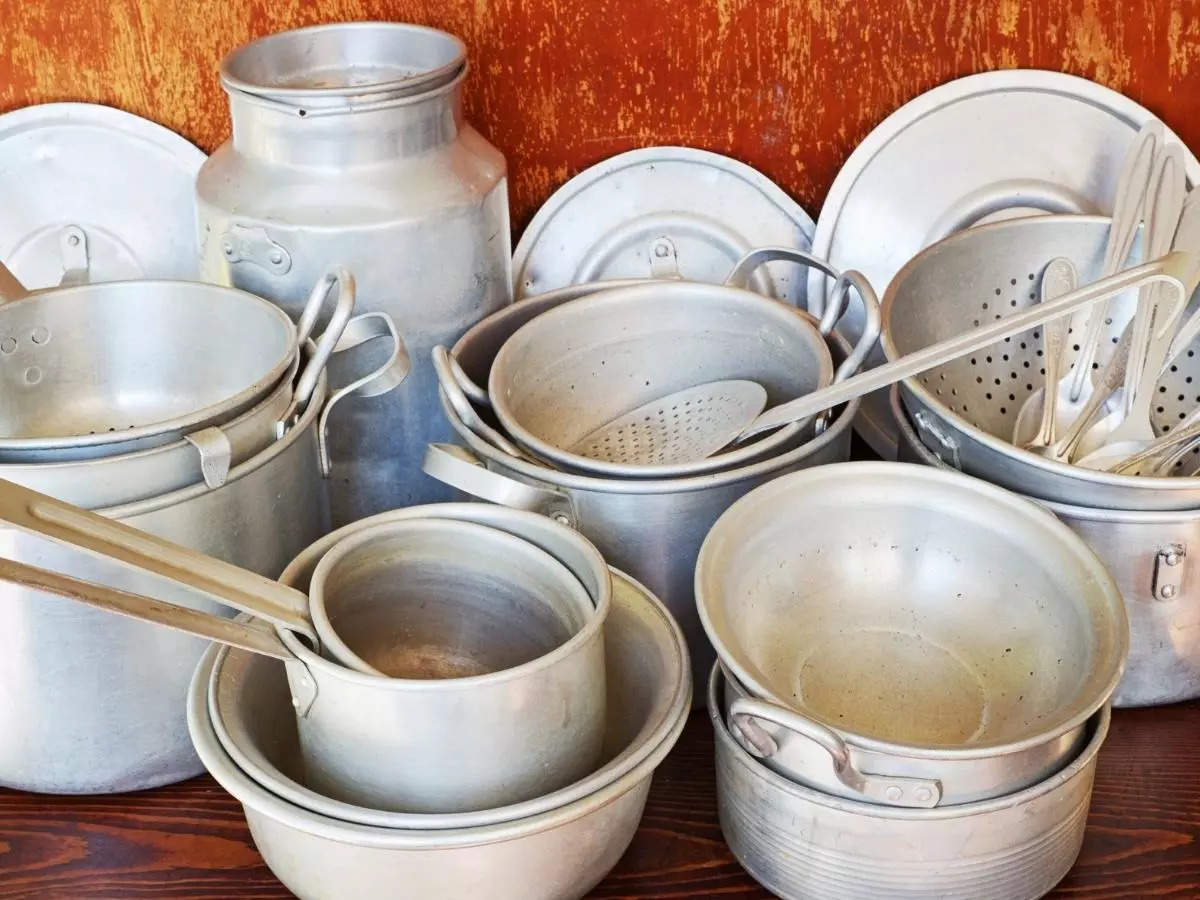
Aluminum cookware is popular due to its light weight and good heat conduction. Many people wonder about the health risks of using aluminum pots and pans. Aluminum can enter food during cooking, especially with acidic or salty ingredients. This raises concerns about its effects on the body and overall safety. Understanding these risks helps in making informed choices about kitchenware.
Aluminum And Its Effects On The Body
Aluminum is a metal found naturally in the environment. It enters the body through food, water, air, and sometimes cookware. The body can handle small amounts of aluminum, but large amounts may cause problems.
Here are some effects of aluminum on the body:
- Absorption: Only a small portion of aluminum consumed is absorbed by the gut.
- Storage: Aluminum can accumulate in bones, lungs, and brain.
- Excretion: Most aluminum leaves the body through the kidneys.
People with kidney problems may have difficulty removing aluminum, leading to higher levels in the body. Long-term exposure to high aluminum amounts might cause bone diseases and other health issues.
| Aluminum Source | Effect on Body |
|---|---|
| Food and Water | Low absorption, mostly safe in small amounts |
| Aluminum Cookware | Possible leaching into food, especially acidic dishes |
| Occupational Exposure | Higher risk of accumulation and health problems |
Research On Aluminum Exposure
Scientists have studied aluminum exposure and its impact for decades. Research focuses on how much aluminum people absorb and what health effects may occur.
Key findings include:
- Cooking with aluminum increases aluminum content in food slightly.
- Acidic foods like tomatoes increase aluminum leaching.
- The body usually clears small amounts without harm.
- High aluminum exposure is linked to health risks in certain groups.
Studies also compare aluminum cookware with alternatives. Some research shows anodized or coated aluminum pans release less aluminum.
Health agencies set limits on safe aluminum intake. For example:
| Agency | Recommended Daily Aluminum Intake |
|---|---|
| World Health Organization (WHO) | 2 mg per kg of body weight |
| European Food Safety Authority (EFSA) | 1 mg per kg of body weight |
These limits help keep aluminum levels in the body safe for most people.
Aluminum And Neurodegenerative Diseases
Some studies suggest a link between aluminum and brain diseases like Alzheimer’s. This idea started when researchers found aluminum in brain tissue of patients with these conditions.
What is known:
- Aluminum can cross the blood-brain barrier in small amounts.
- It may cause oxidative stress and damage brain cells.
- High aluminum exposure might increase risk of neurodegeneration.
However, many experts say the evidence is not strong enough to prove aluminum causes these diseases. Factors like genetics and environment play bigger roles.
Research is ongoing. For now, limiting aluminum exposure, especially in vulnerable people, is a cautious approach.
Credit: timesofindia.indiatimes.com
Types Of Aluminum Cookware
Aluminum cookware is popular for its light weight and fast heating. It comes in different types that affect cooking safety and performance. Understanding these types helps choose the right cookware for your kitchen. The main types include anodized aluminum, non-anodized aluminum, and aluminum with nonstick coatings. Each type has unique features, pros, and cons related to durability, heat conduction, and health safety.
Anodized Aluminum
Anodized aluminum undergoes a special process that makes the surface harder and more durable. This process creates a thick layer of aluminum oxide on the surface. This layer prevents the metal from reacting with food and stops aluminum from leaching into meals.
Benefits of anodized aluminum:
- Resists scratches and corrosion
- Non-reactive with acidic or alkaline foods
- Offers better heat distribution than regular aluminum
- Easy to clean and maintain
This type of cookware is safer than non-anodized aluminum. It does not change the taste or color of food. Anodized aluminum cookware is a popular choice for everyday cooking. It combines good heat conduction with a safer cooking surface.
| Feature | Anodized Aluminum |
|---|---|
| Durability | High |
| Reactivity with Food | Minimal |
| Maintenance | Easy |
| Heat Conductivity | Good |
Non-anodized Aluminum
Non-anodized aluminum cookware is raw or untreated aluminum. It heats quickly and evenly but can react with some foods. Acidic foods like tomatoes or citrus can cause aluminum to leach into the food. This may affect taste and could raise health concerns.
Key points about non-anodized aluminum:
- Lightweight and affordable
- Prone to scratching and denting
- Can react with acidic or salty foods
- Requires careful cleaning to avoid damage
People often avoid cooking acidic dishes in non-anodized aluminum. Using it for dry or low-acid foods reduces risk. This type also needs seasoning or coating to protect the surface. Without protection, the cookware can stain or warp over time.
| Feature | Non-Anodized Aluminum |
|---|---|
| Durability | Low |
| Reactivity with Food | High |
| Maintenance | Challenging |
| Heat Conductivity | Excellent |
Aluminum With Nonstick Coatings
Many aluminum pans come with a nonstick coating. This layer stops food from sticking and makes cleaning easier. The coating also protects aluminum from direct contact with food. It reduces the chance of aluminum leaching during cooking.
Advantages of nonstick aluminum cookware:
- Easy food release and cleaning
- Less oil or fat needed for cooking
- Protects aluminum from acidic foods
- Lightweight and heats quickly
Nonstick coatings vary in quality and safety. Some use PTFE (Teflon) or ceramic materials. Using nonstick cookware on high heat can damage the coating. Scratches or peeling can expose aluminum underneath. This exposure may cause safety concerns. Proper care extends the life and safety of these pans.
| Feature | Aluminum with Nonstick Coating |
|---|---|
| Durability | Medium |
| Reactivity with Food | Low (with intact coating) |
| Maintenance | Moderate (avoid metal utensils) |
| Heat Conductivity | Good |
How Aluminum Interacts With Food
Aluminum cookware is popular for its light weight and quick heating. Understanding how aluminum interacts with food helps decide if it is safe to use. Aluminum can react differently depending on the type of food cooked. These reactions affect the food’s safety, taste, and quality. This section explains the effects of cooking acidic and alkaline foods in aluminum pans, the chance of aluminum leaching into food, and how these interactions influence flavor and texture.
Acidic And Alkaline Foods
Aluminum reacts more with certain foods, especially those that are acidic or alkaline. Acidic foods include tomatoes, citrus fruits, and vinegar. Alkaline foods are less common but include baking soda and some leafy greens.
- Acidic foods can cause aluminum to break down slightly.
- Alkaline foods may also cause mild reactions but less often.
This reaction can create a metallic taste and sometimes change the color of the food. For example, cooking tomato sauce in aluminum pots may cause a dull gray color. The surface of aluminum cookware can corrode faster when used with acidic foods.
| Type of Food | Reaction with Aluminum | Effect on Food |
|---|---|---|
| Acidic (tomatoes, citrus) | Increased corrosion and aluminum release | Metallic taste, color change |
| Alkaline (baking soda, spinach) | Mild surface reaction | Possible slight taste change |
| Neutral (rice, pasta) | Minimal or no reaction | No effect on taste or color |
Cooking neutral foods in aluminum pans is generally safe and does not affect the cookware or food much.
Leaching Of Aluminum Into Food
Leaching means aluminum passes from the cookware into the food. This happens more with acidic or salty foods. The amount of aluminum leached is usually very small but depends on several factors:
- Cooking time — longer cooking causes more leaching.
- Temperature — higher heat increases leaching.
- Food acidity — more acidic foods cause more leaching.
- Condition of cookware — scratched or worn pans leach more aluminum.
Studies show that the aluminum amount in food cooked in aluminum pans is mostly below the safe limits set by health authorities. Still, repeated use with acidic foods may increase aluminum exposure.
To reduce leaching:
- Use anodized aluminum cookware with a hard, non-reactive surface.
- Avoid cooking very acidic or salty foods for long periods.
- Replace cookware if it shows signs of wear or damage.
Impact On Taste And Food Quality
Aluminum can change the taste and appearance of food. The metallic taste happens mostly with acidic foods. This can make dishes less enjoyable.
Food quality can also be affected by aluminum reacting with ingredients:
- Color changes, such as darkening or dullness.
- Texture changes, like softening or loss of crispness.
- Possible nutrient loss due to chemical reactions.
Using aluminum cookware for neutral foods avoids these issues. Anodized aluminum pans help keep flavor and quality intact. They have a protective layer that stops food from touching the raw metal.
Tips to keep food tasting good in aluminum cookware:
- Cook acidic foods in coated or stainless steel pans.
- Do not store food in aluminum cookware after cooking.
- Clean cookware properly to avoid buildup that affects taste.
Safety Tips For Using Aluminum Cookware
Aluminum cookware is popular for its light weight and excellent heat conduction. Many people wonder about its safety in daily cooking. Following simple safety tips can reduce any risks linked to aluminum pans. These tips help keep your food safe and your cookware in good condition. Let’s explore key safety practices for using aluminum cookware effectively.
Avoiding Acidic Foods
Cooking acidic foods like tomatoes, vinegar, or citrus in aluminum cookware can cause the metal to react. This reaction may change the food’s taste and cause aluminum to leach into the food.
Why avoid acidic foods?
- Acid can erode the aluminum surface.
- This erosion can lead to small amounts of aluminum mixing into food.
- The food may develop a metallic or bitter taste.
To protect your cookware and food:
- Use non-aluminum pots for cooking acidic dishes.
- Limit the cooking time of acidic foods in aluminum pans.
- Consider using anodized aluminum, which resists corrosion better.
| Food Type | Recommended Cookware | Notes |
|---|---|---|
| Tomato Sauce | Stainless Steel or Non-stick | Avoid aluminum to prevent metallic taste |
| Citrus-based Marinades | Glass or Ceramic | Prevents aluminum leaching |
| Stews (Non-acidic) | Aluminum (Anodized preferred) | Safe for longer cooking times |
Proper Cleaning Methods
Cleaning aluminum cookware correctly helps maintain its surface and prevents damage. Avoid harsh cleaners that can scratch or erode the metal.
Best cleaning practices:
- Use mild dish soap and warm water.
- Clean with a soft sponge or cloth only.
- Rinse thoroughly to remove soap residue.
What to avoid:
- Abrasion with steel wool or metal scrubbers.
- Harsh chemical cleaners or bleach.
- Dishwashers, which can dull the surface.
For stubborn stains or burnt food:
- Soak the cookware in warm, soapy water for 15-30 minutes.
- Use a paste of baking soda and water to gently scrub the surface.
- Rinse and dry immediately after cleaning.
Proper cleaning extends cookware life and keeps food flavors pure. Always dry aluminum pans well to avoid water spots and corrosion.
Replacing Old Or Damaged Cookware
Old or damaged aluminum cookware can pose safety risks. Scratches, dents, and worn surfaces allow more aluminum to enter food during cooking.
Signs it’s time to replace your cookware:
- Deep scratches or gouges inside the pan.
- Warped or bent cookware that doesn’t sit flat.
- Peeling or flaking anodized coating.
- Visible corrosion or discoloration.
Using damaged aluminum pans increases food contamination risk and reduces cooking performance.
Replacement tips:
- Choose anodized aluminum for better durability and safety.
- Consider stainless steel or cast iron for acidic foods.
- Inspect cookware regularly for damage.
- Replace pans every few years or sooner if damage appears.
Proper care and timely replacement ensure safer cooking and better meal quality. Always prioritize cookware in good condition for health and taste.
Alternatives To Aluminum Cookware
Choosing the right cookware affects both health and cooking quality. Many people worry about aluminum cookware safety due to possible chemical reactions with food. Fortunately, several safe and effective alternatives to aluminum cookware exist. These options offer durability, even heating, and do not react with food. Below are popular choices that suit different cooking styles and needs.
Stainless Steel
Stainless steel cookware is a favorite for its durability and safety. It does not react with acidic or alkaline foods, making it a reliable choice for all types of cooking.
Key benefits include:
- Non-reactive surface: Does not alter food flavor or color.
- Durability: Resistant to rust, corrosion, and scratches.
- Easy maintenance: Dishwasher safe and simple to clean.
- Even heating: Often features an aluminum or copper core to improve heat distribution.
Here is a comparison table of stainless steel cookware features:
| Feature | Description | Benefit |
|---|---|---|
| Material | Steel alloy with chromium and nickel | Resists corrosion and staining |
| Cooking Surface | Non-reactive and smooth | Safe for all foods |
| Heat Distribution | Core layers of aluminum or copper | Prevents hot spots |
| Cleaning | Dishwasher safe, hand-wash recommended | Easy to clean and maintain |
Stainless steel suits frying, boiling, and sautéing. It handles high temperatures well and works on all stovetops, including induction. Its strong build lasts for years without warping.
Cast Iron
Cast iron cookware is known for excellent heat retention and natural non-stick properties when seasoned properly. It offers a healthy cooking surface free from chemical coatings.
Benefits of cast iron include:
- Superior heat retention: Keeps food warm for longer periods.
- Long-lasting: Can last for generations if cared for well.
- Improves with use: Becomes more non-stick as seasoning builds.
- Versatile: Suitable for stovetop, oven, and even campfire cooking.
Important care tips:
- Season regularly with oil to maintain the surface.
- Clean without soap to preserve seasoning.
- Dry thoroughly to prevent rust.
- Store in a dry place.
Cast iron adds a small amount of iron to food, which can be beneficial for some people. It is ideal for frying, searing, baking, and slow cooking. The heavy weight may require some practice but offers excellent cooking results.
Ceramic And Glass Options
Ceramic and glass cookware provide safe, non-reactive surfaces that do not leach metals into food. They appeal to those who prefer chemical-free cooking options.
Advantages include:
- Non-toxic: Free from PTFE, PFOA, and heavy metals.
- Non-stick surface: Easier to clean and requires less oil.
- Heat resistance: Suitable for oven and microwave use.
- Attractive designs: Often available in various colors and styles.
Limitations to consider:
- Less durable than metal; prone to chipping or cracking.
- May not distribute heat as evenly.
- Generally not suitable for high-heat stovetop cooking.
Glass cookware is perfect for baking and reheating food. Ceramic cookware works well for low to medium heat cooking on the stove. Both are easy to clean and maintain. They offer a safe choice for those avoiding metal cookware entirely.
Credit: www.leafscore.com
Frequently Asked Questions
Is Aluminum Cookware Safe For Everyday Cooking?
Yes, aluminum cookware is generally safe for everyday use. It is lightweight and conducts heat well. However, avoid cooking acidic foods in uncoated aluminum to prevent metal leaching.
Can Aluminum Cookware Cause Health Problems?
Aluminum cookware poses minimal health risks when used properly. Anodized or coated aluminum prevents aluminum from leaching into food. Excessive exposure to aluminum from cookware is rare and unlikely to cause harm.
How To Prevent Aluminum Leaching From Cookware?
To prevent leaching, use anodized or non-stick coated aluminum pans. Avoid cooking highly acidic or salty foods in uncoated aluminum. Proper cleaning and seasoning also reduce aluminum transfer to food.
Does Aluminum Cookware Affect Food Taste?
Aluminum cookware can sometimes alter the taste of acidic or salty foods. This happens if the pan is uncoated. Using anodized or coated aluminum cookware eliminates this taste issue.
Conclusion
Aluminum cookware can be safe if used correctly. Avoid cooking acidic foods in uncoated aluminum pans. Choose anodized or coated aluminum for better safety. Regular cleaning helps keep your cookware in good shape. Use moderate heat to prevent damage and food sticking.
Many people use aluminum cookware without issues. Understanding how to use it matters most. Your health and food taste depend on proper use. Cook smart, and aluminum pots can serve you well.

Hello, This is Annie Walker, a 38-year-old blogger, founder, and editor of Cookware Guider from NY, USA. I am a cookware fanatic and passionate cooker. I love to cook with different types of cooking appliances (example: all types of cookware, rice cookers, slow cookers, etc) almost every day in my kitchen. I love to share my experience with my readers in my blog. Also, I enjoy helping people to solve their problems through my website. You can follow me on Twitter & Pinterest. To know details about my blog please check the about us page.