
Choosing the right cookware can change the way you cook every single day. You want pots and pans that heat evenly, last long, and are easy to clean.
But with so many materials out there, how do you pick the best one for your kitchen? This guide will help you discover the best cookware material for everyday use, so you can cook your favorite meals with confidence and ease.
Keep reading to find out which material fits your lifestyle and makes cooking more enjoyable for you.

Credit: www.beka-cookware.com
Popular Cookware Materials
Choosing the right cookware material makes a big difference in daily cooking. Popular cookware materials offer various benefits, affecting heat distribution, durability, and ease of cleaning. Understanding these materials helps in picking the best option for everyday use. Each material suits different cooking styles and needs. Below are the most common types of cookware materials used in kitchens worldwide.
Stainless Steel
Stainless steel is a top choice for many cooks. It combines durability with a sleek look. This material resists rust, stains, and corrosion. It works well on all cooktops, including induction.
Stainless steel pans often have an aluminum or copper core inside. This core helps spread heat evenly, preventing hot spots.
- Does not react with acidic or alkaline foods
- Easy to clean and dishwasher safe
- Can handle high heat for searing and frying
- Long-lasting and scratch resistant
One downside is that stainless steel pans can sometimes cause food to stick. Proper preheating and using oil can reduce this issue. Here is a quick comparison of stainless steel features:
| Feature | Benefit |
|---|---|
| Durability | Very high, can last for years |
| Heat Distribution | Good, especially with layered cores |
| Maintenance | Easy to clean; dishwasher safe |
| Non-reactive | Safe for all food types |
Cast Iron
Cast iron cookware is famous for its excellent heat retention. It heats slowly but stays hot for a long time. This makes it perfect for frying, baking, and slow cooking.
Cast iron pans need seasoning. This process creates a natural nonstick surface and protects the pan from rust.
- Very durable and can last generations
- Improves with use as seasoning builds up
- Works well on ovens, stoves, and grills
- Heavy and requires care to prevent rust
Cast iron is versatile but needs special attention. Avoid washing with soap; use warm water and a brush instead. Dry immediately and apply a light coat of oil after each use.
| Feature | Benefit |
|---|---|
| Heat Retention | Excellent for even cooking |
| Durability | Extremely long-lasting |
| Maintenance | Requires seasoning and care |
| Weight | Heavy, might be hard to handle |
Nonstick
Nonstick cookware is popular for easy cooking and cleaning. The surface prevents food from sticking, reducing the need for oil or butter.
This material suits low to medium heat cooking. High heat can damage the coating. Nonstick pans are great for eggs, pancakes, and delicate foods.
- Easy to clean by hand or in dishwasher
- Lightweight and easy to handle
- Not ideal for high-heat searing
- Coating can wear off over time
Use wooden or silicone utensils to protect the surface. Avoid metal tools to extend the life of the coating.
| Feature | Benefit |
|---|---|
| Ease of Use | Food releases easily |
| Cleaning | Quick and simple |
| Heat Tolerance | Best for low to medium heat |
| Durability | Coating wears with time |
Copper
Copper cookware offers superb heat control. It heats quickly and cools down fast, giving precise temperature control.
Copper pans often have a stainless steel lining. This prevents the copper from reacting with food and makes cleaning easier.
- Excellent heat conductivity
- Beautiful and shiny appearance
- Requires polishing to maintain shine
- Can be expensive and needs careful handling
Copper reacts with acidic foods if unlined, so most copper pans have a safe lining. This cookware is ideal for sauces and delicate cooking tasks.
| Feature | Benefit |
|---|---|
| Heat Conductivity | Fast and precise heat changes |
| Appearance | Attractive and classic look |
| Maintenance | Needs regular polishing |
| Cost | Generally higher price |
Ceramic
Ceramic cookware is made from natural materials and coated with a smooth ceramic layer. It offers a nonstick surface without synthetic chemicals.
This cookware is good for low to medium heat cooking. It heats evenly and cleans easily.
- Nonstick surface without PTFE or PFOA
- Eco-friendly and non-toxic
- Not as durable as metal cookware
- Can chip or crack if dropped
Ceramic pans need gentle care. Avoid sudden temperature changes. Use soft utensils to prevent scratches.
| Feature | Benefit |
|---|---|
| Nonstick Quality | Good without chemicals |
| Health Safety | Free from harmful coatings |
| Durability | Moderate; handle with care |
| Cleaning | Easy with warm water |
Pros And Cons Of Each Material
Choosing the best cookware material for everyday use means understanding the strengths and weaknesses of each type. Different materials affect cooking performance, care needs, and longevity. Knowing the pros and cons helps make smart decisions for your kitchen. Each material offers unique benefits but also some drawbacks. This guide breaks down key factors like durability, heat conductivity, reactivity with food, weight, and cost. It helps you find the best fit for daily cooking tasks.
Durability And Maintenance
Durability affects how long cookware lasts and how much care it needs. Some materials resist scratches, dents, and warping better than others.
- Stainless Steel: Very durable and resists rust, dents, and scratches. Easy to clean but may need polishing to keep shine.
- Cast Iron: Extremely tough and can last for decades. Needs seasoning to keep it non-stick and prevent rust.
- Nonstick (Teflon): Requires gentle use to avoid scratches. Coating can wear off over time, reducing lifespan.
- Copper: Durable but soft and prone to dents. Needs regular polishing to avoid tarnish.
- Aluminum: Lightweight and fairly durable but scratches easily. Anodized aluminum is harder and more scratch-resistant.
Maintenance varies from simple washing to regular seasoning or polishing. Choosing low-maintenance cookware suits busy kitchens.
| Material | Durability | Maintenance |
|---|---|---|
| Stainless Steel | High | Low |
| Cast Iron | Very High | High (seasoning needed) |
| Nonstick | Medium | Medium (avoid metal utensils) |
| Copper | Medium | High (polishing needed) |
| Aluminum | Medium | Medium (anodized better) |
Heat Conductivity
Heat conductivity determines how quickly and evenly cookware heats up. Good conductivity means better cooking results.
- Copper: Excellent heat conductor. Reacts quickly to temperature changes, ideal for precise cooking.
- Aluminum: Also conducts heat well but not as fast as copper. Often used in layers for even heating.
- Cast Iron: Heats slowly but retains heat very well. Perfect for steady, even cooking.
- Stainless Steel: Poor heat conductor alone. Usually combined with aluminum or copper layers to improve.
- Nonstick: Varies by base material but often aluminum-based for good heat conduction.
Cookware with poor heat conductivity can cause hot spots and uneven cooking. Layered pans solve this issue.
| Material | Heat Conductivity | Heat Retention |
|---|---|---|
| Copper | Excellent | Moderate |
| Aluminum | Good | Low |
| Cast Iron | Poor (slow) | Excellent |
| Stainless Steel | Poor | Low |
| Nonstick (Aluminum base) | Good | Low to Moderate |
Reactivity With Food
Reactivity affects flavor and safety. Some materials react with acidic or alkaline foods, changing taste or color.
- Copper: Highly reactive. Can cause metallic taste and discolor food. Usually lined with stainless steel or tin.
- Aluminum: Reacts with acidic foods like tomatoes and vinegar. Anodized aluminum reduces reactivity.
- Cast Iron: Slightly reactive, especially with acidic foods. Seasoning layer helps protect food.
- Stainless Steel: Non-reactive and safe for all types of food.
- Nonstick: Non-reactive coating protects food from metal base.
Using reactive materials requires care with certain recipes. Non-reactive options offer more versatility.
| Material | Reactivity Level | Notes |
|---|---|---|
| Copper | High | Usually lined to prevent reaction |
| Aluminum | Medium | Anodized less reactive |
| Cast Iron | Low to Medium | Seasoning prevents food reaction |
| Stainless Steel | None | Safe for all foods |
| Nonstick | None | Coating prevents reaction |
Weight And Handling
Weight impacts comfort and ease of use. Heavy cookware can be tiring and harder to clean.
- Cast Iron: Very heavy. Great heat retention but hard to lift and handle for some users.
- Copper: Moderately heavy. Handles can be sturdy but weight affects maneuverability.
- Stainless Steel: Medium weight. Balanced and easy to handle for most cooks.
- Aluminum: Very light. Easy to lift and move, ideal for fast cooking.
- Nonstick: Usually lightweight due to aluminum base, easy to handle.
Choosing cookware weight depends on strength and personal preference. Light pans suit quick cooking and frequent use.
| Material | Weight | Handling Ease |
|---|---|---|
| Cast Iron | Heavy | Challenging |
| Copper | Moderate | Moderate |
| Stainless Steel | Medium | Easy |
| Aluminum | Light | Very Easy |
| Nonstick | Light | Very Easy |
Cost And Availability
Cookware price and availability affect choice for everyday use. Some materials cost more upfront but last longer.
- Cast Iron: Affordable and widely available. Offers long-term value.
- Stainless Steel: Mid-range price. Common and easy to find.
- Aluminum: Usually inexpensive. Anodized versions cost more.
- Nonstick: Affordable to mid-range. Coating quality affects price.
- Copper: Expensive and less common. Mostly found in specialty stores.
Budget and cooking needs guide which material fits best. Durable cookware saves money over time.
| Material | Cost Range | Availability |
|---|---|---|
| Cast Iron | Low to Medium | High |
| Stainless Steel | Medium | High |
| Aluminum | Low | High |
| Nonstick | Low to Medium | High |
| Copper | High | Low |
Health And Safety Considerations
Choosing the right cookware material affects health and safety during daily cooking. Some materials release harmful substances when heated. Others may cause allergic reactions or need special care to avoid damage. Understanding these factors helps pick cookware that is safe and healthy for everyday use. This section covers important health and safety considerations for common cookware materials.
Toxicity Risks
Some cookware materials can release toxic chemicals, especially at high temperatures. This can affect food safety and personal health. Here are common toxicity risks:
- Non-stick coatings: Older or damaged Teflon pans may release harmful fumes when overheated above 500°F (260°C).
- Aluminum: Uncoated aluminum can leach into food, especially acidic dishes, potentially causing health concerns.
- Copper: Raw copper cookware can release copper ions, which may be toxic if consumed in large amounts.
- Cast iron: Generally safe but can release iron, which is beneficial in small amounts but harmful in excess.
Using cookware that meets safety standards reduces these risks. Here is a quick comparison:
| Material | Toxicity Risk | Safe Use Tips |
|---|---|---|
| Non-stick | Fumes from overheated pans | Use low to medium heat; replace if scratched |
| Aluminum | Metal leaching in acidic foods | Choose anodized or coated aluminum |
| Copper | Copper ion leaching | Use lined copper cookware |
| Cast Iron | Iron release | Season regularly; avoid acidic foods |
Allergy Concerns
Some cookware materials may cause allergic reactions in sensitive people. Metals like nickel and chromium can trigger skin or digestive allergies. Here are key points:
- Stainless steel: Contains nickel and chromium, which can cause allergies in some individuals.
- Nickel-free options: Look for cookware labeled nickel-free or made from pure metals like titanium.
- Non-metallic cookware: Ceramic and glass are good alternatives for people with metal allergies.
Symptoms of cookware allergies may include:
- Skin irritation or rash
- Stomach upset
- Headaches or fatigue
Testing new cookware in small amounts helps identify any reactions early.
Proper Usage Tips
Using cookware properly ensures safety and extends its life. Follow these tips for everyday use:
- Heat control: Avoid very high heat with non-stick or coated pans to prevent toxic fumes and damage.
- Utensil choice: Use wooden, silicone, or plastic tools to protect cookware surfaces.
- Cleaning: Hand wash non-stick and cast iron cookware gently. Avoid harsh scrubbers.
- Storage: Store pans carefully to prevent scratches and maintain coatings.
- Inspection: Regularly check for chips, cracks, or worn coatings. Replace damaged cookware.
Following these simple steps keeps cookware safe for cooking and reduces health risks.
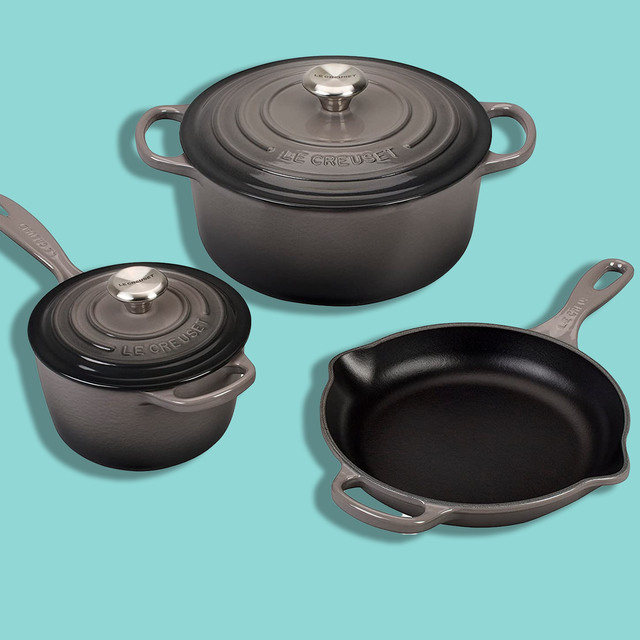
Credit: www.goodhousekeeping.com
Cooking Styles And Material Suitability
Choosing the best cookware material depends greatly on the type of cooking you do every day. Different cooking styles require different heat control and durability levels. Knowing which material suits each style helps improve cooking results and saves time. This guide breaks down common cooking methods and the ideal cookware materials for each.
Searing And Browning
Searing and browning need high, consistent heat to create a tasty crust on meat and vegetables. Cast iron and stainless steel are excellent choices for these tasks.
- Cast iron holds heat well and distributes it evenly, perfect for searing steaks or browning chicken.
- Stainless steel heats quickly and offers a non-reactive surface, ideal for achieving a crisp texture.
Non-stick pans are less suited for searing because they can’t handle very high heat without damage. Copper cookware heats fast but requires careful temperature control to avoid burning.
| Material | Heat Retention | Best For |
|---|---|---|
| Cast Iron | Excellent | Searing, Browning |
| Stainless Steel | Good | Searing, Browning |
| Non-stick | Moderate | Light Cooking |
Simmering And Slow Cooking
Simmering and slow cooking need gentle, even heat for long periods. Materials that hold heat well and distribute it slowly are best.
- Ceramic and enameled cast iron are excellent for slow cooking soups and stews.
- Heavy-bottomed stainless steel pots work well for simmering sauces without burning.
These materials prevent hotspots and keep flavors balanced. Avoid thin pans, which can cause food to stick or burn during long cooking.
| Material | Heat Distribution | Best For |
|---|---|---|
| Enameled Cast Iron | Excellent | Slow Cooking, Simmering |
| Ceramic | Good | Simmering, Slow Cooking |
| Stainless Steel | Moderate | Simmering |
Baking And Roasting
Baking and roasting need cookware that withstands oven heat and promotes even cooking. Materials must resist warping and distribute heat evenly.
- Aluminum and stainless steel pans are popular for roasting vegetables and baking pastries.
- Ceramic dishes provide even heat and are great for casseroles and baked desserts.
- Cast iron skillets are good for oven-to-table meals, holding heat well.
Materials that absorb heat slowly can cause uneven cooking. Avoid thin, cheap pans that warp easily in the oven.
| Material | Oven Safety | Best For |
|---|---|---|
| Aluminum | Safe | Baking, Roasting |
| Ceramic | Safe | Baking, Roasting |
| Cast Iron | Safe | Roasting, Baking |
Stir-frying And Sautéing
Stir-frying and sautéing require quick, high heat and easy food release. Materials should heat fast and distribute heat evenly.
- Carbon steel pans heat quickly and develop a natural non-stick surface over time.
- Non-stick pans allow easy cooking with less oil, ideal for sautéing vegetables.
- Stainless steel is good for browning but needs oil to prevent sticking.
Heavy pans may slow down heat changes and make stirring difficult. Lightweight materials improve control and speed.
| Material | Heat Response | Best For |
|---|---|---|
| Carbon Steel | Fast | Stir-Frying, Sautéing |
| Non-stick | Moderate | Sautéing |
| Stainless Steel | Moderate | Sautéing |
Maintenance Tips For Longevity
Choosing the best cookware material for everyday use is only part of the journey. Proper maintenance extends the life of your pots and pans, keeping them safe and efficient. Simple habits can prevent damage, save money, and keep your kitchen tools performing well for years.
Cleaning Techniques
Cleaning cookware correctly is key to its longevity. Different materials need different care to avoid scratches, rust, or warping.
- Non-stick pans: Use a soft sponge and mild dish soap. Avoid abrasive scrubbers that can ruin the coating.
- Cast iron: Clean with hot water and a brush. Do not use soap often, as it removes seasoning.
- Stainless steel: Use warm soapy water and a sponge. For stuck food, soak before scrubbing gently.
- Copper: Clean with a special copper cleaner or a paste of lemon juice and salt to keep shine.
Here is a quick reference table for cleaning methods:
| Cookware Type | Cleaning Method | Notes |
|---|---|---|
| Non-stick | Soft sponge, mild soap | No abrasive tools |
| Cast iron | Hot water, brush | Limit soap use |
| Stainless steel | Warm soapy water, soak if needed | Use gentle scrubber |
| Copper | Copper cleaner or lemon-salt paste | Polish regularly |
Always dry cookware immediately after washing. This prevents water spots and rust. Hand washing is better than dishwashers for most materials.
Seasoning And Care
Seasoning strengthens cookware surfaces and improves cooking quality. It creates a natural non-stick layer, especially for cast iron and carbon steel.
To season cookware:
- Clean the pan thoroughly and dry it well.
- Rub a thin layer of cooking oil over the entire surface.
- Heat the pan on medium heat for 10-15 minutes or place in a hot oven at 350°F (175°C) for an hour.
- Let it cool and wipe away excess oil.
Repeat seasoning if the pan shows signs of sticking or rust. Avoid cooking acidic foods often on seasoned pans as they can wear down the coating.
For non-stick pans, avoid high heat and metal utensils to protect the surface. Stainless steel needs occasional polishing to remove stains and keep shine.
Storage Advice
Proper storage prevents damage and keeps cookware ready to use. Stacking pans can cause scratches and dents.
- Use pan protectors or soft cloths between stacked items.
- Hang pans with sturdy hooks to save space and avoid scratches.
- Store lids separately or upside down on pots to prevent warping.
- Keep cookware in a dry place to avoid rust and moisture buildup.
Organize your kitchen to give each piece enough space. Avoid overcrowding shelves or cabinets. This simple step helps maintain the shape and coating.
Check cookware regularly for wear and clean before storing. This prevents food residue buildup and unpleasant odors.
Budget-friendly Options
Choosing the best cookware material for everyday use does not mean spending a lot of money. Budget-friendly options offer durability and good cooking performance without breaking the bank. These options suit beginners, small families, or anyone who wants reliable cookware on a budget. Understanding affordable sets and single-piece investments can help pick the right cookware that lasts and cooks well.
Affordable Sets
Affordable cookware sets provide a variety of pots and pans at a lower price. These sets often include essentials like frying pans, saucepans, and stockpots. Buying a set saves money compared to purchasing items one by one. Many budget sets use materials like aluminum, stainless steel, or non-stick coatings. These materials heat evenly and are easy to clean.
Benefits of affordable sets:
- Cost-effective: Save more by buying multiple pieces together.
- Variety: Covers most cooking needs in one purchase.
- Space-saving: Sets are designed to nest or stack efficiently.
- Good for beginners: Provides all basics for daily cooking.
| Material | Advantages | Common Use |
|---|---|---|
| Aluminum | Lightweight, good heat conduction | Frying pans, saucepans |
| Stainless Steel | Durable, resistant to rust | Stockpots, saucepans |
| Non-stick | Easy food release, simple cleaning | Skillets, frying pans |
Affordable sets balance price and quality. The materials used make cooking easier and cleanup faster. These sets work well for everyday meals and simple recipes.
Single-piece Investments
Sometimes, buying a single high-quality piece makes more sense than a full set. A well-made pot or pan can last many years and improve cooking results. Single-piece investments focus on durability and performance rather than quantity.
Common single-piece options include:
- Cast iron skillet: Excellent heat retention and natural non-stick when seasoned.
- Stainless steel sauté pan: Great for searing and browning food.
- Non-stick frying pan: Ideal for low-fat cooking and easy cleanup.
Advantages of single-piece investments:
- Higher material quality for better heat distribution.
- Longer lifespan with proper care.
- Focus on specific cooking needs or techniques.
- Can complement existing cookware without replacing all pieces.
Many single-piece items come with warranties, showing manufacturer confidence in durability. Choosing one or two key pieces allows gradual expansion of the cookware collection. This approach works well for those who want to build quality over time without spending too much upfront.
Choosing Cookware Based On Lifestyle
Choosing cookware based on lifestyle helps you cook better and enjoy your kitchen time. Different people have different needs, so the right cookware depends on your daily routine, cooking habits, and preferences. Picking the best cookware material can save time, improve meal quality, and last longer. This guide breaks down the best cookware choices for busy families, solo cooks, and gourmet enthusiasts.
For Busy Families
Busy families need cookware that is durable, easy to clean, and cooks food quickly. Time is limited, so materials that heat evenly and require less care are ideal. Non-stick cookware and stainless steel sets often fit these needs perfectly.
Key features for busy family cookware:
- Quick and even heating to reduce cooking time
- Easy cleanup to save time after meals
- Durability to handle frequent use
- Safe materials for everyday health
Here is a simple comparison table for popular cookware materials suited for busy families:
| Material | Pros | Cons | Care |
|---|---|---|---|
| Non-stick | Easy to clean, cooks quickly, less oil needed | Can scratch easily, shorter lifespan | Hand wash recommended |
| Stainless Steel | Durable, heats evenly, dishwasher safe | Needs oil to prevent sticking | Dishwasher safe, but hand wash extends life |
| Hard-Anodized Aluminum | Strong, non-stick surface, heats quickly | Heavier than others | Hand wash preferred |
For busy families, choose cookware sets with lids and multiple sizes. This helps prepare meals for different family members without using many pots. Look for pieces that stack easily to save storage space.
For Solo Cooks
Solo cooks need cookware that fits smaller portions and takes less space. Lightweight and easy-to-handle pots and pans work best. Efficiency matters, so cooking fast meals with less cleanup is a plus.
Important cookware traits for solo cooks:
- Small to medium size pans to avoid waste
- Non-stick or ceramic for easy cooking and cleaning
- Lightweight for easy handling
- Versatile pieces for different cooking styles
Consider this simple list of cookware materials good for solo cooking:
- Ceramic: Non-stick, healthy, easy to clean.
- Non-stick: Requires less oil and quick cleanup.
- Cast Iron (small skillet): Durable, good for searing and frying.
Many solo cooks prefer a 1 or 2-quart saucepan and an 8-inch skillet. These sizes suit small meals and help reduce food waste. Cookware with dishwasher-safe features saves time. Stackable sets or nesting designs help keep kitchens neat and organized.
For Gourmet Enthusiasts
Gourmet cooks want cookware that offers precision, durability, and style. Materials that provide excellent heat control and long-lasting performance matter most. Copper, stainless steel with aluminum cores, and cast iron are popular choices.
Must-have features for gourmet cookware:
- Precise temperature control for delicate dishes
- High heat tolerance for searing and sautéing
- Durability to last years with proper care
- Attractive design for kitchen display
Here is a quick overview of premium cookware materials for gourmet cooks:
| Material | Advantages | Care Tips |
|---|---|---|
| Copper | Excellent heat control, fast heating, elegant look | Polish often, hand wash only |
| Stainless Steel with Aluminum Core | Even heat, non-reactive, durable | Hand wash recommended |
| Cast Iron | Superior heat retention, perfect for searing | Season regularly, avoid soaking |
Gourmet cooks enjoy mixing materials. For example, a copper pan for sauce making and a cast iron skillet for steaks work well together. Invest in high-quality lids and handles for safety and convenience. This cookware suits those who spend time perfecting recipes and want precise results.

Credit: fromourplace.com
Frequently Asked Questions
What Is The Best Cookware Material For Everyday Use?
Stainless steel is ideal for everyday use due to its durability and non-reactive nature. It heats evenly and resists rust and stains, making it perfect for daily cooking tasks. It also works well with all cooktops and is easy to clean.
Is Non-stick Cookware Good For Daily Cooking?
Non-stick cookware is great for low-fat cooking and easy cleanup. However, it may scratch easily and degrade over time. For everyday use, choose high-quality non-stick pans with durable coatings to ensure safety and longevity.
How Does Cast Iron Compare To Other Cookware Materials?
Cast iron offers excellent heat retention and even cooking. It’s durable and naturally non-stick when seasoned properly. Though heavy, it’s perfect for searing, frying, and slow cooking, making it a popular choice for everyday cooking enthusiasts.
Can Copper Cookware Be Used Daily?
Copper cookware provides superior heat conductivity and precise temperature control. However, it requires regular polishing and maintenance. It’s often lined with stainless steel to prevent reactions with food, making it suitable for those willing to invest time in upkeep.
Conclusion
Choosing the right cookware makes cooking easier and more fun. Think about what you cook most often and how much care you want to give your pans. Materials like stainless steel, cast iron, and non-stick each have their own benefits.
Pick one that fits your kitchen style and budget. Good cookware lasts a long time and helps you make tasty meals every day. Start with the best option for you, and enjoy cooking more!

Hello, This is Annie Walker, a 38-year-old blogger, founder, and editor of Cookware Guider from NY, USA. I am a cookware fanatic and passionate cooker. I love to cook with different types of cooking appliances (example: all types of cookware, rice cookers, slow cookers, etc) almost every day in my kitchen. I love to share my experience with my readers in my blog. Also, I enjoy helping people to solve their problems through my website. You can follow me on Twitter & Pinterest. To know details about my blog please check the about us page.