
Are you tired of stubborn stains and greasy spots ruining the look of your cooktop stove? Keeping your stove clean isn’t just about appearance—it helps it work better and last longer.
But finding the best way to clean your cooktop can feel overwhelming with so many tips out there. What if you could discover a simple, effective method that saves you time and effort? You’ll learn exactly how to make your stove sparkle again, using easy steps you can trust.
Ready to transform your cooking space? Let’s dive in!
Credit: www.youtube.com
Choosing The Right Cleaner
Choosing the right cleaner is key to keeping your cooktop stove spotless and safe. Different cleaners suit different stove types and stains. Picking the best cleaner helps avoid damage and makes cleaning easier.
Natural Vs Chemical Options
Natural cleaners use ingredients from your kitchen. They are gentle and safe for most surfaces. Vinegar, baking soda, and lemon are common natural cleaners. They work well on light stains and grease.
Chemical cleaners are stronger and remove tough grime fast. They may contain harsh ingredients that can harm some cooktop surfaces. Use them carefully and follow the instructions. Always check if your stove can handle chemical cleaners.
Homemade Cleaning Solutions
Making your own cleaner saves money and avoids harsh chemicals. Mix baking soda with water for a gentle scrub. Vinegar and water spray helps dissolve grease. Lemon juice adds a fresh scent and cuts grease well.
Homemade solutions are easy to prepare and use. They are safe for most cooktops and the environment. Test any new solution on a small area first. This prevents damage and ensures good results.
Preparing The Cooktop
Preparing the cooktop is the first step to a clean stove. It makes cleaning easier and more effective. Taking time to prep prevents damage and saves effort later.
Start by clearing everything off the cooktop surface. This creates a safe and open area for cleaning.
Removing Burner Grates And Knobs
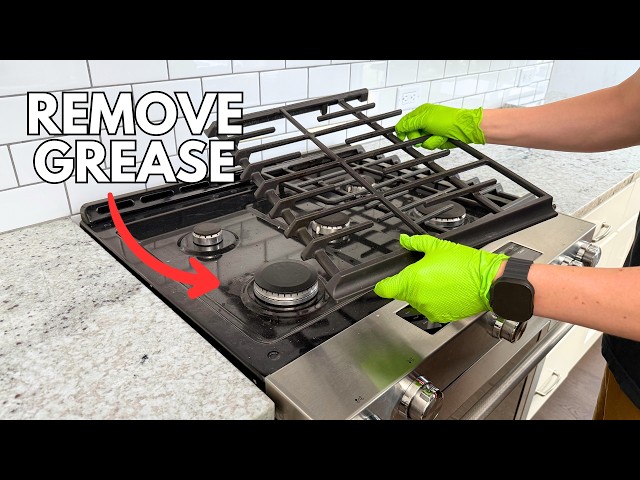
Take off the burner grates carefully. They often collect grease and food crumbs. Removing them allows you to clean both the grates and the cooktop surface underneath.
Next, pull off the stove knobs. They can also trap dirt and grease. Clean knobs separately to avoid water damage to the stove controls.
Wiping Loose Debris
Use a dry cloth or paper towel to wipe loose crumbs and dust. This step clears the surface and stops dirt from spreading when you use liquid cleaners.
Removing loose debris first makes deep cleaning faster and more thorough.
Cleaning Different Cooktop Types
Different cooktop types need different cleaning methods. Each type has its own materials and parts. Using the right cleaning tips keeps your stove safe and shiny. This section explains how to clean gas, electric coil, and glass or ceramic cooktops well.
Gas Stove Tips
Remove grates and burner caps before cleaning. Soak them in warm, soapy water for 15 minutes. Use a soft brush to scrub off food bits. Wipe the stove surface with a damp cloth. Avoid harsh chemicals that can damage the metal. Dry all parts before putting them back.
Electric Coil Stove Tips
Lift the coils gently to clean underneath. Use a damp cloth with mild soap on the drip pans. Remove tough stains with a paste of baking soda and water. Avoid soaking the coils in water to prevent damage. Clean coils only when they are cool.
Glass And Ceramic Stove Tips
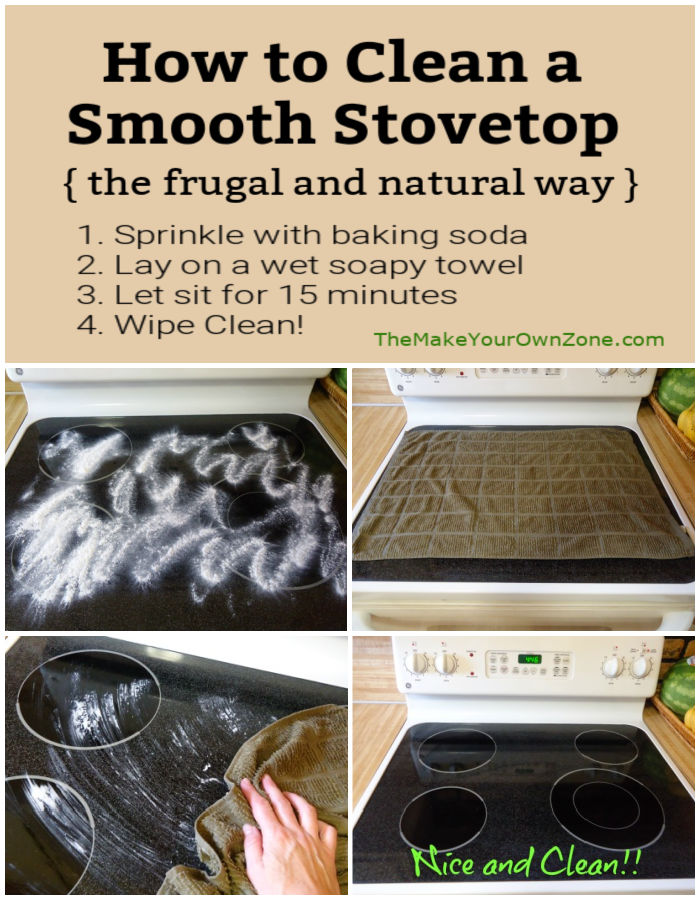
Use a soft cloth or sponge with warm soapy water. Avoid abrasive scrubbers that can scratch the surface. For stubborn stains, apply a special glass stove cleaner. Scrape off burnt food carefully with a plastic scraper. Dry the surface completely to avoid streaks.
Credit: www.themakeyourownzone.com
Tackling Tough Stains
Tough stains on a cooktop stove can be hard to remove. They build up over time from spills and splashes. Cleaning these stains quickly keeps your stove looking fresh. It also helps the stove work better and last longer.
Different stains need different cleaning methods. Some require scrubbing, while others need special cleaners. Below are simple ways to tackle common tough stains on your cooktop.
Grease And Burnt-on Food
Grease and burnt food leave sticky, hard stains. Use warm, soapy water and a soft cloth first. Let it soak for a few minutes to loosen the grime. For tougher spots, apply a paste of baking soda and water. Gently scrub with a non-abrasive sponge. Avoid harsh scrubbing to prevent scratches. Wipe clean with a damp cloth. Repeat if needed until the stain fades.
Water Spots And Residue
Water spots often appear after cooking or cleaning. Vinegar helps break down these mineral deposits. Spray vinegar on the spots and let it sit for five minutes. Wipe with a soft cloth in a circular motion. Dry the surface well to prevent new spots. For stubborn residue, use a mix of vinegar and baking soda. This combo lifts the residue without damaging the cooktop.
Maintaining A Sparkling Cooktop
A clean cooktop makes cooking safer and more enjoyable. Dirt and spills can build up quickly. This can cause stains and damage. Keeping your cooktop sparkling is easy with simple habits. Regular care helps avoid tough cleaning later. It also keeps your kitchen looking neat and fresh.
Daily Quick Cleaning Habits
Wipe your cooktop after each use. Use a soft cloth or sponge with warm water. This removes fresh spills and grease. Avoid harsh scrubbing to protect the surface. For sticky spots, a mild dish soap works well. Dry the surface with a clean towel. This prevents streaks and water marks. Quick cleaning keeps dirt from hardening. It saves time and effort in the long run.
Deep Cleaning Frequency
Deep clean your cooktop once a week. Use a cleaner made for your cooktop type. For glass tops, use a special glass cleaner. For gas stoves, clean burner parts carefully. Remove grates and soak them in warm, soapy water. Scrub gently with a soft brush. Rinse and dry completely before putting back. Deep cleaning removes stubborn stains and buildup. It keeps your cooktop functioning well and looking new.

Credit: www.youtube.com
Tools That Make Cleaning Easier
Cleaning a cooktop stove can be quick and easy with the right tools. Good tools save time and effort. They help remove grease and stains without scratching the surface. Choosing the right cleaning items makes the job less tiring. Here are some tools that make cleaning easier and more effective.
Scrubbers And Sponges
Scrubbers and sponges are basic tools for stove cleaning. Soft sponges work well on glass and ceramic surfaces. They wipe away spills without causing damage. For tougher stains, use a scrubber with a gentle abrasive side. Avoid harsh scrubbing pads that can scratch the cooktop. Microfiber cloths also help in wiping down and polishing. Keep these tools handy for daily cleaning tasks.
Specialized Cooktop Cleaning Tools
Specialized tools target stubborn grime and burnt food. A scraper with a plastic or metal blade lifts stuck particles. Use it carefully to avoid scratching. Some brands make cooktop-specific scrapers that fit the surface perfectly. Steam cleaners can loosen dirt without chemicals. Also, cleaning brushes with soft bristles reach tight spots around burners. These tools make deep cleaning easier and protect your cooktop.
Frequently Asked Questions
How Do I Clean A Glass Cooktop Stove Effectively?
Use a soft cloth, warm soapy water, and a non-abrasive cleaner. Avoid harsh scrubbing to prevent scratches. For tough stains, apply a baking soda paste and wipe gently. Always dry the surface to avoid streaks.
What Household Items Clean A Cooktop Stove Safely?
Vinegar, baking soda, and mild dish soap are safe for cleaning cooktops. They remove grease and grime without damaging the surface. Avoid bleach or abrasive powders to keep the stove in good condition.
How Often Should I Clean My Cooktop Stove?
Clean your cooktop after every use to prevent buildup. A quick wipe removes spills and crumbs. Deep clean weekly to maintain shine and hygiene. Regular cleaning prolongs your stove’s lifespan and keeps it efficient.
Can I Use A Razor Blade To Clean My Cooktop?
Yes, but only on glass cooktops and carefully at a 45-degree angle. Use it to remove burnt-on residue without scratching. Always follow with a soft cloth and cleaner to finish cleaning safely.
Conclusion
Cleaning your cooktop stove does not have to be hard. Use gentle cleaners and soft cloths for best results. Regular cleaning keeps your stove looking new and working well. Avoid harsh chemicals that can damage the surface. Small daily efforts save time and effort later.
A clean cooktop also helps your kitchen stay healthy and fresh. Keep these simple tips in mind to enjoy a spotless cooking space every day. Clean stove, happy cooking!

Hello, This is Annie Walker, a 38-year-old blogger, founder, and editor of Cookware Guider from NY, USA. I am a cookware fanatic and passionate cooker. I love to cook with different types of cooking appliances (example: all types of cookware, rice cookers, slow cookers, etc) almost every day in my kitchen. I love to share my experience with my readers in my blog. Also, I enjoy helping people to solve their problems through my website. You can follow me on Twitter & Pinterest. To know details about my blog please check the about us page.