
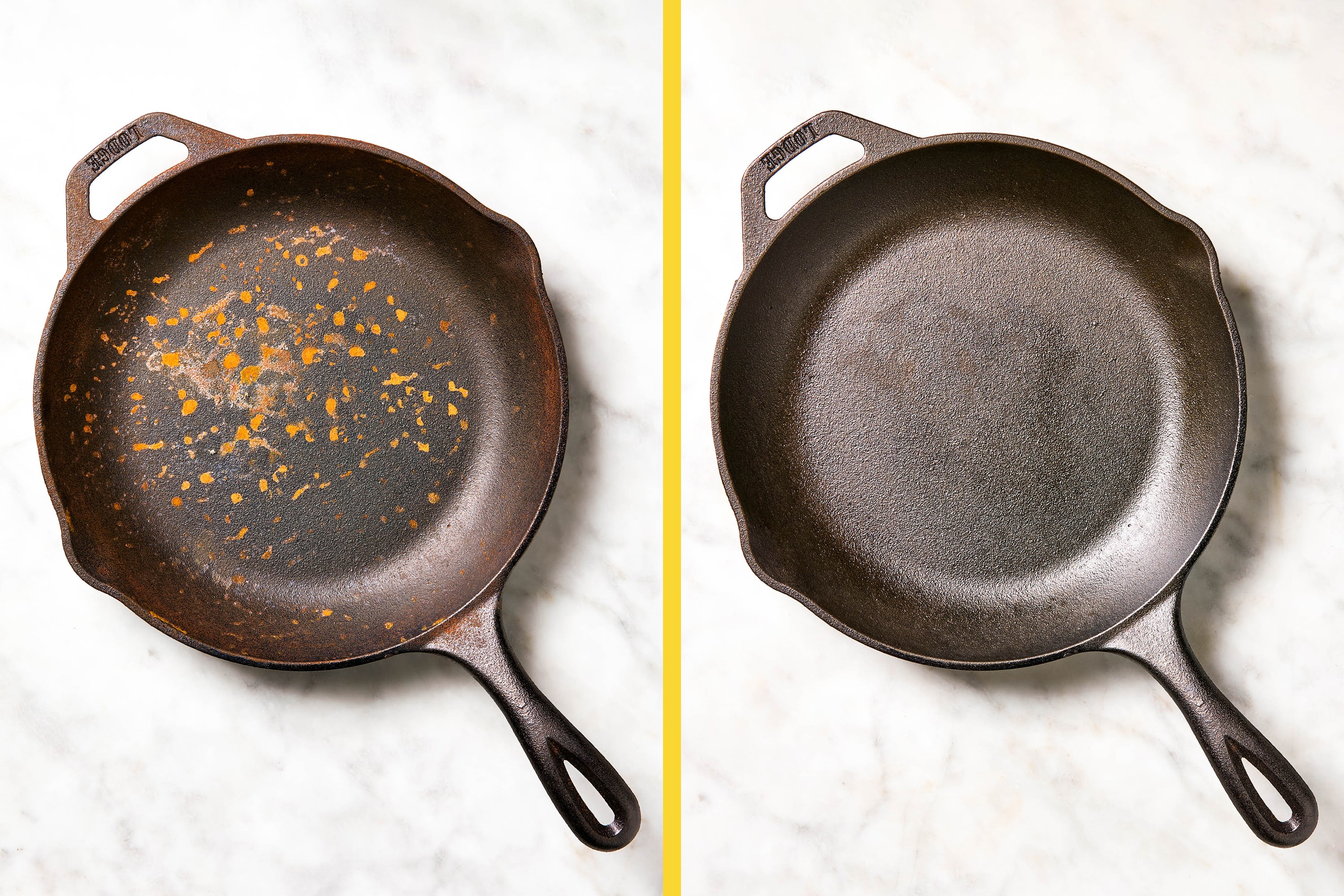
Rust on your cast iron cookware can feel like a big problem. It not only looks bad but can also ruin the cooking surface you rely on.
If you want to bring your favorite pan back to life quickly and safely, you need the best way to remove rust without causing more damage. You’ll discover simple, effective methods that anyone can use at home. Keep reading to learn how to restore your cast iron so it’s ready for your next meal!

Credit: www.youtube.com
Causes Of Rust On Cast Iron
Cast iron cookware is valued for its durability and excellent heat retention. Yet, rust can form on its surface, damaging the cookware and affecting food taste. Understanding the causes of rust on cast iron helps prevent damage and keeps your pans in top shape. Rust occurs when iron reacts with oxygen and moisture, leading to corrosion. Several everyday habits and conditions contribute to this process.
Exposure To Moisture
Moisture is the main cause of rust on cast iron cookware. Cast iron is prone to oxidation, which happens when water stays on the surface for too long. This can occur in various ways:
- Leaving the pan wet after washing
- Cooking acidic or watery foods without proper seasoning
- Using the cookware outdoors in humid or rainy weather
Water reacts with iron and oxygen to form iron oxide, or rust. Even small amounts of moisture can start the rusting process quickly.
Key points about moisture exposure:
| Source of Moisture | Effect on Cast Iron |
|---|---|
| Wet surface after washing | Rust spots develop in minutes or hours |
| Cooking watery or acidic foods | Breaks down seasoning, exposing iron |
| High humidity environments | Continuous moisture contact leads to rust |
Drying the pan immediately and applying a thin oil layer after use stops moisture from causing rust.
Improper Cleaning
Cleaning cast iron incorrectly often causes rust. Harsh soaps, scrubbing pads, and soaking in water remove the protective seasoning layer. This exposes bare iron to air and moisture, triggering rust.
Common cleaning mistakes include:
- Using dish soap that strips oil from the pan
- Scrubbing with steel wool or metal brushes
- Soaking the pan in water for long periods
- Not drying the pan thoroughly after washing
These actions weaken the pan’s natural defense against rust. Proper cleaning involves:
- Wiping with a paper towel or soft cloth
- Using a mild scrub brush or non-metal sponge
- Rinsing with warm water only, avoiding soap if possible
- Drying immediately and applying a thin coat of oil
Cleaning tips to prevent rust:
Clean with warm water
Avoid soap or harsh scrubbers
Dry immediately
Oil lightly after cleaning
Storage Conditions
Storing cast iron in damp or enclosed spaces causes rust. Moist air inside cabinets or plastic covers traps humidity around the pan. This creates a perfect environment for oxidation.
Bad storage habits include:
- Placing pans in sinks or wet countertops
- Stacking pans without separation, trapping moisture
- Keeping cast iron in plastic bags or airtight containers
- Storing in basements or garages with high humidity
Ideal storage involves:
- Keeping pans dry and aired
- Using a paper towel between stacked pans
- Storing in a cool, dry cabinet
- Occasionally warming the pan to evaporate moisture
Storage checklist:
| Storage Practice | Recommended Action |
|---|---|
| Stacking pans | Place paper towels between pans |
| Humidity control | Store in dry, ventilated areas |
| Covering pans | Avoid plastic bags; use breathable covers |
Good storage keeps cast iron rust-free and ready to use.
Credit: www.thekitchn.com
Tools And Materials Needed
Removing rust from cast iron cookware requires the right tools and materials. Using proper items helps restore your pan’s surface quickly and safely. Having everything ready before you start makes the process smoother. Below are the essential tools and materials needed for effective rust removal.
Abrasive Pads And Brushes
Abrasive pads and brushes are vital for scrubbing rust off cast iron. They help remove rust without damaging the metal underneath. Choosing the right abrasives is important to avoid scratching or harming the cookware surface.
Common abrasive tools include:
- Steel wool: Fine or medium grade works well for tough rust spots.
- Sanding sponges: Flexible and gentle on surfaces, ideal for light rust.
- Wire brushes: Handheld or drill attachments for heavy rust removal.
- Scouring pads: Non-metallic types prevent deep scratches.
Here is a quick comparison of abrasive tools:
| Tool | Best For | Surface Impact |
|---|---|---|
| Steel Wool | Moderate to heavy rust | May scratch if used harshly |
| Sanding Sponge | Light rust, smooth finish | Gentle, minimal damage |
| Wire Brush | Heavy rust, large areas | Could be harsh if not careful |
| Scouring Pad | Light rust, daily cleaning | Very gentle |
Use circular motions while scrubbing to lift rust evenly. Rinse the pan often to check progress and avoid over-scrubbing.
Cleaning Agents
Cleaning agents break down rust and grease on cast iron. They prepare the surface for seasoning after rust removal. Choose safe and effective agents to protect the cookware.
Popular cleaning agents include:
- White vinegar: Acidic and dissolves rust quickly.
- Baking soda: Mild abrasive that neutralizes odors.
- Lemon juice: Natural acid for light rust removal.
- Dish soap: Removes grease and dirt before and after rust removal.
Here is a simple guide for using these agents:
- Soak the rusty pan in a mix of vinegar and water (1:1) for 1-2 hours.
- Scrub rust spots with baking soda paste (baking soda + water).
- Use lemon juice on stubborn areas, let it sit for 15 minutes.
- Wash thoroughly with dish soap and warm water.
Always rinse the cookware well after cleaning to remove any residue. Dry immediately to stop new rust from forming.
Protective Gear
Using protective gear keeps you safe during rust removal. Some cleaning agents and tools can irritate skin or eyes. Wearing the right gear prevents accidents and discomfort.
Essential protective gear includes:
- Rubber gloves: Protect hands from acids and scrubbing abrasion.
- Safety goggles: Shield eyes from splashes and rust particles.
- Apron or old clothes: Prevent stains from cleaning agents.
- Face mask: Blocks dust and rust particles from inhalation.
Follow these safety tips:
- Wear gloves before handling vinegar or baking soda mixtures.
- Use goggles when scrubbing with steel wool or wire brushes.
- Work in a well-ventilated area to avoid fumes.
- Keep protective gear clean and store properly after use.
Protective gear helps you focus on the task without worrying about injuries or irritation.
Step-by-step Rust Removal
Removing rust from cast iron cookware is essential to keep it safe and effective for cooking. Rust can damage the surface and affect food flavor. The step-by-step rust removal process restores your cast iron to its original condition. This guide breaks down the task into simple steps anyone can follow. Each step ensures thorough cleaning without harming the cookware.
Scrubbing Off Loose Rust
The first step is to remove loose rust particles. This prepares the surface for deeper cleaning and prevents scratching during further treatment. Use a stiff brush or steel wool to scrub the rusty areas.
- Start by rinsing the cookware with warm water to soften the rust.
- Wear gloves to protect your hands from sharp rust flakes.
- Use a wire brush or coarse steel wool to scrub the surface firmly.
- Work in circular motions covering all rusty spots.
- Rinse the pan occasionally to check progress.
If rust remains stubborn, repeat the scrubbing until most loose rust disappears. Avoid using metal tools that are too harsh, which may damage the cast iron surface.
| Tools | Purpose | Tips |
|---|---|---|
| Wire Brush | Remove loose rust | Use firm pressure, avoid deep scratches |
| Steel Wool (Coarse) | Scrub rust spots | Wear gloves for hand safety |
| Warm Water | Soften rust | Rinse regularly during scrubbing |
Applying Rust Removers
After scrubbing, apply a rust remover to tackle the remaining rust. Choose products that are safe for cast iron or natural alternatives.
Common rust removers include:
- White vinegar: Soak the pan in a 50/50 vinegar and water mix for 1-2 hours.
- Baking soda paste: Mix baking soda with water and apply it on rusty spots.
- Commercial rust removers: Follow the product instructions carefully.
Soaking time depends on rust severity. Avoid leaving the cookware in vinegar too long, as it can damage cast iron.
After application, use a scrub brush or sponge to remove softened rust. Rinse thoroughly to clear all remover residues.
| Rust Remover | Method | Safety Tips |
|---|---|---|
| White Vinegar | Soak 1-2 hours, scrub | Do not soak more than 2 hours |
| Baking Soda Paste | Apply paste, scrub after 30 mins | Gentle on cast iron |
| Commercial Remover | Follow label instructions | Use gloves and ventilate area |
Rinsing And Drying
Proper rinsing and drying stop rust from returning. After removing rust, wash the cookware with warm water and mild soap. Use a soft sponge to clean all surfaces.
Rinse well to remove all cleaning agents. Soap residue can damage seasoning if left behind.
Dry the cast iron immediately and completely. Use a clean towel and then heat the pan on the stove for a few minutes to evaporate moisture.
Tips for drying:
- Pat dry with a towel right after washing.
- Heat on low flame for 5-10 minutes until fully dry.
- Apply a thin layer of cooking oil to protect the surface.
This final step preserves the pan’s seasoning and prevents new rust from forming. Store cast iron cookware in a dry place.
Restoring The Seasoning
Restoring the seasoning on cast iron cookware is essential after removing rust. The seasoning creates a natural, non-stick surface that protects the pan from moisture and further rusting. Properly restoring the seasoning improves cooking performance and extends the life of the cookware. It involves cleaning the pan thoroughly, applying an oil coating, and baking it to form a hard, protective layer.
Cleaning Before Seasoning
Cleaning the cast iron is the first crucial step before restoring the seasoning. It removes any remaining rust particles, old seasoning flakes, and dirt. A clean surface helps the new seasoning stick well.
Follow these steps for effective cleaning:
- Scrub the pan with a stiff brush or steel wool under warm water.
- Use mild soap if needed to remove grease and rust bits.
- Rinse thoroughly to remove all soap and rust debris.
- Dry the pan completely with a towel or by heating it on the stove.
Tip: Avoid soaking the pan for a long time. Prolonged water exposure can cause more rust.
| Cleaning Tool | Purpose |
|---|---|
| Steel wool or wire brush | Remove rust and old seasoning |
| Mild dish soap | Clean grease and residue |
| Warm water | Rinse and soften rust |
Once clean and dry, the cast iron surface is ready for the oil application step.
Applying Oil Coating
Applying a thin oil coating is key to restoring the seasoning. The oil bonds with the cast iron surface when heated, creating a protective layer. Choose oils with a high smoke point for best results.
Common oils used for seasoning include:
- Vegetable oil
- Flaxseed oil
- Canola oil
- Grapeseed oil
Application steps:
- Pour a small amount of oil onto the pan’s surface.
- Use a cloth or paper towel to spread the oil evenly.
- Coat the entire surface, including the handle and outside.
- Wipe off excess oil to avoid sticky residue.
Important: A thin, even layer prevents uneven seasoning and sticky spots.
Baking Process
Baking the oiled cast iron is the final step to restore seasoning. Heat transforms the oil into a hard, durable coating that protects the pan. This process is called polymerization.
Follow these baking guidelines:
- Preheat the oven to 450-500°F (230-260°C).
- Place the pan upside down on the middle rack.
- Put a sheet of aluminum foil on the lower rack to catch drips.
- Bake the pan for 1 hour.
- Turn off the oven and let the pan cool inside.
Why upside down? This stops oil from pooling and ensures an even coat.
Repeat the oiling and baking cycle 2-3 times for a strong seasoning layer. This makes the cookware more resistant to rust and improves its non-stick quality.
Preventing Future Rust
Preventing rust on cast iron cookware keeps your pans durable and safe for cooking. Rust forms when moisture and air meet the iron surface. Stopping rust requires good care after cleaning and proper storage. Follow simple steps to protect your cookware and enjoy it for years.
Proper Cleaning Techniques
Cleaning cast iron correctly stops rust from forming. Avoid harsh soaps or dishwashers that strip seasoning. Use warm water and a soft brush or sponge to clean your pan right after use. For stuck-on food, scrub with coarse salt and a little water. This acts like a natural scrub without harming the surface.
- Do not soak cast iron in water for a long time.
- Rinse quickly with warm water after cooking.
- Use mild scrubbing tools like plastic or wooden spatulas.
- Avoid soap unless necessary; mild soap is okay sometimes.
Here is a quick cleaning guide:
| Step | Action |
|---|---|
| 1 | Wipe out excess food with paper towel |
| 2 | Rinse pan under warm water |
| 3 | Scrub with coarse salt if needed |
| 4 | Rinse and dry immediately |
Following these steps helps keep the seasoning layer strong, which prevents rust.
Drying And Storage Tips
Water left on cast iron causes rust fast. Dry pans right after washing to avoid moisture. Use a clean towel or heat the pan on low stove heat for a few minutes. Make sure it is completely dry before storing.
Store cast iron in a dry place with good air flow. Avoid stacking pans without protection. Place paper towels or cloth between pans to absorb any moisture. Do not store with the lid tightly closed; allow air circulation to prevent condensation inside.
- Dry thoroughly after every wash.
- Heat on stove briefly to remove hidden moisture.
- Store in a dry, ventilated area.
- Use paper towels between stacked pans.
- Avoid airtight containers for cast iron storage.
This simple care prevents rust and keeps the pan ready to use.
Regular Maintenance
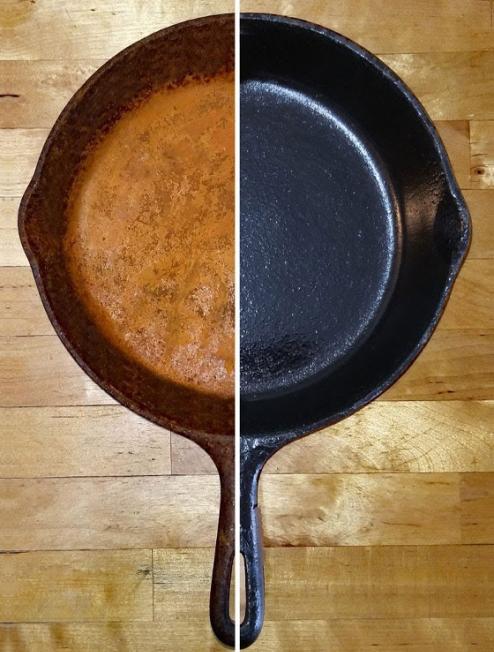
Keep cast iron in good shape with regular maintenance. Re-season your pan often to protect the surface. Lightly coat the pan with cooking oil after each use. Heat it on the stove or in the oven to lock in the oil layer.
Check the pan for rust spots or dull areas. If rust appears, remove it quickly with a scrub brush and re-season. Keep your pan well-oiled and clean to avoid rust buildup.
- Clean and dry the pan after use.
- Apply a thin layer of vegetable oil or flaxseed oil.
- Heat on stove or bake at 350°F (175°C) for 1 hour.
- Let cool and wipe off excess oil.
- Repeat monthly or as needed.
Regular care extends the life of cast iron cookware and keeps it rust-free.
Credit: www.lodgecastiron.com
Frequently Asked Questions
How Do I Remove Rust From Cast Iron Cookware?
To remove rust, scrub the cookware with steel wool or a stiff brush. Use mild soap and water. Dry thoroughly and re-season with oil to restore the protective layer.
Can Vinegar Effectively Clean Rust Off Cast Iron?
Yes, soaking cast iron in a 50/50 vinegar and water solution for up to an hour removes rust. Avoid prolonged soaking to prevent damage.
Is Baking Soda Useful For Rust Removal On Cast Iron?
Baking soda acts as a mild abrasive. Make a paste with water, scrub rust gently, rinse, dry, and re-season the cookware.
How Often Should I Re-season Cast Iron After Rust Removal?
Re-season cast iron immediately after rust removal to protect its surface. Regular seasoning after each use maintains rust resistance and non-stick properties.
Conclusion
Rust on cast iron cookware can ruin your cooking experience. Removing rust is simple with the right steps. Scrubbing with a brush and using vinegar works well. Dry the pan completely to stop rust from coming back. Season the cookware after cleaning to keep it smooth.
Regular care keeps cast iron strong and ready to use. Rust does not stand a chance with proper cleaning. Enjoy your cast iron for many years ahead.

Hello, This is Annie Walker, a 38-year-old blogger, founder, and editor of Cookware Guider from NY, USA. I am a cookware fanatic and passionate cooker. I love to cook with different types of cooking appliances (example: all types of cookware, rice cookers, slow cookers, etc) almost every day in my kitchen. I love to share my experience with my readers in my blog. Also, I enjoy helping people to solve their problems through my website. You can follow me on Twitter & Pinterest. To know details about my blog please check the about us page.