
If you own cast iron cookware, you know how valuable it is in your kitchen. But do you know the best way to store it so it lasts for years?
Storing your cast iron the right way keeps it rust-free, seasoned, and ready to cook whenever you need it. You’ll discover simple tips that protect your cookware and save you time and money. Keep reading to learn how to make your cast iron cookware stay in top shape, meal after meal.

Credit: flawedyetfunctional.com
Season Cast Iron Properly
Properly seasoning cast iron cookware is vital for its long life and excellent cooking performance. Seasoning creates a natural, non-stick surface that protects the pan from rust and damage. It also improves the flavor of your food by preventing sticking and uneven cooking. To keep your cast iron in top shape, follow a clear seasoning process. This involves thorough cleaning, applying oil evenly, and baking the pan correctly.
Cleaning Before Seasoning
Before seasoning, the cast iron must be clean and dry. Any dirt, rust, or old seasoning can stop the oil from bonding properly. Start by washing the pan with warm water and a small amount of mild soap. Use a stiff brush or sponge to remove food particles and rust spots.
- Rinse the pan well to remove all soap residue.
- Dry it completely with a towel or by heating it on the stove for a few minutes.
- If rust remains, scrub gently with steel wool until the surface looks smooth.
It is important to avoid soaking the pan in water for a long time, as this causes rust. After cleaning, the surface should be clean, dry, and free of any debris. This prepares the cast iron to absorb the oil evenly during seasoning.
Applying Oil Evenly
Applying oil evenly is key for a smooth, durable seasoning layer. Use an oil with a high smoke point such as flaxseed, grapeseed, or vegetable oil. Pour a small amount of oil onto the pan’s surface and spread it using a cloth or paper towel.
- Coat the entire surface, including the bottom and handle.
- Remove excess oil by wiping the pan with a clean cloth or paper towel.
- Too much oil causes sticky patches or uneven seasoning.
Here is a simple guide to applying oil:
| Step | Action | Tip |
|---|---|---|
| 1 | Pour a small amount of oil | Use about 1 teaspoon for a 10-inch pan |
| 2 | Spread oil evenly | Cover all parts, inside and out |
| 3 | Wipe off extra oil | Prevent sticky, uneven layers |
Even application helps the oil polymerize well during baking. This creates a smooth, hard surface that lasts longer.
Baking Techniques
Baking the pan after oiling is what bonds the oil to the cast iron. Use an oven to heat the pan above the oil’s smoke point. This process is called polymerization, which forms a strong, protective layer.
- Preheat the oven to 450-500°F (230-260°C).
- Place the pan upside down on the middle rack.
- Put a sheet of aluminum foil or a baking tray on the rack below to catch drips.
- Bake the pan for 1 hour.
- Turn off the oven and let the pan cool inside.
Repeat the seasoning cycle 2-3 times for the best results. Each layer adds to the pan’s durability and non-stick quality. Avoid opening the oven door during baking to keep temperature steady. Proper baking creates a hard, black surface that improves cooking and protects the pan from rust.

Credit: www.amazon.com
Choose The Right Storage Location
Choosing the right storage location for cast iron cookware helps keep it in great shape for years. Proper storage prevents rust, damage, and maintains the seasoning layer. Cast iron is heavy and sensitive to certain conditions, so the place you pick matters a lot. A good spot protects from moisture, heat, and air flow issues. Let’s explore the best ways to store cast iron by focusing on the right storage area.
Avoid Moisture And Humidity
Moisture and humidity are the biggest enemies of cast iron cookware. Water causes rust and damages the seasoning that protects the pan. Storing cast iron in a damp place invites rust quickly.
Keep these tips in mind to avoid moisture problems:
- Choose a dry area. Avoid basements or places with high humidity.
- Use moisture absorbers. Silica gel packets or small charcoal bags can help reduce humidity.
- Dry cookware completely. Always dry cast iron fully before storing.
- Wipe with oil. A light coat of cooking oil after drying keeps moisture out.
| Storage Location | Risk Level (Moisture) | Recommendation |
|---|---|---|
| Basement | High | Not recommended |
| Kitchen cabinet near sink | Medium | Use moisture absorbers |
| Dry pantry or cupboard | Low | Best choice |
Keeping cast iron away from moisture protects it from rust and keeps it cooking-ready.
Use Ventilated Spaces
Good air circulation helps cast iron stay dry and fresh. Storing pans in a closed space with no airflow can trap moisture and cause rust.
Use these ideas for ventilated storage:
- Open shelving: Allows air to move around the cookware.
- Wire racks: Keep cast iron off solid surfaces for better airflow.
- Cabinet with vents: Some cabinets have small vents to improve air movement.
Here’s a quick comparison:
| Storage Type | Ventilation Level | Effect on Cast Iron |
|---|---|---|
| Closed cabinet | Low | Risk of trapped moisture |
| Open shelf | High | Good for drying and freshness |
| Wire rack inside cabinet | Medium | Better airflow than solid shelf |
Ventilation reduces moisture build-up and helps keep the seasoning intact. It also prevents musty smells and corrosion.
Keep Away From Direct Heat
Heat sources can damage cast iron cookware if stored too close. Heat may cause warping or damage the seasoning finish. Avoid placing cast iron near ovens, stoves, or heaters.
Follow these storage rules to avoid heat damage:
- Store cast iron away from hot surfaces. Keep at least a few feet distance.
- Avoid direct sunlight. Sunlight can heat up the pans and degrade seasoning.
- Use protective liners. If stacking near heat, add cloth or paper liners to protect surfaces.
Check this table for safe distances:
| Heat Source | Recommended Distance | Reason |
|---|---|---|
| Oven/stove | At least 3 feet | Prevents heat damage and warping |
| Radiator/heater | 4 feet or more | Protects seasoning layer |
| Direct sunlight | Indirect exposure only | Avoids overheating |
Safe distance keeps your cast iron cookware in top condition and ready for use.
Use Protective Layers
Storing cast iron cookware properly extends its life and keeps it ready for cooking. One of the best ways to protect these heavy pans is by using protective layers. Protective layers stop scratches, prevent rust, and keep your cookware looking new. They create a soft barrier between pans, which is important because cast iron can easily chip or get damaged when stacked or stored incorrectly.
Paper Towels Or Cloth Liners
Using paper towels or cloth liners between cast iron pieces is a simple and effective method. These materials absorb moisture and prevent metal-on-metal contact. This lowers the chance of rust and scratches.
- Place a folded paper towel or soft cloth between each pan or lid.
- Use lint-free cloth to avoid fibers sticking to the cookware.
- Change paper towels regularly to keep moisture away.
Paper towels are inexpensive and easy to replace. Cloth liners work well for long-term storage because they are reusable and washable.
| Material | Advantages | Care Tips |
|---|---|---|
| Paper Towels | Cheap, disposable, absorbent | Replace often to prevent moisture buildup |
| Cloth Liners | Reusable, soft, breathable | Wash regularly and dry completely |
Both options are easy to find and help keep cast iron pans safe during storage. Adding this simple step reduces damage and keeps seasoning intact.
Silicone Mats
Silicone mats offer another great way to protect cast iron cookware. These mats are flexible, non-slip, and heat resistant. They provide a cushioned surface that stops pans from sliding and scratching.
Silicone mats come in various sizes and thicknesses, making them ideal for lining shelves or drawers. They are easy to clean and maintain. Just wipe or wash with soap and water.
- Use silicone mats to separate stacked pans.
- Cut mats to fit shelves or drawer bottoms.
- Choose thick mats for extra protection against impact.
Silicone mats reduce noise and keep cookware stable. They do not absorb moisture, which helps prevent rust formation. This is important because cast iron reacts to humidity and water.
| Feature | Benefit |
|---|---|
| Non-slip surface | Prevents sliding and falling |
| Heat resistant | Can be used near warm cookware safely |
| Easy to clean | Wipes clean, no residue buildup |
Avoiding Scratches And Rust
Cast iron can scratch easily if pans rub against each other. Scratches damage the seasoning layer, making the pan sticky and prone to rust. Protective layers help avoid this damage.
Follow these tips to protect cast iron:
- Always place a soft barrier between stacked pans.
- Dry each pan completely before storing.
- Store cookware in a dry, well-ventilated area.
- Apply a thin coat of oil to the surface before storage.
Oiling creates a water-resistant layer that stops moisture from causing rust. Use food-safe oils like vegetable oil or flaxseed oil.
Keep these points in mind:
- Never stack wet or damp cast iron cookware.
- Do not use abrasive materials for cleaning before storage.
- Inspect pans regularly for any signs of rust or damage.
Using protective layers combined with good care habits makes cast iron last for decades. It keeps pans smooth, rust-free, and ready to cook your favorite meals.
Stacking And Organizing
Proper stacking and organizing of cast iron cookware helps keep your pans safe and ready to use. Cast iron is heavy and can get damaged if stored carelessly. Neat storage extends the life of your cookware and saves space in the kitchen. This section explains smart ways to stack and organize cast iron pans without causing scratches or rust.
Avoid Heavy Stacking
Stacking many cast iron pans on top of each other can cause scratches, dents, and uneven seasoning. The weight of the pans may also make it hard to lift the bottom pieces safely. Avoid piling more than two or three pans together to protect their surface and edges.
- Keep the heaviest and largest pan at the bottom.
- Place lighter pans on top to reduce pressure.
- Do not stack pans with rough or damaged surfaces directly on smooth ones.
Consider this simple guide for stacking:
| Stack Level | Recommended Pan Type | Reason |
|---|---|---|
| Bottom | Largest, heaviest skillets or griddles | Supports weight and base stability |
| Middle | Medium-sized pans or Dutch ovens | Moderate weight, less pressure on bottom |
| Top | Small pans or lids | Lightweight, easy access |
Heavy stacking risks damaging your cast iron’s seasoning layer. It also makes cleaning and drying more difficult. Avoid stacking when pans are still wet to prevent rust formation between layers.
Use Pan Protectors
Pan protectors are thin pads or liners placed between cast iron pans to prevent scratching and chipping. They work like cushions, reducing direct contact between metal surfaces. Use them to keep your cookware in better condition.
- Made of felt, silicone, or fabric materials.
- Reusable and easy to clean.
- Help maintain seasoning by avoiding friction.
Benefits of pan protectors include:
- Preventing scratches and rust spots.
- Allowing safe stacking of multiple pans.
- Extending the life of your cast iron cookware.
Pan protectors come in various sizes and shapes. Choose ones that fit your pans well. Keep them dry and clean to avoid trapping moisture, which can cause rust. Store protectors separately if not in use.
Vertical Storage Options
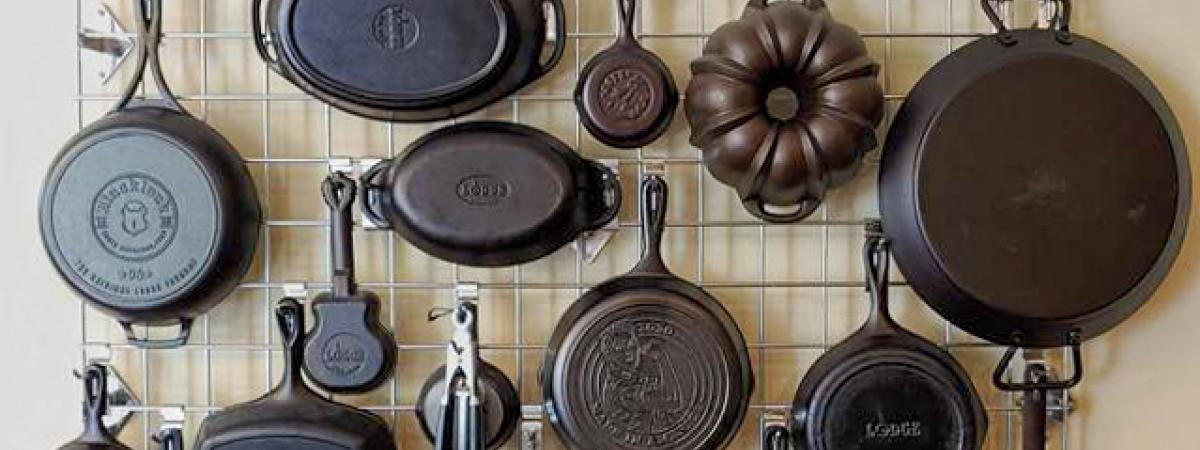
Vertical storage saves space and protects cast iron from heavy stacking damage. Storing pans upright reduces pressure on their surfaces. You can use racks, dividers, or wall-mounted holders to keep pans in a vertical position.
- Use a sturdy metal or wooden rack inside cabinets.
- Place dividers to hold pans separately.
- Wall hooks or pegboards can hold individual pans by their handles.
Advantages of vertical storage:
| Storage Type | Space Use | Protection Level |
|---|---|---|
| Cabinet rack with dividers | Efficient use of cabinet width | High – prevents pan contact |
| Wall hooks or pegboard | Frees up cabinet space | Medium – needs secure hanging |
| Free-standing pan rack | Flexible placement | High – individual pan slots |
Ensure vertical racks are stable and pans do not tip over. Avoid placing pans near moisture sources to prevent rust. Vertical storage makes it easy to access and clean your cast iron cookware regularly.
Regular Maintenance Tips
Regular maintenance keeps cast iron cookware in top shape and extends its life. Proper care prevents rust and maintains the non-stick surface. Small daily actions make a big difference. Following simple steps helps your cast iron stay smooth, clean, and ready for cooking. These tips focus on re-seasoning, cleaning, and rust inspection. Each step protects your cookware and improves cooking results.
Re-seasoning When Needed
Re-seasoning restores the protective layer on cast iron. This layer stops food from sticking and keeps moisture out. It also prevents rust from forming. Cast iron needs re-seasoning if the surface looks dull or sticky. Scratches, rust spots, or food sticking are signs too.
Steps to re-season:
- Clean the pan well with warm water and a brush.
- Dry it completely with a towel or heat on the stove.
- Apply a thin layer of cooking oil (flaxseed, vegetable, or canola oil work well).
- Use a paper towel to spread the oil evenly, removing excess oil.
- Place the pan upside down in an oven preheated to 450°F (230°C).
- Bake for one hour, then turn off the oven and let the pan cool inside.
Repeat re-seasoning every few months or after heavy use. This keeps the surface smooth and shiny. Use this table for quick signs and actions:
| Sign | Action |
|---|---|
| Dull, gray surface | Re-season the pan |
| Sticky or gummy texture | Clean and re-season |
| Rust spots | Remove rust, then re-season |
Cleaning After Use
Cleaning cast iron right after cooking prevents damage. Avoid soap or harsh detergents. They remove the seasoning layer. Use warm water and a soft brush or sponge instead. For stuck food, scrub gently with coarse salt and a little oil.
Follow these tips for best cleaning:
- Wash while the pan is warm, not hot.
- Use minimal water to avoid rust.
- Dry immediately with a towel or on low heat.
- Apply a thin oil layer after drying to keep seasoning strong.
If the pan smells or has heavy residue, boil water in it for a few minutes. This loosens stuck bits without damaging the surface. Avoid soaking cast iron in water for long periods. It causes rust and weakens the pan.
Good cleaning habits help keep your pan smooth and rust-free. The seasoning stays intact, making cooking easier each time.
Inspecting For Rust
Rust can ruin cast iron cookware quickly. Checking for rust regularly stops it from spreading. Look closely at the pan’s surface, handle, and edges. Rust spots appear as red or orange patches.
Steps to inspect and treat rust:
- Look for any discoloration or rough spots.
- Use steel wool or a scrub pad to remove rust gently.
- Wash and dry the pan thoroughly after rust removal.
- Re-season the pan to protect the cleaned area.
Keep an eye on storage conditions. Cast iron stored in damp or humid places rusts faster. Store your cookware in a dry area with good air circulation. Place a paper towel inside the pan to absorb moisture if needed.
Use this checklist for rust inspection:
- Check pan surface for red/orange patches.
- Inspect handle and edges carefully.
- Remove any rust spots immediately.
- Re-season after cleaning rust.
- Store in a dry, ventilated place.
Routine rust checks keep your cast iron safe and strong. Quick action stops rust damage early. This care keeps your cookware cooking well for years.
Credit: www.lodgecastiron.com
Frequently Asked Questions
How Should I Clean Cast Iron Cookware Before Storing?
Clean cast iron with warm water and a brush. Avoid soap to preserve seasoning. Dry immediately to prevent rust. Apply a thin layer of oil before storing to maintain the surface and avoid moisture damage.
What Is The Best Environment To Store Cast Iron?
Store cast iron in a dry, cool place with good air circulation. Avoid humid areas to prevent rust. Use paper towels or cloth between stacked pans to protect seasoning and avoid scratches.
Can I Store Cast Iron Cookware With The Lid On?
It’s best to store cast iron without the lid or with a paper towel between lid and pan. This prevents moisture buildup, which can cause rust and damage the seasoning layer over time.
How Often Should I Re-season Cast Iron Cookware?
Re-season cast iron every few months or when food starts to stick. Apply a thin layer of oil and bake at 350°F for one hour. This maintains the non-stick surface and protects the cookware.
Conclusion
Storing cast iron cookware properly keeps it in great shape. Always dry your pans well to stop rust. Use a light coat of oil to protect the surface. Avoid stacking without protection to prevent scratches. Store in a dry, cool place with good air flow.
Taking these steps helps your cast iron last many years. Cook with it often and enjoy the benefits. Simple care makes a big difference. Your cast iron will stay strong and ready for every meal.

Hello, This is Annie Walker, a 38-year-old blogger, founder, and editor of Cookware Guider from NY, USA. I am a cookware fanatic and passionate cooker. I love to cook with different types of cooking appliances (example: all types of cookware, rice cookers, slow cookers, etc) almost every day in my kitchen. I love to share my experience with my readers in my blog. Also, I enjoy helping people to solve their problems through my website. You can follow me on Twitter & Pinterest. To know details about my blog please check the about us page.