
Are you tired of scrubbing pots and pans after every meal? Imagine having cookware that cleans itself in the dishwasher, saving you time and effort.
Choosing cookware that is dishwasher safe can change the way you cook and clean. You’ll discover the best types of dishwasher-safe cookware and how to pick the right ones for your kitchen. Keep reading to make your cooking experience easier and more enjoyable.

Credit: www.amazon.com
Benefits Of Dishwasher Safe Cookware
Cookware that is dishwasher safe offers many advantages for busy kitchens. It saves time and effort by allowing easy cleanup. This type of cookware is designed to withstand dishwasher heat and detergents without damage. Choosing dishwasher safe cookware means less scrubbing and more convenience.
Easy And Quick Cleaning
Dishwasher safe cookware cleans thoroughly with minimal effort. Just place the pots and pans in the dishwasher and start the cycle. This reduces time spent washing by hand and removes stubborn food residues efficiently. It keeps your kitchen routine simple and fast.
Durability And Long-lasting Use
Cookware labeled dishwasher safe is made with strong materials. These materials resist warping, chipping, and fading even after many washes. This ensures your cookware stays in good shape for years. You get excellent value and performance from your investment.
Maintains Appearance And Function
Dishwasher safe cookware retains its color and finish better. The special coatings or stainless steel surfaces do not wear off easily. This keeps pots and pans looking new and working well. The non-stick surfaces also stay effective longer.
Health And Hygiene Benefits
Dishwashers use hot water and strong detergents that kill germs effectively. This means dishwasher safe cookware is cleaned more hygienically than hand washing. It lowers the chance of bacteria buildup and food contamination.
Convenience For Busy Lifestyles
- Less time spent on cleaning tasks
- More time for cooking and relaxing
- Reduces stress and kitchen mess
- Perfect for families and working individuals
| Benefit | Description |
|---|---|
| Time-saving | Quick cleanup with dishwasher cycles |
| Durability | Resists damage from heat and detergents |
| Hygiene | Kills bacteria with hot water and detergent |
| Appearance | Maintains finish and color over time |

Credit: stahlkitchens.com
Materials Suitable For Dishwashers
Choosing cookware that is dishwasher safe saves time and effort in the kitchen. Not all materials handle dishwasher cleaning well. Some materials resist heat, water, and detergents better than others. Knowing which cookware materials suit dishwashers helps keep your pots and pans in great shape. This section covers materials suitable for dishwashers and how they perform during cleaning.
Stainless Steel
Stainless steel is a popular choice for dishwasher-safe cookware. It can handle high temperatures and strong detergents without damage. This metal resists rust and corrosion, making it ideal for frequent cleaning in dishwashers.
Benefits of stainless steel in dishwashers:
- Durability: It does not warp or crack under heat.
- Corrosion resistance: It does not rust easily.
- Safe finishes: Most stainless steel has a smooth finish that stays intact.
Still, some points need attention:
- Avoid mixing stainless steel with aluminum in the dishwasher to prevent discoloration.
- Use mild detergents to keep the shine.
- Dry immediately after the cycle to avoid water spots.
| Feature | Benefit in Dishwasher |
|---|---|
| Heat Resistance | Withstands high temperatures without warping |
| Rust Resistance | Does not corrode even with water exposure |
| Durability | Long-lasting with regular dishwasher use |
Silicone
Silicone cookware and utensils are highly dishwasher safe. This flexible material tolerates heat and detergent well. Silicone does not break, chip, or rust, making it perfect for dishwasher cleaning.
Key advantages of silicone cookware in dishwashers include:
- Heat tolerance: Can handle temperatures up to 450°F.
- Non-absorbent: Does not soak up food smells or stains.
- Flexible and lightweight: Easy to place in dishwasher racks.
Tips for washing silicone cookware:
- Place items on the top rack to avoid direct heat exposure.
- Check for any metal parts attached to silicone before washing.
- Use gentle cycles to maintain the material’s softness.
| Property | Dishwasher Benefit |
|---|---|
| Heat Resistance | Safe in hot water and steam |
| Flexibility | Prevents cracking or breaking |
| Non-stick Surface | Easy to clean without residue |
Tempered Glass
Tempered glass cookware is another excellent dishwasher-safe option. It is strong and withstands sudden temperature changes better than regular glass. This makes it safe to put in dishwashers without fear of cracking.
Advantages of tempered glass in dishwashers include:
- Scratch resistance: Maintains clarity and smoothness after many washes.
- Non-porous surface: Does not absorb odors or stains.
- Easy to spot clean: Food residues do not stick easily.
Care tips for tempered glass cookware:
- Use dishwasher-safe detergent only.
- Avoid sudden temperature shocks outside the dishwasher.
- Check for any chips or cracks before washing.
| Feature | Dishwasher Benefit |
|---|---|
| Strength | Resists breakage from heat and impact |
| Non-porous | Prevents stains and odors |
| Clarity | Stays clear and shiny after many washes |
Certain Nonstick Coatings
Some nonstick cookware coatings are dishwasher safe, but not all. High-quality coatings hold up better to dishwasher heat and detergents. Look for labels that specify dishwasher safety.
Features of dishwasher-safe nonstick coatings:
- Durable surface: Resistant to chipping and peeling.
- Easy to clean: Food slides off without scrubbing.
- Safe for metals: Can handle metal utensils carefully.
Best practices for nonstick dishwasher care:
- Place pans on the top rack only.
- Use mild dishwasher detergents to protect coating.
- Avoid harsh scrubbers or abrasive cycles.
| Coating Type | Dishwasher Suitability |
|---|---|
| PTFE (Teflon) | Some are dishwasher safe; check manufacturer |
| Ceramic | Generally dishwasher safe but fragile |
| Anodized Aluminum | Often dishwasher safe; confirm label |
Cookware To Avoid In Dishwashers
Choosing cookware that is dishwasher safe saves time and effort in cleaning. Yet, some types of cookware should never go in the dishwasher. The harsh environment inside a dishwasher can damage certain materials. This section explains the main cookware types to avoid in dishwashers to keep your kitchen tools in good shape.
Cast Iron
Cast iron cookware is popular for its excellent heat retention and even cooking. Despite its benefits, cast iron should always be hand washed. Dishwashers can strip away the seasoning that protects the surface and gives it a natural non-stick quality.
Here are reasons to avoid the dishwasher with cast iron:
- Rust formation: Water and detergent in dishwashers can cause cast iron to rust quickly.
- Loss of seasoning: The dishwasher’s strong detergents remove the protective oil layer.
- Surface damage: Dishwasher heat and moisture can lead to cracks or warping over time.
To clean cast iron safely:
- Wipe off food with a paper towel.
- Use warm water and a soft brush or sponge.
- Dry thoroughly with a cloth or low heat.
- Apply a thin coat of oil to maintain seasoning.
| Cleaning Method | Effect on Cast Iron |
|---|---|
| Dishwasher | Rust, seasoning loss, surface damage |
| Hand wash with water | Safe, preserves seasoning |
| Soap and detergent | Use sparingly, can remove seasoning |
Copper
Copper cookware offers excellent heat conductivity and a beautiful finish. Copper reacts poorly to dishwasher cleaning. The strong detergents and high heat can dull the shine and cause pitting or tarnishing.
Important points about copper and dishwashers:
- Loss of shine: Dishwashers remove the polished layer, making copper look dull.
- Corrosion risk: Detergents cause spots and corrosion on copper surfaces.
- Protective coating damage: Many copper pans have a protective layer that breaks down in dishwashers.
To care for copper cookware:
- Wash by hand using mild soap and soft sponge.
- Dry immediately to prevent water spots.
- Polish regularly with a copper cleaner to restore shine.
Use the following table to compare cleaning methods for copper:
| Cleaning Method | Effect on Copper |
|---|---|
| Dishwasher | Dulls finish, causes corrosion |
| Hand wash with mild soap | Maintains shine and protection |
| Copper polish | Restores brightness |
Aluminum
Aluminum cookware is lightweight and heats quickly. Despite these benefits, aluminum is vulnerable in dishwashers. The detergent and hot water can cause discoloration and damage the metal’s surface.
Reasons to avoid dishwashers for aluminum:
- Color changes: Dishwasher chemicals can turn aluminum dark or dull.
- Surface erosion: The finish may wear off, reducing non-stick properties.
- Warping risk: Intense heat cycles may distort aluminum pans.
Best cleaning tips for aluminum cookware:
- Hand wash with warm water and mild detergent.
- Use a soft cloth or sponge, avoid abrasive scrubbers.
- Dry immediately to prevent water marks.
Summary table of aluminum cleaning effects:
| Cleaning Method | Effect on Aluminum |
|---|---|
| Dishwasher | Discoloration, surface damage, warping |
| Hand wash with mild soap | Preserves color and surface |
Wooden Handles And Utensils
Wooden handles on pots and wooden utensils add style and comfort. The dishwasher’s heat and moisture can damage wood quickly. Wooden items often crack, warp, or lose their finish in dishwashers.
Wooden cookware problems in dishwashers include:
- Warping: Water absorption causes wood to swell and change shape.
- Cracking: Rapid drying leads to splits and cracks.
- Finish loss: Protective oils or varnishes wash away, leaving wood dry.
Proper care for wooden handles and utensils:
- Hand wash with mild soap and warm water.
- Dry thoroughly with a towel immediately after washing.
- Apply mineral oil or wood conditioner regularly to keep wood healthy.
| Cleaning Method | Effect on Wood |
|---|---|
| Dishwasher | Warping, cracking, finish loss |
| Hand wash and oil treatment | Maintains shape and finish |
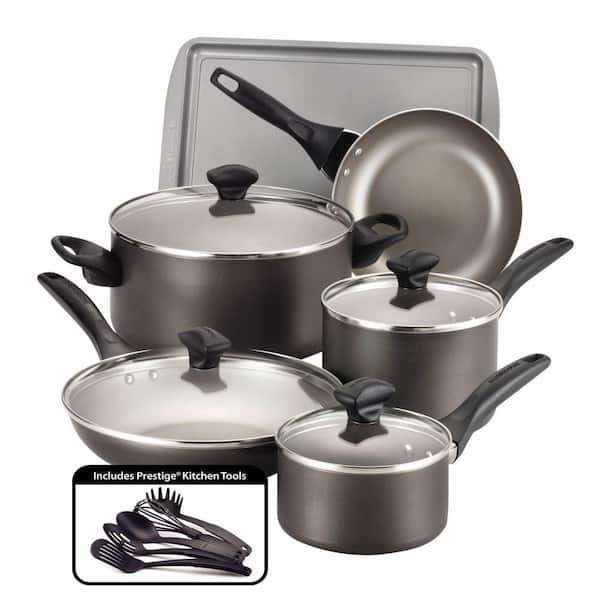
Credit: www.homedepot.com
Tips For Dishwasher Care Of Cookware
Proper care of dishwasher-safe cookware keeps your pots and pans looking new longer. Following smart dishwasher habits prevents damage and improves cleaning results. Small steps in loading, detergent use, and temperature settings protect your cookware’s finish and performance. This section shares easy tips to help your dishwasher care routine.
Loading Techniques
Loading cookware correctly in the dishwasher is key. Place pots and pans so water reaches all surfaces without blocking spray arms. Avoid stacking items directly on top of each other to stop scratching and poor cleaning.
- Place larger items on the bottom rack. This gives them stable support and better water flow.
- Face cookware openings downward or sideways. It helps remove food particles and water.
- Keep non-stick surfaces apart. Prevents scratching by avoiding contact.
- Do not overcrowd the dishwasher. Overcrowding reduces cleaning power and may cause damage.
- Use utensil baskets for lids and small parts. Stops them from falling and scratching other items.
| Do’s | Don’ts |
|---|---|
| Load pots separately | Stack pots inside each other |
| Place lids securely | Let lids move freely |
| Use bottom rack for heavy cookware | Put heavy pans on top rack |
Correct loading improves cleaning and protects your cookware from scratches and dents.
Detergent Choices
Choosing the right detergent keeps cookware safe and clean. Harsh chemicals can damage coatings and finishes. Use detergents designed for delicate or dishwasher-safe cookware.
Look for these features in detergents:
- Phosphate-free formulas to avoid surface damage.
- Low abrasiveness to protect non-stick and ceramic surfaces.
- Enzyme-based cleaners to remove tough food without scrubbing.
- Powder or gel detergents for gentle cleaning.
Avoid using too much detergent. Excess soap can leave residue and dull finishes. Follow the detergent packaging instructions carefully.
| Detergent Type | Benefits | Use Tips |
|---|---|---|
| Gel | Gentle on surfaces | Measure dose correctly |
| Powder | Effective on stuck-on food | Store in dry place |
| Pods | Convenient and pre-measured | Use one pod per wash |
Right detergent choice helps keep cookware’s color and coating intact for many washes.
Temperature Settings
Dishwasher temperature affects cleaning and cookware safety. High heat cleans well but may harm some materials. Lower temperatures protect cookware but may need longer cycles.
Use these tips for temperature settings:
- Check cookware manufacturer guidelines for max dishwasher temperature.
- Use a gentle or eco cycle for delicate cookware to reduce heat exposure.
- Choose a high-temperature wash only for heavily soiled pots and pans.
- Use rinse aid to help water dry faster at lower temperatures.
Typical dishwasher temperatures range from 120°F (49°C) to 160°F (71°C). Avoid temperatures above 150°F for non-stick cookware to prevent coating damage.
| Temperature | Effect | Recommended For |
|---|---|---|
| 120°F – 130°F | Gentle cleaning | Non-stick, ceramic, delicate items |
| 130°F – 150°F | Standard cleaning | Most dishwasher-safe cookware |
| Above 150°F | Deep cleaning but risk to coatings | Stainless steel, heavily soiled pots |
Adjust temperature to balance cleaning power and cookware protection.
Brands Known For Dishwasher Safe Cookware
Choosing the right cookware can save time and effort in the kitchen. Dishwasher safe cookware makes cleaning easy and quick. Some brands are famous for making pots and pans that you can safely put in the dishwasher. These brands focus on quality and durability, so your cookware lasts long and stays clean without damage.
All-clad
All-Clad is a popular brand known for its high-quality stainless steel cookware. Most All-Clad pieces are dishwasher safe, making cleanup simple. Their products resist warping and staining, so they stay shiny after many washes.
Calphalon
Calphalon offers a variety of cookware that is dishwasher safe. Their nonstick and hard-anodized lines are built for easy cleaning. Calphalon pans hold up well in dishwashers without losing their nonstick coating.
Cuisinart
Cuisinart provides affordable cookware sets that many buyers trust. Their stainless steel and some nonstick pieces are dishwasher safe. This brand combines good performance with easy maintenance.
Greenpan
GreenPan makes ceramic nonstick cookware that is safe for dishwashers. Their products use a healthy coating that does not peel or scratch easily. GreenPan is a good choice for eco-friendly kitchens.
Le Creuset
Le Creuset is famous for its colorful enameled cast iron cookware. Most of their pieces can go into the dishwasher without problems. The enamel finish protects the metal and keeps the cookware looking new.
| Brand | Type of Cookware | Dishwasher Safe | Key Feature |
|---|---|---|---|
| All-Clad | Stainless Steel | Yes | Durable, Resists Warping |
| Calphalon | Nonstick, Hard-Anodized | Yes | Long-lasting Nonstick |
| Cuisinart | Stainless Steel, Nonstick | Yes | Affordable, Reliable |
| GreenPan | Ceramic Nonstick | Yes | Eco-friendly, Healthy Coating |
| Le Creuset | Enameled Cast Iron | Yes | Colorful, Durable Enamel |
Extending Cookware Lifespan
Cookware that is dishwasher safe offers great convenience for cleaning. Still, extending the lifespan of these pots and pans requires care beyond just tossing them in the dishwasher. Proper upkeep keeps your cookware looking new and performing well longer. Small steps make a big difference in preventing damage and wear. Follow simple habits to keep your cookware durable and reliable for years.
Regular Maintenance
Regular maintenance is key to keeping dishwasher-safe cookware in top shape. Even if the dishwasher cleans well, some residues and stains may remain. Manually checking and caring for your cookware helps avoid buildup and corrosion.
- Rinse immediately: Rinse cookware after use to remove food bits and prevent stains.
- Use soft sponges: Avoid abrasive scrubbers that can scratch surfaces.
- Check for damage: Inspect handles and coatings for cracks or wear regularly.
- Dry thoroughly: Dry pots and pans after washing to prevent rust or water spots.
Here is a quick maintenance checklist:
| Task | Frequency | Benefit |
|---|---|---|
| Rinse after use | Every time | Prevents food residue buildup |
| Inspect for damage | Monthly | Detects issues early |
| Hand wash delicate parts | Weekly | Preserves coatings and handles |
| Dry completely | After washing | Prevents rust and stains |
Following these regular steps helps maintain your cookware’s quality. It reduces the chance of permanent damage and keeps cooking performance consistent.
Avoiding Harsh Chemicals
Harsh chemicals can harm dishwasher-safe cookware despite the convenience they offer. Many strong detergents contain ingredients that wear down coatings or cause discoloration. Protect your cookware by choosing mild cleaning agents.
Use these guidelines to avoid damage:
- Choose gentle detergents: Pick dishwasher soaps labeled safe for non-stick or coated cookware.
- Avoid bleach and ammonia: These chemicals can break down finishes and cause corrosion.
- Skip metal scouring pads: They scratch surfaces and expose metal to rust.
- Rinse off detergent residue: Leftover chemicals can degrade cookware over time.
Common chemicals to avoid:
| Chemical | Effect on Cookware |
|---|---|
| Chlorine bleach | Corrodes metal, damages coatings |
| Ammonia | Weakens non-stick layers |
| Oven cleaner | Harsh on finishes and handles |
| Abrasive powders | Scratches and dulls surfaces |
Stick to mild dish soaps and natural cleaning agents like baking soda or vinegar. These keep cookware safe without losing cleaning power.
Proper Storage
Proper storage prevents scratches, dents, and other damage that shortens cookware life. Stacking pots and pans carelessly causes surface wear and handle strain.
Use these tips for safe storage:
- Stack with protection: Place paper towels or cloth between pans to avoid scratches.
- Hang when possible: Use hooks or racks to hang pots by their handles.
- Store lids separately: Keep lids upright or in a rack to prevent chipping.
- Avoid overcrowding: Leave enough space to reduce pressure on cookware edges.
Here is a simple storage guide:
| Storage Method | Pros | Cons |
|---|---|---|
| Stacking with liners | Saves space, protects surfaces | Requires liners or cloth |
| Hanging pots | Prevents damage, easy access | Needs wall space and hooks |
| Separate lid racks | Protects lids, organized | Needs extra storage area |
Good storage habits keep cookware safe and ready for use. They reduce wear from friction and pressure.
Frequently Asked Questions
Which Cookware Materials Are Dishwasher Safe?
Stainless steel, hard-anodized aluminum, and some non-stick cookware are usually dishwasher safe. Always check manufacturer guidelines to avoid damage and maintain cookware longevity.
Can Dishwasher Damage Non-stick Cookware?
Dishwashers can wear down non-stick coatings over time. Hand washing is gentler and helps preserve the non-stick surface longer.
How To Identify Dishwasher Safe Cookware?
Look for dishwasher safe labels or symbols on the cookware or packaging. Manufacturer instructions also clarify if the cookware is dishwasher safe.
Is Cast Iron Cookware Dishwasher Safe?
No, cast iron should never go in the dishwasher. It can rust and lose seasoning, affecting cooking performance.
Conclusion
Choosing dishwasher safe cookware saves time and effort in cleaning. It keeps your kitchen neat without scrubbing hard. Always check labels to know which pots and pans fit your dishwasher. Caring for your cookware this way helps it last longer.
Easy cleanup means more time to enjoy your meals. Remember, simple choices make cooking and cleaning easier every day.

Hello, This is Annie Walker, a 38-year-old blogger, founder, and editor of Cookware Guider from NY, USA. I am a cookware fanatic and passionate cooker. I love to cook with different types of cooking appliances (example: all types of cookware, rice cookers, slow cookers, etc) almost every day in my kitchen. I love to share my experience with my readers in my blog. Also, I enjoy helping people to solve their problems through my website. You can follow me on Twitter & Pinterest. To know details about my blog please check the about us page.