
Are you worried about what’s really in your cookware? When it comes to your health and the food you prepare, knowing if your ceramic cookware is truly non-toxic is important.
You want to feel safe using your pots and pans every day without hidden chemicals sneaking into your meals. You’ll discover the truth about ceramic cookware and whether it’s the healthy choice you’ve been looking for. Keep reading to make sure you’re protecting yourself and your loved ones while cooking.
Ceramic Cookware Basics
Ceramic cookware basics help understand its safety and use in kitchens. Many people ask, Is ceramic cookware non-toxic? This cookware is popular for its smooth surface and easy cleaning. It often contains no harmful chemicals like PTFE or PFOA, which appear in some non-stick pans. Ceramic cookware works by coating metal or clay with a ceramic layer. This layer is usually free from toxic substances, making it safer to cook food.
Understanding ceramic cookware means knowing the types and the materials used. These factors affect how safe and durable the cookware is. Knowing these can help users choose the right ceramic cookware for their needs.
Types Of Ceramic Cookware
Ceramic cookware comes in several types. Each type has unique features and cooking uses. Here are the main types:
- 100% Ceramic Cookware: Made entirely of ceramic material. It heats evenly and holds heat well. It is fragile but non-toxic and chemical-free.
- Ceramic-Coated Cookware: Metal pans coated with a ceramic layer. They are lighter and more durable than 100% ceramic. The coating provides a non-stick surface.
- Clay Ceramic Cookware: Made from natural clay baked at high temperatures. It is porous and good for slow cooking.
Each type suits different cooking styles. For example, ceramic-coated pans work well for frying and sautéing. Clay ceramic cookware is ideal for stews and casseroles.
| Type | Material | Best Use | Durability |
|---|---|---|---|
| 100% Ceramic | Pure ceramic | Baking, slow cooking | Fragile |
| Ceramic-Coated | Metal + ceramic layer | Frying, sautéing | Moderate |
| Clay Ceramic | Natural clay | Slow cooking | Fragile |
Materials Used In Ceramic Coatings
Ceramic coatings are made from natural materials. They provide a smooth, non-stick surface without harmful chemicals. Here are common materials:
- Silica (Silicon Dioxide): Main ingredient. It forms a glass-like surface that is heat resistant.
- Titanium Dioxide: Added for strength and durability. It helps the coating last longer.
- Aluminum Oxide: Improves hardness. Makes the ceramic layer scratch-resistant.
- Other Minerals: Small amounts of other natural minerals enhance performance.
The coating is created by applying these materials in liquid form. Then it is baked at high temperatures. This process bonds the ceramic layer to the pan’s metal surface.
Important benefits of ceramic coatings:
- Non-toxic and free from PTFE and PFOA.
- Resistant to high heat without releasing fumes.
- Provides a natural non-stick surface.
- Easy to clean and maintain.
Knowing these materials helps users trust ceramic cookware’s safety. The natural ingredients reduce health risks during cooking. The coating offers a good balance of performance and safety.
Health Implications
Ceramic cookware is popular for its sleek design and non-stick surface. Many people wonder if it is truly safe and non-toxic for daily use. Understanding the health implications helps make better choices for cooking tools. The materials and chemicals used in ceramic cookware can affect food safety and your health. This section explores what makes ceramic cookware safe and what risks might exist.
Chemical Composition And Safety
Ceramic cookware is made by coating metal or clay with a ceramic layer. This layer is usually composed of inorganic materials like silica, oxygen, and other minerals. The coating provides a smooth, non-stick surface without using synthetic chemicals.
Key features of ceramic cookware’s chemical makeup:
- Free from PTFE and PFOA: Many ceramic pans do not contain these harmful chemicals found in some non-stick coatings.
- Inorganic and stable: The ceramic layer does not break down easily under heat.
- Heat resistant: Ceramic coatings tolerate high temperatures without releasing toxins.
Here is a comparison table of common cookware coatings and their safety:
| Coating Type | Contains Harmful Chemicals? | Heat Stability | Non-Toxic Status |
|---|---|---|---|
| Ceramic | No | High | Generally Safe |
| PTFE (Teflon) | Yes (PFOA may be present) | Moderate | Potential Risk |
| Cast Iron | No | Very High | Safe |
Proper use is important. Avoid overheating ceramic pans beyond recommended temperatures. This helps keep the coating intact and prevents any breakdown of materials.
Potential Toxins In Cookware
Even ceramic cookware can have risks if made poorly or damaged. Some ceramic coatings contain heavy metals like lead or cadmium. These metals can leak into food if the cookware is cracked or scratched. Good quality ceramic cookware meets strict safety standards to avoid these toxins.
Possible sources of toxins include:
- Low-quality ceramic coatings with unsafe glaze materials
- Damaged or chipped cookware that exposes underlying materials
- Cookware not certified by food safety authorities
Check for these safety tips to reduce toxin exposure:
- Buy ceramic cookware from reputable brands with safety certifications.
- Inspect cookware regularly for cracks or chips.
- Do not use metal utensils that can scratch the coating.
- Follow manufacturer’s instructions for care and temperature limits.
Health risks from toxins:
- Lead exposure can cause neurological problems.
- Cadmium can harm kidneys and bones.
- Long-term exposure to heavy metals may cause chronic health issues.
Choosing high-quality ceramic cookware and caring for it properly ensures safer cooking. Avoid cheap or unknown brands that do not guarantee non-toxic materials. This keeps your kitchen healthier and food safer.
Comparison With Other Cookware
Ceramic cookware is often praised for being a non-toxic option in the kitchen. Comparing it to other popular cookware types helps understand its benefits and limits. Each cookware material has unique features affecting safety, cooking performance, and maintenance. This section compares ceramic cookware with nonstick, cast iron, and stainless steel options.
Ceramic Vs Nonstick
Ceramic cookware uses a natural, non-toxic coating made from silica and sand. It does not release harmful chemicals, even at high heat. Nonstick cookware usually has a synthetic coating like PTFE (Teflon). This coating can break down and release toxic fumes if overheated.
- Health Safety: Ceramic is free from PFOA and PTFE chemicals.
- Durability: Ceramic coatings wear out faster than traditional nonstick coatings.
- Heat Resistance: Ceramic withstands higher temperatures without damage.
- Ease of Cleaning: Both are easy to clean, but ceramic may require gentle care to avoid chipping.
| Feature | Ceramic | Nonstick (PTFE) |
|---|---|---|
| Non-Toxic | Yes | No (at high heat) |
| Heat Tolerance | Up to 450°F (232°C) | Up to 500°F (260°C), but toxic fumes above 500°F |
| Durability | Moderate | High, but coating can scratch |
| Maintenance | Gentle cleaning recommended | Can use mild abrasives with care |
Ceramic Vs Cast Iron
Cast iron cookware is known for its durability and heat retention. It is made from raw iron and usually requires seasoning to create a natural nonstick surface. Ceramic cookware has a smooth, non-porous surface without seasoning needs.
Health and Safety: Both ceramic and cast iron are non-toxic. Cast iron can leach small amounts of iron into food, which may benefit some people but concern others.
- Weight: Cast iron is heavy and can be hard to handle.
- Maintenance: Cast iron needs regular seasoning and careful drying to prevent rust.
- Heat Distribution: Cast iron heats evenly and retains heat well.
- Surface: Ceramic has a smooth coating that resists sticking without seasoning.
| Feature | Ceramic | Cast Iron |
|---|---|---|
| Non-Toxic | Yes | Yes |
| Weight | Light to Moderate | Heavy |
| Maintenance | Easy | Requires seasoning and drying |
| Heat Retention | Moderate | Excellent |
Ceramic Vs Stainless Steel
Stainless steel cookware is popular for its durability and resistance to rust. It is made from an alloy of steel and chromium. Stainless steel is non-reactive and safe but may cause food to stick without oil.
Cooking Performance: Ceramic cookware offers a naturally nonstick surface, making it easier to cook delicate foods. Stainless steel requires more oil or butter to prevent sticking.
- Cleaning: Stainless steel is dishwasher safe and can handle scrubbing.
- Durability: Stainless steel is very durable and scratch-resistant.
- Heat Conductivity: Ceramic heats quickly but unevenly; stainless steel often has an aluminum core for better heat distribution.
| Feature | Ceramic | Stainless Steel |
|---|---|---|
| Non-Toxic | Yes | Yes |
| Nonstick | Yes | No |
| Maintenance | Requires gentle cleaning | Easy to clean, dishwasher safe |
| Heat Distribution | Moderate | Good with layered base |

Credit: www.amazon.com
Durability And Maintenance
Ceramic cookware is popular for being a non-toxic option in many kitchens. Its safety depends on how well it holds up over time and how it is cared for. Durability and maintenance are key to keeping ceramic cookware safe and effective. Good care helps it last longer and keeps its non-toxic surface intact. Understanding how long ceramic cookware lasts and the best ways to clean it ensures you get the most from your investment.
Lifespan Of Ceramic Cookware
The lifespan of ceramic cookware depends on its quality and how it is used. High-quality ceramic cookware can last 5 to 10 years or more with proper care. Lower quality products may wear out sooner.
Signs of wear that affect lifespan include:
- Chipping or cracking of the ceramic surface
- Scratches that expose the base material
- Loss of non-stick properties
Using metal utensils or harsh cleaning tools can shorten the lifespan. Avoid sudden temperature changes, which can cause cracks.
| Factor | Effect on Lifespan |
|---|---|
| Quality of ceramic coating | Higher quality lasts longer |
| Frequency of use | More use may wear it faster |
| Type of cooking utensils | Wood or silicone extends lifespan |
| Cleaning methods | Gentle cleaning keeps surface intact |
Regular inspection helps catch damage early. Replace cookware if the ceramic surface is damaged to avoid food contamination.
Cleaning And Care Tips
Proper cleaning and care keep ceramic cookware safe and durable. Avoid harsh detergents or abrasive scrubbers that can damage the ceramic coating. Use soft sponges or cloths instead.
Follow these tips for best results:
- Let cookware cool before washing to prevent cracking
- Hand wash with warm water and mild soap
- Remove stuck food with a soak in warm soapy water
- Use baking soda paste for stubborn stains
- Dry completely before storing to prevent moisture buildup
Dishwashers can wear down ceramic coatings over time. Hand washing is best to keep the cookware intact.
Store ceramic cookware carefully. Avoid stacking heavy pots and pans on top, which can cause chips and cracks.
Example baking soda paste for cleaning Mix 1 tablespoon baking soda with 1 teaspoon water. Apply paste to stains and let sit for 15 minutes. Gently scrub with a soft sponge and rinse well. Following these care steps preserves the cookware’s non-toxic surface and extends its life. Clean ceramic cookware also cooks better and looks great.
Consumer Experiences
Consumer experiences reveal much about ceramic cookware’s safety and performance. Many users want to know if ceramic cookware is truly non-toxic and safe for daily use. Reviews and feedback highlight both benefits and issues people face. Understanding these real-world opinions helps buyers make smart choices.
Common Complaints
Some consumers report problems with ceramic cookware. The most frequent complaints include:
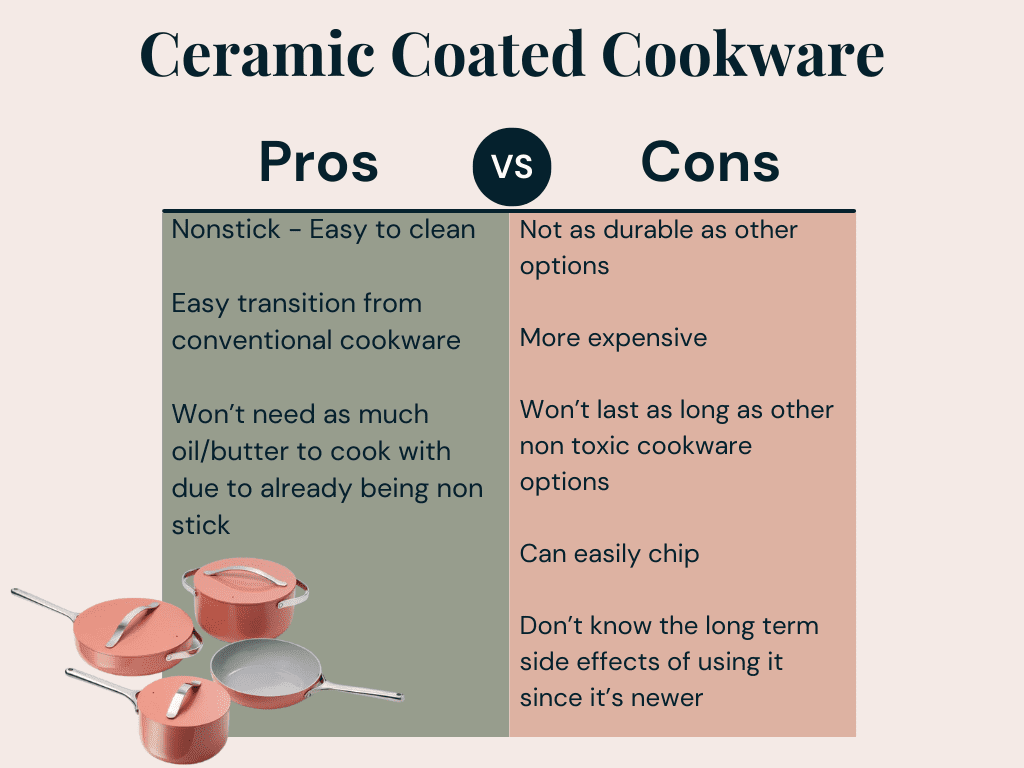
- Chipping and Cracking: Ceramic coatings can chip or crack after a few months of use.
- Durability Issues: Some say the cookware wears out faster than expected.
- Sticking Problems: Food sticks to the surface, especially with cheaper brands.
- Uneven Heating: Users notice hot spots that cause food to cook unevenly.
- Cleaning Difficulties: Some find it hard to clean burnt or stuck-on food.
Many of these issues relate to misuse or low-quality products. Here is a quick overview:
| Complaint | Possible Cause | Effect on Use |
|---|---|---|
| Chipping/Cracking | Dropping or rough cleaning | Loss of non-toxic coating, safety risk |
| Durability | Low-quality ceramic or metal base | Shorter cookware lifespan |
| Food Sticking | Worn coating or overheating | Hard to cook and clean |
| Uneven Heating | Poor heat distribution design | Uneven cooking results |
| Cleaning Issues | Burnt food or improper cleaning tools | Time-consuming cleanup |
These complaints show some risks but do not prove toxicity. Many users still trust ceramic for healthy cooking.
Positive Feedback
Many consumers praise ceramic cookware for its non-toxic qualities. They share these benefits:
- Safe Cooking Surface: No harmful chemicals like PTFE or PFOA.
- Easy Food Release: Smooth surface prevents sticking when used properly.
- Even Heat Distribution: Many report consistent cooking without hot spots.
- Eco-Friendly Materials: Ceramic is often made from natural, non-toxic ingredients.
- Simple Cleaning: Most say cleaning is easy with warm water and mild soap.
Here is a summary of positive points shared by users:
| Benefit | Reason | User Experience |
|---|---|---|
| Non-Toxic Surface | No chemical coatings | Feels safer for family cooking |
| Good Food Release | Smooth ceramic layer | Less oil needed, healthier meals |
| Durability | High-quality ceramic | Lasts several years with care |
| Heat Distribution | Proper base design | Foods cook evenly and quickly |
| Easy Cleaning | Non-stick properties | Minimal scrubbing required |
Positive reviews highlight ceramic cookware as a healthy, practical option. Most users feel confident about its non-toxic nature and enjoy using it daily.
Credit: gurlgonegreen.com
Buying Tips
Choosing ceramic cookware can improve your kitchen safety and meal quality. Knowing what to buy helps avoid toxic materials and ensures your cookware lasts long. Buying tips focus on quality, safety, and durability. These tips guide you to pick ceramic cookware that is truly non-toxic and safe for daily use.
What To Look For
Ceramic cookware must meet specific standards to be safe and effective. Start by checking the material composition. Pure ceramic or ceramic-coated cookware should have no metals like lead or cadmium. Look for products labeled 100% ceramic or with a non-toxic ceramic coating.
Here are key features to consider:
- Lead and Cadmium Free: These metals can cause health issues. Choose cookware tested free from them.
- Durability: Ceramic should resist chipping and cracking. Check customer reviews for long-term use.
- Heat Resistance: The cookware should handle high heat without releasing toxins.
- Non-Stick Quality: Good ceramic cookware offers natural non-stick properties without harmful chemicals.
- Easy to Clean: Smooth surfaces prevent food from sticking and make cleaning easier.
Use the table below to compare common ceramic cookware types:
| Type | Material | Non-Toxic | Durability | Price Range |
|---|---|---|---|---|
| Pure Ceramic | 100% Ceramic | Yes | High | Medium to High |
| Ceramic-Coated | Metal base + Ceramic layer | Depends on coating | Medium | Low to Medium |
| Clay Ceramic | Natural Clay | Yes | Medium | Medium |
Avoiding Harmful Products
Some ceramic cookware contains harmful substances that can leach into food. Avoid items with cheap coatings or unknown origins. Check for certification labels like FDA approval or LFGB certification. These prove the product passed safety tests.
Watch out for these signs of harmful products:
- Strong chemical smell: New cookware should not smell like paint or plastic.
- Flaking or peeling coating: This can expose metals underneath.
- Very low price: Extremely cheap products may cut corners on safety.
- Unknown brand or no reviews: Lack of information can be a red flag.
Use this checklist to avoid harmful ceramic cookware:
- Check for non-toxic labels on the package.
- Read customer reviews for safety complaints.
- Buy from trusted retailers or brands.
- Inspect the cookware physically before purchase if possible.
Choosing safe ceramic cookware protects your health and improves cooking. Careful selection ensures your meals stay healthy and tasty.
Credit: www.walmart.com
Frequently Asked Questions
Is Ceramic Cookware Safe For Everyday Cooking?
Yes, ceramic cookware is generally safe for daily use. It contains no harmful chemicals like PFOA or PTFE, making it non-toxic and eco-friendly. Proper care ensures durability and safety in cooking.
Does Ceramic Cookware Release Toxins When Heated?
No, ceramic cookware does not release toxins during cooking. It withstands high temperatures without emitting harmful fumes, unlike some non-stick pans. This makes it a healthy option for preparing meals.
How Does Ceramic Cookware Compare To Non-stick Pans?
Ceramic cookware is free from toxic chemicals found in some non-stick pans. It offers excellent heat distribution and is safer for health. However, it may require gentle handling to maintain its coating.
Can Ceramic Cookware Cause Heavy Metal Contamination?
No, quality ceramic cookware is free from heavy metals like lead or cadmium. Certified products meet safety standards, ensuring no metal leaching into food. Always choose reputable brands for safety.
Conclusion
Ceramic cookware offers a safer option for daily cooking. It usually contains no harmful chemicals like PFOA or PTFE. Many people prefer it for its non-toxic nature. Still, quality varies, so choose trusted brands. Proper care keeps the cookware safe and lasting longer.
Cooking with ceramic can reduce risks of chemical exposure. It suits those who want healthy meals without extra toxins. Simple cleaning and gentle use help maintain its benefits. Ceramic cookware is a smart choice for safer kitchens.

Hello, This is Annie Walker, a 38-year-old blogger, founder, and editor of Cookware Guider from NY, USA. I am a cookware fanatic and passionate cooker. I love to cook with different types of cooking appliances (example: all types of cookware, rice cookers, slow cookers, etc) almost every day in my kitchen. I love to share my experience with my readers in my blog. Also, I enjoy helping people to solve their problems through my website. You can follow me on Twitter & Pinterest. To know details about my blog please check the about us page.