
Are you thinking about switching to granite stone cookware but wonder if it’s truly safe for you and your family? You’re not alone.
With so many options on the market, it’s easy to feel unsure about what’s best for your health and kitchen. This article will clear up the confusion and give you the facts you need to make a confident choice. Keep reading to discover whether granite stone cookware is the safe, healthy option you’ve been searching for.
Granite Cookware Basics
Granite stone cookware has gained popularity for its durability and appealing look. Many people wonder if it is safe for everyday cooking. Understanding the basics of granite cookware helps answer this question. It is essential to know what materials make up granite cookware and the different types available. This knowledge helps in choosing the right cookware that is both safe and efficient for your kitchen.
Material Composition
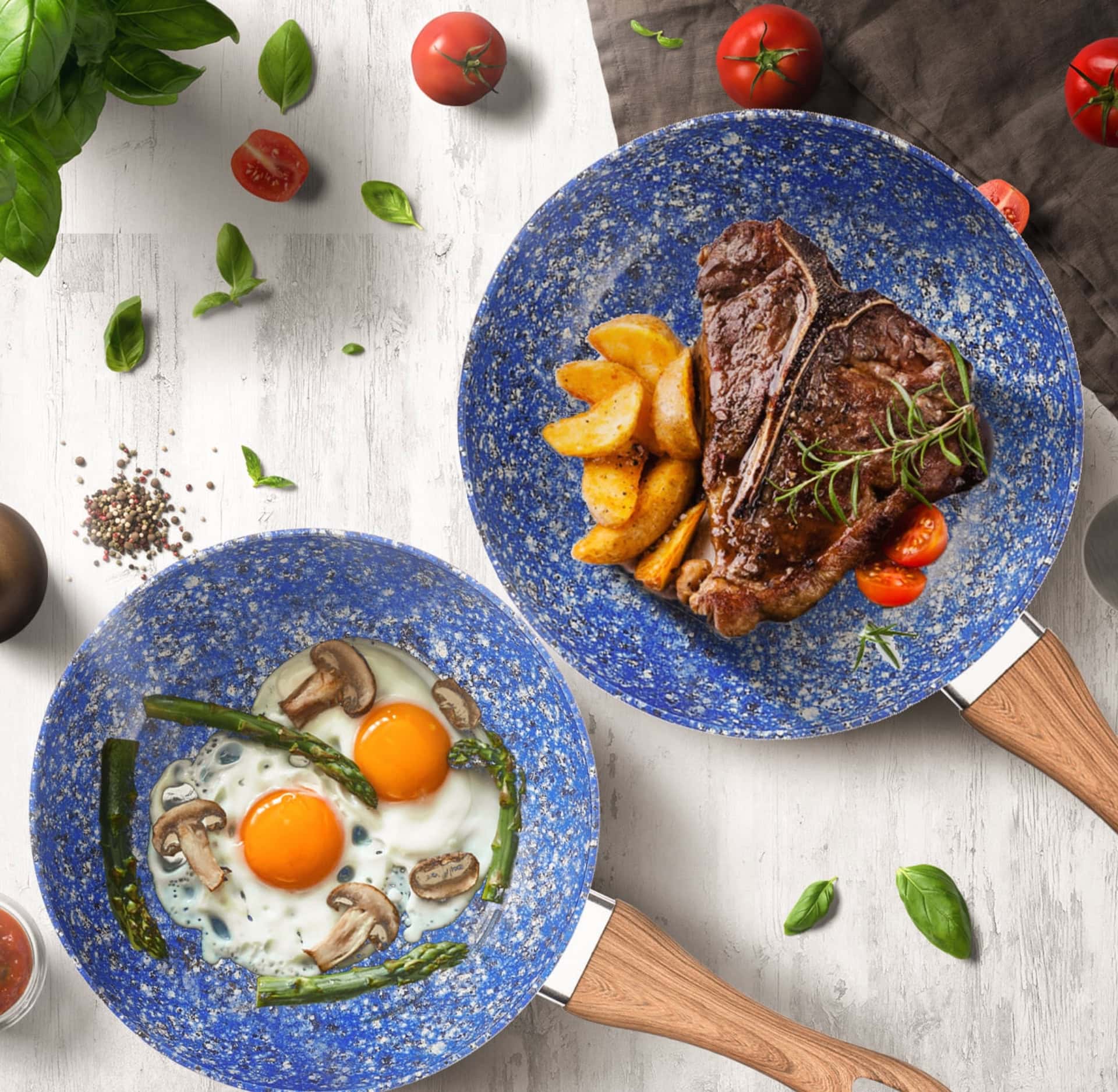
Granite cookware is not made from pure granite stone. Instead, it usually consists of a metal base coated with a granite-like non-stick surface. This surface is made from a mix of materials that give it a strong and scratch-resistant finish. Here are the main components:
- Metal Core: Often aluminum or stainless steel, providing even heat distribution.
- Granite Coating: A layer made from a mix of ceramic and mineral particles resembling granite.
- Non-Stick Layer: Usually a safe, PTFE-free substance that prevents food from sticking.
The granite coating is free from harmful chemicals like PFOA and PFAS, making it safer than traditional non-stick pans. This coating also resists scratches and chips better than ordinary non-stick surfaces.
| Component | Purpose | Benefits |
|---|---|---|
| Aluminum/Stainless Steel Base | Heat conduction and durability | Even cooking, long-lasting |
| Granite Coating | Protective, non-stick surface | Scratch-resistant, easy to clean |
| Non-Stick Layer | Prevents food from sticking | Healthier cooking, less oil needed |
Types Of Granite Cookware
Granite cookware comes in various forms, each serving different cooking needs. The main types include:
- Granite-Coated Frying Pans: Ideal for frying, sautéing, and browning food. They heat quickly and clean easily.
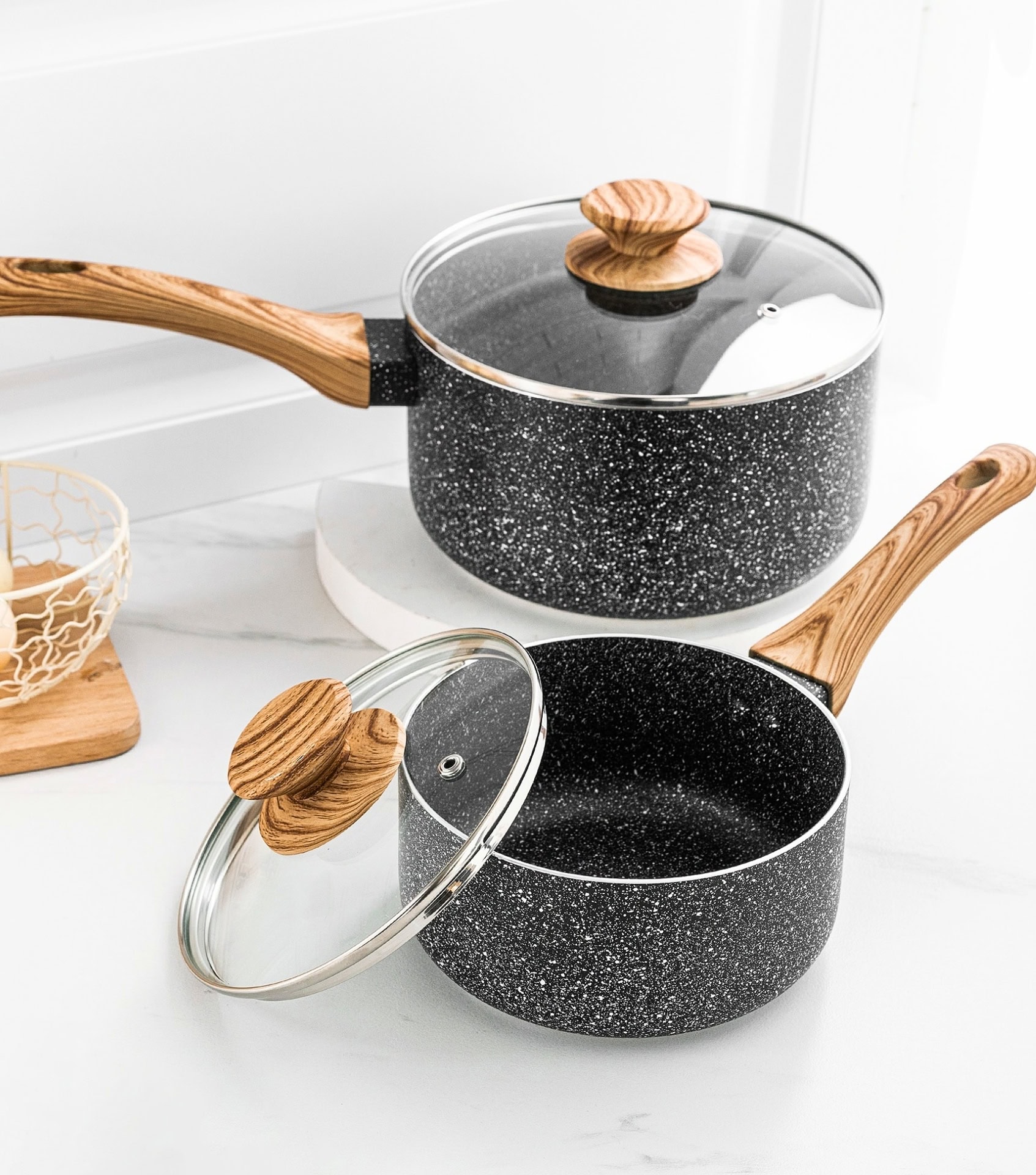
- Granite Sauce Pans: Perfect for sauces, soups, and boiling. Their sturdy build keeps heat steady.
- Granite Griddles and Grill Pans: Designed for grilling indoors. They create grill marks and allow fat to drain away.
- Granite Dutch Ovens: Heavy pots for slow cooking and baking. They hold heat well for even cooking.
Each type uses the same granite coating but differs in shape and size for specific cooking tasks. Choose cookware based on your cooking style and meal preferences.
| Cookware Type | Best For | Key Feature |
|---|---|---|
| Frying Pan | Frying, sautéing | Quick heating, easy cleaning |
| Sauce Pan | Boiling, simmering | Steady heat, versatile |
| Griddle/Grill Pan | Grilling, searing | Fat drainage, grill marks |
| Dutch Oven | Slow cooking, baking | Heat retention, heavy-duty |

Credit: www.amazon.com
Health And Safety Factors
Granite stone cookware has gained popularity for its durability and sleek appearance. Many wonder about its health and safety aspects. Understanding these factors helps in choosing cookware that keeps meals safe and healthy. This section explores key health and safety features of granite stone cookware.
Non-toxic Properties
Granite stone cookware is often praised for its non-toxic nature. It usually contains natural minerals without harmful chemicals. These minerals do not leach into food during cooking, making it a safe option for daily use.
Key benefits of non-toxic granite cookware include:
- No release of harmful substances: Unlike some non-stick pans, granite cookware does not emit toxic fumes.
- Free from heavy metals: It generally avoids metals like lead and cadmium, which can harm health.
- Safe at high temperatures: It withstands heat without breaking down or releasing chemicals.
Here is a simple comparison of common cookware types and their toxicity levels:
| Cookware Type | Toxicity Level | Health Risk |
|---|---|---|
| Granite Stone | Low | No harmful chemical release |
| Non-stick (Teflon) | Medium | Possible fumes when overheated |
| Aluminum | Medium | May react with acidic foods |
| Cast Iron | Low | Safe, but may release iron |
Granite cookware is ideal for those seeking clean cooking surfaces. It also suits people sensitive to chemicals in other pans.
Chemical Coatings And Their Impact
Many granite cookware products feature a coating to enhance non-stick qualities. This coating plays a crucial role in safety.
Some coatings are made from natural minerals, which stay stable under heat. Others may contain chemicals that raise concerns. Understanding coating materials is vital.
Common points about chemical coatings on granite cookware:
- PTFE and PFOA-free: Good granite cookware avoids these chemicals, known for health risks.
- Durability: Quality coatings resist scratching and peeling, preventing exposure to underlying materials.
- Heat resistance: Safe coatings do not break down at cooking temperatures.
Here is a summary table of coating types and their safety impact:
| Coating Type | Safety Level | Notes |
|---|---|---|
| Natural Mineral-Based | High | Non-toxic, heat stable, durable |
| PTFE (Teflon) | Medium | Safe below 260°C; emits fumes if overheated |
| PFOA | Low | Health risks; mostly phased out |
Checking product labels for coating details helps choose safer options. Avoid pans with unknown or harmful chemicals in coatings.
Heat Resistance And Durability
Granite stone cookware is popular for its natural look and cooking benefits. Its heat resistance and durability make it a favorite choice in many kitchens. Understanding how well it handles heat and resists damage helps you decide if it fits your cooking needs. This section covers key facts about its temperature tolerance and resistance to scratches and chips.
Temperature Tolerance
Granite stone cookware can handle high cooking temperatures without losing its quality. The outer granite coating is made to resist heat up to a certain limit, making it safe for most cooking methods. You can use it on stovetops, ovens, and even grills.
Here are some important points about its temperature tolerance:
- Safe Heat Range: Most granite cookware can withstand temperatures up to 450°F (232°C).
- Oven Use: Suitable for oven cooking, but always check the manufacturer’s guidelines.
- Stovetop Safety: Works well on gas, electric, and ceramic stovetops.
- Avoid Sudden Temperature Changes: Rapid changes from hot to cold can cause damage.
Below is a simple table showing typical temperature limits for granite cookware:
| Cooking Method | Max Temperature | Notes |
|---|---|---|
| Stovetop | 450°F (232°C) | Even heating, avoid empty pan heating |
| Oven | 450°F (232°C) | Check handles if oven-safe |
| Grill | Up to 400°F (204°C) | Use indirect heat to avoid damage |
Scratch And Chip Resistance
Granite stone cookware is known for its strong surface that resists scratches and chips better than many other non-stick options. The granite coating is tougher than traditional non-stick layers, which means it lasts longer with less wear. This quality helps keep the cookware safe and effective for cooking.
Consider these features about scratch and chip resistance:
- Hard Granite Coating: Protects the pan from metal utensils and rough cleaning tools.
- Durable Surface: Resists chipping even after regular use and washing.
- Proper Care: Using wooden or silicone utensils extends the life of the coating.
- Cleaning Tips: Avoid abrasive scrubbers to maintain smooth surface.
Here is a quick guide on how granite cookware compares to other surfaces:
| Cookware Type | Scratch Resistance | Chip Resistance | Care Needed |
|---|---|---|---|
| Granite Stone | High | High | Use gentle utensils, avoid abrasive cleaning |
| Traditional Non-stick | Medium | Low | Avoid metal utensils, careful cleaning |
| Ceramic Coating | Medium | Medium | Gentle cleaning, avoid sharp tools |
Comparing Granite To Other Cookware
Choosing the right cookware is key for healthy and tasty meals. Granite stone cookware has gained popularity due to its natural look and durability. Comparing granite to other types helps understand its benefits and safety. This section looks at how granite stacks up against stainless steel and non-stick cookware.
Granite Vs. Stainless Steel
Granite stone cookware features a natural, non-porous surface that resists scratches and stains. Stainless steel is known for its strength and shiny finish but can react with acidic foods. Here are some key differences:
- Heat Distribution: Granite heats evenly but takes longer to warm up. Stainless steel heats quickly but may have hot spots.
- Non-Reactive Surface: Granite does not react with food, keeping flavors pure. Stainless steel can sometimes react with acidic ingredients.
- Durability: Granite is scratch-resistant but can chip if dropped. Stainless steel is very durable and less prone to chipping.
- Maintenance: Granite is easy to clean and usually dishwasher safe. Stainless steel needs polishing to keep its shine.
| Feature | Granite Stone Cookware | Stainless Steel Cookware |
|---|---|---|
| Heat Distribution | Even, slower to heat | Fast, may have hot spots |
| Food Reactivity | Non-reactive | Can react with acids |
| Durability | Scratch-resistant, may chip | Highly durable, resists chipping |
| Cleaning | Easy, dishwasher safe | Requires polishing |
Granite offers a safer cooking surface for acidic foods. Stainless steel suits cooks needing durable and fast-heating pots. Both have pros and cons depending on cooking style.
Granite Vs. Non-stick Cookware
Non-stick cookware is popular for easy food release and quick cleanup. Granite stone cookware provides a natural, chemical-free non-stick surface. Here is a comparison:
- Coating: Granite uses natural stone or ceramic coating. Non-stick pans often use synthetic coatings like Teflon.
- Safety: Granite does not release harmful fumes at high heat. Some non-stick coatings may break down and emit toxins if overheated.
- Durability: Granite coatings resist scratches better than many non-stick pans. Non-stick surfaces can wear out faster.
- Cleaning: Both are easy to clean, but granite is more resistant to stains and damage from utensils.
| Feature | Granite Stone Cookware | Non-Stick Cookware |
|---|---|---|
| Coating Type | Natural stone/ceramic | Synthetic (e.g., Teflon) |
| Safety at High Heat | Safe, no harmful fumes | May release toxins if overheated |
| Durability | Scratch-resistant | Coating can wear off |
| Cleaning | Easy, stain-resistant | Easy but coating is delicate |
Granite cookware is a safer choice for high-heat cooking. Non-stick pans work well for low-fat cooking but need careful use. Both offer convenience but differ in safety and lifespan.
Proper Use And Maintenance
Proper use and maintenance of granite stone cookware ensure its safety and long life. This type of cookware is popular for its non-stick surface and attractive look. Taking care of it properly keeps the coating intact and prevents harmful chemicals from releasing into food. Using granite cookware correctly and cleaning it well helps keep it safe for daily cooking.
Cleaning Tips
Cleaning granite stone cookware carefully protects the surface and avoids scratches. Use warm water and mild dish soap for washing. Avoid harsh detergents or strong chemicals that can wear down the coating.
- Let the pan cool before washing to prevent warping.
- Use a soft sponge or cloth; never use steel wool or abrasive scrubbers.
- For stuck food, soak the pan in warm soapy water for 10–15 minutes.
- Rinse thoroughly to remove all soap residue.
- Dry immediately with a soft towel to avoid water spots.
Here is a simple cleaning routine:
- Cool the cookware after use.
- Wash with soft sponge and mild soap.
- Soak if food is stuck.
- Rinse well and dry fully.
Do not put granite stone cookware in the dishwasher. The strong detergents and high heat can damage the coating. Hand washing is the safest way.
Avoiding Damage
Protect granite stone cookware by avoiding certain actions. Damage can reduce safety and cause food to stick.
Follow these tips:
- Do not use metal utensils. Use wooden, silicone, or plastic tools instead.
- Avoid cooking on very high heat. Medium or low heat works best.
- Do not drop or bang the cookware. Chips can ruin the surface.
- Do not stack pans without protection. Place a soft cloth between them.
- Avoid thermal shock. Do not put hot pans in cold water immediately.
| Action | Effect on Granite Cookware | Recommended Practice |
|---|---|---|
| Using metal utensils | Scratches and damages coating | Use wooden or silicone utensils |
| High heat cooking | Coating may degrade faster | Cook on medium or low heat |
| Sudden temperature changes | Can cause cracks or warping | Allow pan to cool before washing |
| Stacking without protection | Scratches on surface | Use cloth or paper between pans |
Following these simple rules keeps granite stone cookware safe and functional. Proper care also helps maintain its natural non-stick ability. Safe use and good maintenance make it a smart kitchen choice.
Credit: www.sustainablejungle.com
Consumer Reviews And Expert Opinions
Choosing the right cookware matters for health and cooking quality. Granite stone cookware has gained popularity for its sleek look and non-stick surface. People want to know if it is safe for everyday use. Consumer reviews and expert opinions give clear insights. These views help understand how granite cookware performs in real kitchens and whether it meets safety standards.
User Experiences
Many users share positive feedback about granite stone cookware. They find it easy to clean and enjoy cooking without food sticking. Some common points from reviews include:
- Non-stick surface: Users say food slides off easily, reducing oil use.
- Durability: Several mention the coating lasts long without chipping.
- Heat distribution: Many note even cooking with no hot spots.
- Appearance: The granite look is often praised for style.
Some users report minor issues like scratches after heavy use or reduced non-stick effect over time. Most agree that gentle cleaning helps keep the cookware safe and functional. Below is a summary table of key user feedback:
| Aspect | Positive Feedback | Negative Feedback |
|---|---|---|
| Non-stick Performance | Easy food release, less oil needed | Can wear off after long use |
| Durability | Coating resists chipping well | Scratches with metal utensils |
| Cleaning | Simple to clean with soft sponges | Harsh scrubbing damages surface |
| Heat Distribution | Even cooking, no hot spots | Some models heat slowly |
Safety Certifications
Experts check if granite stone cookware meets health and safety standards. These certifications confirm if the materials used are safe for cooking. Many granite cookware brands have passed important tests. Common certifications include:
- FDA Approval: Ensures materials are food-safe and free from harmful chemicals.
- LFGB Certification: German standard for food contact safety, often stricter than others.
- RoHS Compliance: Limits hazardous substances in the product.
- Prop 65 Warning Compliance: Indicates if products meet California’s safety rules.
These certifications reduce risks of toxic substances like lead, cadmium, or PFOA in cookware. Check product labels and descriptions for these marks. Below is a simplified table of what key certifications mean for granite cookware safety:
| Certification | Purpose | Safety Focus |
|---|---|---|
| FDA | Food contact safety | No harmful chemicals in contact with food |
| LFGB | Food safety and chemical limits | Strict limits on heavy metals and toxins |
| RoHS | Hazardous substances control | Limits lead, mercury, and cadmium |
| Prop 65 | Warning for toxic chemicals | Compliance with California safety laws |
Experts recommend choosing granite cookware with these certifications for safe use. This ensures no harmful substances leach into food during cooking.
Credit: www.sustainablejungle.com
Frequently Asked Questions
Is Granite Stone Cookware Non-toxic And Safe?
Granite stone cookware is generally non-toxic and free from harmful chemicals. It does not release toxins when heated. This makes it a safe option for everyday cooking and healthier meal preparation.
Does Granite Cookware Contain Harmful Chemicals?
No, granite cookware typically does not contain harmful chemicals like PFOA or PTFE. It uses natural stone coating, which is safer for cooking and reduces health risks linked to synthetic coatings.
Can Granite Cookware Withstand High Cooking Temperatures?
Yes, granite cookware can handle high cooking temperatures without degrading. Its durable surface resists scratches and heat, making it suitable for various cooking methods including frying and sautéing.
Is Granite Stone Cookware Easy To Clean?
Granite stone cookware is easy to clean due to its non-stick surface. It requires less oil and food residue washes off quickly with mild soap and water.
Conclusion
Granite stone cookware offers a safe option for everyday cooking. It does not release harmful chemicals or toxins. The natural coating helps food cook evenly without sticking. Cleaning is easy and does not require harsh scrubbing. Use it carefully to avoid scratches or damage.
Choose quality products from trusted brands for best results. Enjoy cooking with confidence and peace of mind. Safe, durable, and simple—granite cookware fits many kitchens well. A smart choice for healthy meals and easy cleanup.

Hello, This is Annie Walker, a 38-year-old blogger, founder, and editor of Cookware Guider from NY, USA. I am a cookware fanatic and passionate cooker. I love to cook with different types of cooking appliances (example: all types of cookware, rice cookers, slow cookers, etc) almost every day in my kitchen. I love to share my experience with my readers in my blog. Also, I enjoy helping people to solve their problems through my website. You can follow me on Twitter & Pinterest. To know details about my blog please check the about us page.