
Are you wondering if hard anodized aluminum cookware is safe for you and your family? With so many options in the kitchen, it’s easy to feel confused about what’s best for your health.
You want cookware that heats evenly, lasts long, and won’t harm your food or body. But how can you be sure that hard anodized aluminum meets all these needs? Keep reading, because we’re about to uncover the truth behind this popular cookware choice — what it really is, how it works, and whether it’s a safe addition to your kitchen.
Your next meal could depend on it.
What Is Hard Anodized Aluminum
Hard anodized aluminum is a popular choice for cookware because of its durability and heat conduction. Many people wonder if it is safe to use. Understanding what hard anodized aluminum is helps answer that question. This material starts as regular aluminum but goes through a special process to become much tougher and more resistant to damage.
Manufacturing Process
The manufacturing of hard anodized aluminum involves a few key steps that change the surface of the aluminum. The process makes the cookware strong and hard, which is why it is preferred in kitchens. Here is how it works:
- Cleaning: The aluminum is first cleaned to remove dirt and oils.
- Electrolytic oxidation: The aluminum is placed in an acid bath and an electric current passes through it.
- Formation of oxide layer: This current causes a thick layer of aluminum oxide to form on the surface.
- Hardening: The oxide layer is much harder than raw aluminum, making the surface resistant to scratches and corrosion.
- Sealing: The pores of the oxide layer are sealed to protect the surface and prevent peeling.
This process changes the metal’s surface without adding chemicals or coatings that could peel off. The hard anodized layer bonds tightly with the aluminum, making it long-lasting. The cookware keeps its good heat transfer properties but becomes much stronger and safe to use for cooking.
Material Properties
Hard anodized aluminum has unique properties that make it ideal for cookware. These properties affect its safety, performance, and durability:
| Property | Description | Benefit for Cookware |
|---|---|---|
| Hardness | The anodized layer is 3 to 5 times harder than regular aluminum | Resists scratches and dents |
| Non-reactive surface | The oxide layer does not react with acidic or alkaline foods | Prevents leaching of metals into food |
| Corrosion resistance | Resists rust and corrosion even in humid conditions | Increases cookware lifespan |
| Heat conduction | Aluminum core conducts heat evenly and quickly | Ensures consistent cooking temperature |
| Weight | Lighter than stainless steel | Easy to handle and clean |
Because the surface is sealed and non-reactive, hard anodized aluminum cookware does not release harmful substances into food. The metal stays intact, even with frequent use. Its excellent heat conduction helps cook food evenly, avoiding hot spots that can burn food. This material combines the benefits of aluminum’s light weight and heat conductivity with a tough, safe surface layer.
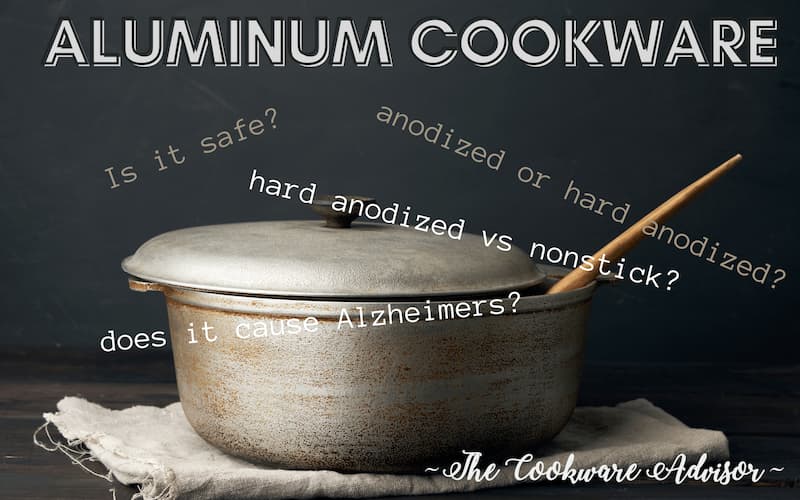
Credit: thecookwareadvisor.com
Health Concerns Linked To Aluminum
Hard anodized aluminum cookware is popular for its durability and non-stick surface. Many people wonder if this cookware is safe, especially about aluminum’s impact on health. Understanding the health concerns linked to aluminum helps make a smart choice. Aluminum is a common metal found in many products, including cookware, food additives, and packaging. Although it is lightweight and resistant to corrosion, some worry about aluminum exposure and its effects on the body.
Aluminum Exposure Risks
Aluminum enters the body mainly through food, water, and sometimes the air. Cooking with aluminum cookware can cause small amounts of aluminum to leach into food. This happens more with acidic or salty foods. High levels of aluminum exposure may affect health over time.
Possible risks of aluminum exposure include:
- Bone problems: Aluminum can interfere with calcium absorption, weakening bones.
- Brain effects: Some studies suggest links between aluminum and memory issues.
- Kidney stress: People with kidney problems may have trouble removing aluminum.
Here is a simple comparison of common aluminum exposure sources:
| Source | Exposure Level | Risk Level |
|---|---|---|
| Cookware | Low to moderate | Low |
| Food additives | Moderate | Medium |
| Occupational (industry) | High | High |
Using hard anodized aluminum reduces the risk because the surface is harder and more resistant. This limits aluminum leaching compared to regular aluminum cookware.
Studies On Aluminum And Health
Research on aluminum’s effects on health has mixed results. Many studies have tried to find a clear link between aluminum and diseases like Alzheimer’s. Some show small connections, but no strong proof exists.
Key points from research include:
- Aluminum is found in brain tissue of some Alzheimer’s patients, but its role is unclear.
- Animal studies show high aluminum intake can cause brain changes, but doses are much higher than normal human exposure.
- Most health experts say normal use of aluminum cookware is safe for healthy people.
Here is an overview of notable study outcomes:
| Study | Findings | Implications |
|---|---|---|
| Alzheimer’s Association Review | No clear evidence aluminum causes Alzheimer’s | Aluminum exposure from cookware is low risk |
| Animal Toxicology Studies | High doses cause brain changes | Human exposure usually much lower |
| Kidney Patients Study | Aluminum buildup can harm bone and brain | Patients should limit aluminum intake |
Experts recommend using hard anodized aluminum cookware and avoiding damaged or scratched surfaces. This keeps aluminum exposure minimal.
Safety Features Of Hard Anodized Cookware
Hard anodized aluminum cookware is popular for its unique safety features. These features protect your health and improve cooking quality. The cookware undergoes a special process that changes the aluminum surface. This process creates a strong, safe layer. It makes the cookware safe to use with many types of food. Understanding the safety features helps you choose the right cookware for your kitchen.
Non-reactive Surface
The most important safety feature of hard anodized cookware is its non-reactive surface. The anodizing process forms a thick oxide layer on the aluminum. This layer does not react with acidic or alkaline foods. It means your food keeps its true taste and color without metal contamination.
Key benefits of a non-reactive surface:
- No metallic taste: Foods like tomatoes or citrus stay fresh and natural.
- Safe for all recipes: Cook soups, sauces, and stews without worry.
- Prevents leaching: No harmful metals mix with your food during cooking.
Here’s a simple comparison of cookware surfaces:
| Cookware Type | Reacts with Acidic Food? | Possible Taste Change | Safety Level |
|---|---|---|---|
| Hard Anodized Aluminum | No | None | High |
| Regular Aluminum | Yes | Metallic | Low |
| Stainless Steel | No | None | High |
This non-reactive feature makes hard anodized cookware safe for everyday use.
Durability And Resistance To Corrosion
Hard anodized cookware is known for its exceptional durability. The anodizing process makes the aluminum surface extremely hard. This surface resists scratches, dents, and wear from daily use. The cookware stays in good condition for many years.
Corrosion resistance is another key safety feature. The oxide layer protects the metal underneath from rust and corrosion. This protection is important in wet kitchen environments. Corrosion can cause metal particles to mix with food, which is unsafe.
Benefits of durability and corrosion resistance include:
- Long-lasting cookware: Saves money by reducing replacement needs.
- Maintains food safety: No rust or metal contamination occurs.
- Easy to clean: The tough surface resists stains and damage.
Below is a quick durability rating of common cookware materials:
| Material | Scratch Resistance | Corrosion Resistance | Average Lifespan |
|---|---|---|---|
| Hard Anodized Aluminum | High | High | 10+ Years |
| Non-stick Coated Aluminum | Medium | Medium | 3-5 Years |
| Cast Iron | High | Low (Rust risk) | 20+ Years (with care) |
The strong, corrosion-resistant surface of hard anodized cookware keeps your food safe. It also ensures your cookware lasts longer without health risks.
:max_bytes(150000):strip_icc()/faw-product-kitchenaid-hard-anodized-induction-10-piece-nonstick-cookware-set-14-wdickey-267-9b89ff5018cb4aca8cc6fa57ed6fd878.jpeg)
Credit: www.foodandwine.com
Comparing Hard Anodized To Other Cookware
Hard anodized aluminum cookware stands out for its durability and safety. Its surface is chemically treated to create a hard, non-reactive layer. This makes it different from many other types of cookware. Comparing hard anodized cookware to other materials helps understand its benefits and possible drawbacks. It can guide you to pick the best option for your kitchen needs.
Versus Traditional Aluminum
Traditional aluminum cookware is lightweight and heats up quickly. However, it can react with acidic foods, causing a metallic taste and discoloration. This reaction may also lead to aluminum leaching into food, which some people worry about.
Hard anodized aluminum solves these problems by forming a tough, non-reactive surface. This layer:
- Prevents aluminum from leaching into food
- Resists scratches and dents better than regular aluminum
- Provides more even heating
Here is a quick comparison:
| Feature | Traditional Aluminum | Hard Anodized Aluminum |
|---|---|---|
| Weight | Light | Moderate |
| Durability | Soft, prone to dents | Very hard, scratch-resistant |
| Reactivity | Reacts with acidic foods | Non-reactive surface |
| Ease of Cleaning | Easy but can stain | Easy, resists staining |
Hard anodized aluminum offers a safer and longer-lasting option compared to traditional aluminum.
Versus Stainless Steel And Nonstick
Stainless steel and nonstick pans are also popular choices. Stainless steel is very durable and non-reactive. It works well for browning and searing food. But it can have hot spots and stick sometimes. It also needs more oil or fat for cooking.
Nonstick cookware usually has a Teflon or ceramic coating. It allows cooking with less oil and easy cleaning. But the coating can scratch or wear off over time. Some nonstick coatings may release harmful fumes if overheated.
Hard anodized aluminum combines benefits from both types:
- Durable and resistant to scratching like stainless steel
- Offers a naturally smooth surface that reduces sticking
- Heats evenly and quickly
- Does not release harmful chemicals
Comparison table:
| Feature | Stainless Steel | Nonstick | Hard Anodized Aluminum |
|---|---|---|---|
| Durability | Very high | Moderate, coating wears | High, tough surface |
| Stick Resistance | Low to moderate | High initially | Moderate, improves with use |
| Heat Distribution | Moderate | Good | Excellent |
| Safety | Non-reactive | Possible chemical release if overheated | Non-reactive, no chemical coating |
Hard anodized aluminum strikes a balance between durability, safety, and ease of use. It suits cooks who want both performance and peace of mind.
Proper Use And Maintenance Tips
Hard anodized aluminum cookware offers durability and excellent heat distribution. Proper use and maintenance keep it safe and extend its life. Following simple care tips prevents damage and maintains its nonstick surface. Clean and handle this cookware carefully for the best cooking results.
Cleaning Recommendations
Cleaning hard anodized aluminum cookware correctly helps preserve its finish and safety. Avoid harsh chemicals and rough scrubbing that can wear down the surface.
- Use warm water and mild dish soap for regular cleaning.
- Let the cookware cool before washing to prevent warping.
- Use a soft sponge or cloth; avoid steel wool or abrasive pads.
- For stuck food, soak the pan in warm soapy water for 10-15 minutes.
- Dry the cookware thoroughly with a soft towel to avoid water spots.
Occasionally, you can use a baking soda paste to remove stains:
Mix 1 tablespoon baking soda with 2 tablespoons water to form a paste. Apply gently on stained areas. Let it sit for 15 minutes. Rinse well and dry.| Cleaning Method | Recommended | Not Recommended |
|---|---|---|
| Dish Soap & Warm Water | ✔️ | ❌ |
| Steel Wool or Abrasive Pads | ❌ | ✔️ |
| Baking Soda Paste | ✔️ (Occasionally) | ❌ (Daily Use) |
| Dishwasher | ❌ | ✔️ |
Avoiding Damage
Proper handling prevents scratches and maintains cookware safety. Hard anodized aluminum resists wear but can still get damaged without care.
- Use wooden, silicone, or plastic utensils to protect the surface.
- Avoid metal tools that can scratch or chip the coating.
- Do not overheat empty pans; this can warp or discolor them.
- Store cookware carefully to avoid scratching; use pan protectors if stacked.
- Check for cracks or chips regularly; damaged cookware should not be used.
Follow these tips to keep cookware safe and efficient:
- Heat pans gradually, never on high heat immediately.
- Do not use cooking sprays; they leave residue hard to remove.
- Allow the pan to cool before cleaning to protect its surface.
- Use gentle cleaning methods to maintain the anodized layer.
Expert Opinions And Consumer Reviews
Hard anodized aluminum cookware has gained popularity for its durability and non-stick qualities. Many wonder about its safety for daily use. To understand its safety, expert opinions and consumer reviews provide valuable insight. Experts analyze the materials and cooking performance, while users share real-life experiences. Together, these perspectives help reveal the truth about hard anodized aluminum cookware.
Chef Perspectives
Professional chefs often recommend cookware that is safe, durable, and easy to maintain. Many chefs appreciate hard anodized aluminum because it heats quickly and evenly. This helps them cook food consistently without hot spots.
Key points from chef opinions include:
- Non-reactive surface: Hard anodizing creates a strong layer that prevents aluminum from leaching into food.
- Durability: The surface resists scratches and warping better than regular aluminum pans.
- Heat conduction: Aluminum core distributes heat evenly, improving cooking results.
- Maintenance: Easy to clean and often dishwasher safe, saving time in busy kitchens.
Some chefs, however, warn about overheating these pans. Excessive heat can damage the anodized layer, reducing the cookware’s lifespan. They recommend using medium to medium-high heat settings to keep the surface intact.
| Chef Opinion | Details |
|---|---|
| Safety | Hard anodized surface prevents aluminum exposure to food. |
| Performance | Quick, even heating with less sticking. |
| Care Tips | Use moderate heat and avoid metal utensils. |
Overall, chefs view hard anodized aluminum cookware as a safe and practical choice for both home and professional kitchens.
User Experiences
Consumer reviews give a clear picture of how hard anodized aluminum cookware performs in real kitchens. Most users report satisfaction with the non-stick quality and durability of these pans.
Common themes in user feedback include:
- Ease of cleaning: Food rarely sticks, making cleanup quick.
- Long-lasting surface: Many users note pans remain smooth after years of use.
- Heat distribution: Users appreciate even cooking without burning food.
- Appearance: The dark, matte finish hides stains and scratches well.
Some users mention issues such as:
- The coating can wear off if metal utensils are used frequently.
- Overheating may cause discoloration or damage.
- Some pans are heavier than traditional aluminum cookware.
| User Experience | Positive | Negative |
|---|---|---|
| Cleaning | Easy to clean, non-stick works well | None reported often |
| Durability | Lasts years without major damage | Coating can wear with metal utensils |
| Cooking | Heats evenly, reduces food burning | Can discolor if overheated |
Users overall trust hard anodized aluminum cookware for safe and effective cooking. Proper care and avoiding extreme heat enhance its lifespan.

Credit: prudentreviews.com
Frequently Asked Questions
Is Hard Anodized Aluminum Cookware Non-toxic?
Yes, hard anodized aluminum cookware is non-toxic. The anodizing process creates a hard, non-reactive surface. This prevents aluminum leaching into food, making it safe for cooking.
Does Hard Anodized Cookware Release Harmful Chemicals?
No, hard anodized cookware does not release harmful chemicals. The durable surface resists scratching and peeling. This ensures safe, chemical-free cooking over time.
Can Hard Anodized Aluminum Cookware Cause Aluminum Poisoning?
No, hard anodized aluminum cookware does not cause aluminum poisoning. The anodized layer blocks aluminum exposure. It is safe for daily cooking without health risks.
Is Hard Anodized Cookware Safe For Acidic Foods?
Yes, hard anodized cookware is safe for acidic foods. The non-reactive surface prevents reactions with acids. This keeps food taste pure and cookware intact.
Conclusion
Hard anodized aluminum cookware offers strong, durable cooking tools. It resists scratches and does not react with food. This makes it a safe choice for everyday use. Cleaning is simple and the cookware lasts long. Just avoid using metal utensils to keep the surface intact.
Many cooks trust this type of cookware for healthy meals. Choose hard anodized pots and pans for safe, easy cooking.

Hello, This is Annie Walker, a 38-year-old blogger, founder, and editor of Cookware Guider from NY, USA. I am a cookware fanatic and passionate cooker. I love to cook with different types of cooking appliances (example: all types of cookware, rice cookers, slow cookers, etc) almost every day in my kitchen. I love to share my experience with my readers in my blog. Also, I enjoy helping people to solve their problems through my website. You can follow me on Twitter & Pinterest. To know details about my blog please check the about us page.