
Are you worried about harmful chemicals in your cookware? You might have heard about PFAS and wondered if Viking Cookware contains them.
These chemicals can affect your health, so it’s important to know what’s inside the pots and pans you use every day. You’ll discover the truth about Viking Cookware and PFAS, helping you make safer choices for your kitchen and your family.
Keep reading to find out what you need to know before your next meal.
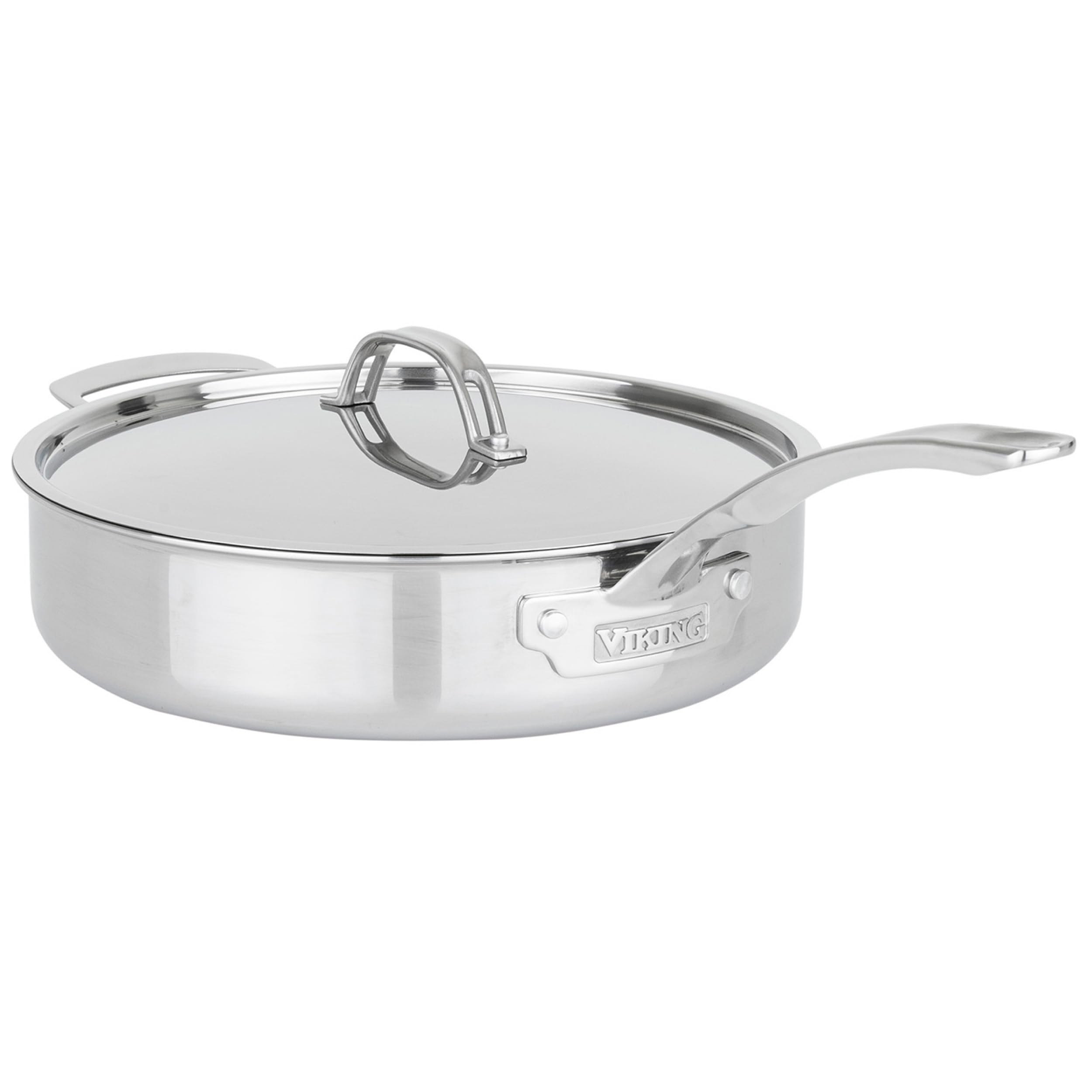
Credit: www.amazon.com
Viking Cookware Materials
Viking cookware is known for its quality and durability. The materials used play a big role in performance and safety. Understanding these materials helps you choose the right cookware for your kitchen.
Viking uses a mix of metals and coatings. Each part has a special job. The base, core, and surface all affect cooking results and health concerns.
Types Of Coatings Used
Viking cookware often features non-stick coatings. These coatings help food release easily. Some models use ceramic-based coatings. Ceramic coatings are free from PTFE and PFOA chemicals.
Other Viking pans use traditional PTFE non-stick coatings. PTFE is safe when used correctly but may raise questions about PFAS. PFAS are chemicals linked to some health risks. Viking states their products meet safety standards and limits on harmful chemicals.
Core Construction Details
Viking cookware cores usually combine stainless steel and aluminum. Stainless steel offers strength and resistance to rust. Aluminum inside helps heat spread evenly and quickly.
Some pans have multi-ply construction. Layers of metal are bonded for better heat control. This design prevents hot spots and warping.
The core materials themselves do not contain PFAS. The concern mainly lies in the coatings. Knowing the core helps understand how the pan cooks and lasts.

Credit: www.vikingculinaryproducts.com
What Are Pfas?
PFAS stands for per- and polyfluoroalkyl substances. These are man-made chemicals used in many products. They resist water, grease, and stains. PFAS are sometimes called “forever chemicals” because they do not break down easily. These chemicals can build up in the environment and in the human body.
People worry about PFAS in everyday items. Cookware is one such product where PFAS may be present. Understanding what PFAS are helps you make safer choices.
Common Uses In Cookware
PFAS are often used in non-stick cookware coatings. They help food slide off pans easily. Many brands use PFAS to prevent sticking and make cleaning simple. Some bakeware and microwave-safe containers also contain PFAS. These chemicals improve durability and resistance to heat. Not all cookware has PFAS, but it is common in many types.
Health Concerns Linked To Pfas
PFAS can stay in the human body for years. Studies link PFAS exposure to health problems. These include hormone disruption, immune system issues, and increased cancer risk. Some PFAS types may affect cholesterol levels and liver function. Children and pregnant women are especially sensitive. Reducing contact with PFAS helps protect health over time.
Pfas In Viking Cookware
PFAS are chemicals used to make cookware nonstick and resistant to stains. Many people worry about PFAS because they can harm health. Viking Cookware is popular, so many ask if it contains PFAS. This section looks closely at Viking Cookware and PFAS presence.
Company Statements And Policies
Viking Cookware states it does not use PFAS in its products. The company focuses on safe materials for cooking. Their policy aims to avoid harmful chemicals. Viking shares details about materials used in their cookware. They promise no PFAS or similar toxic substances in their coatings.
Independent Test Results
Several labs tested Viking Cookware for PFAS content. Results show no detectable PFAS in their products. Tests check for common PFAS types in nonstick coatings. Viking Cookware passed these tests with clean results. This supports the company’s claim of PFAS-free cookware.
Safe Cooking Practices
Safe cooking practices help protect your health and improve your cooking results. Using the right cookware and taking good care of it keeps your meals safe and tasty. It also lowers the risk of harmful chemicals entering your food. Let’s explore how to maintain your cookware and avoid chemicals that can be bad for you.
Maintaining Your Cookware
Clean your cookware after every use. Use warm water and mild soap for washing. Avoid harsh scrubbers that can scratch the surface. Scratches can cause the release of unwanted chemicals. Dry your cookware well before storing it. Store pots and pans in a dry place to prevent rust or damage.
Check your cookware regularly for signs of wear. Replace any pieces that have deep scratches or peeling layers. Proper maintenance extends the life of your cookware and keeps it safe for cooking.
Avoiding Harmful Chemicals
Choose cookware made without PFAS or other harmful chemicals. PFAS can release toxic fumes when heated to high temperatures. Avoid non-stick coatings that contain these chemicals. Use cookware made of stainless steel, cast iron, or ceramic instead.
Cook at medium or low heat to prevent chemical breakdown. Avoid overheating empty pans. High heat can release dangerous substances from some cookware surfaces. Using safe cookware and cooking methods helps keep your food pure and healthy.
Alternatives To Pfas Cookware
Choosing cookware without PFAS is important for healthier cooking. PFAS are chemicals used in many non-stick pans. They may release harmful substances when heated. Many people want safer options for their kitchens. Several alternatives do not contain PFAS and still work well for cooking.
Ceramic Options
Ceramic cookware is a popular choice for non-toxic cooking. It has a natural non-stick surface without harmful chemicals. Ceramic pans heat evenly and clean up easily. They are safe for cooking at medium temperatures. These pans can last long with proper care. Many brands offer ceramic-coated pots and pans that avoid PFAS.
Stainless Steel Choices
Stainless steel cookware is durable and PFAS-free. It does not have a non-stick coating but performs well with proper cooking methods. Stainless steel heats quickly and holds heat well. It is excellent for searing, sautéing, and boiling. This type of cookware can last for years without damage. It is also easy to clean and maintain.

Credit: www.amazon.com
Frequently Asked Questions
Does Viking Cookware Contain Pfas Chemicals?
No, Viking Cookware does not contain PFAS chemicals. The brand uses safe, non-toxic materials that are free from harmful substances like PFAS. This ensures healthier cooking and peace of mind for users concerned about chemical exposure.
Is Viking Cookware Safe For Non-stick Cooking?
Yes, Viking Cookware offers safe non-stick options that do not use PFAS. Their coatings are designed to provide durability and safe cooking without harmful chemicals, making them a healthier choice for everyday use.
How To Identify Pfas-free Cookware Like Viking?
Look for labels stating “PFAS-free” or “PFOA-free” on cookware packaging. Viking Cookware clearly markets its products as free from PFAS, assuring buyers of chemical safety and compliance with health standards.
Why Avoid Pfas In Cookware?
PFAS chemicals can release toxic fumes when heated, posing health risks. Avoiding PFAS cookware like Viking helps reduce exposure to potentially harmful substances during cooking and promotes safer kitchen environments.
Conclusion
Viking cookware does not contain PFAS chemicals. This makes it a safer choice for cooking. You can enjoy your meals without worry about harmful chemicals. The brand focuses on quality and health. Choosing cookware matters for your family’s well-being. Always check labels and product details before buying.
Safe cookware helps keep your kitchen healthy. Trust reliable brands that prioritize safety. Your cooking experience should be worry-free and enjoyable.

Hello, This is Annie Walker, a 38-year-old blogger, founder, and editor of Cookware Guider from NY, USA. I am a cookware fanatic and passionate cooker. I love to cook with different types of cooking appliances (example: all types of cookware, rice cookers, slow cookers, etc) almost every day in my kitchen. I love to share my experience with my readers in my blog. Also, I enjoy helping people to solve their problems through my website. You can follow me on Twitter & Pinterest. To know details about my blog please check the about us page.