
Have you ever stood in front of your kitchen cabinet wondering just how big a saucepan really is? Choosing the right size can make a huge difference in your cooking experience.
If your saucepan is too small, you might struggle to cook enough food for your family. Too big, and you could waste energy and space. You’ll discover exactly how saucepan sizes work, what measurements to look for, and how to pick the perfect one for your needs.
Keep reading, and you’ll never second-guess your saucepan size again.
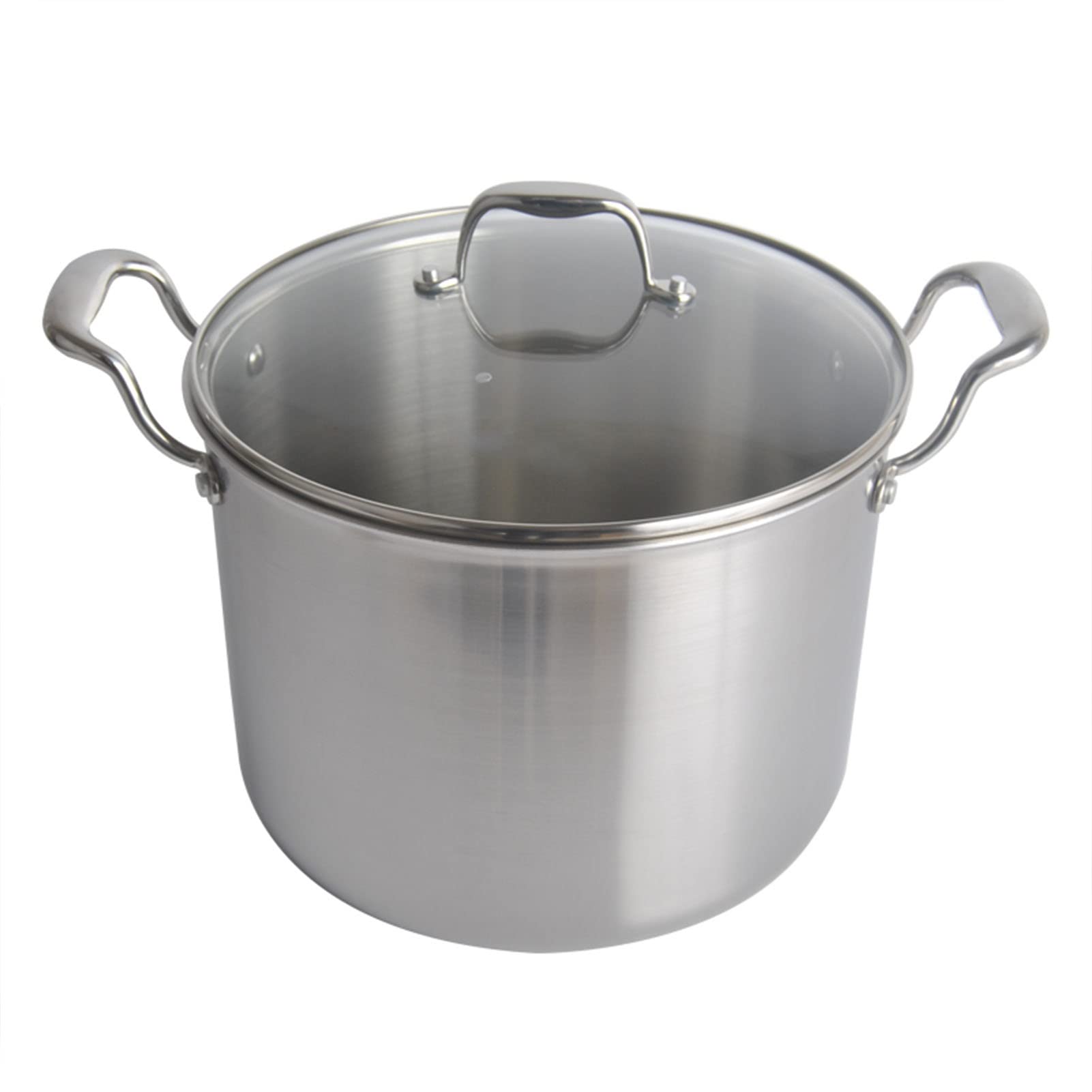
Credit: www.amazon.com
Saucepan Sizes
Understanding saucepan sizes helps in choosing the right pot for cooking needs. Saucepans come in many sizes, each designed for different tasks. Size affects how much food you can cook and how fast it cooks. Knowing typical sizes makes shopping easier and cooking more efficient.
Common Capacities
Saucepans usually range from small to large capacities. The capacity is how much liquid the pan can hold, measured in liters or quarts. Common sizes include:
- 1 quart (about 1 liter): Ideal for small tasks like melting butter or heating sauces.
- 2 quarts (about 2 liters): Good for cooking grains, soups, or small portions of vegetables.
- 3 quarts (about 3 liters): Useful for larger meals or boiling pasta for one or two people.
- 4 quarts (about 4 liters): Great for family-sized meals or making stews and stocks.
Here is a quick overview:
| Capacity | Best For |
|---|---|
| 1 quart / 1 liter | Small sauces, melting butter |
| 2 quarts / 2 liters | Soups, grains, small portions |
| 3 quarts / 3 liters | Boiling pasta, medium meals |
| 4 quarts / 4 liters | Family meals, stews, stocks |
Choosing the right capacity saves energy and time. A saucepan too big wastes heat; one too small causes spills.
Typical Dimensions
The size of a saucepan also depends on its diameter and height. Diameter measures the width across the top. Height measures from the bottom to the rim. Both affect cooking space and heat distribution.
Common dimensions for saucepans are:
- Small (1-1.5 quart): Diameter 14-16 cm (5.5-6.3 inches), height 7-9 cm (2.7-3.5 inches)
- Medium (2-3 quart): Diameter 16-20 cm (6.3-7.9 inches), height 8-11 cm (3.1-4.3 inches)
- Large (4 quart and above): Diameter 20-24 cm (7.9-9.4 inches), height 10-13 cm (3.9-5.1 inches)
| Size | Diameter (cm/inches) | Height (cm/inches) |
|---|---|---|
| Small (1-1.5 qt) | 14-16 cm / 5.5-6.3″ | 7-9 cm / 2.7-3.5″ |
| Medium (2-3 qt) | 16-20 cm / 6.3-7.9″ | 8-11 cm / 3.1-4.3″ |
| Large (4+ qt) | 20-24 cm / 7.9-9.4″ | 10-13 cm / 3.9-5.1″ |
Height affects how much liquid the saucepan can hold without spilling. Diameter impacts how fast food cooks. A wider pan lets moisture escape faster.
Choosing Size Based On Use
Choosing the right saucepan size depends on what you cook most often. Saucepans come in various sizes to suit different cooking needs. Picking the correct size saves time and energy. It also helps to avoid waste or spills. Understanding saucepan sizes helps in selecting the best one for your kitchen tasks.
Small Saucepans For Sauces
Small saucepans usually range from 1 to 2 quarts. They are perfect for making sauces, melting butter, or heating small amounts of food. Their compact size allows quick heating and easy control over temperature.
- Ideal for: Sauces, gravies, and reductions.
- Easy to handle: Lightweight and quick to clean.
- Energy efficient: Uses less heat for small portions.
Here is a simple size guide for small saucepans:
| Capacity | Use | Example |
|---|---|---|
| 1 quart | Melting butter or warming milk | Perfect for one or two people |
| 1.5 quarts | Making small sauces and dressings | Good for daily sauce prep |
Small saucepans are great for precise cooking. They prevent burning by heating food evenly. Their size fits well on any stove without crowding.
Medium Saucepans For Everyday Cooking
Medium saucepans usually hold between 2 to 4 quarts. They suit most daily cooking tasks, like boiling vegetables, cooking grains, or making soups.
- Versatile: Can cook larger portions or multiple servings.
- Balanced size: Not too big or too small for most kitchens.
- Good heat distribution: Cooks food evenly and quickly.
Here are common uses for medium saucepans:
- Boiling pasta or rice for 2-4 people.
- Making stews or soups.
- Simmering sauces in larger amounts.
This size fits well for small families or couples who cook regularly. It offers enough space without wasting energy on heating too large a pot. Medium saucepans are often the best all-around choice for many kitchens.
Large Saucepans For Families
Large saucepans range from 4 quarts and up. They work well for cooking meals for families or groups. Big saucepans can handle large quantities of food at once.
- Capacity: Suitable for soups, stews, and boiling big batches.
- Space: Fits enough food for 5 or more people.
- Sturdy and heavy: Built to hold more weight and heat.
Large saucepans are perfect for meal prep or cooking for guests. They save time by cooking many servings in one pot. Choose a large saucepan with a thick base for even heat and durability.
| Size | Best For | Number of Servings |
|---|---|---|
| 4 quarts | Soups, stews, boiling pasta | 4-6 servings |
| 6 quarts or more | Large family meals, batch cooking | 6+ servings |
Large saucepans need more storage space and careful handling. They work best on sturdy stovetops that can support their weight. These pots are a smart choice for bigger households or frequent entertainers.
Material Impact On Size
The size of a saucepan is not just about its volume or diameter. The material it is made from greatly affects its actual size and usability. Different materials add weight and thickness, changing how the saucepan feels and performs. Understanding the material impact on size helps choose the right saucepan for your cooking needs.
Weight And Thickness
The material of a saucepan influences its weight and thickness. Heavy materials like cast iron make the pan thicker and heavier. Lighter materials like aluminum create thinner, lighter saucepans. Weight and thickness affect how easy it is to handle the pan and how long it takes to heat up.
Common materials and their typical weight/thickness traits:
- Cast Iron: Very heavy and thick. Great for slow cooking and heat retention.
- Stainless Steel: Medium weight and thickness. Durable and often layered for better performance.
- Aluminum: Light and thin. Heats quickly but may warp if too thin.
- Copper: Medium weight, often lined with stainless steel for durability.
| Material | Weight | Thickness | Effect on Size |
|---|---|---|---|
| Cast Iron | Heavy | Thick | Larger feel, harder to lift |
| Stainless Steel | Moderate | Medium | Balanced size and weight |
| Aluminum | Light | Thin | Smaller feel, easy to handle |
| Copper | Medium | Medium | Compact but sturdy |
Thicker pans often mean slower heating but better heat retention. Lighter pans heat faster but may need careful handling to avoid warping. Choose a material that matches your cooking style and comfort with weight.
Heat Distribution
Heat distribution depends largely on the material of the saucepan. Good heat distribution means food cooks evenly without hot spots. This affects how big or small a saucepan feels because some materials need thicker bases to spread heat well.
How materials affect heat distribution:
- Cast Iron: Excellent heat retention but slow to heat. Thick walls help even heat.
- Stainless Steel: Poor conductor alone, often combined with aluminum or copper layers for better heat spread.
- Aluminum: Excellent heat conductor. Thin pans heat quickly and evenly but can lose heat fast.
- Copper: Best heat conductor. Thin copper pans heat evenly, but copper is expensive and soft.
Materials with poor heat conduction need thicker bases, making the saucepan feel bigger and heavier. Materials with good conduction allow thinner pans, making them lighter and more compact.
Here is a simple comparison of heat conduction ability:
| Material | Heat Conduction | Base Thickness Needed |
|---|---|---|
| Cast Iron | Low | Thick |
| Stainless Steel | Low (unless layered) | Thick |
| Aluminum | High | Thin |
| Copper | Very High | Thin |
Choosing the right material helps control saucepan size and cooking quality. A pan that heats evenly cooks food better and feels right in your kitchen.
Measuring Your Saucepan
Understanding the size of a saucepan helps you cook better and choose the right pot for your kitchen. Measuring your saucepan is a simple way to know its capacity and how much food it can hold. This knowledge avoids cooking too much or too little at once. It also helps when following recipes that list pan sizes. Let’s explore how to measure a saucepan correctly.
Diameter Vs. Height
The two main dimensions of a saucepan are its diameter and height. Both affect how much it can hold and how it cooks.
- Diameter: This is the distance across the top of the saucepan, from one edge to the other. It shows the size of the opening.
- Height: This is how tall the saucepan is from the base to the rim.
Each dimension plays a different role:
| Dimension | What It Affects | Notes |
|---|---|---|
| Diameter | Cooking surface area and how evenly heat spreads | Wider diameter means more surface for evaporation |
| Height | Volume capacity and depth for liquids | Taller pans hold more liquid but may heat slower |
Measuring diameter is easy with a ruler or tape measure across the top. Measure height from the base to the rim. Both numbers help calculate volume if needed.
Volume Measurement Tips
Volume tells how much liquid or food your saucepan can hold. Knowing this helps prevent spills and underfilling.
Here are simple ways to measure volume:
- Fill the saucepan with water using a measuring cup.
- Note how many cups or liters it takes to fill to the brim.
- Mark a safe fill level below the rim to avoid overflow during cooking.
If you want to calculate volume mathematically, use this formula for a cylinder-shaped saucepan:
Volume = π × (radius)² × heightWhere:
- Radius = half of the diameter
- Height is the saucepan’s height
- π (pi) ≈ 3.14
This formula gives volume in cubic units. Convert cubic centimeters to liters by dividing by 1000.
Here’s a quick volume reference for common saucepan sizes:
| Diameter (inches) | Height (inches) | Approx. Volume (liters) |
|---|---|---|
| 16 | 10 | 3.3 |
| 20 | 12 | 6.1 |
| 24 | 14 | 10.2 |
Using these tips helps you pick the right saucepan size for your recipes and kitchen needs.
Comparing Saucepans To Other Cookware
Understanding the size and function of a saucepan helps in choosing the right cookware for your kitchen. Comparing saucers to other common cookware pieces clarifies their unique features and best uses. This section explores how saucers differ from pots and skillets, helping you decide which tool fits your cooking needs.
Saucepans Vs. Pots
Saucepans and pots both serve as essential cooking vessels, but they have distinct shapes and purposes. A saucepan typically has a smaller diameter and taller sides. This design helps in cooking liquids like sauces, soups, and boiling small amounts of water.
Pots are larger and wider, with shorter sides compared to saucers. They are ideal for cooking larger meals, such as stews or pasta, where more space is needed for ingredients.
| Feature | Saucepan | Pot |
|---|---|---|
| Size | Small to medium (1-4 quarts) | Medium to large (4-12 quarts) |
| Shape | Tall sides, narrow diameter | Wide base, shorter sides |
| Common Use | Heating sauces, boiling eggs, small portions | Cooking soups, stews, large pasta batches |
| Heat Distribution | Even heat for liquids | Good for simmering large volumes |
Choosing between a saucepan and a pot depends on the volume of food and type of dish. Use a saucepan for precision and control with liquids. Use a pot when cooking large quantities or foods that need space to move.
Saucepans Vs. Skillets
Saucepans and skillets differ mainly in shape and cooking method. Skillets, also called frying pans, have a wide flat bottom and low, sloping sides. This shape allows quick evaporation of moisture and easy flipping of food.
Saucepans have tall sides and a smaller cooking surface. They hold liquids well, making them perfect for simmering, boiling, or making sauces.
- Saucepans are best for slow cooking and heating liquids evenly.
- Skillets excel at frying, sautéing, and searing food quickly.
| Aspect | Saucepan | Skillet |
|---|---|---|
| Shape | Tall sides, narrow base | Wide base, low sides |
| Heat Use | Even, gentle heating | High heat, fast cooking |
| Food Types | Soups, sauces, boiling | Meats, vegetables, frying |
| Cooking Style | Simmering, slow cooking | Searing, browning, frying |
Both pans are useful in the kitchen but serve different roles. Pick a saucepan for making sauces or boiling. Choose a skillet for frying and cooking foods that need a crisp texture.
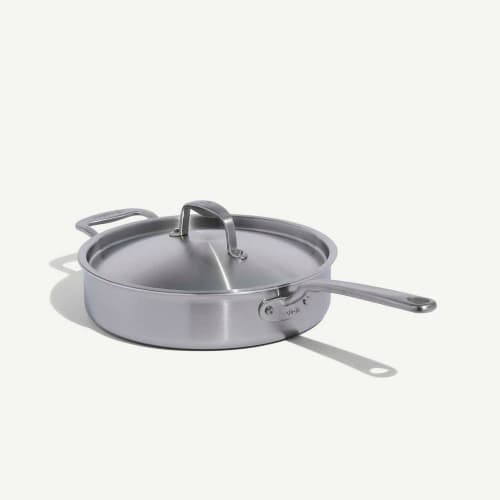
Credit: www.guestsupply.com
Storage And Space Considerations
Understanding the size of a saucepan helps in planning your kitchen storage wisely. Saucepans come in various sizes, from small 1-quart pots to large 5-quart ones. Choosing the right size affects how much space they take up in your cabinets or drawers. Storage and space considerations are important to keep your kitchen organized and accessible. Proper storage methods help protect your saucepans and save valuable kitchen room.
Stacking Saucepans
Stacking saucepans is a common way to save cabinet space. It keeps your kitchen neat and makes it easier to find the pot you need. To stack saucepans safely, follow these tips:
- Match sizes: Place smaller saucepans inside larger ones for a secure fit.
- Use pan protectors: Soft liners or cloths between pans prevent scratches and dents.
- Keep lids separate: Store lids vertically in a rack or basket to avoid clutter.
Stacking saucepans can reduce the space they occupy by up to 50%. Here is a simple size guide for stacking:
| Pan Size | Fits Inside | Approx. Height When Stacked |
|---|---|---|
| 1-Quart | 2-Quart | 4 inches |
| 2-Quart | 3-Quart | 5.5 inches |
| 3-Quart | 5-Quart | 7 inches |
Stacking works best with saucepans of similar shape and size. Round pans stack more easily than square or oval ones. Avoid stacking pans with non-stick coatings directly on top of each other without protection. This keeps the coating safe and extends the life of your saucepans.
Space-saving Alternatives
Some kitchens have limited space that stacking alone cannot solve. Space-saving alternatives help organize saucepans efficiently while keeping them easy to reach. Here are some popular options:
- Hanging racks: Mount racks on walls or under cabinets to hang saucepans by their handles.
- Pull-out drawers: Deep drawers with dividers keep saucepans visible and easy to access.
- Pot racks: Ceiling or wall-mounted racks hold multiple saucepans and lids, freeing cabinet space.
- Nesting sets: Buy saucepans designed to nest inside each other perfectly.
Here is a quick comparison of space-saving methods:
| Method | Space Saved | Accessibility | Installation Needed |
|---|---|---|---|
| Hanging Racks | High | Easy | Yes |
| Pull-out Drawers | Medium | Very Easy | Yes |
| Pot Racks | High | Easy | Yes |
| Nesting Sets | Medium | Easy | No |
Choosing the right alternative depends on your kitchen size and layout. Hanging and pot racks work well in open kitchens with wall space. Pull-out drawers suit kitchens with deep cabinets. Nesting sets are ideal for any kitchen and reduce clutter without extra furniture.

Credit: hpcind.com
Frequently Asked Questions
What Is The Average Size Of A Saucepan?
The average saucepan size ranges from 1 to 4 quarts. Smaller pans suit sauces, while larger ones handle soups or stews. Choosing the right size depends on your cooking needs and portion sizes.
How To Measure The Size Of A Saucepan?
Measure saucepan size by its capacity, usually in quarts or liters. Fill with water and pour into a measuring cup. Check the manufacturer’s label for exact capacity details.
What Size Saucepan Is Best For Family Cooking?
A 3 to 4-quart saucepan is ideal for family meals. It can cook soups, sauces, and side dishes efficiently. This size balances capacity and kitchen storage space well.
Can Saucepan Size Affect Cooking Time?
Yes, larger saucepans take longer to heat but cook more food at once. Smaller pans heat quickly but hold less food. Choose size based on cooking speed and quantity needed.
Conclusion
Saucepans come in many sizes to fit different cooking needs. Choosing the right size helps you cook better and waste less food. Small saucepans suit sauces and small meals. Larger ones work well for soups and bigger dishes. Knowing saucepan sizes saves time in the kitchen.
It also makes cooking easier and more fun. Keep your needs in mind when picking a saucepan. That way, you get the best fit for your meals. Simple and smart choices make cooking smooth every day.

Hello, This is Annie Walker, a 38-year-old blogger, founder, and editor of Cookware Guider from NY, USA. I am a cookware fanatic and passionate cooker. I love to cook with different types of cooking appliances (example: all types of cookware, rice cookers, slow cookers, etc) almost every day in my kitchen. I love to share my experience with my readers in my blog. Also, I enjoy helping people to solve their problems through my website. You can follow me on Twitter & Pinterest. To know details about my blog please check the about us page.