
Are you looking for cookware that keeps your meals healthy and safe? Granite stone cookware has become popular, but you might be wondering: is it really non-toxic?
Choosing the right pots and pans matters because what touches your food can affect your health. You’ll discover the truth about granite stone cookware, how it’s made, and what it means for your kitchen and well-being. Keep reading to find out if this popular cookware is a smart and safe choice for you.
Granite Stone Cookware Basics
Granite stone cookware has become popular for its strong build and sleek look. Many people ask if this cookware is safe and non-toxic. Understanding the basics of granite stone cookware helps clear doubts. This section explains what it is made of and how it is made. Knowing these facts helps decide if it suits your kitchen and health needs.
Material Composition
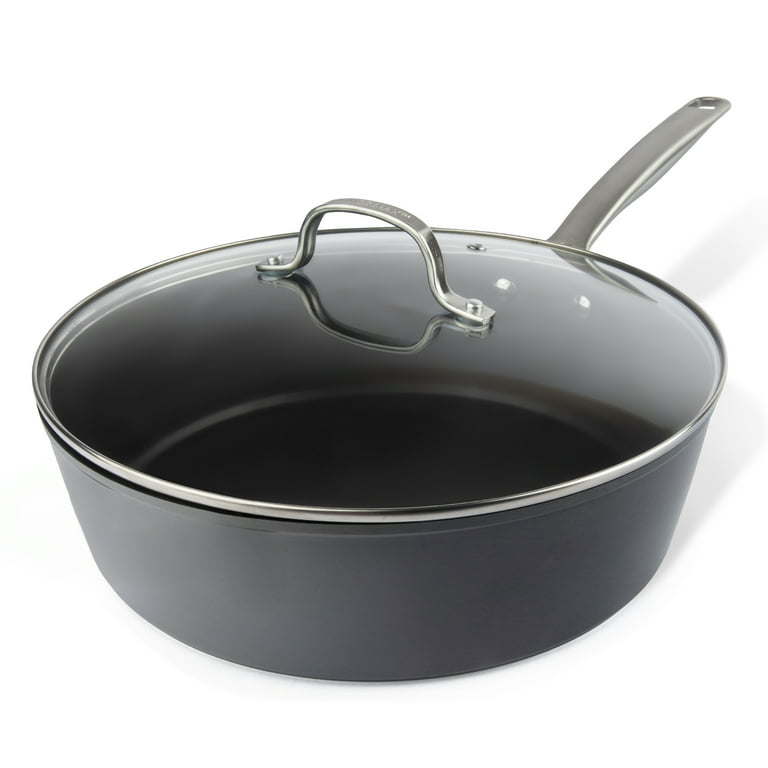
Granite stone cookware is not made from real granite rock. Instead, it usually has a base metal coated with a layer that looks like granite. This layer is often a type of non-stick coating mixed with stone particles. The main materials include:
- Aluminum or Stainless Steel Base: These metals provide strength and good heat conduction.
- Granite-like Coating: A mix of non-stick materials and stone particles gives the cookware its granite look and texture.
- Non-Toxic Coatings: Many brands use coatings free from harmful chemicals like PFOA and PTFE.
The coating aims to prevent food from sticking and to make cleaning easier. It also resists scratches and wear better than some traditional non-stick surfaces.
| Component | Description | Purpose |
|---|---|---|
| Aluminum/Stainless Steel | Metal base | Heat conduction and durability |
| Granite-like Coating | Stone particles + Non-stick layer | Non-stick surface and scratch resistance |
| Non-Toxic Elements | Free from PFOA and PTFE | Safe cooking without harmful chemicals |
Granite stone cookware often avoids toxic substances found in some older non-stick pans. This makes it a safer choice for daily cooking.
Manufacturing Process
The making of granite stone cookware involves several steps. The goal is to create a strong, safe, and non-stick cooking surface. Here is an overview:
- Metal Shaping: The aluminum or stainless steel base is shaped into pans or pots.
- Cleaning: The metal surface is cleaned carefully to help the coating stick well.
- Coating Application: Multiple layers of non-stick coating mixed with stone particles are sprayed or rolled on.
- Curing: The cookware goes into an oven at high heat to harden the coating.
- Quality Check: The finished pans are tested for coating thickness and durability.
This process gives granite stone cookware a strong surface that lasts longer than some other pans. The coating layers are thick and bonded tightly to the base.
Manufacturers often avoid using harmful chemicals like PFOA (perfluorooctanoic acid) and PTFE (polytetrafluoroethylene) in this process. These chemicals can release toxic fumes at high heat.
Safe manufacturing means safer cookware for your home. Each step focuses on making the pan both effective and healthy for cooking.

Credit: www.amazon.com
Health Safety Of Granite Stone Cookware
Granite stone cookware is popular for its durability and elegant look. Many people ask about its safety for daily cooking. The health safety of granite stone cookware is important because cookware can affect the food we eat. This section explains if granite stone cookware is truly non-toxic and safe for your family.
Chemical-free Claims
Many brands say their granite stone cookware is chemical-free. This means they do not use harmful substances like PFOA, PTFE, lead, or cadmium. These chemicals can cause health problems if they enter food.
Here are some key points about these claims:
- PFOA and PTFE: Often found in traditional non-stick pans, but usually absent in granite stone cookware.
- Lead and Cadmium: Toxic metals that should never be in cookware. Reputable granite stone cookware is free from these.
- Certifications: Look for FDA approval or other health safety certificates.
| Chemical | Health Risk | Presence in Granite Stone Cookware |
|---|---|---|
| PFOA | Linked to cancer and liver damage | Usually absent |
| PTFE | Releases toxic fumes at high heat | Often absent |
| Lead | Causes brain and kidney damage | Not present in quality products |
| Cadmium | Can cause bone and lung problems | Not present in quality products |
Always check product labels. Some low-quality granite cookware may still contain unsafe chemicals. Buying from trusted brands ensures better safety.
Non-toxic Coating Properties
Granite stone cookware usually has a coating made from natural minerals. This coating is designed to be non-stick and safe without toxic chemicals. It allows cooking with less oil and prevents food from sticking.
Important features of this coating include:
- Heat resistance: The coating can handle high cooking temperatures without breaking down.
- Durability: It resists scratches and does not peel easily.
- Non-reactive surface: It does not react with acidic or alkaline foods, keeping flavors pure.
Most granite stone cookware coatings do not release fumes or harmful particles during cooking. This makes them safer than some traditional non-stick pans.
Here is a simple comparison of common coatings:
| Coating Type | Non-Toxic | Heat Resistance | Durability |
|---|---|---|---|
| Granite Stone Coating | Yes | Up to 450°F (232°C) | High |
| PTFE (Teflon) | No (at high heat) | Up to 500°F (260°C) | Medium |
| Ceramic | Yes | Up to 450°F (232°C) | Medium |
Proper use and care increase the lifespan of the non-toxic coating. Avoid metal utensils and harsh cleaning tools to keep the surface intact.
Comparison With Other Cookware
Choosing the right cookware affects your health and cooking results. Granite stone cookware is popular for its non-toxic qualities. Comparing it with other types helps understand its benefits and drawbacks. This section explores how granite stone stands against ceramic and Teflon cookware.
Ceramic Vs Granite Stone
Ceramic cookware is known for being free of harmful chemicals. It uses a natural clay base and is often coated with a smooth glaze. Granite stone cookware, on the other hand, has a base coated with a granite-like finish. Both claim to be non-toxic, but they differ in durability and heat handling.
- Non-Toxic Nature: Both are free from PTFE and PFOA, chemicals linked to health risks.
- Durability: Granite stone coatings resist scratches better than ceramic.
- Heat Resistance: Ceramic can withstand high heat but may crack; granite stone is more robust.
- Cooking Surface: Ceramic offers a smoother surface; granite stone has a slightly textured feel.
| Feature | Ceramic Cookware | Granite Stone Cookware |
|---|---|---|
| Non-Toxic | Yes, no PTFE or PFOA | Yes, no PTFE or PFOA |
| Scratch Resistance | Moderate | High |
| Heat Tolerance | High but fragile | High and sturdy |
| Surface Texture | Smooth | Textured |
Both options are safe for health. Granite stone tends to last longer and handle rough use better. Ceramic suits gentle cooking and careful handling.
Teflon Vs Granite Stone
Teflon cookware is famous for its non-stick surface. It uses PTFE, a synthetic chemical, which can release toxic fumes if overheated. Granite stone cookware avoids these chemicals, offering a safer cooking experience.
- Health Safety: Granite stone is free of PTFE and PFOA; Teflon contains these chemicals.
- Non-Stick Quality: Teflon provides a very smooth, slick surface that requires less oil.
- Durability: Granite stone coatings are tougher and resist chipping better than Teflon.
- Heat Limits: Teflon should not exceed 500°F to avoid fumes; granite stone can handle higher heat safely.
| Feature | Teflon Cookware | Granite Stone Cookware |
|---|---|---|
| Non-Toxic | No, may release toxic fumes if overheated | Yes, free from harmful chemicals |
| Non-Stick | Excellent | Good, but slightly textured |
| Durability | Moderate, coating can peel | High, resistant to chipping |
| Heat Resistance | Up to 500°F | Higher than 500°F |
Granite stone cookware offers a safer, more durable alternative. Teflon is better for very low-fat cooking but carries health risks if misused.
Credit: www.walmart.com
Potential Risks And Concerns
Granite stone cookware often claims to be a safe, non-toxic option for everyday cooking. But some concerns remain about its long-term use and safety. Understanding the potential risks and concerns helps in choosing the right cookware for health and kitchen needs. This section looks at two main issues: how wear and tear affect the cookware, and its heat resistance and safety during cooking.
Wear And Tear Effects
Granite stone cookware usually has a coating that gives it its non-stick and durable properties. Over time, this coating can wear down due to regular use. Scratches, chips, or peeling may happen, especially if metal utensils or abrasive cleaners are used.
Risks linked to wear and tear include:
- Exposure of the base material, which may not be non-toxic
- Loss of non-stick properties, leading to more oil use
- Potential ingestion of small particles from the coating
- Increased risk of bacteria buildup in damaged areas
Some granite cookware brands use a ceramic-based coating, which is generally safer. Still, once the surface is damaged, the cookware’s safety decreases. Proper care can extend the life and safety of granite cookware.
| Cause of Damage | Effect on Cookware | Health Concern |
|---|---|---|
| Metal utensils | Scratches on coating | Possible coating particles in food |
| Abrasive cleaning | Peeling or dull surface | Reduced non-stick, harder cleaning |
| High impact drops | Chips or cracks | Exposure of base material |
Tip: Use soft utensils and gentle cleaning tools to protect the surface. Inspect cookware regularly for damage.
Heat Resistance And Safety
Granite stone cookware handles heat well but has limits. It usually tolerates medium to high heat without damage. Exposing it to extreme temperatures can cause cracks or coating breakdown.
Important points about heat safety:
- Do not use granite cookware on very high heat settings
- Avoid sudden temperature changes (thermal shock)
- Preheat cookware gradually to protect the coating
- Some coatings release fumes if overheated, which can be harmful
Most granite cookware is safe up to about 450°F (230°C). Beyond this, the coating may degrade, releasing particles or fumes. Using cookware within recommended heat levels reduces risks.
| Heat Level | Effect on Cookware | Safety Note |
|---|---|---|
| Low to Medium (200-350°F) | Safe for most cooking | Ideal for frying, sautéing |
| High (350-450°F) | Acceptable but avoid long exposure | Good for searing, quick cooking |
| Very High (450°F+) | Coating may degrade or crack | Can release fumes or particles |
Safety tip: Use medium heat and avoid empty heating. Always follow manufacturer instructions for temperature limits.
User Experiences And Reviews
Many people choose granite stone cookware because of its non-toxic claims. Understanding real user experiences helps verify these claims. Reviews and feedback from buyers reveal how safe and effective this cookware is in everyday use. This section shares what users like and what problems they face with granite stone cookware.
Common Praise
Users often highlight the non-toxic nature of granite stone cookware. Many say it cooks food evenly without chemicals leaking into their meals. The smooth, hard surface is easy to clean and resists scratches well. People appreciate that the cookware does not require much oil, promoting healthier cooking.
- Safe Cooking: No harmful fumes or coatings reported.
- Durability: Lasts long without chipping or peeling.
- Easy to Clean: Food doesn’t stick, making washing simple.
- Heat Distribution: Cooks food evenly without hotspots.
- Non-Stick Performance: Works well without toxic chemicals.
Many users mention that granite stone cookware is a good alternative to traditional non-stick pans with PTFE or PFOA. Here is a quick summary of frequent positive points:
| Feature | User Feedback |
|---|---|
| Health Safety | Free from toxic coatings, safe for daily use |
| Cleaning | Easy to clean, food slides off effortlessly |
| Durability | Strong surface that resists scratches and damage |
| Cooking Efficiency | Heats evenly and cooks food thoroughly |
Reported Issues
Some users report problems with granite stone cookware despite its benefits. A few mention the coating can wear off after months of heavy use. This can reduce non-stick ability and cause food to stick more often. Users also note that overheating the pan can damage the surface.
Other common complaints include:
- Chipping: Dropping the pan may cause chips on the edges.
- Weight: Some find the cookware heavier than expected.
- Price: Higher cost compared to basic non-stick pans.
- Limited Use: Not suitable for very high heat cooking.
Below is a table summarizing the main reported issues:
| Issue | Details |
|---|---|
| Coating Wear | Non-stick surface fades after months of use |
| Surface Damage | Chips or scratches can appear if dropped or misused |
| Weight | Heavier than some users prefer for daily cooking |
| Price | Costly compared to other types of cookware |
Users suggest careful use and avoiding high heat to extend the life of granite stone cookware. Many recommend following manufacturer instructions to keep it non-toxic and safe over time.

Credit: www.amazon.com
Tips For Safe Usage
Granite stone cookware is popular for its non-toxic properties and natural cooking surface. To keep it safe and lasting long, follow some simple tips for safe usage. Proper care helps maintain its non-toxic nature and cooking performance. Use the right cleaning methods and avoid damage for best results.
Proper Cleaning Methods
Cleaning granite stone cookware correctly protects its coating and keeps it free from harmful residues. Use warm water and mild dish soap to wash your cookware. Avoid harsh chemicals or abrasive scrubbers that can scratch or damage the surface.
- Use a soft sponge or cloth for cleaning.
- Rinse thoroughly to remove all soap.
- Dry immediately with a soft towel to prevent water spots.
- For stuck food, soak the pan in warm soapy water before washing.
Do not put granite stone cookware in the dishwasher. The harsh detergents and high heat can degrade the coating over time. Hand washing keeps the surface smooth and safe.
| Do | Don’t |
|---|---|
| Use mild dish soap | Avoid bleach or strong cleaners |
| Wash with soft sponge | Do not use steel wool or rough scrubbers |
| Rinse and dry immediately | Do not leave wet cookware to air dry |
Avoiding Damage
Preventing damage extends the life of granite stone cookware and keeps it safe to use. Avoid overheating the pan, as extreme heat can cause cracks or weaken the coating. Use low to medium heat for cooking.
Use wooden, silicone, or plastic utensils to protect the surface from scratches. Metal utensils can damage the non-stick layer and reduce its effectiveness.
- Never heat an empty pan for long periods.
- Do not use sharp knives on the surface.
- Store pans carefully to avoid chipping.
- Use a soft cloth or pan protector when stacking cookware.
Follow these tips to keep your granite stone cookware safe and non-toxic. Proper care prevents damage and maintains the cookware’s natural, healthy cooking surface for years.
Frequently Asked Questions
Is Granite Stone Cookware Safe For Daily Use?
Yes, granite stone cookware is generally safe for daily use. It contains natural materials and usually a non-toxic coating. It does not release harmful chemicals when heated. Always check for quality certification to ensure safety and durability.
Does Granite Cookware Contain Harmful Chemicals?
No, quality granite cookware does not contain harmful chemicals. It is free from PTFE, PFOA, and other toxic substances. The non-stick surface is often made from natural minerals, making it a safer option compared to traditional non-stick pans.
How Does Granite Cookware Compare To Traditional Non-stick Pans?
Granite cookware offers a non-toxic, durable surface without synthetic chemicals. Traditional non-stick pans may release toxic fumes when overheated. Granite pans are scratch-resistant and often healthier for cooking, making them a preferred choice for health-conscious users.
Can Granite Stone Cookware Withstand High Cooking Temperatures?
Yes, granite cookware can withstand high cooking temperatures. It distributes heat evenly and retains it well. This makes it ideal for searing, frying, and baking without degrading the non-toxic surface or releasing toxins.
Conclusion
Granite stone cookware often contains safe, natural materials. It does not release harmful chemicals during cooking. Many people choose it for healthy meal preparation. Still, quality varies between brands and products. Check labels to ensure no toxic coatings exist. Proper care helps keep cookware safe and durable.
Cookware made with real granite offers a non-toxic option. Trust your senses and do some research too. Cooking healthy meals can feel simple and safe with granite stone cookware.

Hello, This is Annie Walker, a 38-year-old blogger, founder, and editor of Cookware Guider from NY, USA. I am a cookware fanatic and passionate cooker. I love to cook with different types of cooking appliances (example: all types of cookware, rice cookers, slow cookers, etc) almost every day in my kitchen. I love to share my experience with my readers in my blog. Also, I enjoy helping people to solve their problems through my website. You can follow me on Twitter & Pinterest. To know details about my blog please check the about us page.