
Are you wondering if your cooktop is induction but not sure how to tell? Knowing what type of cooktop you have can make a big difference in how you cook and what pots and pans you should use.
You might be missing out on faster cooking times and easier cleanup without even realizing it. You’ll discover simple ways to identify if your cooktop is induction. By the end, you’ll feel confident about your kitchen setup and ready to make the most of your cooking experience.
Keep reading—you’re just a few steps away from unlocking your cooktop’s full potential!
Identifying Induction Cooktops
Identifying induction cooktops is easier than many think. These cooktops have distinct features that set them apart from gas or electric models. Learning to spot these traits helps confirm if your cooktop uses induction technology.
Induction cooktops work by creating a magnetic field that heats pots directly. This method is different from traditional cooking surfaces. Recognizing the design clues makes it simple to know what type you own.
Look For Smooth Glass Surface
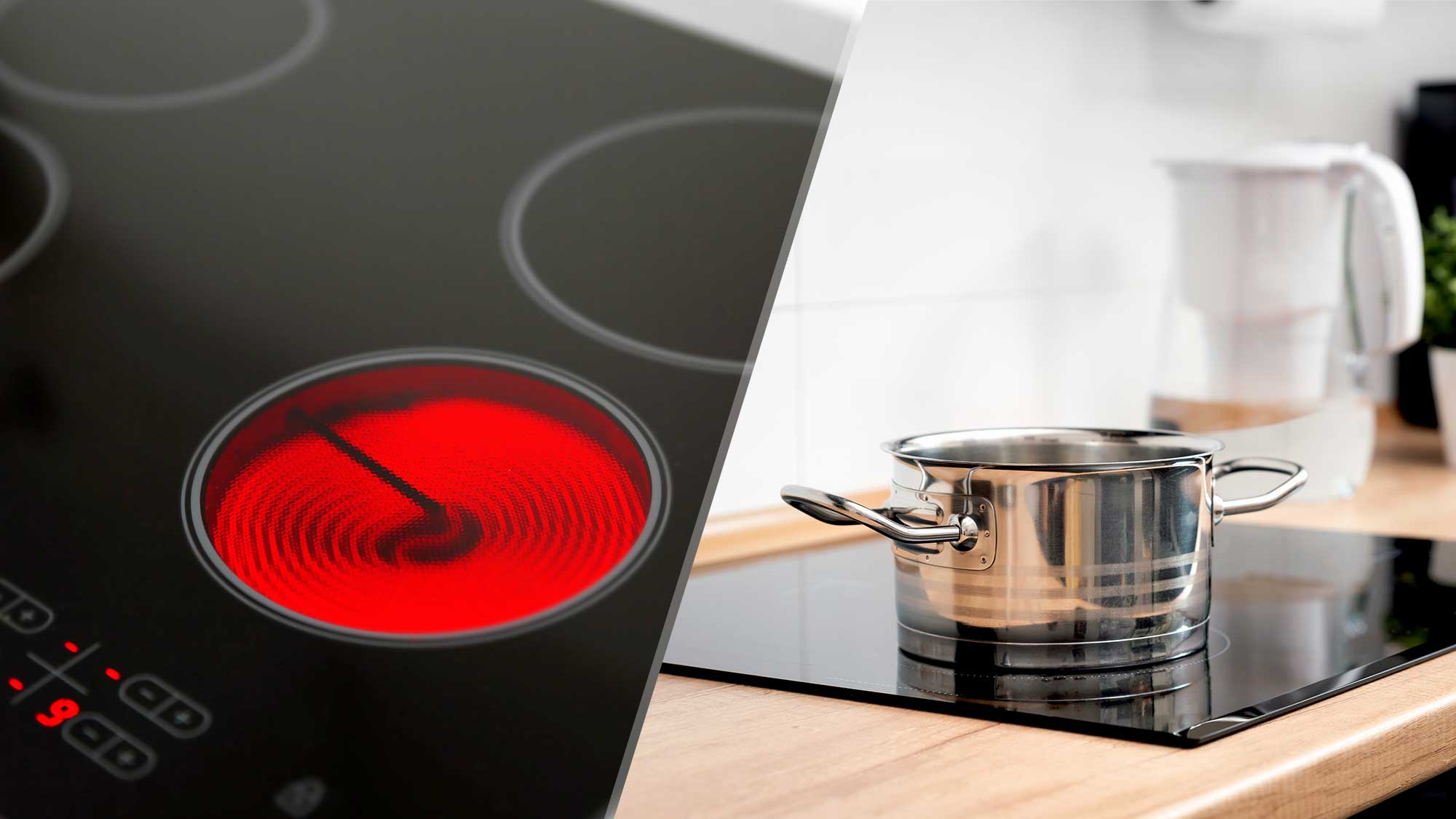
Induction cooktops usually have a smooth, flat glass surface. It feels cool to the touch except where the pot sits. There are no raised burners or coils like on electric or gas cooktops.
This flat surface makes cleaning easy and looks modern. The glass is often black or dark grey. This sleek design is a good hint that the cooktop is induction.
Check For Control Panel Features
Induction cooktops often have touch controls instead of knobs. You might see digital displays or sliding bars to adjust heat. These controls respond quickly and are easy to clean.
Look for buttons labeled with numbers or cooking modes. Some models have safety locks or timers. These features are common on induction cooktops but rare on older electric or gas ones.
Spot The Induction Symbol
Many induction cooktops show a special symbol on the surface. It looks like a coil or a series of loops. This icon signals the area where induction heating occurs.
Check the edges or near the burners for this mark. The symbol confirms the cooktop uses magnetic fields to heat pots. Spotting it clears up any doubt about your cooktop type.
Testing Cookware Compatibility
Testing cookware compatibility helps identify if your cooktop is induction. Induction cooktops need special pots and pans to work. These cookwares must have magnetic properties. This section explains simple tests to check cookware compatibility.
Use A Magnet Test
Take a small magnet and hold it near the bottom of your pot or pan. If the magnet sticks firmly, the cookware works with induction cooktops. If it does not stick, the cookware is not compatible. This test is quick and easy to perform at home.
Try Different Pots And Pans
Place various pots and pans on your cooktop. Turn on the heat and observe if the cooktop responds. Cookware that heats up quickly usually works with induction. Cookware that stays cold or heats unevenly is likely not compatible.
Observing Heat Generation
Observing how your cooktop generates heat helps identify if it is induction. Induction cooktops use magnetic energy to heat pots quickly. This method feels different from gas or electric cooktops. You can check this by paying close attention to the heat behavior on your cooktop.
Feel For Quick Heating
Turn on your cooktop and place a pot on it. Induction cooktops heat the pot almost instantly. The surface around the pot stays cool or warm, not hot. This is different from electric cooktops, which heat the entire surface slowly. The quick heating of the pot is a strong sign of induction technology.
Notice Cookware Temperature
Touch the bottom of the pot after a few seconds of heating. On induction cooktops, the pot gets hot, but the cooktop itself stays cooler. On gas or electric cooktops, the cooktop surface heats up along with the pot. This difference in temperature helps you know if your cooktop uses induction. Also, induction only works with magnetic cookware, so the pot’s material matters.
:max_bytes(150000):strip_icc()/GettyImages-170032171-2000-fc2bcc51d6134d70ad05a8960da860cc.jpg)
Credit: www.allrecipes.com
Consulting Product Documentation
Consulting product documentation is a clear way to find out if your cooktop uses induction technology. The documents that come with your appliance often have all the details you need. These guides explain the type of cooktop and how it works. Checking these papers saves time and avoids guesswork. Two main sources include the user manual and the manufacturer’s website.
Read The User Manual
The user manual is the first place to check. It often lists the cooktop type right away. Look for words like “induction” or “induction cooktop” in the introduction or specifications. Manuals also include instructions for use, which differ by cooktop type. Induction cooktops have special warnings about cookware. If the manual mentions magnetic cookware, your cooktop is induction. Keep the manual handy for quick reference.
Check Manufacturer’s Website
Manufacturer websites provide detailed product information and updates. Enter your cooktop model number in the search bar. Product pages often show clear descriptions and key features. Look for terms such as “induction technology” or “induction cooking.” Websites may also have downloadable manuals and FAQs. These resources confirm your cooktop type and offer extra tips. This method works even if you lost your paper manual.
Comparing To Other Cooktop Types
Understanding the differences between induction cooktops and other types helps identify your cooktop. Comparing physical features and how they work shows key distinctions. This section explains how induction cooktops differ from electric coil and gas cooktops.
Differences From Electric Coil Cooktops
Electric coil cooktops have visible metal coils that heat up. These coils glow red when hot. Induction cooktops have a smooth, flat glass surface without coils.
Electric coils heat by warming the coil itself. Induction cooktops use magnetic fields to heat the pan directly. This means the cooktop surface stays cooler than electric coils.
Electric coil cooktops take longer to heat and cool. Induction cooktops heat quickly and respond fast to temperature changes.
Differences From Gas Cooktops
Gas cooktops have open flames that heat pots and pans. You can see and hear the flame. Induction cooktops have no flames or burners.
Gas cooktops need gas supply and ventilation. Induction cooktops use electricity only and have a flat surface.
Gas flames heat the air around the pot. Induction heats the pan itself, making cooking more efficient.
Credit: www.tomsguide.com

Credit: www.nuwavenow.com
Frequently Asked Questions
How Can I Identify If My Cooktop Is Induction?
Check if your cooktop has a smooth, glass surface with no visible coils. Induction cooktops often have touch controls and heat only pans, not the surface itself.
What Materials Work With Induction Cooktops?
Induction cooktops require magnetic cookware like cast iron or stainless steel. Aluminum, copper, and glass pots won’t heat on induction surfaces.
Does An Induction Cooktop Heat Up Differently?
Yes, induction cooktops heat cookware directly using magnetic fields, so they heat faster and more evenly than gas or electric stoves.
Can I Use A Magnet To Test My Cooktop?
Yes, placing a magnet on the cooktop surface helps. If it sticks, your cooktop likely supports induction cooking.
Conclusion
Knowing if your cooktop is induction helps you cook smarter and safer. Induction cooktops heat pots quickly and save energy. A simple magnet test or checking the surface can give you answers. Understanding your cooktop type also guides you in choosing the right cookware.
This small knowledge makes a big difference in your kitchen. Stay curious and enjoy cooking with confidence every day.

Hello, This is Annie Walker, a 38-year-old blogger, founder, and editor of Cookware Guider from NY, USA. I am a cookware fanatic and passionate cooker. I love to cook with different types of cooking appliances (example: all types of cookware, rice cookers, slow cookers, etc) almost every day in my kitchen. I love to share my experience with my readers in my blog. Also, I enjoy helping people to solve their problems through my website. You can follow me on Twitter & Pinterest. To know details about my blog please check the about us page.