
Are you wondering how many BTUs your gas cooktop needs to cook your meals perfectly? Understanding BTUs can make a big difference in how fast and efficiently your cooktop heats up.
Whether you’re upgrading your kitchen or just curious about how your stove works, knowing the right BTU range helps you get the best cooking results. Keep reading to discover what BTUs really mean for your gas cooktop and how to choose the right one for your cooking style.
What Is Btu In Gas Cooktops
Understanding BTU in gas cooktops helps you choose the right appliance. It shows the heat output of the burners. Knowing this can improve your cooking experience and save energy.
Definition Of Btu
BTU stands for British Thermal Unit. It measures heat energy. One BTU is the amount of heat needed to raise one pound of water by one degree Fahrenheit. In gas cooktops, BTU shows how much heat a burner produces.
Btu’s Role In Cooking Performance
BTU affects cooking speed and control. Higher BTU means faster boiling and searing. Lower BTU offers gentle heat for simmering. Different cooking tasks need different BTU levels. Choosing the right BTU helps cook food evenly and saves fuel.

Credit: www.maytag.ca
Btu Ranges For Gas Cooktops
BTU ranges for gas cooktops vary widely. They determine the heat output for cooking. Different burners have different BTU levels. This affects cooking speed and temperature control. Understanding BTU helps choose the right cooktop for your needs.
Low Btu Burners
Low BTU burners usually produce between 5,000 and 9,000 BTUs. They are perfect for simmering and gentle cooking. These burners keep food warm without burning it. Ideal for sauces, melting chocolate, or slow cooking.
Medium Btu Burners
Medium BTU burners range from 9,000 to 15,000 BTUs. They provide steady heat for most cooking tasks. Great for boiling, frying, and sautéing. They offer a good balance of power and control.
High Btu Burners
High BTU burners deliver 15,000 BTUs or more. Designed for fast boiling and searing meat. They heat pots and pans quickly. Perfect for intense cooking that needs high heat.
Choosing Btu Based On Cooking Needs
Choosing the right BTU for your gas cooktop depends on what you cook most. Different cooking styles need different heat levels. Picking the correct BTU helps you cook better and saves energy. It also protects your cookware and improves safety.
Everyday Cooking
For daily meals, medium BTU burners work well. These burners usually range from 5,000 to 9,000 BTUs. They provide enough heat for common dishes like pasta or stir-fry. They also heat evenly without burning food. Medium BTU is perfect for most home cooks.
High-heat Cooking
High-heat cooking needs burners with 12,000 to 18,000 BTUs or more. These burners are ideal for searing meat or boiling water fast. They reach high temperatures quickly and keep heat steady. If you like grilling or wok cooking, high BTU burners suit you best.
Simmering And Delicate Tasks
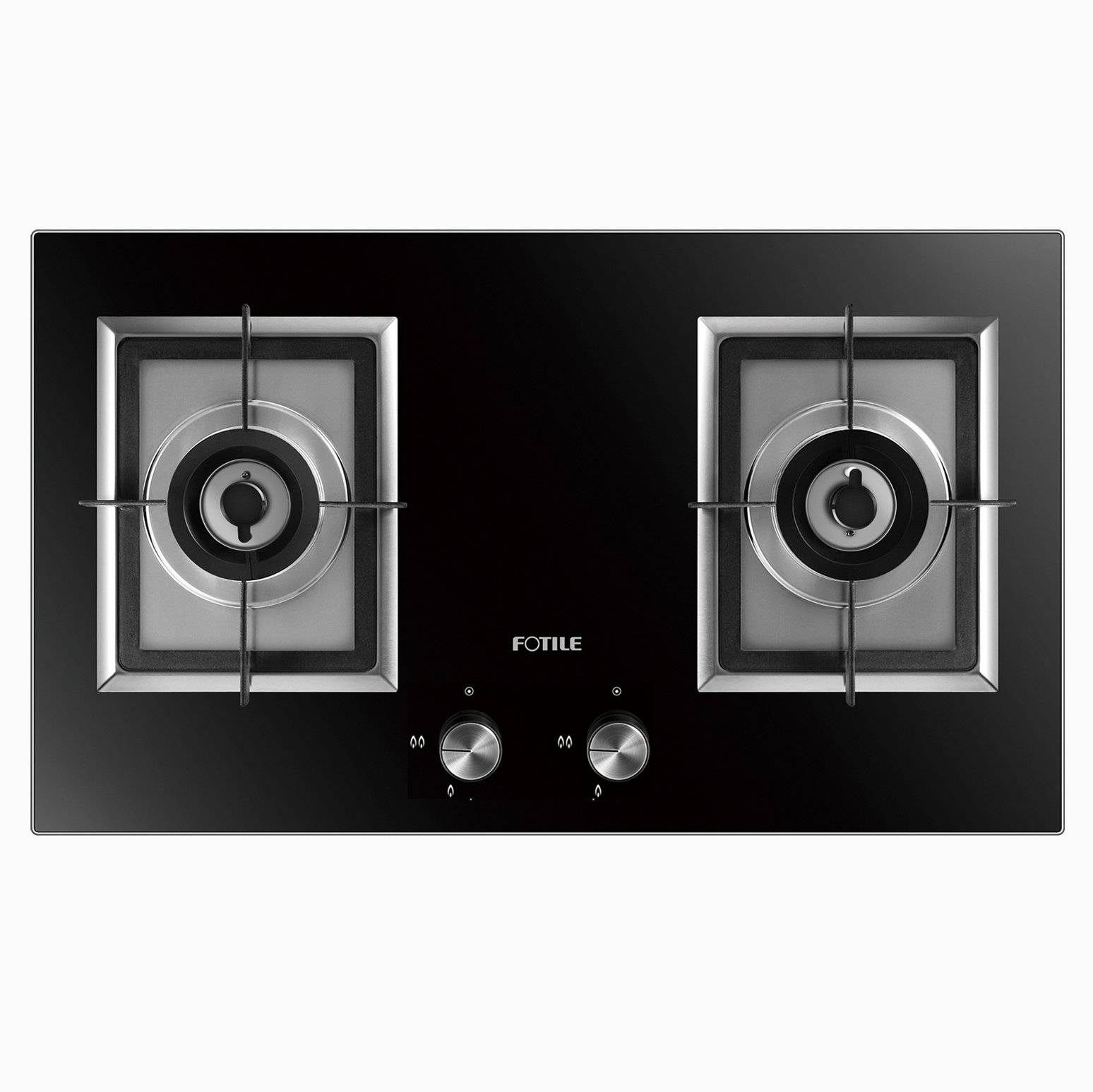
Low BTU burners under 5,000 are great for simmering sauces and melting chocolate. They offer gentle, steady heat that stops food from burning. Slow cooking and warming need this level of heat. These burners give control over delicate cooking tasks.
Credit: us.fotileglobal.com
Btu And Energy Efficiency
BTU, or British Thermal Unit, measures heat output from gas cooktops. It shows how much energy the burner uses. Higher BTU means more heat and faster cooking. But it also means more fuel use. Energy efficiency balances heat power and fuel waste.
Choosing the right BTU level helps save fuel and money. Efficient cooktops use less gas for the same heat. This reduces your energy bills and helps the environment. Understanding BTU and efficiency helps pick the best cooktop.
Fuel Consumption And Btu
Fuel consumption depends on the BTU rating. Higher BTU burners use more gas quickly. They cook fast but burn more fuel. Lower BTU burners use less gas but cook slower. Matching BTU to cooking needs cuts waste.
For small meals, use low BTU settings. Large pots or high heat need higher BTU. Efficient cooktops adjust flame size to save fuel. This avoids overheating and reduces gas use.
Balancing Power And Efficiency
High power does not always mean better efficiency. Good cooktops balance heat output and gas use. They deliver strong heat without wasting fuel. Look for models that control flame size well.
Choosing the right BTU range fits your cooking style. It keeps energy use low and performance high. Efficient gas cooktops save money and energy over time.
Comparing Gas Cooktops By Btu Output
BTU, or British Thermal Unit, measures heat output in gas cooktops. It shows how much heat a burner can produce. Higher BTU means faster cooking and stronger flames. Comparing BTU output helps choose the right cooktop for your kitchen needs. Different cooktops serve different cooking styles and budgets. Understanding BTU ranges helps find the best fit.
Entry-level Models
Entry-level gas cooktops usually have burners with 5,000 to 9,000 BTUs. These models suit simple cooking tasks and small kitchens. They heat food evenly but take longer to boil water or sear meat. Ideal for basic meals and light cooking.
Mid-range Options
Mid-range cooktops offer burners with 9,000 to 15,000 BTUs. They balance power and control for everyday cooking. These burners heat quickly and handle most recipes well. Good for families who cook regularly and want flexibility.
Professional-grade Cooktops
Professional cooktops deliver burners with 15,000 to 20,000+ BTUs. They provide intense heat for fast searing and high-heat cooking. Perfect for chefs or serious home cooks. These cooktops offer precise flame control and quick response.
Factors Affecting Btu Performance
BTU, or British Thermal Units, measures the heat output of a gas cooktop. Several factors affect how well BTUs perform during cooking. Understanding these helps to choose the right cooktop and get the best cooking results.
Cooktop Size And Burner Placement
The size of the cooktop impacts BTU efficiency. Larger cooktops often have burners with different BTU ratings. Burners placed too close may cause heat overlap, reducing overall performance. Proper burner spacing allows heat to spread evenly. This setup helps each burner work at its best power. Small cooktops with fewer burners may have limited BTU options.
Ventilation And Safety Considerations
Good ventilation affects BTU performance and safety. Proper airflow removes excess heat and gas fumes. Poor ventilation can lower burner efficiency and cause unsafe conditions. Many kitchens require vent hoods or exhaust fans near the cooktop. These devices help maintain steady heat and clear air. Safety rules limit BTU output in some spaces to prevent hazards.
How To Read Btu Ratings On Cooktop Labels
Understanding BTU ratings on gas cooktop labels helps you choose the right model. BTU, or British Thermal Unit, measures heat output. Labels show these numbers clearly. They tell how much heat each burner produces. This guide explains how to read these numbers and what they mean for your cooking needs.
Interpreting Manufacturer Specifications
Manufacturers list BTU ratings for each burner. Numbers vary from low to high heat levels. Lower BTUs suit simmering or gentle cooking. Higher BTUs deliver fast boiling and searing. Pay attention to max and min BTU values. This range shows the burner’s cooking flexibility. Check if the label lists total BTUs for all burners. This tells overall power of the cooktop.
What Btu Numbers Mean For Users
High BTUs mean quicker cooking times. Ideal for frying or boiling large pots. Low BTUs save energy and prevent burning delicate foods. Consider your usual cooking style. Large families may need burners with higher BTUs. Small households might prefer moderate heat output. Knowing BTU ratings helps match your cooking habits.
Credit: www.whirlpool.com
Frequently Asked Questions
How Many Btus Does A Gas Cooktop Use?
Gas cooktops typically range from 5,000 to 15,000 BTUs per burner. Higher BTUs offer faster cooking and better heat control. The total BTU depends on the number of burners and their individual power ratings.
What Btu Is Ideal For A Gas Cooktop Burner?
An ideal burner usually ranges between 7,000 and 12,000 BTUs. This range balances efficient cooking speed and energy use. Lower BTUs suit simmering, while higher BTUs are best for boiling or searing.
How Does Btu Affect Gas Cooktop Performance?
BTU measures heat output; higher BTU means faster cooking. More BTUs provide better temperature control and cooking versatility. However, too high BTU can waste energy and cause uneven cooking.
Can Btu Rating Impact Energy Efficiency?
Yes, higher BTU burners consume more gas, affecting energy bills. Choosing burners with appropriate BTU ratings for cooking needs saves fuel. Efficient burners optimize heat without excess energy use.
Conclusion
Gas cooktops offer different Btu levels for varied cooking needs. Choosing the right Btu helps control heat and cooking speed. Lower Btu burners suit gentle cooking tasks well. Higher Btu burners work best for quick boiling or searing. Knowing your cooktop’s Btu range improves kitchen efficiency.
It also saves energy and prevents food burning. Always match Btu to your cooking style and meal type. This way, your cooking becomes easier and more enjoyable. Understanding Btu makes your gas cooktop work better for you.

Hello, This is Annie Walker, a 38-year-old blogger, founder, and editor of Cookware Guider from NY, USA. I am a cookware fanatic and passionate cooker. I love to cook with different types of cooking appliances (example: all types of cookware, rice cookers, slow cookers, etc) almost every day in my kitchen. I love to share my experience with my readers in my blog. Also, I enjoy helping people to solve their problems through my website. You can follow me on Twitter & Pinterest. To know details about my blog please check the about us page.