
Cooking perfect white rice is a skill that can make everyday meals better. Many people see rice as simple, but when you try it at home, you realize it needs attention to detail. The right rice can be fluffy, separate, and tender, not sticky or mushy. This guide explores how to cook white rice using different methods, explains why each step matters, and shares tips that even experienced cooks sometimes miss. If you want consistently good rice—whether for family dinners, meal prep, or special dishes—this article will help you master it.
Understanding White Rice
White rice is a staple in many parts of the world. It is made by removing the husk, bran, and germ from the rice grain, leaving just the starchy endosperm. This process gives it a longer shelf life and a milder flavor but removes some nutrients.
There are several types of white rice, and each cooks a little differently.
Common Types Of White Rice
- Long-grain rice: Grains are slender and long. Examples include Basmati and Jasmine rice. They stay fluffy and separate when cooked.
- Medium-grain rice: Grains are shorter and wider. Used often in dishes like risotto or paella.
- Short-grain rice: Grains are almost round. They become sticky and clump together, making them ideal for sushi or rice puddings.
Why Cooking Method Matters
Different types of white rice absorb water differently. Long-grain rice needs less water to keep grains separate, while short-grain rice needs more to become sticky. The cooking method affects the rice’s texture and taste. Small changes in water amount, heat, and timing can make a big difference.
Essential Equipment For Cooking Rice
Cooking rice does not need fancy tools. However, having the right equipment can make the process easier and more reliable.
- Measuring cups: For rice and water.
- Fine-mesh sieve: For rinsing rice.
- Medium or large pot with tight lid: To trap steam.
- Fork: To fluff rice after cooking.
- Rice cooker or Instant Pot (optional): For hands-free cooking and consistent results.
The Importance Of Rinsing Rice
Rinsing is a step many skip, but it makes a big difference. White rice grains are covered in surface starch. If you do not rinse this off, the rice can become gluey and stick together. Rinsing removes some of this starch and any dust from processing.
How to rinse rice:
- Place rice in a bowl or pot.
- Cover with cold water.
- Swirl with your hand, then pour off the cloudy water.
- Repeat 2-3 times until the water is mostly clear.
- Drain well in a sieve.
Tip: For best results, let the rinsed rice sit for 5-10 minutes before cooking. This helps the grains hydrate evenly.
Basic Stovetop Method For Cooking White Rice
This is the most common way to cook rice at home. It works for most types of white rice.
Ingredients
- 1 cup white rice (long, medium, or short grain)
- 1 1/2 to 2 cups water (see below)
- 1/4 teaspoon salt (optional)
Cooking Steps
- Measure the rice and rinse as described above.
- Add rice and water to a pot. Use a 1: 1.5 ratio for long-grain rice (1 cup rice to 1.5 cups water). For short-grain, use 1:1.25 to 1:1.3.
- Add salt if you like.
- Bring to a boil over medium-high heat without the lid.
- Reduce heat to low when water starts bubbling. Cover tightly with the lid.
- Simmer for 15-18 minutes (long-grain) or 17-20 minutes (short-grain). Do not lift the lid during this time.
- Turn off the heat and let rice sit, covered, for 10 minutes. This step allows the rice to finish steaming.
- Fluff gently with a fork before serving.
Water-to-rice Ratio Table
Different rice types need different water amounts. Here is a quick reference:
| Rice Type | Water per 1 Cup Rice | Cooking Time |
|---|---|---|
| Long-grain (Basmati, Jasmine) | 1.5 cups | 15-18 min |
| Medium-grain | 1.75 cups | 17-19 min |
| Short-grain (Sushi, Arborio) | 1.2-1.3 cups | 17-20 min |
Non-obvious insight: The exact water needed can vary with the age of the rice. Older rice is drier and may need a little more water. If you find your rice always turns out too dry, add a tablespoon or two of extra water next time.
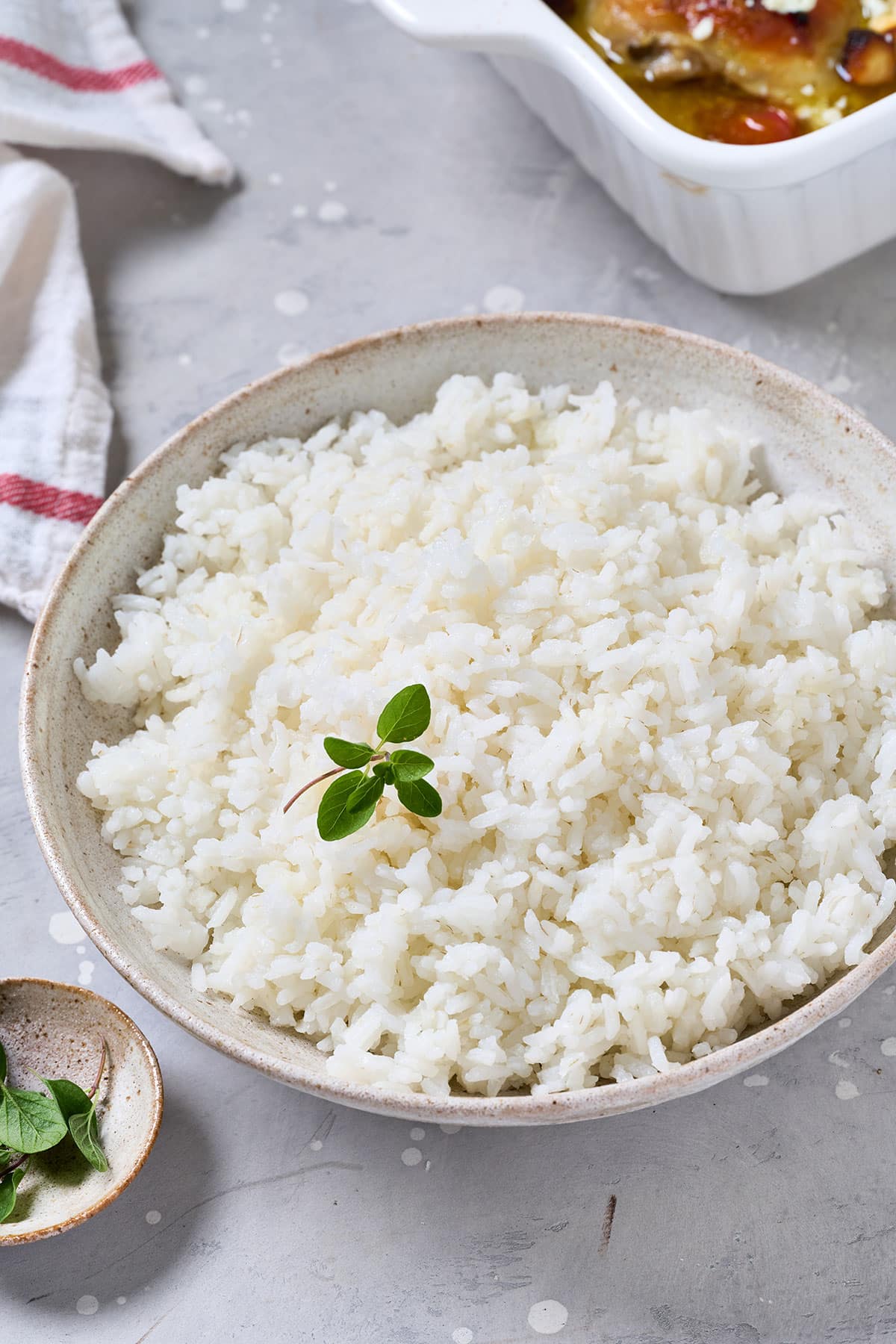
Credit: www.lemonblossoms.com
Alternative Cooking Methods
The stovetop method is reliable, but there are other ways to cook white rice. Each has advantages, and some work better for specific situations.
Using A Rice Cooker
Rice cookers are popular because they simplify the process. You add rice, water, and press a button. The machine controls the temperature and timing.
How to use:
- Rinse rice well.
- Add to the rice cooker pot with the right amount of water (use the markings inside if available).
- Close the lid and press ‘Cook’.
- The cooker will switch to ‘Warm’ when done. Let rice sit for 5-10 minutes before opening.
Tip: Some rice cookers need a bit less water than stovetop recipes. Check your machine’s manual for best results.
Cooking White Rice In An Instant Pot
Pressure cookers like the Instant Pot can save time and make rice with less effort.
Steps:
- Rinse rice.
- Add rice and water to the pot (use 1: 1 ratio for most white rice).
- Lock the lid and set to high pressure for 3-5 minutes.
- Let the pressure release naturally for 10 minutes, then open the lid.
- Fluff and serve.
The Absorption Method
This is common in professional kitchens. The rice cooks in exactly as much water as it can absorb—there is no draining.
Key points:
- Use a tight-fitting lid.
- Do not open the lid during cooking or resting time.
- Let rice steam after cooking for the best texture.
The Boiling And Draining Method
This method is good for beginners and avoids sticky rice.
How to do it:
- Boil a large pot of water (like pasta).
- Add rinsed rice and cook uncovered until tender (about 10-12 minutes).
- Drain rice in a sieve.
- Cover and let steam for 5-10 minutes.
Drawback: Some nutrients are lost in the water, but it’s almost foolproof for non-sticky rice.
Common Mistakes And How To Fix Them
Even experienced cooks get rice wrong sometimes. Here are common errors and how to avoid them.
- Too much water: Rice becomes mushy. Next time, reduce the water by 1-2 tablespoons.
- Too little water: Rice is hard or burns. Add more water and cook a few minutes longer.
- Lifting the lid: Releases steam and interrupts cooking. Leave the lid closed until done.
- Not rinsing: Rice sticks together and can taste stale.
- Not letting it rest: Rice needs to steam after cooking. Skipping this step leads to uneven texture.
Pro tip: If your rice is too wet, leave the pot uncovered on very low heat for a few minutes. The extra moisture will evaporate.
Flavoring And Enhancing White Rice
Plain white rice is a blank canvas. You can add flavor during or after cooking.
Ideas For More Flavor
- Cook in broth instead of water for a savory taste.
- Add a bay leaf, garlic, or ginger while cooking.
- Mix in butter or olive oil after cooking for richness.
- Add herbs like parsley or cilantro before serving.
Simple Variations
- Pilaf: Sauté rice in oil or butter before adding water for a nutty flavor.
- Lemon rice: Add lemon zest and juice for a fresh taste.
- Fried rice: Use leftover cold rice, fry in oil with vegetables and egg.
Storing And Reheating Cooked White Rice
If you cook extra rice, it’s important to store it safely.
Storing
- Cool rice quickly—spread on a tray if possible.
- Store in a covered container in the fridge for up to 4 days.
- Do not leave rice at room temperature for more than 1 hour.
Reheating
- Add a splash of water to prevent drying.
- Microwave covered, or steam on the stove.
- Heat to at least 165°F (74°C) to kill bacteria.
Safety note: Cooked rice can grow bacteria called Bacillus cereus if left out. Always refrigerate rice quickly, and do not reheat more than once.
Comparing Cooking Methods
Not sure which method to choose? Here’s a comparison to help you decide.
| Method | Best for | Pros | Cons |
|---|---|---|---|
| Stovetop | All rice types | Control, simple tools | Needs attention |
| Rice Cooker | Frequent rice eaters | Convenience, consistent | Extra appliance |
| Instant Pot | Busy cooks | Fast, hands-off | Learning curve |
| Boil & Drain | Beginners | Foolproof, less sticky | Some nutrient loss |
White Rice Nutrition And Health Facts
White rice is mostly carbohydrates with a small amount of protein and almost no fat. It is low in fiber compared to brown rice, because the outer bran is removed. A 1-cup serving of cooked white rice has about:
- 205 calories
- 45 grams carbohydrates
- 4 grams protein
- 0.4 grams fat
- 0.6 grams fiber
Non-obvious insight: Washing rice can lower its small amount of micronutrients a little more, but it also removes traces of arsenic and other contaminants. If you need more nutrients, pair white rice with vegetables or use enriched rice (many brands in the US add back B vitamins and iron).

Credit: ohsweetbasil.com
Cooking For Large Groups Or Meal Prep
When making rice for a crowd, use a bigger pot and keep the water-to-rice ratio the same. Rice cookers are good for large batches. For meal prep, divide rice into small containers and freeze portions for later. To reheat, add a little water and cover to steam.
Tip: Do not double the cooking time when doubling rice. The time stays almost the same—just make sure the pot is big enough for the rice to expand.
Troubleshooting: Rice Problems And Solutions
Sometimes rice does not turn out right. Here’s how to fix common issues.
Rice Is Too Sticky
- Use less water next time.
- Rinse more thoroughly before cooking.
- For long-grain rice, avoid stirring while cooking.
Rice Is Too Dry
- Add a few tablespoons of water, cover, and steam for a few minutes.
- Check for gaps in the lid—steam may be escaping.
Rice Is Burned On The Bottom
- Use a thicker-bottomed pot.
- Lower the heat during simmering.
- Do not leave rice on the stove after it finishes cooking.
Rice Smells Off After Cooking
- Rice left at room temperature too long can spoil quickly.
- Always refrigerate leftovers as soon as possible.
White Rice In Different Cuisines
White rice is used all over the world, and each culture has its own way to cook and serve it.
- Japanese sushi rice: Short-grain rice, seasoned with vinegar, sugar, and salt.
- Indian Basmati rice: Long-grain, often flavored with cumin, cardamom, or saffron.
- Spanish paella: Medium-grain rice cooked with saffron, vegetables, and seafood or meat.
- Caribbean rice and peas: White rice cooked with coconut milk and beans.
- Persian tahdig: White rice with a crispy golden crust on the bottom.
Rice Cooking Tips From Chefs
Professional cooks have tricks to make rice even better.
- Let the rice rest after cooking. This makes the grains firm and less sticky.
- For extra flavor, toast dry rice in a little oil before adding water.
- Never stir rice while it cooks, as this breaks grains and releases starch.
Environmental Impact And Rice Choices
Rice farming uses a lot of water. Some white rice, like Basmati, is grown in more sustainable ways. If you want to reduce impact, choose brands that support responsible farming. Look for “sustainably grown” or “organic” labels.
Tip: Parboiled rice is processed to keep more nutrients and cooks up less sticky, which can be a good choice if you want a healthier option.
How To Use Leftover White Rice
Cooked white rice is very flexible. Here are some ideas:
- Fried rice: Add leftover vegetables, eggs, and soy sauce.
- Rice pudding: Mix with milk, sugar, and cinnamon.
- Soup thickener: Stir into chicken or vegetable soup.
- Rice salad: Mix with beans, herbs, and a simple dressing.
- Stuffed peppers: Use rice as a filling with ground meat and spices.
Selecting The Best White Rice
Quality matters. When buying rice, look for:
- Uniform color and size. Broken grains can get mushy.
- Airtight packaging. Rice absorbs odors and moisture.
- Expiry date. Fresh rice tastes better.
Non-obvious insight: If possible, buy rice from a store with high turnover, so you get fresher grains. Older rice can taste stale and need a little more water to cook properly.
Comparing White Rice To Other Grains
Rice is just one of many grains you can cook at home. Here’s how it compares:
| Grain | Cooking Ratio (Grain:Water) | Cooking Time | Texture |
|---|---|---|---|
| White Rice | 1:1.5 | 15-20 min | Fluffy, tender |
| Brown Rice | 1:2 | 40-45 min | Chewy, nutty |
| Quinoa | 1:2 | 15-18 min | Fluffy, slightly crunchy |
| Couscous | 1:1 | 5 min (steep) | Soft, light |
White rice cooks faster than brown rice and is more familiar to most people. If you want more fiber and nutrients, brown rice or quinoa are good alternatives.
:max_bytes(150000):strip_icc()/__opt__aboutcom__coeus__resources__content_migration__simply_recipes__uploads__2020__02__HTC-White-Rice-Lead-3-5073a46b67124ca8b405143cd373da0c.jpg)
Credit: www.simplyrecipes.com
Frequently Asked Questions
What Is The Best Water-to-rice Ratio For White Rice?
For long-grain white rice, use 1. 5 cups of water per 1 cup of rice. For short-grain rice, use about 1. 2–1. 3 cups of water per cup of rice. If you use a rice cooker, follow the machine’s markings for best results.
Why Does My Rice Turn Out Sticky Or Mushy?
Usually, too much water, not rinsing the rice, or stirring while cooking causes sticky rice. Try rinsing the rice before cooking and using the right water amount.
How Can I Add Flavor To Plain White Rice?
Cook rice in chicken or vegetable broth instead of water. You can also add herbs, spices, or aromatics like garlic and bay leaf to the pot for more flavor.
Is It Safe To Reheat Cooked Rice?
Yes, but do it carefully. Store rice in the fridge within 1 hour after cooking. Reheat until steaming hot (165°F/74°C). Do not reheat rice more than once to avoid the risk of food poisoning.
Where Can I Learn More About Rice Varieties And Cooking Techniques?
You can find more detailed information on rice types and global cooking methods at the Wikipedia Rice page.
Cooking white rice is not just a basic kitchen task—it’s a foundation for many delicious meals. With good technique, the right rice, and a little practice, you can make white rice that’s always fluffy, tender, and perfect for any dish.
Whether you use the stovetop, a rice cooker, or another method, the steps are simple but important. Try different types, add your favorite flavors, and enjoy rice as part of your cooking routine.

Hello, This is Annie Walker, a 38-year-old blogger, founder, and editor of Cookware Guider from NY, USA. I am a cookware fanatic and passionate cooker. I love to cook with different types of cooking appliances (example: all types of cookware, rice cookers, slow cookers, etc) almost every day in my kitchen. I love to share my experience with my readers in my blog. Also, I enjoy helping people to solve their problems through my website. You can follow me on Twitter & Pinterest. To know details about my blog please check the about us page.