
Have you ever wondered how waterless cookware can change the way you cook? Imagine preparing meals that keep all the nutrients, flavors, and colors intact—without adding a drop of water.
This type of cookware is designed to save your time and energy while making your food healthier and tastier. If you’re curious about how it works and why it might be the perfect addition to your kitchen, keep reading. You’re about to discover simple secrets that could transform your cooking experience forever.
Credit: waterlesscookware.com
Basics Of Waterless Cookware
Waterless cookware cooks food without adding extra water. It uses the food’s own moisture to cook. This method keeps nutrients and flavors inside the food. The cookware heats evenly and saves energy. Understanding its basics helps you cook better meals.
Materials Used
Waterless cookware is made from strong metals like stainless steel or aluminum. These metals spread heat evenly. The inner surface is often polished smooth. This stops food from sticking. Some cookware has layers combining different metals. This improves heat control and durability.
Design Features
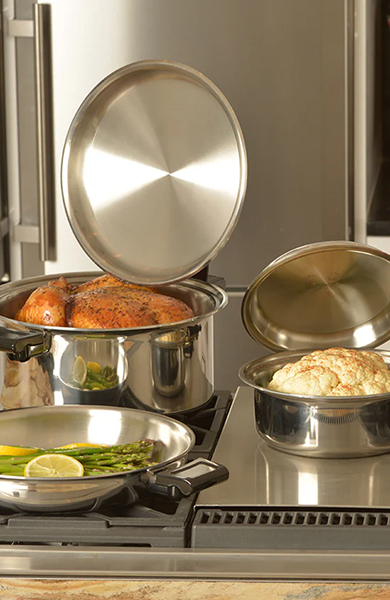
The lids fit tightly to hold steam inside. This keeps the food moist. The cookware has thick bases to keep heat steady. Handles stay cool for safe handling. The shape is made to trap steam and heat. This design helps cook food without adding water.
Cooking Mechanism
Waterless cookware works by using a special cooking method. It traps heat and moisture inside the pot or pan. This keeps food cooking evenly without adding water. The design helps keep food natural juices and flavors. It uses less oil and prevents burning.
Heat Distribution
The base of waterless cookware is thick and heavy. This helps spread heat evenly across the surface. No hot spots appear during cooking. The even heat means food cooks at a steady pace. It also saves energy because the cookware holds heat well.
Moisture Retention
The lids fit tightly to seal in steam and moisture. This keeps food juicy and tender. Steam rises inside and falls back, cooking food gently. There is no need to add extra water or oil. Moisture retention preserves vitamins and natural taste.
Health Benefits
Waterless cookware offers many health benefits. It helps keep food nutritious and reduces unhealthy fats. Cooking with less oil means better meals for your body. This cookware uses steam and natural moisture to cook food gently.
Nutrient Preservation
Waterless cookware keeps vitamins and minerals inside the food. Traditional cooking often loses nutrients in water or high heat. This cookware traps steam to cook food evenly and quickly. It protects nutrients like vitamin C and B vitamins. Your meals stay healthy and full of natural flavors.
Reduced Oil Usage
Using waterless cookware lowers the need for cooking oil. Less oil means fewer calories and less fat in your meals. It helps prevent heart problems and weight gain. The cookware’s non-stick surface stops food from sticking. You can cook tasty dishes without extra grease or butter.
Time Efficiency
Waterless cookware saves time in the kitchen. It cooks food faster by trapping steam inside. This method reduces cooking time and keeps nutrients intact. Using less water means food heats quickly and evenly.
Faster Cooking Process
Waterless cookware uses tight lids to lock in steam. This steam cooks food quickly and thoroughly. Heat spreads evenly, preventing hot spots. Meals finish faster, so you spend less time cooking.
Energy Saving
Less cooking time means less energy used. Waterless cookware needs low or medium heat. This lowers gas or electricity use. Saving energy helps reduce your bills and carbon footprint.
Types Of Waterless Cookware
Waterless cookware is designed to cook food with little or no added water. This type of cookware uses tight-fitting lids to trap steam. The trapped steam cooks the food in its own moisture, preserving nutrients and flavors. Different materials work well for waterless cooking. Each has unique benefits and uses in the kitchen.
Stainless Steel Options
Stainless steel waterless cookware is popular for its durability. It heats evenly and resists rust and stains. These pots and pans often have multiple layers at the base. This helps spread heat quickly and keep it steady. The tight lids keep steam inside, which cooks food gently. Stainless steel is good for searing, boiling, and simmering without burning.
Non-stick Varieties
Non-stick waterless cookware is easy to clean and use. Its smooth surface prevents food from sticking. This cookware uses special coatings that allow cooking with less oil. The lids seal in moisture, so food stays tender and juicy. Non-stick varieties are ideal for cooking eggs, pancakes, and delicate foods. They require gentle handling to keep the coating intact.

Credit: q90fm.com
Care And Maintenance
Waterless cookware needs special care to keep working well. Proper care helps keep the cookware safe and clean. It also keeps the non-stick surface strong. Follow easy steps to maintain your cookware every day. This keeps your pots and pans lasting longer.
Cleaning Tips
Clean waterless cookware right after use. Use warm water and a soft sponge. Avoid steel wool or harsh scrubbers. They can scratch the surface. For stuck food, soak the pan in warm water. Then gently rub with a soft cloth. Use mild soap only when needed. Rinse well to remove all soap. Dry the cookware completely to stop rust or damage.
Longevity Practices
Use low to medium heat when cooking. High heat can damage the cookware’s surface. Avoid using metal utensils. Choose wooden or silicone tools instead. Store the cookware with care. Place a soft cloth between stacked pots. This stops scratches and dents. Regularly check for damage or wear. Replace cookware if the surface peels or cracks. This keeps cooking safe and healthy.
Choosing The Right Cookware
Choosing the right waterless cookware is key to cooking success. The right pan or pot helps food cook evenly and saves energy. It also keeps nutrients and flavors locked in. Consider your cooking style and kitchen needs before buying. Focus on size, capacity, price, and quality for the best choice.
Size And Capacity
Pick cookware that fits your usual meals. Small pots suit singles or couples. Large pans work well for families or batch cooking. Avoid too big or too small pans. Right size means better heat distribution and less waste.
Price And Quality
Price reflects material and build quality. Good cookware lasts longer and performs better. Cheap pans may warp or lose coating fast. Invest in sturdy pots with tight lids. Heavy bases help spread heat evenly. Think of it as a long-term kitchen tool.
Credit: gurlgonegreen.com
Frequently Asked Questions
How Does Waterless Cookware Cook Food Without Water?
Waterless cookware uses airtight lids and thick bases to trap steam. Food cooks in its own moisture, preserving nutrients and flavors. This method requires less added water and allows faster, even cooking.
What Materials Are Used In Waterless Cookware?
Waterless cookware typically features stainless steel with aluminum or copper cores. These materials ensure even heat distribution and retain heat efficiently, helping food cook evenly without water.
Are Waterless Cookware Pans Healthier For Cooking?
Yes, waterless cookware retains vitamins and minerals by avoiding water use. It also requires less oil, reducing fat intake, making it a healthier cooking option.
Can Waterless Cookware Save Energy During Cooking?
Absolutely. Waterless cookware heats quickly and retains heat well. This reduces cooking time and energy consumption, making it an eco-friendly and cost-efficient choice.
Conclusion
Waterless cookware uses heat and moisture to cook food gently. It keeps nutrients and flavors inside your meals. You do not need much oil or water. This makes cooking healthier and easier. The sealed lid helps steam cook the food evenly.
It also saves energy by cooking faster. Many people enjoy using waterless pots for better taste. Try it yourself and see the difference. Simple, healthy cooking is possible with waterless cookware.

Hello, This is Annie Walker, a 38-year-old blogger, founder, and editor of Cookware Guider from NY, USA. I am a cookware fanatic and passionate cooker. I love to cook with different types of cooking appliances (example: all types of cookware, rice cookers, slow cookers, etc) almost every day in my kitchen. I love to share my experience with my readers in my blog. Also, I enjoy helping people to solve their problems through my website. You can follow me on Twitter & Pinterest. To know details about my blog please check the about us page.