
Buying a stand mixer can feel like a big decision. Prices range from under $100 to well over $500, and there are many types, brands, and features to compare. Whether you bake every week or only sometimes, it’s important to understand what affects the cost of stand mixers and how to choose the right one for your kitchen.
In this guide, you’ll discover why prices vary so much, how much you really need to spend, and what value you get at different price points. You’ll also see practical examples, a comparison of popular models, and answers to common questions.
If you want clear advice without confusion, this article will help you make a smart buying choice.
What Is A Stand Mixer And Why Is It Popular?
A stand mixer is a kitchen appliance that mixes, kneads, whips, and beats ingredients with minimal effort. Unlike handheld mixers, stand mixers sit on your countertop and use a powerful motor to spin mixing attachments inside a bowl. You can use them for dough, cakes, cookies, whipped cream, and even mashed potatoes.
The popularity of stand mixers comes from their ability to save time and energy. They handle heavy tasks that would tire your arm if done manually. For bakers, a stand mixer is almost essential. Even casual cooks appreciate the consistent results and the hands-free convenience.
Factors That Affect Stand Mixer Prices
Understanding what influences the price helps you know what you’re paying for. Here are the main factors:
1. Brand Reputation
Some brands are known for high quality and durability, like KitchenAid and Cuisinart. These companies have years of experience and offer strong customer support. Well-known brands usually cost more, but they offer better warranties and sometimes more reliable performance.
2. Motor Power
Stand mixer motors range from about 250 watts to over 1,000 watts. Higher wattage means more power for mixing tough doughs or large batches. Basic models have weaker motors and cost less. Stronger motors are found in premium mixers and are more expensive.
3. Bowl Size
Bowl capacity affects price. Small bowls (3–4 quarts) are cheaper, while larger bowls (5–7 quarts) cost more. Larger bowls let you mix more at once, which is helpful for baking big batches.
4. Build Quality And Materials
Mixers made from metal or die-cast aluminum last longer than plastic models. Metal mixers are heavier and more stable. Plastic mixers are lighter and cheaper, but might not last as long.
5. Attachments And Accessories
Basic mixers come with standard beaters and a bowl. Higher-priced models include extra attachments like dough hooks, whisks, or even pasta makers. Accessories can add $20–$100 to the price.
6. Mixing Action
Some mixers use planetary mixing (the beater moves in one direction while the bowl spins in another), which mixes ingredients more evenly. This feature is common in pricier models.
7. Country Of Origin
Mixers made in the US or Europe often cost more than those made in Asia. Higher labor costs and quality control standards raise the price.
8. Warranty And Support
A longer warranty or better customer support can increase the price. Some brands offer 1-year warranties, others up to 5 years.
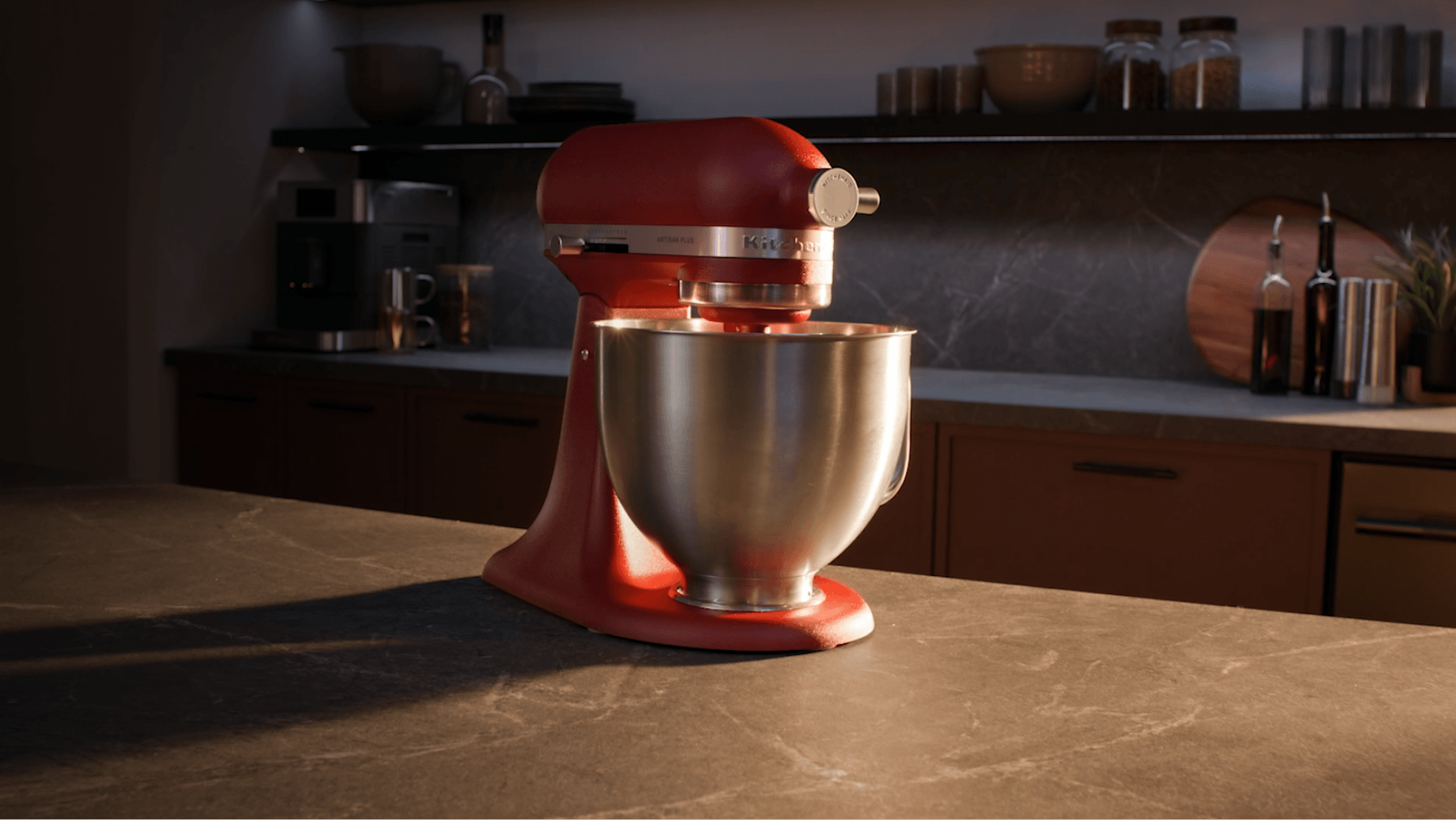
Credit: www.kitchenaid.com
Price Ranges Of Stand Mixers: What Do You Get?
Stand mixers are grouped into three main price categories. Here’s what you can expect in each:
Budget Models ($50–$150)
Budget mixers are good for light use. They usually have:
- Plastic body
- Less powerful motors (250–350 watts)
- Small bowls (3–4 quarts)
- Basic attachments (beaters, bowl)
- Limited warranty
They can handle cake batter, whipped cream, and light dough. Heavy bread dough may strain the motor. Examples include Hamilton Beach and Sunbeam models.
Mid-range Mixers ($150–$350)
This range is popular for home bakers. Features include:
- Metal or sturdy plastic body
- Medium power (325–500 watts)
- Medium bowls (4–5.5 quarts)
- Extra attachments (dough hook, whisk)
- Planetary mixing action
- Longer warranty (2–3 years)
These mixers handle most recipes well. Brands like KitchenAid Classic and Cuisinart Precision Master fit here.
Premium Models ($350–$650+)
Premium mixers offer professional features:
- Heavy-duty metal build
- Powerful motors (500–1,000+ watts)
- Large bowls (6–7 quarts)
- Many attachments (sometimes with food processor or pasta maker options)
- Advanced mixing action
- Long warranty (up to 5 years)
- Custom colors and finishes
These mixers work for frequent baking, large batches, and tough doughs. The KitchenAid Professional 600 and Ankarsrum Original are examples.
Comparing Popular Stand Mixer Brands And Models
To help you see real differences, here’s a comparison of three well-known models:
| Brand & Model | Price (USD) | Motor Power | Bowl Size | Warranty | Main Material |
|---|---|---|---|---|---|
| KitchenAid Artisan | $399 | 325 watts | 5 quarts | 1 year | Metal |
| Hamilton Beach 7-Speed | $129 | 300 watts | 4 quarts | 1 year | Plastic |
| Ankarsrum Original | $699 | 600 watts | 7 quarts | 7 years | Metal |
Notice how the price changes with power, bowl size, and warranty. The Ankarsrum is expensive but gives more capacity and a long warranty.
Stand Mixer Price Trends And Market Data
The stand mixer market has grown steadily. According to market research, the average price of a stand mixer in the US is around $250. Sales spike during holiday seasons, especially Black Friday and Christmas.
- KitchenAid holds about 40% of the US market for stand mixers.
- Budget brands like Hamilton Beach are popular for first-time buyers.
- Premium brands are favored by serious bakers and those who bake often.
Online shopping has made price comparisons easier. Many buyers wait for deals, which can save 10–30%.
Stand Mixer Prices Around The World
Prices vary by country due to import taxes, shipping, and local demand. For example:
- In the US, a KitchenAid Artisan costs about $399.
- In the UK, the same mixer can cost £450 (about $570).
- In Australia, prices reach AUD $650 (about $430).
Mixers are usually cheaper in the US. If you live outside the US, expect to pay more for the same model.
Which Stand Mixer Should You Buy? Practical Guidance
Choosing the right mixer depends on your needs and budget. Here’s how to decide:
For Beginners
If you bake occasionally, a budget or mid-range mixer is enough. Look for:
- Easy controls
- Basic attachments
- Good reviews
- Affordable price
Don’t overspend if you don’t bake often.
For Experienced Bakers
If you bake weekly or make bread often, invest in a mid-range or premium mixer. Important features:
- Strong motor
- Large bowl
- Durable build
- Planetary mixing
A good mixer saves time and lasts longer.
For Small Kitchens
Choose a compact model with a smaller bowl. Some mixers are designed to fit tight spaces.
For Families Or Batch Bakers
A large bowl and strong motor are key. Look for mixers with at least 5 quarts and 400+ watts.
Common Mistakes When Buying A Stand Mixer
- Buying too cheaply: Low-cost mixers might not last, especially for heavy dough.
- Ignoring motor power: Weak motors can burn out.
- Overpaying for features you don’t need: Don’t buy extras if you won’t use them.
- Not checking warranty: A longer warranty is safer.
- Forgetting about size and weight: Heavy mixers can be hard to move.
Stand Mixer Attachments: Are They Worth The Price?
Attachments can make a mixer more useful. Common options include:
- Dough hook: For kneading bread and pizza dough.
- Whisk: For whipping cream or eggs.
- Pasta maker: Rolls and cuts pasta.
- Food grinder: Grinds meat or vegetables.
Attachments can cost $20–$200 each. Only buy what you’ll actually use.
Some brands offer special deals where attachments are included. Check before buying.

Credit: www.reddit.com
Price Vs. Performance: Is Expensive Always Better?
Not always. Here’s a practical comparison:
| Price Range | Best Use | Performance | Value |
|---|---|---|---|
| $50–$150 | Light mixing, casual baking | Basic, not for heavy dough | Good for beginners |
| $150–$350 | Regular baking, moderate dough | Reliable, versatile | Best overall value |
| $350–$650+ | Heavy-duty baking, big batches | Excellent, professional | Worth it for frequent bakers |
Mid-range mixers offer the best balance for most people. Premium models are only necessary for heavy use.
How Stand Mixer Prices Compare To Other Kitchen Appliances
To understand if a stand mixer is worth the investment, compare it to other appliances:
| Appliance | Average Price | Main Use | Durability |
|---|---|---|---|
| Stand Mixer | $250 | Mixing, kneading | 10+ years |
| Hand Mixer | $40 | Light mixing | 5 years |
| Food Processor | $150 | Chopping, blending | 8 years |
| Blender | $100 | Smoothies, purees | 6 years |
Stand mixers cost more but last longer and do more for bakers.
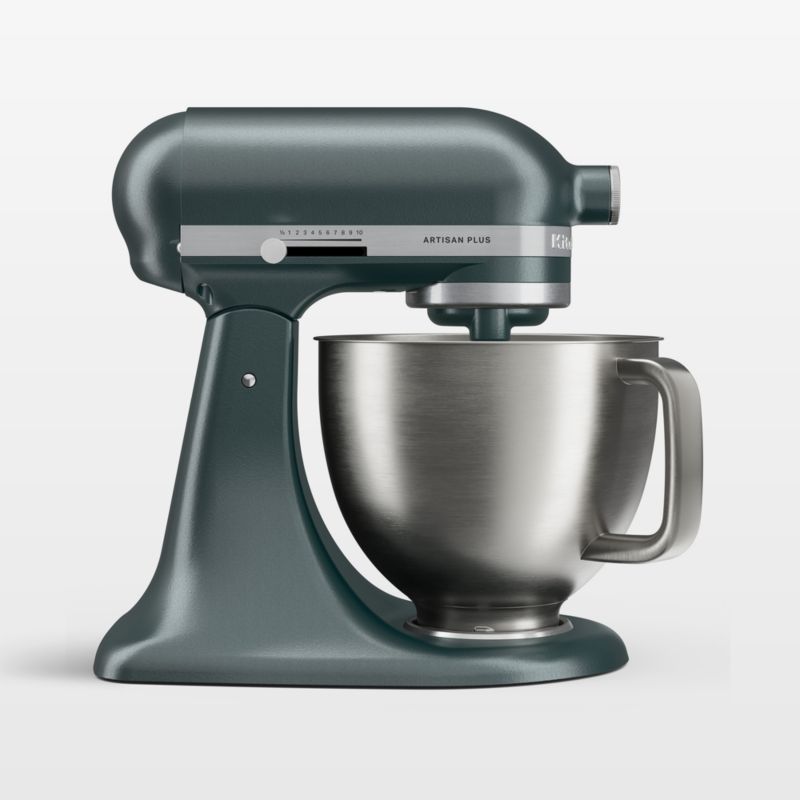
Credit: musical-hall.com
Real-life Examples: Stand Mixer Buying Stories
Example 1: Budget Buyer
Sarah bought a Hamilton Beach stand mixer for $120. She uses it once a week for cakes and cookies. After two years, it still works well. The mixer struggles with bread dough, but for light baking, it’s perfect.
Example 2: Serious Baker
Mike bakes bread every weekend. He invested $450 in a KitchenAid Artisan. It handles tough dough, large batches, and has lasted five years with no problems. Attachments like the pasta maker were worth the extra cost.
Example 3: Family Baker
Linda has a big family and needs large batches. She chose an Ankarsrum Original for $700. It mixes 7 quarts at a time and has a 7-year warranty. It’s heavy but reliable and makes baking easier.
These stories show the importance of matching your choice to your needs.
Tips For Saving Money On Stand Mixers
- Wait for sales: Black Friday and holiday deals can save you up to 30%.
- Buy refurbished: Some brands sell certified refurbished mixers for less.
- Check local stores and online: Prices vary, and you might find a better deal.
- Skip unnecessary attachments: Buy only what you’ll use.
- Consider older models: New models may have features you don’t need.
One non-obvious tip: Some specialty retailers offer bundle deals with attachments included. This can save money compared to buying each piece separately.
Stand Mixer Maintenance: Protecting Your Investment
A mixer’s life depends on how you use and care for it. Here are practical tips:
- Clean after each use: Wipe the body and wash attachments.
- Avoid overloading: Follow the mixer’s recommended capacity.
- Store safely: Keep the mixer in a dry place.
- Check the cord and plug: Make sure they’re not damaged.
- Use correct speeds: For heavy dough, start slow to avoid motor strain.
A well-maintained mixer can last over a decade.
Where To Find Reliable Stand Mixer Reviews
Before buying, read reviews from trusted sources. Look for:
- Detailed user experiences
- Long-term reliability reports
- Performance comparisons
Sites like Consumer Reports and Wirecutter offer unbiased reviews. For official specs and guides, visit the manufacturer’s site or BBC Good Food.
Frequently Asked Questions
How Much Should I Spend On A Stand Mixer?
For most home bakers, $200–$350 is enough. You get good power, decent bowl size, and reliable build. If you bake often or make big batches, consider spending more.
Are Expensive Mixers Worth The Price?
If you bake weekly or need to mix heavy dough, expensive mixers offer better durability, power, and longer warranties. For casual use, a mid-range mixer is fine.
Can I Use A Stand Mixer For Bread Dough?
Yes, but choose a mixer with at least 400 watts and a dough hook. Weak motors may struggle or burn out.
Is It Safe To Buy Refurbished Stand Mixers?
Certified refurbished mixers from reputable brands are safe and cost less. They usually come with a warranty.
What Attachments Are Most Useful?
The dough hook and whisk are most popular. Pasta makers, food grinders, and juicers are extra options, but only buy them if you’ll use them.
Choosing a stand mixer is easier when you know what matters. If you understand your baking habits, compare features, and check trusted reviews, you’ll find a mixer that fits your budget and lasts for years. Stand mixers are a smart investment for anyone who loves baking, and with the right guidance, you can make your choice confidently.

Hello, This is Annie Walker, a 38-year-old blogger, founder, and editor of Cookware Guider from NY, USA. I am a cookware fanatic and passionate cooker. I love to cook with different types of cooking appliances (example: all types of cookware, rice cookers, slow cookers, etc) almost every day in my kitchen. I love to share my experience with my readers in my blog. Also, I enjoy helping people to solve their problems through my website. You can follow me on Twitter & Pinterest. To know details about my blog please check the about us page.