
When you cook, safety is probably one of your top concerns. You want cookware that won’t harm your health or change the taste of your food.
That’s why ceramic cookware has become so popular. But how safe is ceramic cookware really? Could it affect your health in ways you haven’t thought about? You’ll discover the truth about ceramic cookware—what it is, how it works, and what risks, if any, you should watch out for.
Keep reading to make sure your kitchen stays a safe place for you and your family.
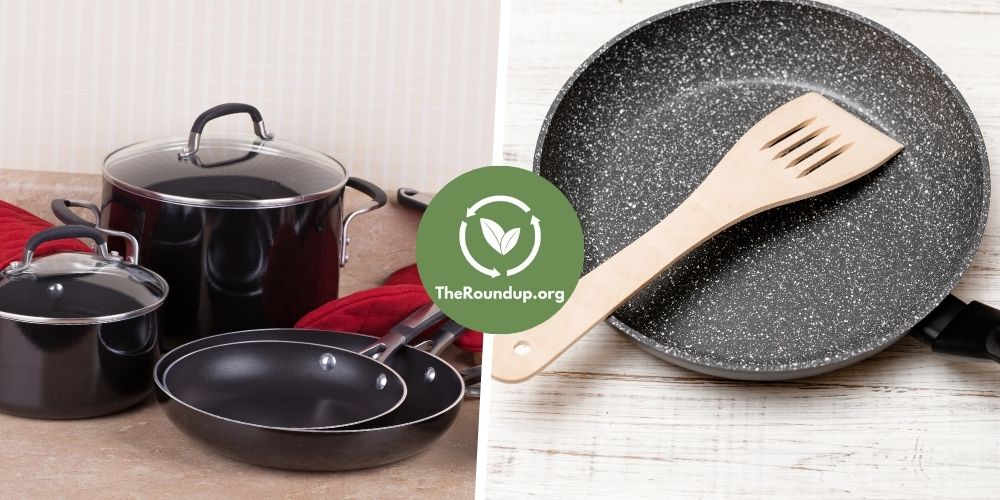
Credit: theroundup.org
Ceramic Cookware Basics
Ceramic cookware is popular for its non-stick surface and stylish look. It offers a safe way to cook without using harmful chemicals. Many people choose ceramic pots and pans to prepare healthy meals. Understanding the basics helps you pick the right cookware for your kitchen.
These products come in different forms and use various materials. Knowing the types and what materials are inside the ceramic coating is important. It helps you understand how safe and durable the cookware is.
Types Of Ceramic Cookware
Ceramic cookware includes fully ceramic items and those with ceramic coatings. Fully ceramic pieces are made from clay and baked at high temperatures. They are strong but can chip if dropped.
Cookware with ceramic coatings has a metal base covered by a ceramic layer. This coating is smooth and non-stick. It allows easy cooking and cleaning. The coating can wear off over time but does not release toxins.
Materials Used In Ceramic Coatings
Ceramic coatings usually contain silica and oxygen. These create a hard, glass-like surface on the cookware. The coating is free from PTFE and PFOA chemicals found in some non-stick pans.
This makes ceramic coatings safer for cooking at high heat. The materials resist scratches and stains better than traditional non-stick layers. Proper care keeps the coating intact and food safe.

Credit: fromourplace.com
Health Impacts Of Ceramic Cookware
Ceramic cookware has grown popular due to its sleek look and non-stick surface. Many people wonder about its health effects. Understanding the health impacts of ceramic cookware helps make safer kitchen choices.
Chemical Safety And Non-toxicity
Ceramic cookware usually has a coating made from natural materials. This coating does not contain harmful chemicals like PFOA or PTFE. These chemicals are often found in traditional non-stick pans and can release toxins when heated.
The ceramic surface does not react with food. It keeps meals free from metal or chemical contamination. This feature makes ceramic cookware a safer option for daily cooking.
Potential Risks And Concerns
Some ceramic coatings can chip or crack over time. If this happens, small pieces may mix with food. Although not toxic, eating these chips is not safe.
Low-quality ceramic cookware might contain heavy metals like lead or cadmium. These metals can be harmful if they leach into food. Choosing high-quality, certified ceramic cookware reduces this risk significantly.
Durability And Longevity
Ceramic cookware is popular for its natural non-stick surface and eco-friendly materials. Its durability and longevity matter a lot to cooks who want tools that last. Knowing how ceramic handles daily use helps in choosing the best pots and pans. This section dives into how ceramic cookware wears over time and what happens to its cooking performance.
Wear And Tear Over Time
Ceramic coatings can chip or crack if dropped or hit hard. Using metal utensils may scratch the surface, reducing its smoothness. High heat can also cause the ceramic layer to weaken or discolor. Proper care, like gentle cleaning and avoiding sudden temperature changes, extends the life of ceramic cookware. With regular use, expect some fading but not total damage quickly.
Effects On Cookware Performance
As ceramic wears, its non-stick power might reduce. Food may stick more, making cooking and cleaning harder. Heat distribution can become uneven, causing hot spots on the pan. This affects how food cooks and may lead to burning or uneven results. Keeping the ceramic coating intact helps maintain good cooking quality for years.
Comparison With Other Cookware
Choosing the right cookware affects your health and cooking quality. Comparing ceramic cookware with other types helps you pick safer options. This section looks at ceramic against common cookware materials.
Ceramic Vs. Non-stick Teflon
Ceramic cookware has a natural, non-stick surface made from sand. It does not release harmful chemicals during cooking. Teflon pans have a synthetic coating called PTFE. When overheated, Teflon can emit toxic fumes. Ceramic handles high heat better without breaking down. Ceramic pans often last longer with proper care. Teflon is easier to clean but can scratch easily. Choosing ceramic reduces exposure to chemicals from damaged coatings.
Ceramic Vs. Stainless Steel
Stainless steel is durable and does not react with food. It heats unevenly and food may stick more often. Ceramic cookware offers non-stick properties without added chemicals. Ceramic heats evenly and cooks food gently. Stainless steel can cause hot spots and burn food. Ceramic requires less oil for cooking. Stainless steel is often heavier and harder to clean. Ceramic is better for delicate foods like eggs and fish.
Safe Usage Tips
Using ceramic cookware safely helps keep your kitchen healthy and your meals tasty. Following simple tips protects the ceramic surface and avoids health risks. Safe usage ensures your cookware lasts longer and stays effective.
Proper Cleaning Techniques
Clean ceramic cookware after each use. Use warm water and mild dish soap. Avoid harsh cleaners that can damage the surface. Use a soft sponge or cloth to wipe gently. Never use steel wool or abrasive scrubbers. Rinse well to remove all soap. Dry completely before storing to prevent mold or stains.
Avoiding Damage And Contamination
Do not drop or hit ceramic cookware. Cracks can trap bacteria and cause leaks. Avoid sudden temperature changes that may crack the ceramic. Use wooden or silicone utensils to protect the surface. Avoid cooking sprays that leave sticky residues. Store cookware with care to avoid scratches. Replace any chipped or broken pieces immediately.
Environmental Considerations
Environmental considerations play a key role in choosing ceramic cookware. Understanding how these products affect the planet helps make better decisions. Ceramic cookware often appeals to those who want safer and greener kitchen options.
Eco-friendliness Of Ceramic Materials
Ceramic cookware is made from natural clay and minerals. These materials come from the earth and are abundant. The production process uses less energy compared to metal cookware. Ceramic coatings do not contain harmful chemicals like PFOA or PTFE. This means fewer toxins are released during cooking. The natural origin and low chemical use make ceramic cookware eco-friendly.
Disposal And Recycling
Ceramic cookware lasts for many years with proper care. At the end of its life, ceramic is not easy to recycle. It cannot be melted down like metals. Instead, broken pieces often go to landfills. Some ceramic items can be crushed and used in construction materials. This reuse helps reduce waste but is not widely practiced. Proper disposal helps minimize environmental harm from ceramic cookware.
Credit: www.youtube.com
Frequently Asked Questions
Is Ceramic Cookware Safe For Everyday Cooking?
Yes, ceramic cookware is generally safe for daily use. It is free from harmful chemicals like PFOA and PTFE. Ceramic coatings are non-toxic and heat resistant, making them a healthy choice for cooking.
Can Ceramic Cookware Release Harmful Toxins?
No, quality ceramic cookware does not release toxins. It is made from natural materials without harmful additives. However, low-quality ceramic coatings may degrade over time, so choose reputable brands.
How Does Ceramic Cookware Compare To Non-stick Pans?
Ceramic cookware is safer and more eco-friendly than traditional non-stick pans. It offers good heat distribution without toxic chemicals. Though less durable than some non-stick coatings, it is a healthier alternative.
Does Ceramic Cookware Require Special Care?
Yes, ceramic cookware needs gentle cleaning and avoids metal utensils. Hand washing preserves the coating and extends its lifespan. Avoid sudden temperature changes to prevent cracking.
Conclusion
Ceramic cookware offers a safe option for everyday cooking. It does not release harmful chemicals into food. This makes it a healthier choice than some other materials. Always follow the care instructions to keep the coating intact. Avoid heating empty ceramic pots to prevent damage.
Regular use with proper care helps maintain safety and performance. Choose ceramic cookware that is free from lead and cadmium. Safe cooking starts with choosing the right tools and using them well. Ceramic pots can be a reliable part of your kitchen.

Hello, This is Annie Walker, a 38-year-old blogger, founder, and editor of Cookware Guider from NY, USA. I am a cookware fanatic and passionate cooker. I love to cook with different types of cooking appliances (example: all types of cookware, rice cookers, slow cookers, etc) almost every day in my kitchen. I love to share my experience with my readers in my blog. Also, I enjoy helping people to solve their problems through my website. You can follow me on Twitter & Pinterest. To know details about my blog please check the about us page.