
If you own cast iron enamel cookware, you already know how valuable it is in your kitchen. These pieces combine the strength of cast iron with a smooth, easy-to-clean surface that makes cooking a joy.
But to keep your cookware looking great and performing well for years, you need to care for it properly. You’ll discover simple and effective tips to protect your investment. You’ll learn how to clean, store, and maintain your cookware so it stays as beautiful and reliable as the day you bought it.
Keep reading—you don’t want to miss these easy tricks that will save you time, money, and frustration.
Credit: event.rmutt.ac.th
Seasoning Basics
Proper care for cast iron enamel cookware keeps it looking great and working well for years. Seasoning basics help protect the surface and improve cooking performance. Although enamel is durable, seasoning adds a thin layer that prevents food from sticking and reduces wear. Understanding how to season enamel cookware ensures longer use and easier cleaning.
Why Seasoning Matters
Seasoning enamel cookware creates a protective layer on the surface. This layer helps to:
- Prevent food from sticking during cooking.
- Reduce scratches caused by utensils.
- Protect the enamel from chipping or cracking.
- Extend the cookware’s lifespan by keeping it smooth and strong.
Without seasoning, food can stick more easily, making cooking and cleaning harder. Also, enamel can wear faster when exposed to high heat or rough use. Seasoning forms a thin, natural non-stick coating that improves each use.
| Benefit | Result |
|---|---|
| Non-stick surface | Easier cooking and cleaning |
| Scratch resistance | Longer-lasting enamel finish |
| Heat protection | Reduced risk of chipping or cracking |
Steps To Season Enamel Cookware
Seasoning enamel cookware is simple but must be done carefully. Follow these steps for best results:
- Clean the cookware thoroughly with warm, soapy water. Dry completely.
- Apply a thin layer of cooking oil inside the cookware. Use oils with high smoke points like vegetable or canola oil.
- Spread the oil evenly using a soft cloth or paper towel. Remove excess oil to avoid sticky residue.
- Heat the cookware on low to medium heat for 10-15 minutes. This helps the oil bond to the surface.
- Let it cool completely before storing or cooking.
Repeat this process every few months or after heavy use to maintain the seasoning layer. Avoid harsh detergents or metal scrubbers that can strip the seasoning.
| Step | Action | Tip |
|---|---|---|
| 1 | Clean with soap and water | Ensure no moisture remains |
| 2 | Apply thin oil layer | Use high smoke point oils |
| 3 | Heat on stove | Low to medium heat for 15 minutes |
| 4 | Cool down | Do not wash immediately after heating |

Credit: www.lodgecastiron.com
Cleaning Tips
Proper cleaning helps keep cast iron enamel cookware in excellent condition. This cookware combines the durability of cast iron with a smooth enamel surface, making cleaning easier than traditional cast iron. Still, cleaning requires care to avoid damaging the enamel coating. Follow these cleaning tips to maintain your cookware’s beauty and performance.
Safe Cleaning Methods
Cleaning cast iron enamel cookware safely protects its enamel layer and extends its life. Use warm water and mild soap to wash the cookware after each use. Avoid sudden temperature changes, as hot water on a cold pan can crack the enamel.
- Hand wash only: Do not put enamel cookware in the dishwasher, as harsh detergents and heat can damage the surface.
- Use soft sponges: Choose non-abrasive sponges or cloths to avoid scratching the enamel.
- Dry immediately: After washing, dry the cookware thoroughly with a soft towel to prevent rust on exposed cast iron edges.
- Soak for stuck food: Soak the cookware in warm, soapy water for 15-20 minutes before cleaning to loosen residue.
Here is a simple table summarizing safe cleaning steps:
| Step | Action | Reason |
|---|---|---|
| 1 | Rinse with warm water | Removes loose food particles |
| 2 | Use mild soap and soft sponge | Protects enamel from scratches |
| 3 | Dry immediately | Prevents rust on cast iron edges |
Avoiding Harsh Detergents
Harsh detergents can damage the enamel coating on your cast iron cookware. These detergents contain strong chemicals that can dull or chip the enamel surface. Use gentle cleaning agents to keep the enamel smooth and shiny.
Follow these tips to avoid harsh detergents:
- Skip bleach and ammonia: These chemicals erode enamel and weaken the cookware.
- Avoid abrasive powders: Powders with rough particles scratch the enamel surface.
- Choose mild dish soap: Liquid soaps designed for delicate dishes work best.
- Test new cleaners: Try a small area before full use to ensure no damage occurs.
Remember, gentle cleaning keeps your cookware safe and looking new. Using harsh detergents speeds up wear and reduces the cookware’s lifespan.
Removing Stubborn Stains
Stubborn stains happen from burnt food or mineral deposits. Removing these stains needs gentle techniques to protect the enamel.
Try these methods:
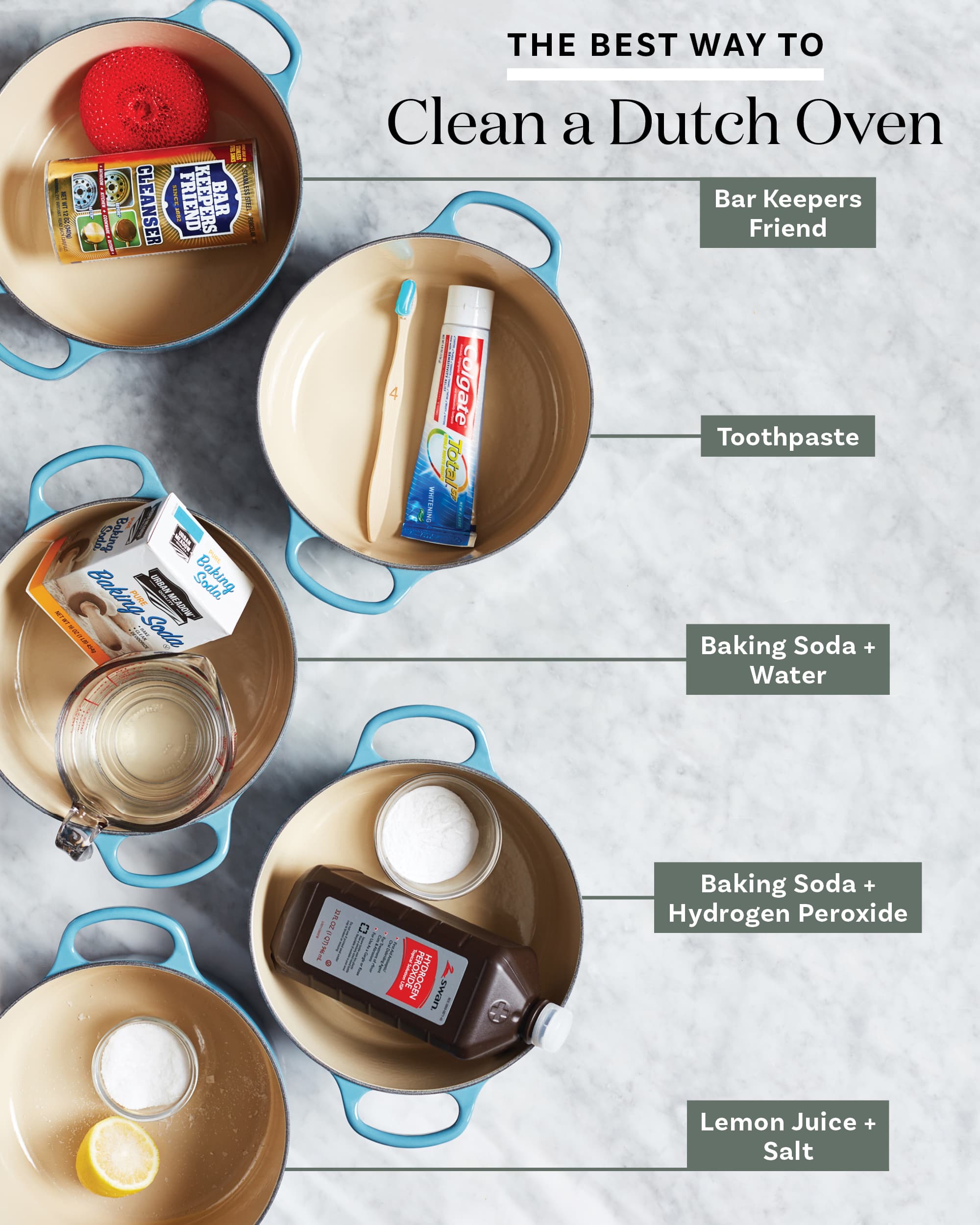
- Baking soda paste: Mix baking soda with water to form a paste. Apply to stains and let sit for 15 minutes. Gently scrub with a soft sponge and rinse.
- White vinegar soak: Fill the cookware with equal parts water and white vinegar. Heat on low for 10 minutes, then let cool. Wash normally to remove residue.
- Non-metal scrubbers: Use nylon scrubbers to clean tough spots without scratching.
Do not use metal scouring pads or steel wool. These tools damage the enamel and expose the cast iron underneath, causing rust.
Here is a quick guide to stain removal:
| Stain Type | Method | Notes |
|---|---|---|
| Burnt food | Baking soda paste | Apply, wait, then scrub gently |
| Mineral deposits | White vinegar soak | Heat gently, then clean |
| General stains | Soft nylon scrubber | Avoid metal scrubbing tools |
Storage Advice
Proper storage of cast iron enamel cookware keeps it safe and ready for use. This cookware combines the strength of cast iron with a smooth enamel coating. Storing it right protects the enamel from damage and prevents rust. Good storage habits extend the life of your pots and pans. Follow simple steps to keep your cookware clean, dry, and well-organized.
Proper Drying Techniques
Drying cast iron enamel cookware carefully is essential. Water left on the surface can cause rust on the exposed cast iron parts. It also may lead to mineral spots on the enamel. Use these steps for drying:
- After washing, wipe the cookware immediately with a soft, dry cloth or towel.
- Allow the cookware to air dry for 10-15 minutes in a warm, ventilated area.
- For lids and handles, dry thoroughly to avoid moisture buildup in tight spaces.
Use a tablecloth or drying rack with good airflow. Avoid stacking wet cookware, which traps moisture inside. Here is a quick drying checklist:
| Step | Action | Reason |
|---|---|---|
| 1 | Wipe with dry cloth | Removes most water |
| 2 | Air dry 10-15 minutes | Evaporates remaining moisture |
| 3 | Dry lids and handles well | Prevents trapped water |
Following these drying techniques helps avoid rust and preserves the enamel shine. Always dry your cookware before storing it away.
Preventing Chipping And Rust
Chips and rust damage cast iron enamel cookware’s surface. Protect the enamel coating and cast iron base using careful storage habits. Here are tips to prevent damage:
- Store cookware separately or with soft padding between items to avoid scratches and chips.
- Use felt or silicone liners when stacking pots and pans.
- Avoid placing heavy items on top of the enamel cookware to reduce pressure that causes cracks.
- Keep cookware in a dry place to stop rust forming on any exposed cast iron.
Check the enamel surface regularly for small cracks or chips. Treat any exposed cast iron quickly by drying and applying a light coat of oil. Use the table below for quick care reminders:
| Damage Type | Cause | Prevention |
|---|---|---|
| Chipping | Impact or stacking without protection | Use liners and gentle handling |
| Rust | Moisture on exposed cast iron | Dry thoroughly and store dry |
Proper storage keeps your cast iron enamel cookware safe and beautiful. Handle with care, dry well, and store wisely to enjoy long-lasting performance.
Cooking Best Practices
Cooking with cast iron enamel cookware requires careful attention to preserve its beauty and performance. Following the right cooking practices helps avoid damage and ensures even heat distribution. This section covers key tips for cooking that protect your cookware and improve your meals.
Optimal Heat Settings
Cast iron enamel cookware holds heat well but heats slowly. Use medium or low heat to prevent food from sticking or burning. High heat can cause enamel to crack or discolor.
- Start on low or medium heat: Gradually warm the pan before cooking.
- Avoid sudden temperature changes: Do not place a hot pan under cold water immediately.
- Use burner size that matches cookware: A burner too large can heat the sides unevenly.
| Heat Level | Usage | Effect on Cookware |
|---|---|---|
| Low | Simmer sauces, warm food | Safe, prevents enamel damage |
| Medium | Cook most meals | Even heating, good for cooking |
| High | Boil water, quick sear | Risk of enamel cracking or discoloration |
Use medium heat for most cooking needs. High heat only for short periods, like boiling water.
Using Appropriate Utensils
Enamel coating can chip if scratched by metal utensils. Use tools made of wood, silicone, or heat-resistant plastic. These protect the surface and last longer.
- Avoid metal spoons, forks, and knives: They can scratch or chip the enamel.
- Choose wooden or silicone spatulas: Gentle on enamel and easy to clean.
- Use silicone tongs or ladles: Safe for stirring and serving hot food.
The right utensils reduce wear and maintain the smooth cooking surface. Below is a quick guide:
| Utensil Type | Recommended | Reason |
|---|---|---|
| Wooden | Yes | Soft, no scratching |
| Silicone | Yes | Heat resistant, gentle |
| Plastic (heat-resistant) | Yes | Safe if heat resistant |
| Metal | No | Scratches and chips enamel |
Always clean utensils before use to avoid grit that could scratch the surface. Handle cookware carefully to extend its life.
Repair And Maintenance
Proper repair and maintenance keep cast iron enamel cookware in great shape for years. This cookware combines the strength of cast iron with a smooth enamel surface. It needs gentle care to avoid damage. Handling chips and cracks quickly prevents bigger problems. Knowing when to replace your cookware helps keep your kitchen safe and efficient.
Handling Chips And Cracks
Chips and cracks can happen if the cookware is dropped or hit hard. These damages affect cooking and may cause food to stick or burn. The enamel layer protects the cast iron from rust and damage. Once chipped, the exposed iron can rust fast. Cracks may lead to leaks or breakage.
Steps to handle chips and cracks:
- Clean the damaged area gently with warm water and mild soap.
- Dry the cookware thoroughly to stop rust.
- Use food-safe enamel repair kits to fill small chips.
- Avoid using harsh scrubbers on the damaged spot.
- For larger cracks, consult a professional or consider replacement.
Repair kits usually include enamel paint and brushes. They help seal small chips and stop rust. Use the kit as per instructions. Allow the enamel to dry fully before cooking. Avoid cooking acidic foods on damaged surfaces to prevent further harm.
| Damage Type | Repair Suggestion | Risk |
|---|---|---|
| Small chips | Use enamel repair kit | Rust, uneven cooking |
| Large chips | Consult professional | Rust, contamination |
| Hairline cracks | Monitor, avoid heat shock | Leak, breakage |
| Deep cracks | Replace cookware | Safety hazard |
When To Replace Cookware
Some damages are beyond repair. Using old or damaged cookware can be unsafe. Replacement keeps your cooking safe and enjoyable. Look for signs that show it is time to replace your cast iron enamel cookware.
Signs to replace cookware:
- Large chips exposing cast iron.
- Cracks that cause leaks.
- Rust forming inside the cookware.
- Warped or uneven base affecting heat.
- Persistent stains or discoloration.
- Frequent food sticking despite care.
Old cookware can affect food taste and safety. If you notice any sign, replacing the cookware protects your health. Use new cookware that matches your cooking needs. Proper storage and handling extend its life.
| Condition | Effect | Action |
|---|---|---|
| Exposed cast iron | Rust, contamination | Replace immediately |
| Leaking cracks | Safety risk | Replace immediately |
| Warped base | Poor heat distribution | Replace soon |
| Stains/discoloration | Food quality drop | Consider replacement |

Credit: cooking.stackexchange.com
Frequently Asked Questions
How Do I Clean Cast Iron Enamel Cookware?
Clean cast iron enamel cookware with warm, soapy water and a soft sponge. Avoid abrasive cleaners to protect the enamel. Dry it thoroughly to prevent rust on exposed cast iron parts. For stubborn stains, soak in warm water before gently scrubbing.
Can I Use Metal Utensils On Enamel Cookware?
Avoid using metal utensils on enamel cookware. Metal can scratch and damage the enamel surface. Instead, use wooden, silicone, or plastic utensils to preserve the coating and extend the cookware’s lifespan.
How Should I Store Cast Iron Enamel Cookware?
Store cast iron enamel cookware in a dry place with the lid off or slightly ajar. This prevents moisture buildup and potential rust. Use a soft cloth or paper towel between stacked pieces to avoid scratches.
Is It Safe To Use Enamel Cookware On High Heat?
Avoid using enamel cookware on very high heat. High temperatures can crack or discolor the enamel. Use low to medium heat for even cooking and to protect the cookware’s surface.
Conclusion
Caring for cast iron enamel cookware keeps it strong and useful. Clean it gently with warm water and a soft sponge. Avoid metal tools that can scratch the surface. Dry it well to stop rust and stains. Store it in a dry place to protect the enamel.
With small daily steps, your cookware lasts for years. Enjoy cooking with pieces that stay beautiful and safe. Simple care brings great results every time you cook.

Hello, This is Annie Walker, a 38-year-old blogger, founder, and editor of Cookware Guider from NY, USA. I am a cookware fanatic and passionate cooker. I love to cook with different types of cooking appliances (example: all types of cookware, rice cookers, slow cookers, etc) almost every day in my kitchen. I love to share my experience with my readers in my blog. Also, I enjoy helping people to solve their problems through my website. You can follow me on Twitter & Pinterest. To know details about my blog please check the about us page.