
Choosing the right cookware isn’t just about how your food tastes—it’s about your health. You might not realize it, but some pots and pans can release harmful chemicals or metals into your meals.
If you want to protect yourself and your loved ones, knowing which cookware is safest is key. You’ll discover the healthiest options for cooking, so you can make smart choices that keep your food pure and your body strong. Keep reading to find out what cookware you should be using every day.

Credit: www.youtube.com
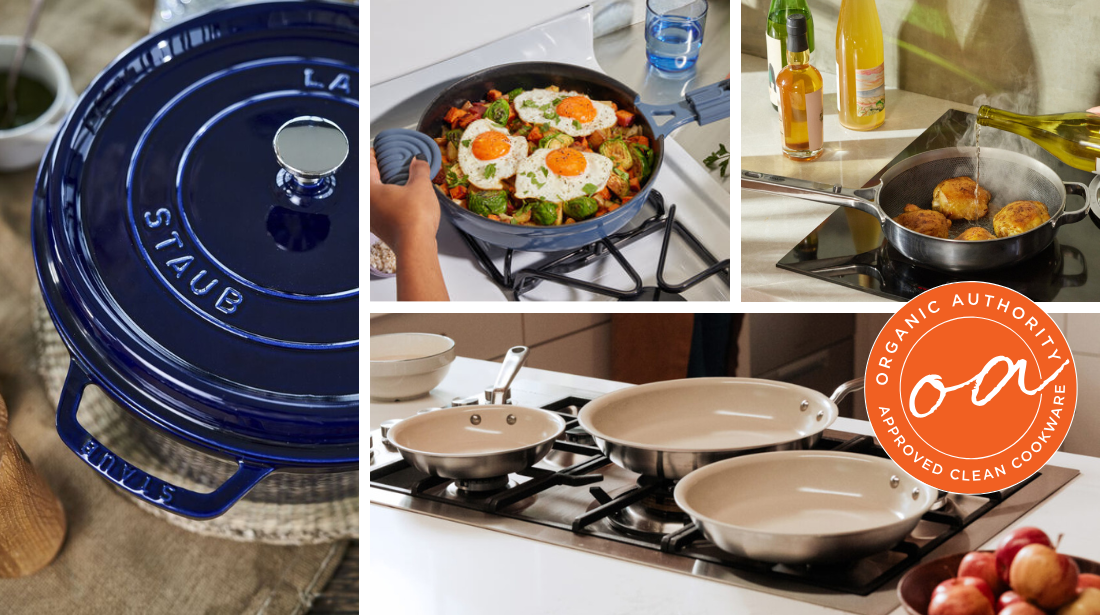
Safe Cookware Materials
Choosing the right cookware affects your health and cooking quality. Safe cookware materials do not release harmful chemicals or toxins into your food. They also last long and handle heat well. Using safe cookware helps keep your meals pure and nutritious. Below are popular safe cookware options with their key benefits and features.
Stainless Steel Benefits
Stainless steel cookware is a top choice for many kitchens. It is made from a mix of metals like iron, chromium, and nickel. This combination makes it strong, rust-resistant, and non-reactive with food.
Key benefits of stainless steel:
- Non-reactive surface: Does not alter the taste or color of food.
- Durability: Lasts for years without warping or rusting.
- Easy maintenance: Dishwasher safe and resists stains.
- Even heating: High-quality pans have an aluminum or copper core for better heat distribution.
Here is a comparison table showing stainless steel features:
| Feature | Benefit |
|---|---|
| Material | Iron, chromium, nickel alloy |
| Heat resistance | Up to 500°F (260°C) |
| Maintenance | Dishwasher safe, easy to clean |
| Reactivity | Non-reactive to acidic and basic foods |
Note: Avoid cooking highly acidic foods for long periods to prevent slight metal taste.
Cast Iron Advantages
Cast iron cookware has been used for centuries. It is made from heavy iron that holds heat well. This cookware type is perfect for frying, searing, and baking.
Benefits of cast iron include:
- Excellent heat retention: Keeps food hot for longer.
- Non-stick surface: Develops a natural coating called seasoning with use.
- Iron boost: Small iron amounts transfer to food, which can improve iron intake.
- Long-lasting: Can last generations with proper care.
Cast iron requires some care to keep it healthy:
- Season regularly with oil to maintain non-stick surface.
- Avoid soaking in water to prevent rust.
- Use mild soap and dry immediately after washing.
Cast iron works well on all heat sources, including induction and open fire.
Ceramic Cookware Uses
Ceramic cookware comes with a smooth, non-stick surface made from natural minerals. It is often free from harmful chemicals like PTFE and PFOA found in some non-stick pans.
Advantages of ceramic cookware:
- Non-toxic coating: Safe for cooking at medium temperatures.
- Non-stick properties: Requires less oil for cooking healthy meals.
- Easy cleaning: Food slides off easily without scrubbing hard.
- Versatile: Suitable for stovetop and oven use.
Care tips for ceramic cookware:
- Avoid high heat to protect the coating.
- Use soft sponges to prevent scratches.
- Check for cracks or chips before use.
Ceramic pans are ideal for cooking eggs, pancakes, and delicate foods.
Glass Cookware Features
Glass cookware is made from heat-resistant borosilicate glass. It is a great option for baking and microwave cooking. Glass does not react with food, keeping meals pure and safe.
Key features of glass cookware:
- Non-reactive: Does not leach chemicals or flavors.
- Microwave safe: Perfect for reheating and cooking.
- Easy to clean: Dishwasher safe and stain-resistant.
- Transparent: Allows monitoring food while cooking.
Glass cookware is not suitable for stovetop use unless specified. It may break if exposed to sudden temperature changes.
Use glass for baking casseroles, roasting vegetables, and storing leftovers safely.
Credit: www.organicauthority.com
Non-stick Options
Choosing the healthiest cookware affects the quality of your meals and your well-being. Non-stick options are popular for easy cooking and cleaning. They reduce the need for oil, helping you make lighter, healthier dishes. Yet, not all non-stick pans are safe. Some contain chemicals that may harm health if overheated. Picking the right non-stick cookware means knowing what materials are inside and how they react to heat. This section explains safe non-stick types and their benefits and drawbacks.
Ptfe And Pfoa-free Choices
PTFE (Polytetrafluoroethylene) is a common non-stick coating, known as Teflon. It helps food slide off pans easily. But old versions used PFOA (Perfluorooctanoic acid), a chemical linked to health risks. Today, many brands offer PTFE coatings without PFOA. These are safer and more eco-friendly.
Key points about PTFE and PFOA-free cookware:
- PTFE coating works well at low to medium heat without releasing harmful fumes.
- PFOA-free means the pan was made without harmful chemicals during production.
- Always avoid overheating PTFE pans above 500°F (260°C) to prevent breakdown.
- Use wooden or silicone utensils to keep the coating intact.
| Feature | Benefit | Consideration |
|---|---|---|
| PTFE Coating | Excellent food release, easy cleaning | Can degrade if overheated |
| PFOA-Free | Safer for health and environment | Check labels to confirm |
| Durability | Lasts 2-5 years with care | Scratch easily, avoid metal tools |
Choosing PTFE and PFOA-free pans allows safer cooking without losing convenience. These pans suit everyday meals but need gentle handling. They help reduce oil use, supporting healthier recipes.
Ceramic Non-stick Pros And Cons
Ceramic non-stick pans have a coating made from natural minerals. They do not contain PTFE or PFOA, making them a healthier alternative. Ceramic coatings feel smooth and cook evenly. They also handle higher heat better than traditional non-stick pans.
Benefits of ceramic non-stick cookware:
- Non-toxic surface: Free from harmful chemicals like PTFE and PFOA.
- High heat tolerance: Safe to use at temperatures over 600°F (315°C).
- Even cooking: Distributes heat well, reducing hot spots.
- Easy to clean: Food does not stick much, cleaning is quick.
Drawbacks include:
- Less durable: Ceramic coatings can chip or wear out faster.
- Requires gentle care: Avoid metal utensils and sudden temperature changes.
- Can lose non-stick properties: Over time, surface may become less slick.
| Aspect | Pros | Cons |
|---|---|---|
| Health Safety | No toxic chemicals | None |
| Heat Resistance | Handles higher heat | May crack if heated too fast |
| Durability | Good for medium use | Coating wears off sooner |
| Cleaning | Easy to clean | Needs careful washing |
Ceramic pans offer a safe, natural option for healthy cooking. They suit cooks who want chemical-free surfaces and can maintain their pans carefully. These pans help prepare meals with less fat and fewer chemicals.
Avoiding Harmful Chemicals
Choosing the right cookware is important for your health. Some pots and pans release harmful chemicals during cooking. These chemicals can mix with your food and cause health problems. Avoiding harmful chemicals means picking cookware that does not leak toxins. This helps keep your meals safe and healthy. Understanding which materials are safe can protect you and your family from these risks.
Toxic Elements In Cookware
Certain cookware contains metals and chemicals that can be harmful. These substances may get into food, especially when the cookware is scratched or heated to high temperatures. Common toxic elements include:
- Lead: Found in some old or cheap ceramic cookware. It can cause serious health issues.
- Cadmium: Used in some colored glazes. It is harmful to kidneys and bones.
- Aluminum: Can leach into food, especially with acidic dishes. High intake may affect the brain.
- PFOA and PTFE: Chemicals used in non-stick coatings. They can release toxic fumes if overheated.
Here is a quick overview of these toxic elements:
| Toxic Element | Common Source | Health Risk |
|---|---|---|
| Lead | Old ceramic cookware, paint | Brain damage, especially in children |
| Cadmium | Colored glazes, some metals | Kidney damage, bone weakness |
| Aluminum | Aluminum pots, pans | Possible brain effects, linked to Alzheimer’s |
| PFOA/PTFE | Non-stick coatings | Toxic fumes at high heat, flu-like symptoms |
Choose cookware that does not contain these toxic elements. Avoid scratched non-stick pans and chipped ceramic pots. Use lower heat with non-stick to reduce risk.
How To Identify Safe Products
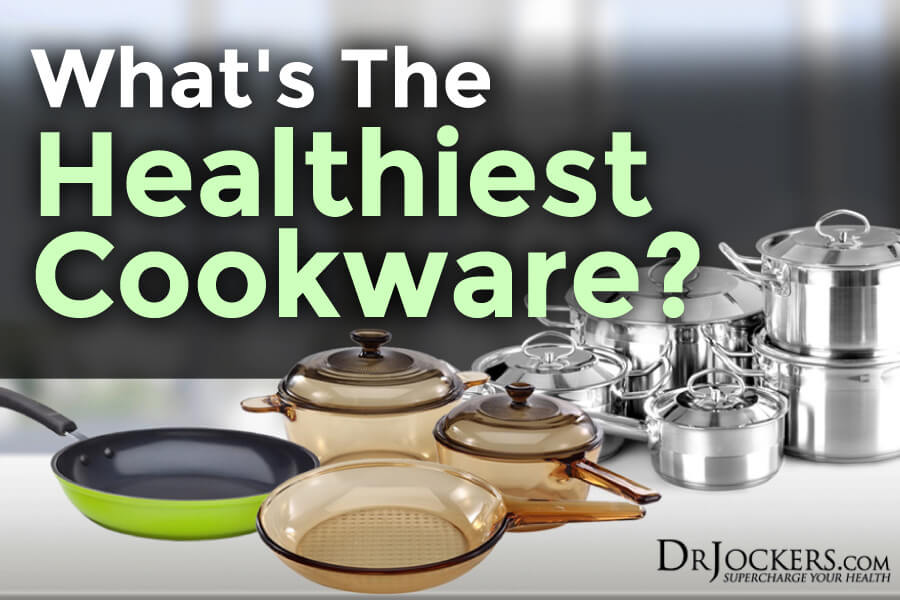
Safe cookware is free from harmful chemicals and metals. Look for labels that confirm the product is non-toxic and food safe. Some materials are naturally safe and durable. These include stainless steel, cast iron, and glass.
Follow these tips to find safe cookware:
- Check for certifications: Look for FDA approval or food-safe labels.
- Avoid non-stick pans with PFOA: Newer pans often state “PFOA-free.”
- Pick known safe materials: Stainless steel, cast iron, ceramic, and glass are good choices.
- Inspect cookware condition: Avoid pans with scratches, chips, or peeling surfaces.
- Read product reviews: See if other users report safety or durability issues.
Here is a simple guide to cookware materials and safety:
| Material | Safe for Cooking? | Notes |
|---|---|---|
| Stainless Steel | Yes | Durable, non-reactive, easy to clean |
| Cast Iron | Yes | Seasoning needed, adds iron to food |
| Ceramic | Yes (if lead-free) | Check for lead-free certification |
| Glass | Yes | Non-toxic, good for baking |
| Aluminum | No (unless anodized) | Can leach metals, anodized is safer |
| Non-stick (Teflon/PTFE) | Use with care | Avoid high heat, PFOA-free is safer |
Safe cookware helps keep food pure and healthy. Choose materials wisely to protect your family’s health.
Credit: drjockers.com
Cookware Maintenance Tips
Choosing the healthiest cookware is only part of the process. Proper maintenance keeps your cookware safe and lasting longer. Good care prevents damage, harmful chemical releases, and keeps food tasting fresh. This section shares easy tips on how to maintain cookware without hurting its surface or health benefits.
Cleaning Without Damage
Cleaning cookware the right way protects its coating and material. Using harsh scrubbing pads or strong chemicals can ruin non-stick layers or expose metals that might react with food. Follow these simple steps to clean without damage:
- Use soft sponges: Choose sponges or cloths that are gentle on surfaces.
- Mild soap: Dish soap with mild formulas works best for most cookware.
- Warm water soak: Soak pans in warm water before washing to loosen stuck food.
- Avoid metal scrubbers: Steel wool or metal brushes can scratch and ruin pans.
- Dry immediately: Prevent rust by drying pans right after washing.
Some cookware types need special care. Here is a quick guide:
| Cookware Type | Cleaning Tips | What to Avoid |
|---|---|---|
| Non-stick | Wash gently with soft sponge and mild soap | Harsh scrubbers, high heat, abrasive cleaners |
| Stainless Steel | Use warm water and dish soap; scrub with soft brush for stains | Abrasive pads that cause scratches |
| Cast Iron | Rinse with hot water; avoid soap or use very little | Soaking for too long, dishwasher |
| Ceramic | Soft sponge and mild detergent, rinse well | Sharp scrubbers, sudden temperature changes |
Following these cleaning methods helps keep cookware safe for cooking. It preserves coatings and stops chemicals from leaching into food.
Seasoning Cast Iron
Seasoning is a must for cast iron cookware. It creates a natural, non-stick layer and protects the pan from rust. This layer also improves with each use, making your pan healthier for cooking.
Here are the basic steps to season cast iron:
- Wash the pan with hot water and a soft brush. Avoid soap.
- Dry completely with a clean towel or heat on stove to remove moisture.
- Apply a thin layer of cooking oil (vegetable or flaxseed oil works well) over the entire surface.
- Place the pan upside down in an oven preheated to 375°F (190°C). Put foil on the lower rack to catch drips.
- Bake for 1 hour, then turn off the oven and let the pan cool inside.
Repeat seasoning a few times for best results. This process builds a strong, smooth surface that helps food release easily and keeps your pan safe from rust.
Seasoned cast iron offers these benefits:
- Non-stick surface without chemicals
- Durability for years of use
- Better heat retention for even cooking
- Natural protection against rust
Regular seasoning keeps cast iron in top shape. Avoid soaking or washing in dishwasher, and dry it right away after cleaning. This care ensures your cookware stays healthy and safe for cooking every time.
Environmental And Health Impact
Choosing the healthiest cookware means thinking about both your health and the environment. Cookware materials can affect the food you eat and the planet. Some materials release harmful chemicals, while others keep nutrients safe. Some cookware is made in ways that harm nature, while others use eco-friendly processes. Understanding these impacts helps you pick the best pots and pans for your kitchen and health.
Sustainability Of Cookware Materials
Cookware sustainability depends on how materials are sourced, made, and disposed of. Some materials are natural and last long, reducing waste. Others use energy-heavy processes and chemicals that pollute air and water.
- Cast Iron: Made from natural iron, cast iron lasts for decades. It can be recycled easily and withstands heavy use.
- Stainless Steel: Durable and recyclable, but production uses a lot of energy and mining.
- Ceramic: Made from clay and minerals, it is eco-friendly if produced traditionally. Some ceramics have coatings that may not be safe.
- Non-stick (PTFE or Teflon): Made with chemicals that may harm workers and take long to break down in landfills.
Here is a comparison of popular cookware materials by sustainability factors:
| Cookware Material | Renewable Source | Recyclability | Production Impact | Durability |
|---|---|---|---|---|
| Cast Iron | Yes | High | Medium | Very High |
| Stainless Steel | No | High | High | High |
| Ceramic | Yes | Low | Low to Medium | Medium |
| Non-stick (PTFE) | No | Low | High | Low |
Choosing cookware with low production impact and high durability reduces waste. Recycling or reusing old cookware also helps the environment.
Effect On Food Nutrients
Cookware can change the nutrients in food. Some materials keep vitamins and minerals safe, while others may cause nutrient loss or add harmful substances.
Metal Cookware: Cast iron can add iron to food, which benefits those with low iron. Stainless steel does not react with food, keeping nutrients intact.
Non-stick Cookware: Releases fewer nutrients because food does not stick and burns less. But overheating non-stick pans can release toxic fumes.
Ceramic Cookware: Does not react with food and preserves nutrients well. However, some cheap ceramic coatings can contain harmful metals.
Here is how cookware affects common food nutrients:
| Cookware Type | Vitamin Retention | Mineral Interaction | Risk of Harmful Chemicals |
|---|---|---|---|
| Cast Iron | Good | Adds Iron | Low |
| Stainless Steel | Good | Neutral | Low |
| Ceramic | Very Good | Neutral | Low (if good quality) |
| Non-stick (PTFE) | Good | Neutral | Medium to High (if overheated) |
Using low and medium heat helps keep nutrients safe and avoids toxic fumes. Regularly checking cookware condition prevents chemical leaks.
Frequently Asked Questions
What Is The Safest Cookware Material For Health?
The safest cookware materials include stainless steel, cast iron, and ceramic. These materials do not leach harmful chemicals. They retain heat well and are durable. Avoid cookware with toxic coatings for better health.
Does Non-stick Cookware Affect Food Safety?
Traditional non-stick cookware can release harmful fumes when overheated. Modern non-stick pans with PFOA-free coatings are safer. However, avoid scratching the surface to prevent chemical exposure. Use low to medium heat for safety.
Is Cast Iron Cookware Healthy To Use?
Cast iron cookware is healthy and adds iron to food. It is naturally non-toxic and durable. Proper seasoning prevents rust and creates a non-stick surface. It suits high-heat cooking and enhances flavor.
Can Ceramic Cookware Improve Cooking Health?
Ceramic cookware is non-reactive and free from harmful chemicals. It provides even heat distribution and is easy to clean. Ceramic coatings are generally safe but check for lead or cadmium-free labels.
Conclusion
Choosing healthy cookware protects your food and your body. Materials like stainless steel, cast iron, and ceramic work well. Avoid pots that may release harmful chemicals while cooking. Clean your cookware properly to keep it safe and long-lasting. Cook with care and enjoy tasty, healthy meals every day.
Your health matters, so pick cookware that supports it. Simple choices make a big difference in your kitchen.

Hello, This is Annie Walker, a 38-year-old blogger, founder, and editor of Cookware Guider from NY, USA. I am a cookware fanatic and passionate cooker. I love to cook with different types of cooking appliances (example: all types of cookware, rice cookers, slow cookers, etc) almost every day in my kitchen. I love to share my experience with my readers in my blog. Also, I enjoy helping people to solve their problems through my website. You can follow me on Twitter & Pinterest. To know details about my blog please check the about us page.