
If you own ceramic cookware, you already know how great it feels to cook with something that’s both stylish and practical. But to keep your pots and pans looking new and working their best, you need the right care.
Without proper attention, ceramic cookware can lose its shine, stickiness, and even its non-stick magic. This guide will show you simple, effective ways to protect your investment and make your cooking experience smoother every time. Ready to unlock the secret to lasting ceramic cookware?
Let’s dive in!
:strip_icc()/Stocksy_txp6df66a89OY1300_Medium_2702210-b63ac899180a4d9a8b383ffee5d14770.jpg)
Credit: www.mydomaine.com
Choosing The Right Ceramic Cookware
Choosing the right ceramic cookware is key to a better cooking experience. It affects how your food cooks and how long your pots and pans last. The right choice means safer meals and easier cleaning. Understanding different types and important features helps you pick the best set for your kitchen.
Types Of Ceramic Cookware
Ceramic cookware comes in several forms. Pure ceramic is made from clay and baked at high heat. It offers even heat but is fragile. Ceramic-coated cookware has a metal base with a ceramic layer on top. This type is more durable and heats quickly. There are also hybrid options mixing ceramic with other materials. Each type suits different cooking styles and needs.
What To Look For When Buying
Check the cookware’s coating quality. Look for a thick, smooth ceramic layer to avoid chipping. Ensure it is free from harmful chemicals like PFOA and PTFE. Consider the base material for heat distribution. A heavy base usually means better heat control. Handles should be sturdy and heat-resistant. Also, verify if the cookware works on your stove type. Oven safety is another important factor to consider.
Credit: madeincookware.com
Cleaning Ceramic Cookware
Caring for ceramic cookware starts with proper cleaning. Keeping your pots and pans clean helps them last longer. It also keeps your food tasting fresh. Ceramic surfaces need gentle care to avoid damage.
Best Cleaning Techniques
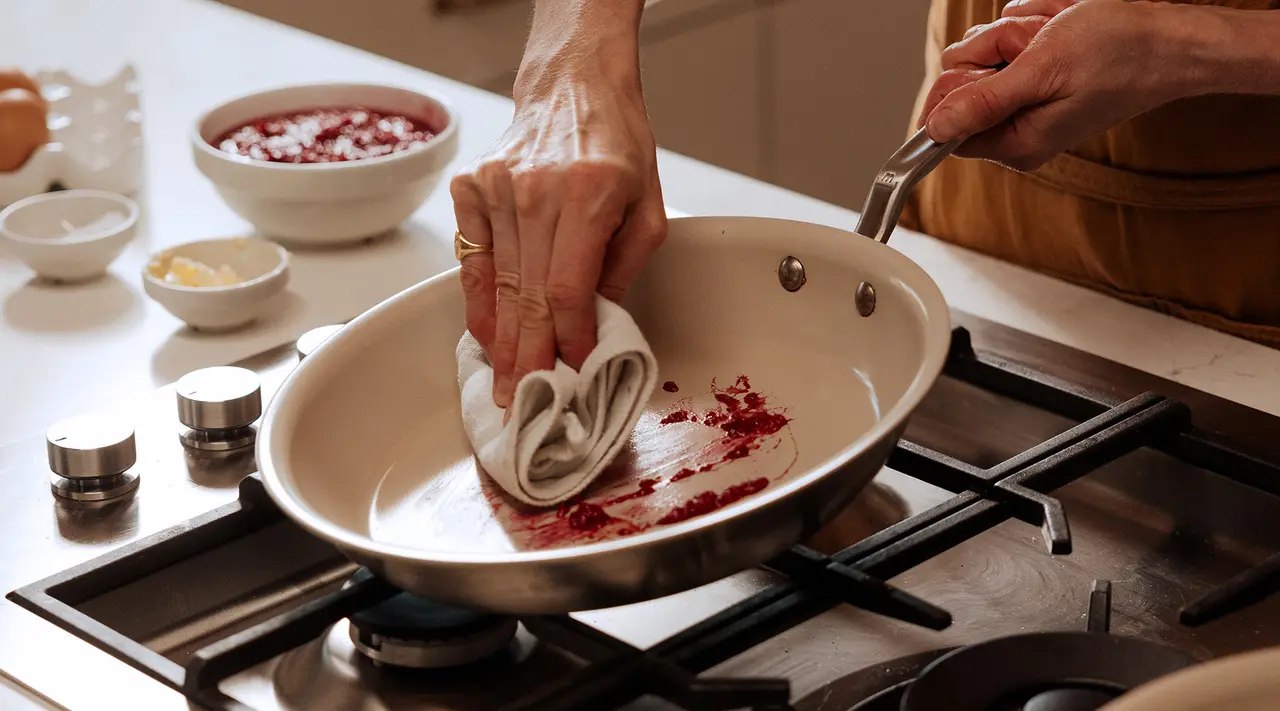
Use warm, soapy water and a soft sponge. Clean your cookware right after cooking. This stops food from sticking and hardening. Avoid abrasive scrubbers that can scratch the surface. Rinse well and dry with a soft cloth.
Avoiding Harsh Chemicals
Stay away from bleach, ammonia, and strong detergents. These chemicals can ruin the ceramic coating. Use mild dish soap instead. Natural cleaners like vinegar mixed with water work well. They clean without harming the cookware.
Removing Stubborn Stains
Make a paste of baking soda and water. Apply it to the stained area and let it sit for 15 minutes. Gently scrub with a soft sponge. Rinse thoroughly. Repeat if the stain remains but avoid hard scrubbing.
Proper Usage Practices
Proper usage practices help your ceramic cookware last longer and work better. Using the right methods prevents damage and keeps the surface smooth. Careful handling also keeps your food tasting great.
Cooking Temperature Tips
Use low to medium heat for ceramic cookware. High heat can damage the coating and cause cracks. Let the pan warm up slowly before adding food. Avoid sudden temperature spikes to keep the ceramic safe.
Using Appropriate Utensils
Choose utensils made of wood, silicone, or plastic. Metal tools can scratch the ceramic surface. Scratches reduce non-stick properties and cause food to stick. Handle your cookware gently to maintain its smooth finish.
Avoiding Thermal Shock
Never put hot ceramic cookware into cold water. Rapid cooling causes ceramic to crack or break. Let the pan cool down naturally before washing. Thermal shock is one of the main causes of damage.

Credit: www.youtube.com
Storage Tips
Proper storage of ceramic cookware helps keep it safe and lasting longer. It prevents chips, cracks, and scratches that can damage the surface. Organizing your cookware the right way saves space and keeps your kitchen tidy. Follow these simple tips to store your ceramic pots and pans carefully.
Safe Stacking Methods
Stack ceramic cookware with care to avoid damage. Place a soft cloth or paper towel between each piece. This padding stops hard surfaces from touching and scratching. Avoid piling too many items in one stack. Keep heavier pieces at the bottom and lighter ones on top. This method reduces pressure and lowers break risk.
Protecting Surfaces From Scratches
Use liners like felt pads or silicone mats to protect ceramic surfaces. These soft barriers prevent direct contact with other cookware. Avoid metal utensils or harsh scrubbing that can leave marks. Store lids separately or upside down on top of cookware. This keeps both lids and pots safe from scratches.
Maintenance And Repairs
Caring for ceramic cookware involves regular maintenance and timely repairs. Proper upkeep extends the life of your pots and pans. It also keeps your food safe and tasty. Small issues can turn into big problems without care. Checking your cookware often helps catch damage early.
Inspecting For Damage
Look for cracks or chips on the ceramic surface. These can cause food to stick or burn. Check the handles for looseness or breaks. Warped bottoms may cause uneven heating. Use gentle tools to avoid scratching. Clean the cookware after each use to spot issues easily.
When To Replace Cookware
Replace your ceramic cookware if cracks run deep. Large chips may expose the metal underneath. Loose handles or broken lids are safety risks. Warped pans cook unevenly and waste energy. If cleaning no longer restores the surface, it is time. Investing in new cookware keeps your kitchen safe and efficient.
Frequently Asked Questions
How Do I Clean Ceramic Cookware Properly?
Clean ceramic cookware with warm, soapy water using a soft sponge. Avoid abrasive cleaners to prevent scratches. For stubborn stains, soak in warm water before gently scrubbing. Always dry thoroughly to maintain the non-stick surface and prolong cookware life.
Can Ceramic Cookware Be Used On High Heat?
Avoid using ceramic cookware on high heat as it can damage the coating. Use low to medium heat settings for even cooking. High heat may cause discoloration and reduce the cookware’s lifespan. Always follow the manufacturer’s heat recommendations.
Is Ceramic Cookware Dishwasher Safe?
Most ceramic cookware is dishwasher safe, but hand washing is recommended. Dishwashers can dull the ceramic coating over time. Hand washing preserves the non-stick surface and extends durability. Always check the manufacturer’s cleaning instructions for best results.
How To Prevent Food From Sticking On Ceramic Cookware?
Preheat ceramic cookware on low heat before adding oil or food. Use a small amount of cooking oil to enhance non-stick properties. Avoid metal utensils that can scratch the surface. Proper heating and oiling prevent sticking and maintain the cookware’s quality.
Conclusion
Caring for ceramic cookware keeps it safe and lasting longer. Use gentle cleaning tools and avoid harsh chemicals. Cook with low to medium heat to protect the coating. Store cookware carefully to prevent scratches and chips. Regular care saves money and improves cooking results.
Follow these simple steps to enjoy your ceramic pans daily. Easy care means better meals and happy cooking.

Hello, This is Annie Walker, a 38-year-old blogger, founder, and editor of Cookware Guider from NY, USA. I am a cookware fanatic and passionate cooker. I love to cook with different types of cooking appliances (example: all types of cookware, rice cookers, slow cookers, etc) almost every day in my kitchen. I love to share my experience with my readers in my blog. Also, I enjoy helping people to solve their problems through my website. You can follow me on Twitter & Pinterest. To know details about my blog please check the about us page.