
You’ve invested in enamel cookware because it looks great and cooks evenly. But do you know how to keep it in top shape for years to come?
Without the right care, your beautiful pots and pans can chip, stain, or lose their shine. You’ll discover simple, effective tips to protect your enamel cookware and make it last longer. Keep reading to learn how small habits can make a big difference for your kitchen favorites.

Credit: www.cuminco.com
Choosing Enamel Cookware
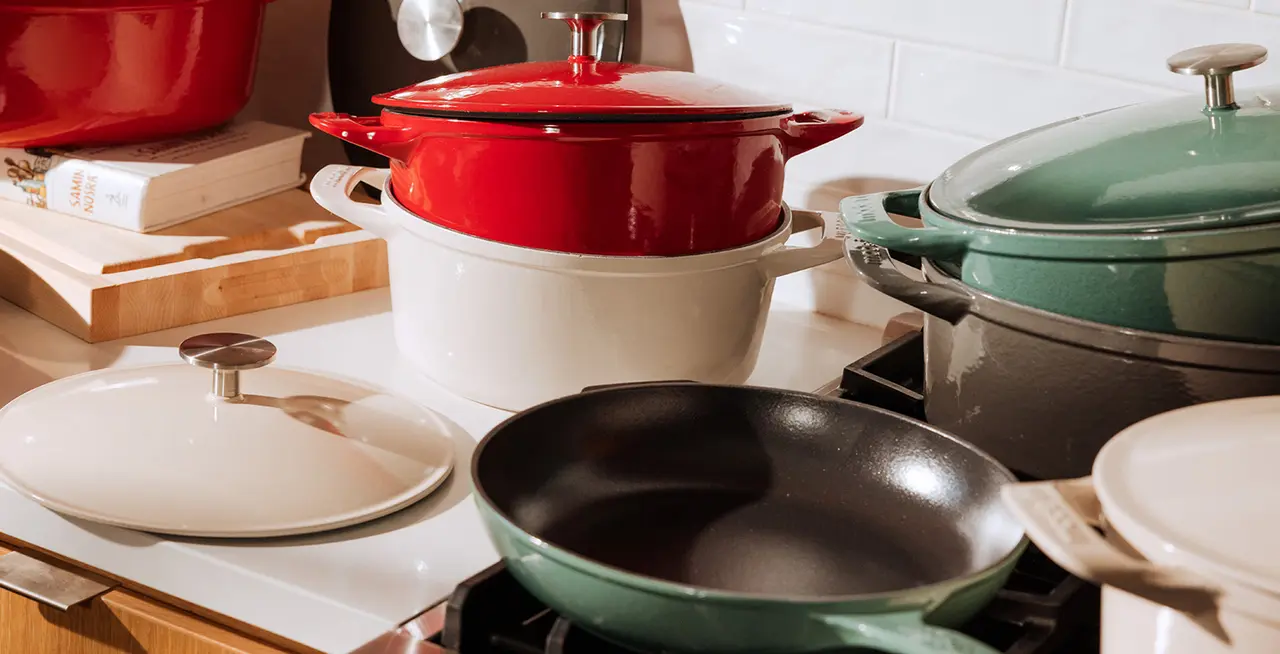
Choosing enamel cookware is a smart decision for anyone who wants durable and attractive kitchen tools. Enamel cookware combines metal strength with a smooth, glass-like surface. This makes it easy to clean and safe for many types of cooking. Understanding the different types, benefits, and brands helps pick the best enamel cookware for your kitchen.
Types Of Enamel Cookware
Enamel cookware comes in various types, each with unique features and uses. The main types depend on the base material and design.
- Cast Iron Enamel Cookware: Heavy and excellent for heat retention. Perfect for slow cooking, braising, and frying.
- Steel Enamel Cookware: Lighter than cast iron. Heats quickly and is easier to handle.
- Aluminum Enamel Cookware: Very light and offers good heat conduction but less durable than cast iron or steel.
Each type has pros and cons:
| Type | Weight | Heat Retention | Durability |
|---|---|---|---|
| Cast Iron Enamel | Heavy | Excellent | Very Durable |
| Steel Enamel | Medium | Good | Durable |
| Aluminum Enamel | Light | Fair | Less Durable |
Choose based on your cooking style and how much weight you want to handle. Cast iron is great for steady heat, while steel and aluminum are easier to lift and clean.
Benefits Of Enamel Coating
Enamel coating offers many advantages over bare metal cookware. It protects the metal and improves cooking quality.
- Non-reactive Surface: Enamel does not react with acidic or alkaline foods. This keeps flavors pure and prevents discoloration.
- Easy to Clean: The smooth glass surface stops food from sticking easily. It cleans well by hand or in the dishwasher.
- Rust Resistant: The coating prevents rust on metals like cast iron or steel.
- Even Heat Distribution: Helps spread heat evenly for better cooking results.
- Durability: Resists chips and cracks with proper care, lasting many years.
Summary table of enamel coating benefits:
| Benefit | Description |
|---|---|
| Non-reactive | Preserves food taste and color |
| Easy Cleaning | Prevents food sticking and stains |
| Rust Protection | Prevents metal corrosion |
| Heat Distribution | Ensures even cooking temperature |
| Durability | Long-lasting with proper care |
Common Brands And Quality
Choosing enamel cookware from a trusted brand ensures good quality and performance. Many brands offer a range of enamel cookware styles and price points.
Some popular brands known for quality enamel cookware:
- Le Creuset: High-end, colorful, and durable. Known for excellent heat retention and even cooking.
- Staub: French brand with a matte enamel finish. Strong lids to retain moisture and flavor.
- Lodge: Affordable cast iron enamel options. Good for beginners and everyday use.
- Cuisinart: Offers steel enamel cookware with good heat conduction and easy maintenance.
Quality factors to consider:
- Thickness of Enamel: Thicker enamel lasts longer and resists chipping.
- Base Material: Cast iron for heat retention, steel or aluminum for lighter weight.
- Finish Quality: Smooth and even coating prevents cracking and sticking.
- Warranty and Customer Service: Good brands offer warranties and responsive support.
Choosing the right brand and quality level depends on budget and cooking needs. Investing in well-reviewed enamel cookware pays off with years of reliable use.
Credit: madeincookware.com
Cleaning Tips
Cleaning enamel cookware properly keeps it looking new and lasting longer. These tips help maintain the smooth, colorful surface. Avoid damage and stains with the right methods. Follow simple steps for safe, effective cleaning after each use. This preserves the cookware’s shine and performance over time.
Hand Washing Techniques
Always wash enamel cookware by hand to protect its coating. Avoid dishwashers as they can cause chipping or fading. Use warm water and mild dish soap to clean the surface gently. A soft sponge or cloth works best to avoid scratches.
- Fill the sink with warm, soapy water.
- Let the cookware soak for a few minutes if food is stuck.
- Use a soft sponge or cloth to wipe the surface clean.
- Rinse thoroughly with warm water.
- Dry the cookware immediately with a soft towel to prevent water spots.
Always handle the cookware carefully during washing. Avoid banging it against the sink or other utensils. This prevents chips in the enamel. Use gentle motions when scrubbing to keep the surface smooth and shiny.
Avoiding Abrasive Cleaners
Abrasive cleaners can scratch and damage enamel cookware quickly. Steer clear of steel wool, rough scrubbers, and harsh chemical cleaners. These wear down the enamel and ruin its glossy finish.
Instead, use mild cleaning agents and soft materials. Here is a comparison table of safe versus unsafe cleaning tools:
| Safe Cleaning Tools | Unsafe Cleaning Tools |
|---|---|
| Soft sponge | Steel wool |
| Microfiber cloth | Scouring pads |
| Mild dish soap | Strong chemical cleaners |
| Baking soda (as gentle scrub) | Bleach or ammonia |
Use baking soda with water for gentle scrubbing. It removes dirt without harming the enamel. Avoid scrubbing hard or using anything that feels rough on the surface. This simple care keeps your cookware safe and beautiful.
Removing Stubborn Stains
Stubborn stains can form from burnt food or mineral deposits. Use natural cleaning methods to remove these without damaging the enamel.
Try these steps:
- Fill the cookware with warm water and add 2 tablespoons of baking soda.
- Let it soak for 15 to 30 minutes.
- Use a soft sponge to gently scrub the stained areas.
- For tougher stains, mix equal parts water and white vinegar and apply to the stain.
- Let it sit for 10 minutes, then scrub softly again.
- Rinse well and dry immediately.
Never use metal scrubbers or harsh chemicals on stains. These harm the enamel layer. Patience and gentle cleaning keep your cookware stain-free and shiny for years.
Cooking Practices
Proper cooking practices play a key role in keeping enamel cookware in good shape. This type of cookware has a smooth, glass-like surface that needs gentle handling during cooking. Using the right heat, preventing food from sticking, and choosing suitable ingredients all help protect the enamel coating. Following smart cooking habits can extend the life of your cookware and keep meals tasting great.
Heat Settings To Use
Enamel cookware works best with moderate heat. High heat can cause the enamel to crack or discolor. Always start cooking on low or medium heat and increase gradually if needed. Avoid preheating an empty pan on high heat because it can damage the surface.
- Low to Medium Heat: Ideal for most cooking tasks like simmering, sautéing, and frying.
- High Heat: Use only briefly, such as for boiling water.
- Preheating: Never preheat empty enamel cookware on high heat.
Here is a quick guide for heat settings and cooking types:
| Heat Level | Recommended For | Notes |
|---|---|---|
| Low | Simmering, gentle cooking | Prevents burning and enamel damage |
| Medium | Sautéing, frying | Good for even cooking |
| High | Boiling water, quick searing | Use briefly, avoid empty pans |
Using correct heat settings helps keep the enamel smooth and shiny. It also ensures food cooks evenly without sticking.
Preventing Food Sticking
Food sticking to enamel cookware can cause damage over time. Follow these tips to keep food from sticking and protect the surface:
- Preheat Properly: Warm the pan on low to medium heat before adding oil or food.
- Use Enough Oil or Butter: This creates a thin barrier between food and enamel.
- Avoid Cooking Sprays: Some sprays can leave residue that builds up.
- Don’t Cook Cold Food Directly: Let meat or vegetables reach room temperature first.
Use wooden, silicone, or plastic utensils to avoid scratching the enamel surface. Metal tools can chip or scratch the coating.
Here is a simple routine to reduce sticking:
- Preheat pan on medium heat for 2-3 minutes.
- Add oil or butter and let it warm.
- Add food gently and cook without moving it immediately.
- Use non-metal utensils to turn or stir.
Following these steps keeps food from sticking and avoids damage to the enamel coating. It also makes cleaning easier.
Suitable Ingredients
Choosing the right ingredients helps protect enamel cookware. Some foods can harm the surface or cause stains.
Best ingredients for enamel cookware include:
- Vegetables
- Meat and poultry
- Fish
- Grains and legumes
- Oils and butter
Avoid cooking highly acidic foods like lemon juice, vinegar, or tomatoes for long periods. They can dull or damage the enamel surface. If you cook acidic dishes, do it on low heat and avoid long cooking times.
Also, avoid using coarse salt or abrasive seasonings directly on the enamel, as they may scratch the surface.
Use this table to check ingredient compatibility:
| Ingredient Type | Safe to Use | Use with Caution |
|---|---|---|
| Vegetables | All types | Acidic vegetables like tomatoes (short cooking) |
| Meat & Poultry | All types | None |
| Fruits | Non-acidic fruits | Highly acidic fruits (limit contact) |
| Oils & Fats | Butter, vegetable oils | None |
Using suitable ingredients maintains the enamel’s shine and prevents damage. It also keeps your meals flavorful and safe to cook.

Credit: www.cuminco.com
Storage Advice
Proper storage keeps enamel cookware safe and long-lasting. Storing it the right way protects the enamel coating. This prevents damage like chipping, cracking, and rust. Good storage helps maintain the cookware’s look and function. Follow simple steps to store enamel cookware safely after cleaning and drying.
Proper Drying Methods
Dry enamel cookware completely before storing. Water left on the surface can cause rust on exposed metal parts. It can also weaken the enamel over time. Use a soft cloth or towel to dry the cookware after washing. Avoid air drying because water spots can form.
- Use a microfiber cloth or soft cotton towel for drying.
- Dry all parts thoroughly including lids and handles.
- Check for moisture in crevices or edges.
For best results, let cookware air dry for 10 minutes after towel drying. This ensures no moisture stays trapped. Store cookware only when it is fully dry. This practice keeps enamel shiny and prevents corrosion.
Avoiding Chipping And Cracking
Enamel is strong but can chip or crack if handled roughly. Proper storage lowers the risk of damage. Keep cookware away from hard surfaces that can scratch or chip the enamel. Use padding or soft liners between pots and pans.
- Do not stack cookware without protection in between layers.
- Place felt or cloth pads between pieces.
- Store heavy items separately from lighter, delicate cookware.
- Avoid sudden temperature changes that stress enamel.
Use gentle movements when placing or removing cookware. Chipped enamel can expose metal, causing rust. Cracks may grow and ruin the cookware. A careful storage routine extends the life of enamel cookware and keeps it safe.
Stacking And Organizing
Organize enamel cookware to save space and avoid damage. Stacking is common but needs care. Use soft cloths or paper towels between each piece to protect the enamel. Avoid stacking very heavy pots on top of lighter ones.
| Storage Tip | Reason |
|---|---|
| Use soft liners between stacked items | Prevents scratching and chipping of enamel |
| Store lids separately or upside down | Reduces pressure on enamel surfaces |
| Keep frequently used pieces accessible | Limits unnecessary movement and wear |
| Arrange by size, largest at bottom | Maintains stability and balance |
Stack lighter cookware on top to avoid damage. Use shelves or hooks to store items with handles. This helps keep the kitchen tidy and cookware safe. Good organization reduces accidents and keeps enamel cookware in top shape.
Repair And Maintenance
Enamel cookware offers vibrant colors and excellent heat retention, making it a favorite in many kitchens. Proper repair and maintenance ensure these pots and pans last for years. Taking care of minor damages and knowing when to refresh or replace your cookware keeps it safe and efficient for cooking. This section focuses on practical steps to handle chips and cracks, tips for re-seasoning, and signs that mean it’s time to replace your enamel cookware.
Handling Chips And Cracks
Chips and cracks can happen from drops, banging, or sudden temperature changes. These issues affect the look and safety of your cookware. Small chips may expose the metal underneath, leading to rust and food sticking. Cracks can cause heat loss and may worsen over time.
Here are key tips to manage chips and cracks:
- Clean the area gently: Use warm water and mild soap. Avoid abrasive scrubbers that worsen damage.
- Dry completely: Moisture in cracks can lead to rust. Use a soft cloth to dry the cookware well.
- Avoid cooking acidic foods: Acidic ingredients like tomato sauce can react with exposed metal and cause further damage.
- Use enamel repair kits: Small chips can be fixed with food-safe enamel paint or repair kits available online or in stores.
- Prevent further damage: Avoid rapid temperature changes like pouring cold water into hot cookware.
| Damage Type | Risk | Care Tip |
|---|---|---|
| Small Chip | Rust, food sticking | Use enamel paint, avoid acids |
| Large Crack | Heat loss, breakage | Stop using, consider replacement |
Keeping an eye on chips and cracks helps avoid bigger problems later. Gentle care and quick fixes extend cookware life.
Re-seasoning Tips
Enamel cookware usually does not need seasoning like cast iron. But some pieces with exposed metal or slight wear benefit from light re-seasoning. It creates a smooth cooking surface and prevents sticking.
Follow these simple steps for re-seasoning:
- Clean the cookware: Wash with warm soapy water and dry thoroughly.
- Apply a thin layer of oil: Use vegetable oil or flaxseed oil on the cooking surface.
- Heat gently: Place cookware in a low oven (around 300°F or 150°C) for one hour.
- Cool down slowly: Let the cookware cool inside the oven to avoid cracking.
- Wipe excess oil: Use a paper towel to remove extra oil after cooling.
Re-seasoning helps fill minor scratches and improves non-stick qualities. Avoid too much oil, which can create sticky residue or smoke during cooking.
Here is a quick checklist for re-seasoning:
- Wash and dry
- Oil thinly
- Heat at 300°F / 150°C for 1 hour
- Cool slowly
- Wipe extra oil
Use this process every few months or after heavy cleaning to maintain a smooth surface.
When To Replace
Enamel cookware usually lasts a long time. But certain signs mean replacement is better for safety and cooking quality.
Look for these red flags:
- Large cracks: These worsen with use and can cause breakage.
- Excessive chipping: Many chips expose metal, risking rust and food contamination.
- Warped base: Uneven cooking and poor heat contact happen with warped cookware.
- Persistent rust: Rust inside means enamel is damaged beyond repair.
- Loose handles: Broken or loose handles affect safety during cooking.
Use this table to decide if replacement is needed:
| Condition | Action | Reason |
|---|---|---|
| Small chips | Repair and continue use | Minimal risk, fixable |
| Multiple large chips or cracks | Replace cookware | Unsafe, risk of contamination |
| Warped base | Replace | Uneven cooking, inefficient heat |
| Rust inside enamel | Replace | Enamel damaged, health risk |
Replacing damaged enamel cookware protects food quality and your safety. Check cookware regularly to catch problems early.
Frequently Asked Questions
How Do I Clean Enamel Cookware Without Damage?
Use warm soapy water and a soft sponge to clean enamel cookware. Avoid abrasive scrubbers that can scratch the surface. For stubborn stains, soak the cookware in baking soda and water. Rinse thoroughly and dry with a soft cloth to maintain its shine.
Can Enamel Cookware Be Used On Induction Cooktops?
Yes, most enamel cookware works on induction cooktops if it has a magnetic base. Check the manufacturer’s instructions to confirm compatibility. Using enamel cookware on induction provides even heating and preserves the enamel coating. Avoid dragging it to prevent scratches on the cooktop.
How Do I Prevent Enamel Cookware From Chipping?
Avoid sudden temperature changes, like placing hot cookware in cold water. Use wooden or silicone utensils to protect the enamel surface. Handle cookware carefully to prevent dropping or banging it against hard surfaces. Proper use and storage extend the life of enamel cookware.
Is Enamel Cookware Dishwasher Safe?
Many enamel cookware pieces are dishwasher safe but hand washing is recommended. Harsh detergents and high heat cycles can dull or damage the enamel finish. Hand wash with mild soap and a soft sponge to keep the cookware looking new longer.
Conclusion
Taking care of enamel cookware helps it last a long time. Clean gently with soft sponges to avoid scratches. Avoid sudden temperature changes to keep the coating safe. Store pots and pans with care to prevent chips. Regular care keeps your cookware looking new and working well.
Enjoy cooking with your enamel pots every day. Simple habits make a big difference in their lifespan. Keep these tips in mind for happy cooking experiences.

Hello, This is Annie Walker, a 38-year-old blogger, founder, and editor of Cookware Guider from NY, USA. I am a cookware fanatic and passionate cooker. I love to cook with different types of cooking appliances (example: all types of cookware, rice cookers, slow cookers, etc) almost every day in my kitchen. I love to share my experience with my readers in my blog. Also, I enjoy helping people to solve their problems through my website. You can follow me on Twitter & Pinterest. To know details about my blog please check the about us page.