
Are you wondering if your cookware is ready for an induction cooktop? Using the right pots and pans is key to cooking efficiently and safely.
But how can you quickly check if your cookware works with induction? You’ll discover simple, foolproof methods to test your pots and pans at home. By the end, you’ll know exactly what to look for, so you can cook with confidence and avoid wasting money on the wrong equipment.
Keep reading to find out how easy it is to check your cookware for induction compatibility!
Credit: www.frigidairearabia.com
Induction Cooking Basics
Induction cooking is a modern method that uses magnetic energy to heat pots and pans directly. This technique is fast, safe, and energy-efficient. Understanding induction cooking basics helps to choose the right cookware. Knowing how induction cooktops work and why cookware compatibility matters will improve your cooking experience.
How Induction Cooktops Work
Induction cooktops use electromagnetic fields to heat the cookware. Unlike traditional gas or electric stoves, the cooktop itself does not get hot. Instead, the heat is generated inside the pot or pan.
Here is the simple process:
- An electric current passes through a copper coil under the cooktop surface.
- This creates a magnetic field.
- The magnetic field induces electric currents inside the cookware.
- These currents produce heat directly in the cookware.
The heat then cooks the food inside the pot or pan quickly and evenly. The cooktop surface stays cooler, which reduces the risk of burns.
| Feature | Induction Cooktop | Gas/Electric Stove |
|---|---|---|
| Heating Method | Electromagnetic field | Flame or electric coil |
| Cooktop Temperature | Remains cool | Gets hot |
| Energy Efficiency | High (around 85-90%) | Lower (40-55%) |
| Speed of Heating | Fast | Slower |
Why Cookware Compatibility Matters
Not all cookware works on induction cooktops. Cookware must be made of magnetic materials. This allows the magnetic field to create heat inside the pot or pan.
Use this checklist to test if cookware is induction compatible:
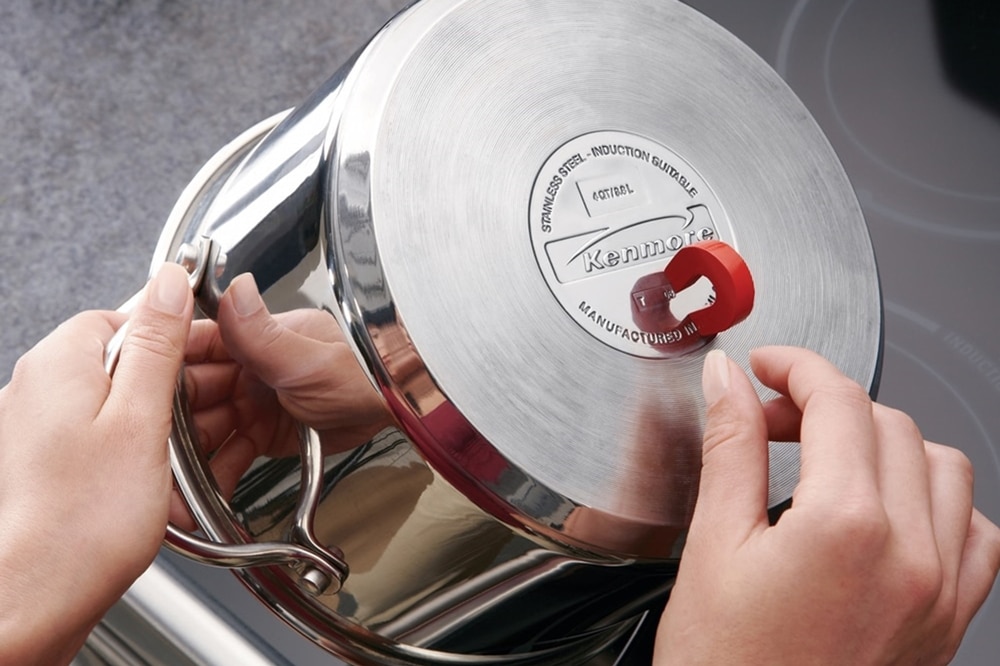
- Check the bottom of the cookware for an induction symbol.
- Try sticking a magnet to the base. If it sticks well, the cookware works.
- Materials like cast iron and some stainless steel are usually compatible.
- Aluminum, glass, copper, and non-magnetic stainless steel do not work unless they have a magnetic base.
Choosing the right cookware saves money and improves cooking efficiency. Cookware that fits induction cooktops heats evenly and faster, reducing cooking time.
| Material | Induction Compatible | Notes |
|---|---|---|
| Cast Iron | Yes | Excellent heat retention |
| Stainless Steel | Yes (if magnetic) | Check with magnet test |
| Aluminum | No | Unless it has a magnetic base |
| Glass | No | Does not work on induction |
| Copper | No | Does not work on induction |
Materials That Work With Induction
Understanding which materials work with induction cooktops is key to choosing the right cookware. Induction cooking relies on magnetic fields to heat pots and pans directly. This means not all materials can be used safely or effectively. Knowing the types of metals and materials that respond to induction helps avoid damage and ensures fast, even cooking.
Magnetic Metals
Induction cooktops need cookware made from magnetic metals. These metals create an electromagnetic field that produces heat when placed on the cooktop. Without magnetic properties, the cooktop cannot transfer heat to the cookware.
Here are common magnetic metals used in induction cookware:
- Cast iron: Excellent heat retention and very magnetic.
- Carbon steel: Lightweight and magnetic, heats quickly.
- Stainless steel: Only some types are magnetic. Look for 18/0 stainless steel rather than 18/8.
Check cookware by holding a magnet to the base. If it sticks well, the pan will work on an induction stove.
| Metal | Magnetic? | Induction Friendly? | Notes |
|---|---|---|---|
| Cast Iron | Yes | Yes | Heavy, durable, excellent heat retention |
| Carbon Steel | Yes | Yes | Lightweight, heats quickly |
| Stainless Steel (18/0) | Yes | Yes | Magnetic grade, common in induction cookware |
| Stainless Steel (18/8 or 304) | No | No | Non-magnetic, not suitable alone for induction |
| Aluminum | No | No | Needs magnetic base layer to work |
Common Induction-friendly Materials
Several materials work well on induction cooktops. Many include magnetic metals or have a magnetic base layer added. This design makes them compatible with induction heat.
Here is a list of common induction-friendly materials:
- Magnetic stainless steel: Cookware made specifically with magnetic stainless steel works well.
- Enamel-coated cast iron: Combines cast iron’s magnetic properties with easy-to-clean enamel.
- Multi-ply cookware: Layers of aluminum or copper sandwiched between magnetic stainless steel.
- Magnetic bottom cookware: Non-magnetic metals with a magnetic disk attached to the base.
These materials offer a range of benefits like fast heating, durability, and easy maintenance. Cookware labeled “induction compatible” usually contains one or more of these materials.
| Material Type | Induction Compatibility | Benefits |
|---|---|---|
| Magnetic Stainless Steel | Yes | Durable, rust-resistant, easy to clean |
| Enamel-Coated Cast Iron | Yes | Retains heat well, non-stick surface |
| Multi-ply Cookware | Yes | Even heating, combines metal benefits |
| Magnetic Bottom Cookware | Yes | Affordable option, works on induction |
Testing Cookware At Home
Testing cookware at home helps you know if your pots and pans work with induction cooktops. Induction cooking needs magnetic materials. Not all cookware fits this need. You can check your cookware without special tools. Simple tests show if your cookware will heat up on an induction stove.
Using A Magnet Test
The easiest way to test induction cookware is with a magnet. Induction cooktops use magnetic fields to heat the pan. So, your pan must attract a magnet to work.
Follow these steps for the magnet test:
- Get a small magnet. A refrigerator magnet works well.
- Place the magnet on the bottom of the cookware. Use the center or edges.
- Check if the magnet sticks strongly. Strong attraction means the cookware is induction compatible.
- If the magnet does not stick, the pan likely won’t work on an induction stove.
Here is a simple way to understand the magnet test results:
| Magnet Reaction | Induction Compatibility |
|---|---|
| Strongly sticks | Compatible |
| Weakly sticks | May work but not efficient |
| Does not stick | Not compatible |
Note: Stainless steel pans sometimes pass the test, but some types do not attract magnets well. Testing with a magnet is the best quick check.
Other Simple Tests
Besides the magnet test, other easy methods help check induction cookware.
- Look for the induction symbol. It looks like a coil or a series of loops on the pan’s bottom.
- Use water heating test. Put a little water in the pan. Heat it on your induction stove. If water heats quickly, cookware works.
- Check the material label. Cookware made from cast iron, carbon steel, or magnetic stainless steel usually works.
Here is a quick guide for materials and their induction use:
| Material | Works on Induction |
|---|---|
| Cast iron | Yes |
| Carbon steel | Yes |
| Magnetic stainless steel | Yes |
| Aluminum (without magnetic base) | No |
| Copper | No |
| Glass or ceramic | No |
These simple tests save time and money. Use them before buying new cookware or trying old pots on your induction stove.

Credit: linarie.com.au
Labels And Manufacturer Info
Checking for induction cookware starts with understanding the labels and manufacturer information. These details tell if the cookware works on induction stoves. Induction cooking needs pots and pans with magnetic bases. Labels and brand specs show this important fact clearly. Knowing how to read them saves time and money. It helps find the right cookware that heats well and lasts long.
Reading Product Labels
Product labels give direct clues about induction compatibility. Most induction cookware has clear marks or icons on the packaging. Look for these common signs:
- Induction Symbol: A coil or zigzag line, often near the bottom of the pan image.
- Words like “Induction Ready” or “Induction Compatible”: These phrases confirm the cookware works with induction cooktops.
- Material Listed: Stainless steel, cast iron, or magnetic-grade metal usually means induction compatible.
Labels may also show:
| Label Element | Meaning |
|---|---|
| Magnetic Base Icon | Cookware base has magnetic properties needed for induction. |
| Dishwasher Safe | Safe to clean in a dishwasher; does not affect induction use. |
| Oven Safe Temperature | Max heat the cookware can handle; useful for multi-purpose use. |
Do not trust labels without any induction mention. Some pans look metal but lack magnetic bases. Use a small magnet to test the base if in doubt. If the magnet sticks well, the pan usually works on induction.
Checking Brand Specifications
Brand specifications help confirm induction suitability beyond the label. Manufacturers list detailed info on their websites or product manuals. This info explains the cookware’s materials, design, and special features.
Check for these key points in brand specs:
- Material Composition: Brands state if the base contains magnetic metals like iron or stainless steel.
- Base Design: Some specify a layered or encapsulated base made for induction heat transfer.
- Model Compatibility: Certain cookware lines are made specifically for induction cooktops.
Brands often compare their induction cookware’s performance with others. Watch for details such as:
- Heating speed and evenness
- Durability under high heat
- Ease of cleaning
Example table of typical brand specs:
| Brand | Material | Induction Base | Extra Features |
|---|---|---|---|
| CookPro | Stainless Steel | Encapsulated Magnetic Base | Dishwasher Safe, Oven Safe to 500°F |
| IronMaster | Cast Iron | 100% Magnetic Base | Pre-seasoned, Durable Surface |
| FastHeat | Aluminum with Stainless Steel Bottom | Induction Ready Layered Base | Lightweight, Quick Heating |
Check the brand’s website or packaging for these specs. This ensures the cookware matches your induction stove’s needs. Avoid guessing to prevent poor performance or damage.
Special Cookware Types
Special cookware types require careful checking to ensure they work with induction cooktops. Induction technology heats pots and pans through magnetic fields. Only cookware with magnetic bases can heat up on induction stoves. Some materials like glass or ceramic may not always work well. Cast iron and stainless steel often perform better, but not all types are suitable. This section explains how to check if these special cookware types are induction compatible.
Glass And Ceramic Options
Glass and ceramic cookware are popular for their sleek look and ease of cleaning. But most glass and ceramic pots do not work on induction cooktops. These materials are not magnetic, so they cannot generate heat through induction. Some manufacturers add a magnetic layer to the base to make glass or ceramic induction compatible.
To check if glass or ceramic cookware works on induction:
- Look for induction labels: Check the bottom for symbols or words like “induction ready.”
- Test with a magnet: Place a magnet on the base. If it sticks firmly, the cookware may work.
- Check manufacturer details: Read product descriptions or manuals.
Here is a simple table to understand glass and ceramic cookware compatibility:
| Cookware Type | Induction Compatibility | Magnet Test | Notes |
|---|---|---|---|
| Pure Glass | No | No | Non-magnetic, won’t work on induction |
| Ceramic (Non-coated) | No | No | Non-magnetic, no heat on induction |
| Glass or Ceramic with Magnetic Base | Yes | Yes | Works if base has magnetic material |
Glass and ceramic cookware without a magnetic base will not heat up on induction cooktops. Testing with a magnet is the easiest way to check compatibility.
Cast Iron And Stainless Steel
Cast iron and stainless steel are common for induction cooking. Both materials are magnetic, making them suitable for induction stoves. Cast iron heats evenly and holds heat well. Stainless steel varies because some types are magnetic and others are not.
To check induction compatibility for cast iron and stainless steel:
- Use a magnet test: A strong magnet will stick well to induction-compatible cookware.
- Look for induction symbols: Many manufacturers mark induction-ready pots.
- Check the base thickness: Thicker, flat bases work best for induction.
Differences between cast iron and stainless steel for induction use:
| Material | Induction Compatibility | Advantages | Considerations |
|---|---|---|---|
| Cast Iron | Yes | Excellent heat retention, durable | Heavy, requires maintenance to avoid rust |
| Magnetic Stainless Steel | Yes | Lightweight, rust-resistant, easy to clean | Check magnet test to confirm |
| Non-Magnetic Stainless Steel | No | Durable but not induction compatible | Does not work on induction cooktops |
Cast iron and magnetic stainless steel are reliable choices for induction cooking. Regular magnet testing is simple and effective for confirming compatibility.

Credit: www.youtube.com
Cookware Shapes And Sizes
Checking cookware for induction compatibility involves more than just the material. The shape and size of your pots and pans play a crucial role in how well they work with induction cooktops. Induction technology heats cookware through magnetic fields, so the base of your cookware must make good contact with the cooktop surface. Understanding the importance of cookware shapes and sizes helps ensure better cooking results and energy efficiency.
Flat Bottoms For Better Contact
A flat bottom is essential for induction cookware. It allows the magnetic field to transfer heat evenly and efficiently. Cookware with uneven or warped bottoms will not sit properly on the induction surface. This poor contact leads to uneven heating and longer cooking times.
Reasons to choose flat-bottom cookware for induction:
- Improves heat transfer by maximizing surface contact
- Prevents wobbling on the cooktop
- Reduces energy waste and cooking time
- Protects the induction cooktop from scratches
Here is a quick comparison between flat and curved bottom cookware:
| Cookware Bottom | Contact with Cooktop | Heat Distribution | Energy Efficiency |
|---|---|---|---|
| Flat | Full contact | Even | High |
| Curved or Warped | Partial contact | Uneven | Low |
Always test cookware by placing it on the cooktop. If it sits flat and stable, it is suitable for induction use.
Size Considerations For Efficiency
Choosing the right size cookware improves induction performance and saves energy. The induction coil under the cooktop heats only the area directly beneath the cookware. Too small or too large cookware reduces heating efficiency.
Follow these guidelines for size:
- Match the cookware base diameter with the induction zone size.
- Using smaller cookware on larger zones wastes energy.
- Using larger cookware on smaller zones causes uneven heating.
Here is a typical size guide for induction zones and cookware bases:
| Induction Zone Diameter | Recommended Cookware Base Diameter |
|---|---|
| 6 inches (15 cm) | 5 to 7 inches (13 to 18 cm) |
| 8 inches (20 cm) | 7 to 9 inches (18 to 23 cm) |
| 10 inches (25 cm) | 9 to 11 inches (23 to 28 cm) |
Using cookware close to the induction zone size gives better heat control and faster cooking. Also, large pans on small zones may trigger safety shutdowns on some induction cooktops.
Tip: Check your cooktop manual for exact zone sizes and adjust your cookware accordingly.
Maintaining Induction Cookware
Maintaining induction cookware ensures it stays in top condition for longer use. Proper care helps the cookware work efficiently with your induction stove. It also keeps the surface smooth and prevents rust or stains. Simple habits can protect your pots and pans and save money on replacements.
Cleaning Tips
Cleaning induction cookware properly removes food residue and avoids damage to the cooking surface. Use warm water and mild dish soap for daily cleaning. Avoid harsh chemicals or abrasive scrubbers that can scratch the cookware.
- Let the cookware cool before washing to avoid warping.
- Use a soft sponge or cloth to clean the surface gently.
- For stuck-on food, soak the cookware in warm soapy water for 10-15 minutes.
- Dry the cookware immediately to prevent water spots and rust.
For stubborn stains or discoloration, try this simple method:
- Mix equal parts of water and white vinegar in the cookware.
- Bring the mixture to a boil for a few minutes.
- Turn off the heat and let it cool, then wash as usual.
| Cleaning Method | Purpose | Tips |
|---|---|---|
| Warm Soapy Water | Daily cleaning | Use soft sponge, avoid metal scrubbers |
| Vinegar Boil | Remove stains and discoloration | Do not overheat, cool before washing |
| Baking Soda Paste | Light scrubbing of tough spots | Apply gently, rinse well |
Avoiding Damage
Induction cookware is strong but can still get damaged by careless use. Avoid dropping or banging the pots and pans. The base must stay flat for proper contact with the induction cooktop.
Use wooden, silicone, or plastic utensils to protect the cooking surface from scratches. Metal utensils can leave marks or scrape the surface.
- Do not slide cookware across the induction stove.
- Keep the base dry and clean before placing it on the cooktop.
- Check regularly for warping or dents and replace if damaged.
Store cookware with care. Stack pots with a soft cloth or paper towel between them to avoid scratches. Avoid piling heavy items on top.
| Damage Type | Cause | Prevention |
|---|---|---|
| Scratches | Using metal utensils | Use wooden or silicone utensils |
| Warping | Rapid heating or dropping | Heat slowly, avoid impacts |
| Rust | Not drying properly | Dry immediately after washing |
Frequently Asked Questions
How To Test If Cookware Is Induction Compatible?
Place a magnet on the cookware base. If it sticks firmly, the cookware works with induction cooktops. Non-magnetic metals like aluminum won’t work without a magnetic layer.
What Materials Are Best For Induction Cookware?
Cast iron, stainless steel, and carbon steel work best. These materials have magnetic properties essential for induction cooking. Avoid pure aluminum or copper unless they have a magnetic base.
Can I Use Non-induction Cookware On Induction Cooktops?
No, non-induction cookware won’t heat up on induction cooktops. Induction requires magnetic cookware for the electromagnetic field to generate heat efficiently.
Why Does My Induction Cookware Not Work Properly?
Cookware might be too small or have a warped base. Ensure the cookware base is flat and matches the induction zone size for optimal performance.
Conclusion
Checking induction cookware is simple and saves time. Use a magnet to test if it sticks to the bottom. Look for labels that say “induction ready” or “induction compatible. ” Cookware with a flat, smooth base works best. Avoid glass, aluminum, or copper pots unless they have a magnetic layer.
Choosing the right cookware helps your stove work well and cook food evenly. Now, you can buy or use the right pots with confidence. Cooking becomes easier and more efficient with proper induction cookware.

Hello, This is Annie Walker, a 38-year-old blogger, founder, and editor of Cookware Guider from NY, USA. I am a cookware fanatic and passionate cooker. I love to cook with different types of cooking appliances (example: all types of cookware, rice cookers, slow cookers, etc) almost every day in my kitchen. I love to share my experience with my readers in my blog. Also, I enjoy helping people to solve their problems through my website. You can follow me on Twitter & Pinterest. To know details about my blog please check the about us page.