
You’ve invested in Tramontina cookware because you want reliable pots and pans that make cooking easier and more enjoyable. But to keep them looking great and performing at their best, you need to care for them the right way.
If you’re wondering how to clean, store, and maintain your Tramontina pieces without damaging them, you’re in the right place. This guide will give you simple, practical tips that protect your cookware and help you get the most out of every meal you create.
Ready to make your Tramontina last for years? Let’s dive in.
Choosing Tramontina Cookware
Choosing Tramontina cookware is the first step to cooking with ease and style. Picking the right cookware helps food cook evenly and makes cleaning simple. Tramontina offers many options, so understanding the types and materials helps make a good choice. This guide explains the main types and materials used in Tramontina cookware to help you decide what fits your kitchen best.
Types Of Tramontina Cookware
Tramontina cookware comes in several types, each designed for different cooking needs. Knowing the types helps match the cookware to your cooking style and meal plans.
- Cookware Sets: These sets include pots, pans, and lids of different sizes. Great for everyday cooking and meal prep.
- Skillets and Fry Pans: Perfect for frying, sautéing, and browning food quickly.
- Saucepans: Ideal for making sauces, boiling, and simmering liquids.
- Stockpots: Large pots used for soups, stews, and boiling pasta.
- Grill Pans: Designed with ridges to create grill marks and drain fat.
Here is a simple comparison table:
| Type | Main Use | Best For |
|---|---|---|
| Cookware Sets | General cooking | Everyday meals |
| Skillets/Fry Pans | Frying and sautéing | Quick cooking |
| Saucepans | Boiling and simmering | Soups and sauces |
| Stockpots | Large volume cooking | Stews and pasta |
| Grill Pans | Grilling indoors | Meats and veggies |
Materials And Their Benefits
Tramontina cookware uses different materials, each with unique advantages. Choosing the right material affects cooking results and how easy the cookware is to maintain.
- Stainless Steel: Durable, resists rust, and looks shiny. It heats evenly and works on many stove types.
- Cast Iron: Holds heat for a long time and adds flavor to food. Best for slow cooking and grilling.
- Nonstick Coating: Food does not stick, making cooking and cleaning easier. Ideal for eggs and pancakes.
- Aluminum: Lightweight and heats quickly. Often combined with other materials for better performance.
- Copper: Excellent heat control but requires more care to avoid tarnish.
Below is a table showing key benefits:
| Material | Benefits | Care Tips |
|---|---|---|
| Stainless Steel | Durable, rust-resistant, even heat | Hand wash recommended; avoid harsh scrubbers |
| Cast Iron | Retains heat, adds flavor | Season regularly; dry immediately after washing |
| Nonstick | Easy to clean, food releases easily | Use soft utensils; avoid high heat |
| Aluminum | Lightweight, fast heating | Avoid acidic foods; hand wash preferred |
| Copper | Precise heat control, attractive | Polish to prevent tarnish; hand wash only |

Credit: www.ebay.com
Cleaning Tips
Keeping Tramontina cookware clean is key to extending its life and maintaining its performance. Proper cleaning removes food residue and prevents damage to the surface. Follow simple steps to clean your cookware safely and effectively. These tips help preserve the finish and ensure your pots and pans look great after every use.
Hand Washing Best Practices
Hand washing is the safest way to clean most Tramontina cookware. Use warm water and mild dish soap to avoid harsh chemicals that can harm the surface. Follow these steps for best results:
- Let cookware cool before washing to prevent warping.
- Use a soft sponge or cloth to clean gently.
- Avoid abrasive scrubbers or steel wool that scratch the surface.
- Rinse thoroughly to remove soap residue.
- Dry immediately with a soft towel to prevent water spots.
For stuck-on food, soak the cookware in warm soapy water for 10-15 minutes. This softens residues and makes cleaning easier. Avoid letting food dry on the cookware, as it becomes harder to clean later. Hand washing also helps maintain the cookware’s non-stick coating and stainless steel shine.
Dishwasher Use Guidelines
Some Tramontina cookware is dishwasher-safe, but not all. Check the product label or user manual before placing items in the dishwasher. Follow these guidelines to protect your cookware:
| Cookware Type | Dishwasher Safe | Recommended Dishwasher Settings |
|---|---|---|
| Stainless Steel | Yes | Top rack, gentle cycle |
| Non-Stick | Usually No | Hand wash recommended |
| Cast Aluminum | No | Hand wash only |
Use mild detergents and avoid high-heat drying cycles. These can damage finishes and coatings. Remove cookware promptly after the cycle ends to prevent moisture buildup. Dry any remaining water spots with a soft cloth.
Removing Stubborn Stains
Stains and burnt food can appear on cookware after frequent use. Removing them carefully keeps your cookware looking new. Try these methods:
- Baking Soda Paste: Mix baking soda with water to form a thick paste. Apply to stains and let sit for 15 minutes. Gently scrub with a soft sponge, then rinse.
- Vinegar Soak: Fill the cookware with equal parts water and white vinegar. Heat gently, then let cool. Wash as usual to remove discoloration.
- Lemon and Salt: Sprinkle salt on the stain. Rub a cut lemon over the area to lift stains naturally. Rinse and dry.
Avoid harsh chemicals or steel wool. These can scratch or damage your cookware’s surface. Regular cleaning prevents tough stains from building up. Use these gentle remedies to restore shine and cleanliness.
Seasoning And Maintenance
Caring for Tramontina cookware ensures it lasts long and performs well. Proper seasoning and maintenance keep your pots and pans in top shape. Different materials need different care methods. Cast iron pieces require seasoning to build a natural nonstick surface. Nonstick cookware needs gentle handling to keep its coating safe. Following simple steps can protect your investment and improve cooking results.
Seasoning Cast Iron Pieces
Seasoning cast iron creates a protective layer that prevents rust and improves cooking. Start by washing the piece with warm water and mild soap. Dry it completely with a cloth or by heating on the stove.
Apply a thin layer of cooking oil to the entire surface, inside and out. Use oils with a high smoke point, such as vegetable or flaxseed oil. Avoid using too much oil to prevent sticky spots.
Place the cast iron upside down in an oven preheated to 375°F (190°C). Put a foil sheet on the lower rack to catch drips. Bake the cookware for one hour, then turn off the oven and let it cool inside.
- Wash with warm water only after use
- Dry immediately to stop rust
- Re-season if food starts sticking
- Store in a dry place
| Step | Action | Tip |
|---|---|---|
| 1 | Clean and dry | Use mild soap only once before seasoning |
| 2 | Apply oil thinly | Use high smoke point oil |
| 3 | Bake at 375°F | Place upside down in oven |
| 4 | Cool in oven | Let it cool slowly |
Seasoning builds with use and care. Regularly repeat this process to keep the surface smooth and nonstick. Avoid soaking or scrubbing with steel wool to protect the seasoning.
Maintaining Nonstick Surfaces
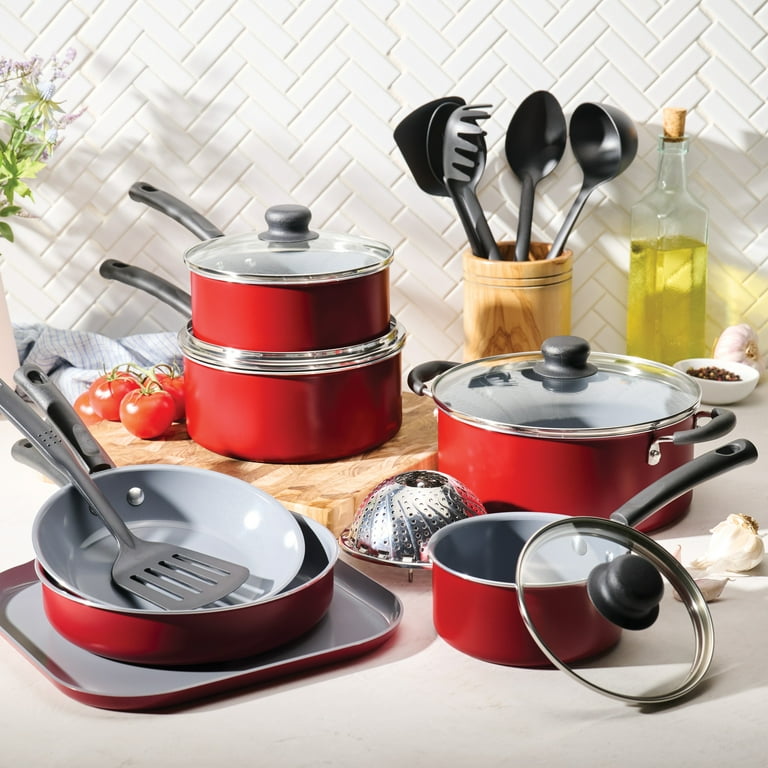
Nonstick Tramontina cookware needs gentle care to keep its coating intact. Avoid metal utensils that can scratch the surface. Use silicone, wooden, or plastic tools instead.
Clean the pans with a soft sponge and warm, soapy water. Never use abrasive pads or strong cleaners. Hand wash is best, even if the cookware says dishwasher safe.
Heat the pan on low to medium heat. High heat can damage the nonstick layer and reduce its lifespan. Use a small amount of oil or butter to enhance cooking and protect the coating.
- Do not overheat empty pans
- Store carefully to avoid scratches
- Use mild detergents only
- Replace pans if coating peels
| Do’s | Don’ts |
|---|---|
| Use soft sponges | Use metal utensils |
| Cook on low to medium heat | Overheat empty pans |
| Hand wash gently | Use abrasive cleaners |
| Store with care | Stack without protection |
Proper maintenance extends the life of nonstick cookware. It keeps food from sticking and makes cleaning easy. Follow these steps for safe, effective use every time.
Credit: www.walmart.com
Safe Cooking Practices
Safe cooking practices protect your Tramontina cookware and improve your cooking results. Proper care prevents damage and keeps the cookware working well for a long time. Following simple rules while cooking helps avoid scratches, stains, and warping. These practices also keep food tasting fresh and healthy. Small habits in the kitchen make a big difference. This section covers key safe cooking tips to use your Tramontina cookware confidently and safely.
Heat Settings To Use
Using the correct heat setting is essential to protect your Tramontina cookware. High heat can damage the cookware surface or cause food to burn. Medium to low heat usually works best for most dishes.
- Low heat: Ideal for simmering sauces, melting chocolate, and slow cooking.
- Medium heat: Great for sautéing vegetables and cooking eggs.
- High heat: Use only for boiling water or searing meat briefly.
Here is a simple guide to heat settings and their uses:
| Heat Level | Best Use | Notes |
|---|---|---|
| Low | Simmering, melting, slow cooking | Prevents burning and protects non-stick surfaces |
| Medium | Sautéing, frying, regular cooking | Most common heat for daily cooking |
| High | Boiling, searing meat | Use briefly to avoid damage or warping |
Tip: Always preheat your Tramontina cookware on low or medium heat before increasing it. This helps the heat spread evenly and avoids hotspots.
Avoiding Thermal Shock
Thermal shock happens when hot cookware touches cold surfaces or cold water suddenly. This can cause warping, cracks, or loss of non-stick coating. Protect your Tramontina cookware by avoiding sudden temperature changes.
Here are easy steps to prevent thermal shock:
- Let the cookware cool down before washing.
- Do not pour cold water into hot cookware.
- Avoid placing hot cookware directly on cold countertops.
- Use a trivet or heat pad under hot pans.
Example of what to avoid:
- Taking a hot pan from the stove and putting it in the sink with cold water.
- Setting a hot pan on a cold tile or marble surface.
Safe handling keeps the cookware’s shape and surface intact. It also extends the cookware’s life and maintains its cooking performance. Cooling the cookware naturally protects your investment and ensures delicious meals every time.
Storage Recommendations
Proper storage is essential to keep Tramontina cookware in excellent condition. Storing cookware correctly prevents damage and extends its life. Good storage also saves space and makes your kitchen tidy. Follow simple tips to protect your pans and pots from scratches and dents.
Preventing Scratches And Damage
Scratches and dents reduce the beauty and performance of Tramontina cookware. Avoid stacking pots and pans directly on top of each other. The metal surfaces can rub and cause scratches. Use soft materials like cloth or paper towels between each piece. This creates a cushion and stops friction.
Here are key tips to prevent damage:
- Use pan protectors: Felt or silicone protectors work well between pans.
- Store lids separately: Keep lids in a rack or standing position to avoid pressure on cookware.
- Avoid overcrowding: Give each piece enough space to prevent scratches from tight stacking.
- Handle with care: Always place cookware gently on shelves or in cabinets.
| Cause of Damage | Prevention Method |
|---|---|
| Stacking pans without protection | Use cloth or pan protectors between cookware |
| Placing lids directly on pots | Store lids separately in racks |
| Overcrowded shelves | Provide enough space for each item |
Organizing Cookware Efficiently
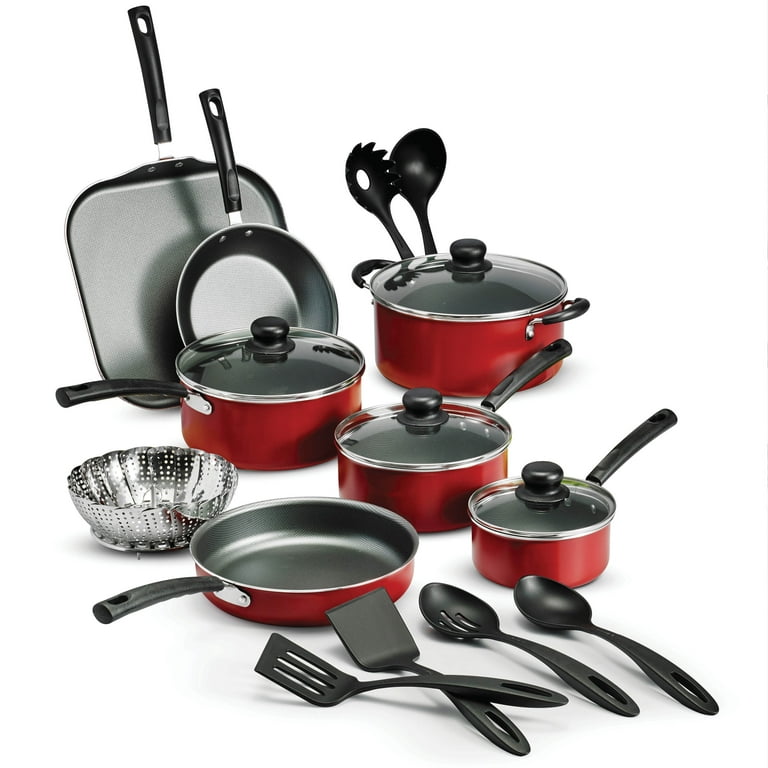
Organizing Tramontina cookware makes cooking easier and keeps your kitchen neat. Group similar items together, such as saucepans, frying pans, and stockpots. This saves time during meal prep. Use vertical space by installing racks or hooks. Hanging pans by their handles reduces shelf clutter.
Consider these organization tips:
- Use stackable organizers: Stack pans with separators to save space.
- Install pull-out drawers: Easy access to heavy pots and lids.
- Label shelves or sections: Helps remember where each piece belongs.
- Place frequently used cookware in front: Keeps them within reach.
| Storage Method | Benefits |
|---|---|
| Hanging racks | Frees shelf space, easy to grab pans |
| Stackable dividers | Keeps pans separated and safe |
| Pull-out drawers | Convenient access, reduces bending |
Good organization protects your Tramontina cookware and improves kitchen flow. Simple adjustments create a neat and safe storage system.
Credit: www.walmart.com
Troubleshooting Common Issues
Tramontina cookware is designed for durability and excellent cooking performance. Still, common issues like warping and dull finishes can affect your experience. Knowing how to troubleshoot these problems helps keep your cookware in top shape. This section covers easy steps to handle these issues, so your pots and pans last longer and look great.
Dealing With Warping
Warping happens when cookware bends or twists, usually from sudden temperature changes or uneven heating. Warped pans do not cook food evenly and can be frustrating to use.
Causes of Warping:
- Placing hot pans on cold surfaces
- Heating empty cookware for too long
- Using high heat suddenly
- Poor heat distribution from certain stovetops
Steps to Fix Warping:
- Allow the pan to cool slowly at room temperature.
- Try gently pressing the warped area on a flat surface.
- Use moderate heat during cooking to prevent further warping.
- Consider professional repair for severe warping.
| Warping Cause | Prevention Tip |
|---|---|
| Sudden temperature change | Let cookware cool before washing or placing on a cold surface |
| Empty pan on high heat | Avoid heating empty pans for long periods |
| Uneven heating | Use burners that match pan size |
Always use medium or low heat to protect your Tramontina cookware from warping. Avoid drastic temperature shifts and handle pans with care.
Restoring Shine And Finish
Over time, cookware can lose its shine and develop stains or discoloration. Restoring the finish brings back the original look and improves cooking performance.
Common Causes of Dullness:
- Food residue buildup
- Hard water stains
- Using abrasive cleaners or scrubbers
- Cooking with high heat frequently
Simple Ways to Restore Shine:
- Clean with warm water and mild dish soap after each use.
- Use a soft sponge or cloth to avoid scratches.
- Apply a paste of baking soda and water for stubborn stains; let sit for 15 minutes, then rinse.
- Use white vinegar to remove mineral deposits by soaking the cookware for 10 minutes.
- Dry thoroughly with a soft towel to prevent water spots.
| Cleaning Method | Purpose | How to Use |
|---|---|---|
| Baking Soda Paste | Remove tough stains | Mix baking soda with water, apply, wait 15 minutes, rinse |
| White Vinegar Soak | Eliminate mineral deposits | Soak cookware in vinegar for 10 minutes, then wash |
Regular cleaning and gentle care keep your Tramontina cookware looking new. Avoid metal scrubbers and harsh chemicals to protect the finish. Shine returns with patience and the right methods.
Frequently Asked Questions
How Do I Clean Tramontina Cookware Properly?
To clean Tramontina cookware, use warm soapy water and a soft sponge. Avoid abrasive cleaners or steel wool to prevent scratches. Hand washing preserves the cookware’s finish and performance. For stubborn stains, soak the cookware before washing. Always dry thoroughly to prevent water spots.
Can Tramontina Cookware Go In The Dishwasher?
Most Tramontina cookware is dishwasher safe, but hand washing is recommended. Dishwashers may dull the finish over time. Always check the product manual for specific dishwasher guidelines. Hand washing extends the cookware’s lifespan and maintains its appearance and cooking performance.
How Should I Season Tramontina Cast Iron Pans?
Season cast iron pans by coating them with a thin layer of vegetable oil. Heat the pan in the oven at 350°F (175°C) for one hour. Let it cool naturally. Regular seasoning prevents rust and creates a natural non-stick surface for better cooking results.
What Utensils Are Safe With Tramontina Cookware?
Use wooden, silicone, or plastic utensils with Tramontina cookware. Avoid metal utensils as they can scratch non-stick coatings. Proper utensils prolong the cookware’s life and maintain its non-stick properties. This practice helps keep your cookware looking new and performing well.
Conclusion
Caring for Tramontina cookware keeps it working well for years. Clean your pans gently with warm water and mild soap. Avoid metal tools to stop scratches and damage. Dry them fully to prevent rust and spots. Store your cookware in a dry place, safe from bumps.
With simple care, your Tramontina pans stay strong and shiny. Enjoy cooking with tools that last and feel good in your hands. Small habits make a big difference in cookware life. Keep these tips in mind for daily use and care.

Hello, This is Annie Walker, a 38-year-old blogger, founder, and editor of Cookware Guider from NY, USA. I am a cookware fanatic and passionate cooker. I love to cook with different types of cooking appliances (example: all types of cookware, rice cookers, slow cookers, etc) almost every day in my kitchen. I love to share my experience with my readers in my blog. Also, I enjoy helping people to solve their problems through my website. You can follow me on Twitter & Pinterest. To know details about my blog please check the about us page.