
If you own Staub cookware, you know it’s more than just pots and pans—it’s an investment in your kitchen. Taking care of your Staub properly can keep it looking beautiful and cooking perfectly for years to come.
But how do you make sure you’re treating it right? You’ll discover simple, effective tips to protect your cookware, improve its performance, and get the most out of every meal you prepare. Keep reading, and you’ll unlock the secrets to making your Staub cookware last a lifetime.
:max_bytes(150000):strip_icc()/2-3b4e597c74bd4e1aa91b9439e7b0f335.jpg)
Credit: www.seriouseats.com
Choosing The Right Staub Pieces
Caring for Staub cookware starts with choosing the right pieces for your kitchen. Each piece offers unique benefits and suits different cooking styles. Picking the right type ensures better cooking results and long-lasting use. Understanding the variety of Staub cookware helps you make smart choices. This section breaks down the types of Staub cookware and guides you in selecting pieces that fit your cooking needs.
Different Types Of Staub Cookware
Staub cookware comes in various styles and sizes. Each type serves a special purpose in the kitchen. Here are the main types:
- Cocotte (Dutch Oven): Heavy cast iron pot with a tight lid. Ideal for slow cooking, braising, and stews.
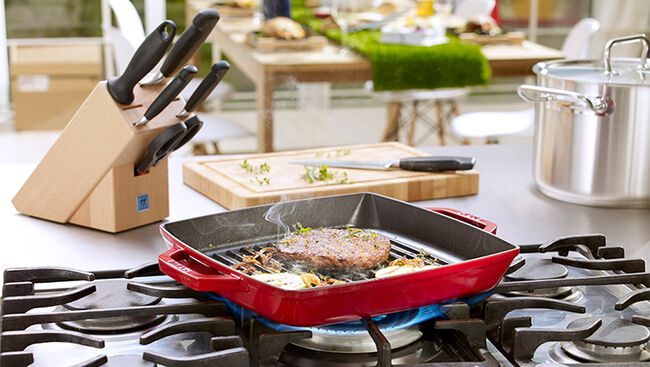
- Grill Pan: Cast iron pan with ridges. Great for grilling meat and vegetables indoors.
- Frying Pan (Skillet): Versatile pan for frying, sautéing, and searing.
- Saucepan: Smaller pot with a handle. Perfect for sauces, boiling, and reheating.
- Ramekins: Small, individual ceramic dishes used for baking and serving desserts.
Each piece has a special coating inside that helps with even heat distribution and non-stick cooking. The lids on many Staub pieces have small spikes that help keep moisture inside. This feature enhances flavor and tenderness in food.
| Type | Best For | Size Options |
|---|---|---|
| Cocotte (Dutch Oven) | Slow cooking, braising, soups | 2 to 13 quarts |
| Grill Pan | Grilling meats and vegetables | 10 to 12 inches |
| Frying Pan | Frying, sautéing, searing | 8 to 12 inches |
| Saucepan | Boiling, simmering, sauces | 1 to 3 quarts |
| Ramekins | Baking, serving desserts | Individual sizes |
Selecting Based On Cooking Needs
Choosing Staub cookware depends on how you cook and what dishes you prepare most. Think about your daily meals and cooking habits. This helps pick the right sizes and types.
Consider these points:
- Meal Size: For large families, bigger pots like the 7-quart cocotte work well.
- Cooking Style: If you grill often, a grill pan is a smart pick.
- Frequency: For everyday cooking, versatile frying pans and saucepans are useful.
- Dish Types: Use ramekins if you bake desserts or serve individual portions.
Use this table to match cookware with cooking needs:
| Cooking Need | Recommended Staub Piece | Why |
|---|---|---|
| Stews and Braises | Cocotte (Dutch Oven) | Retains heat well for slow cooking |
| Grilling Meat or Veggies | Grill Pan | Ridges add grill marks and drain fat |
| Everyday Frying and Sautéing | Frying Pan | Even heat and non-stick surface |
| Making Sauces | Saucepan | Small size allows precise control |
| Baking Desserts | Ramekins | Small size perfect for individual portions |
Pick pieces that match your cooking style and meal sizes. This choice helps you cook efficiently and enjoy delicious results. Staub cookware offers quality and durability that serve well for many years.

Credit: www.youtube.com
Seasoning And Preparing
Proper seasoning and preparing is essential for caring for Staub cookware. It helps create a natural non-stick surface and protects the cast iron from rust. Before using your Staub cookware for cooking, follow these steps to clean and season it correctly. This process ensures better cooking results and longer-lasting performance.
Initial Cleaning Steps
Start by washing your Staub cookware with warm water and a mild soap. Use a soft sponge or cloth to avoid scratching the enamel coating. Avoid harsh scouring pads or steel wool, as they can damage the surface.
- Rinse the cookware thoroughly to remove all soap residue.
- Dry it completely with a clean towel or let it air dry.
- Inspect the cookware for any manufacturing oils or dust that may remain.
For stubborn spots, fill the cookware with warm water and a small amount of baking soda. Let it soak for 15-20 minutes, then gently scrub with a soft sponge. Rinse and dry well.
| Step | Action | Purpose |
|---|---|---|
| 1 | Wash with warm water and mild soap | Remove dust and oils from manufacturing |
| 2 | Rinse and dry completely | Prevent water spots and rust |
| 3 | Soak with baking soda if needed | Remove stubborn stains gently |
Tips For Proper Seasoning
Seasoning Staub cookware strengthens the non-stick layer and protects the cast iron. Use a small amount of oil with a high smoke point, like vegetable or grapeseed oil. Avoid using too much oil, which can cause sticky residue.
- Preheat your oven to 350°F (175°C).
- Lightly coat the inside of the cookware with oil using a paper towel.
- Place the cookware upside down in the oven to avoid pooling of oil.
- Bake for 1 hour to allow the oil to bond with the surface.
- Turn off the oven and let the cookware cool inside.
Repeat this seasoning process every few months or after deep cleaning. Proper seasoning creates a smooth cooking surface that improves with use. It also helps prevent food from sticking and makes cleaning easier.
| Tip | Details |
|---|---|
| Oil Type | Use oils with high smoke points like vegetable or grapeseed oil |
| Coating | Apply a thin, even layer to avoid sticky buildup |
| Heating Method | Bake upside down at 350°F for 1 hour |
| Frequency | Season every few months or after deep cleaning |
Daily Cleaning Tips
Daily cleaning keeps Staub cookware in top shape and extends its life. Proper care after each use removes food residues and prevents stains or rust. Simple, gentle cleaning steps protect the cookware’s enamel and cast iron. Follow these daily tips to maintain Staub’s quality and beauty for years.
Hand Washing Best Practices
Always wash Staub cookware by hand to avoid damage. Use warm water and a soft sponge or cloth. Avoid metal scrubbers that scratch the enamel surface. Start by soaking the pot or pan in warm water for a few minutes if food is stuck. This softens residues for easy removal.
- Use mild dish soap to clean the cookware gently.
- Rinse thoroughly to remove all soap traces.
- Dry immediately with a soft towel to prevent water spots and rust.
Stubborn food stains require careful attention. Use a plastic or nylon brush for scrubbing. Avoid sharp tools that damage enamel or cast iron. For tough spots, fill the cookware with warm soapy water and let it soak for 15-20 minutes before scrubbing again.
| Step | Action | Tip |
|---|---|---|
| 1 | Soak cookware in warm water | Softens stuck food |
| 2 | Use mild soap and soft sponge | Protects enamel surface |
| 3 | Rinse thoroughly | Removes all soap residue |
| 4 | Dry immediately | Prevents rust and water spots |
Avoiding Harsh Cleaners
Harsh cleaners can ruin Staub cookware’s enamel and finish. Avoid bleach, oven cleaners, and abrasive powders. These chemicals eat away the protective layer and cause dullness. Stick to gentle cleaning agents designed for delicate cookware.
Natural cleaning options work well and cause no harm. Baking soda mixed with water forms a mild paste for stains. Vinegar diluted in water helps remove mineral deposits without harsh effects. Test any cleaner on a small spot first to ensure safety.
- Never use steel wool or metal scrubbers.
- Avoid strong chemical cleaners and bleach.
- Use baking soda paste for stubborn stains.
- Try vinegar and water for mineral build-up.
- Rinse well after cleaning to remove all residues.
Maintain the cookware’s look and performance by choosing mild, safe cleaning methods. Protect the enamel and cast iron by keeping away from harsh substances. This care routine keeps Staub cookware beautiful and functional for years.
Handling Stubborn Stains
Staub cookware is known for its durability and beautiful finish, but stubborn stains can still appear after regular use. These marks often come from burnt food or mineral deposits. Handling these stains carefully keeps your cookware looking new and extends its life. Using the right cleaning methods prevents damage to the enamel and cast iron. Patience and gentle techniques work best for tough stains.
Safe Methods For Stain Removal
Cleaning stains from Staub cookware requires gentle but effective methods. Avoid harsh scrubbing or metal tools that can scratch the surface. Use soft sponges or cloths instead. Here are some safe steps:
- Soak the cookware in warm soapy water for 15-30 minutes to loosen stains.
- Use a non-abrasive sponge to wipe away residue gently.
- For tougher stains, create a paste with baking soda and water.
- Apply the paste to the stain and let it sit for 10 minutes.
- Gently scrub with a soft sponge, then rinse thoroughly.
Below is a simple guide to common stains and the best removal methods:
| Stain Type | Recommended Method | Precautions |
|---|---|---|
| Burnt Food | Soak in warm water, use baking soda paste | Do not use steel wool or metal brushes |
| Water Spots | Wipe with vinegar solution, rinse well | Do not leave vinegar on surface for long |
| Grease Stains | Use dish soap and warm water soak | Avoid harsh chemical cleaners |
These methods clean stains without damaging your cookware’s finish. Always rinse and dry your Staub pot or pan well after cleaning.
Using Natural Cleaning Agents
Natural agents clean Staub cookware safely and effectively. They avoid harsh chemicals that can harm enamel or iron. Common natural cleaners include baking soda, white vinegar, and lemon juice. These ingredients are gentle but remove stains and odors well.
Here are easy ways to use natural cleaners:
- Baking Soda: Mix with water to form a paste. Apply to stains and let sit for 10 minutes. Rub gently with a sponge and rinse.
- White Vinegar: Dilute with water (50/50). Use to wipe water spots or mineral build-up. Rinse quickly to avoid damage.
- Lemon Juice: Use fresh lemon juice on rust spots or discoloration. Leave for a few minutes, then wash and dry.
Natural cleaners work well for everyday stains and keep your cookware safe. Avoid abrasive scrubbing to protect the enamel coating. Always dry cookware after cleaning to prevent rust.
| Natural Cleaner | Best For | How To Use |
|---|---|---|
| Baking Soda | Burnt food, stubborn stains | Make paste with water, apply, scrub gently |
| White Vinegar | Water spots, mineral deposits | Dilute with water, wipe, rinse quickly |
| Lemon Juice | Rust spots, discoloration | Apply fresh juice, wait, wash off |
Storage Guidelines
Proper storage of Staub cookware is important to keep it in great condition. Good storage helps avoid rust and damage, extending the life of your cast iron pieces. It also makes your kitchen neater and your cookware easier to find. Following simple guidelines will protect your investment and keep your cooking tools ready for use.
Preventing Rust And Damage
Staub cookware is made of enameled cast iron, which resists rust better than raw cast iron. Still, storing it correctly is key to prevent any damage or rust spots. Always make sure your cookware is completely dry before putting it away. Moisture trapped inside or on the surface can cause rust under the enamel over time.
Use these tips to keep rust and damage away:
- Dry each piece thoroughly after washing, inside and out.
- Store with lids off or slightly ajar to allow air circulation.
- Place a paper towel or cloth between stacked pieces to avoid scratching the enamel.
- Keep cookware in a dry, cool place away from humidity.
- Avoid stacking heavy items on top to prevent chipping or cracking.
Here’s a quick checklist to prevent rust and damage:
| Step | Action | Reason |
|---|---|---|
| 1 | Dry cookware fully | Prevents moisture buildup and rust |
| 2 | Store with lid off or ajar | Allows air flow, avoids odor |
| 3 | Use padding between pieces | Protects enamel from scratches |
| 4 | Keep in dry, cool area | Reduces rust risk |
Organizing Your Cookware
Organizing Staub cookware helps save space and keeps your kitchen tidy. Proper arrangement also protects your pieces from damage. Use simple methods to keep your cookware easy to reach and in good shape.
Try these organizing ideas:
- Use sturdy shelves or cabinets with enough space for your cookware.
- Group pots and pans by size to stack them safely.
- Store lids separately on racks or hooks for easy access.
- Use protective liners or cloths between stacked cookware.
- Place frequently used pieces at the front or on lower shelves.
Here is a simple organization plan:
- Sort cookware by type and size.
- Stack similar-sized pots with padding in between.
- Hang lids on a wall rack or place in a lid organizer.
- Store smaller items inside larger pots if space allows.
- Keep heavy cookware on lower shelves for safety.
Following these storage guidelines protects your Staub cookware, keeps your kitchen organized, and makes cooking more enjoyable.
Credit: www.zwilling.com
Maintaining The Enamel Finish
Maintaining the enamel finish on Staub cookware is key to keeping it beautiful and functional. The enamel layer protects the cast iron from rust and makes cooking easier. It also gives Staub pots and pans their classic look. Caring for this finish helps your cookware last many years. Simple habits can prevent damage and keep the surface smooth.
Avoiding Chipping And Cracks
The enamel finish is strong but can chip or crack if treated roughly. Avoid sudden temperature changes like moving cookware from the stove to cold water. This can cause thermal shock and damage the enamel.
- Use wooden, silicone, or plastic utensils to avoid scratching the surface.
- Do not drop or bang your Staub cookware against hard surfaces.
- Heat gradually to prevent stress on the enamel.
- Hand wash only: Dishwasher detergents and harsh scrubbing can wear the finish.
- Store carefully: Avoid stacking pots without protective padding.
The table below shows common causes of enamel damage and prevention tips.
| Cause | Effect | Prevention |
|---|---|---|
| Thermal shock (hot to cold) | Cracks and chips | Let cool before washing or adding cold liquids |
| Using metal utensils | Scratches and chips | Use wooden or silicone utensils |
| Dropping or banging | Chipping | Handle with care, avoid impacts |
| Dishwasher cleaning | Dulling or wearing enamel | Wash by hand with mild detergent |
When To Repair Or Replace
Small chips or cracks can sometimes be repaired to extend cookware life. Use enamel repair kits designed for cookware to fill minor damage. Follow product instructions carefully for best results.
Check your cookware regularly for signs of wear. Here are situations to consider repair or replacement:
- Small chips: Repair with enamel touch-up kits.
- Large cracks or deep chips: Risk rust and reduced heat distribution; replacement is safer.
- Rust spots: If rust appears under enamel, replacement is recommended.
- Warped or misshapen cookware: Replacement ensures safety and cooking quality.
Use the table below to decide on repair or replacement.
| Damage Type | Repair Possible? | Action |
|---|---|---|
| Minor chips | Yes | Use enamel repair kit |
| Cracks or large chips | No | Replace cookware |
| Rust beneath enamel | No | Replace immediately |
| Warped base | No | Replace for safety |
Cooking Tips To Extend Lifespan
Staub cookware is built to last, but proper cooking habits can make it last even longer. Using the right heat and utensils protects the surface and keeps your pots and pans working well. Simple changes in how you cook help maintain the quality and appearance of your Staub cookware. Follow these cooking tips to extend its lifespan and enjoy it for many years.
Heat Settings For Staub
Staub cookware performs best at medium or low heat. High heat can damage the enamel coating and cause food to stick or burn. Cast iron holds heat well, so cooking at lower temperatures saves energy and avoids overheating.
- Start with medium heat: Allow the pan to warm gradually before adding food.
- Use low heat for simmering: Slow cooking keeps flavors rich and protects the cookware.
- Avoid empty heating: Never heat an empty Staub pan; it can harm the enamel.
Here is a simple heat guide for Staub cookware:
| Cooking Purpose | Recommended Heat Setting | Notes |
|---|---|---|
| Searing Meat | Medium-High | Preheat pan and add oil to prevent sticking |
| Simmering Sauces | Low to Medium | Maintain gentle bubbles, avoid boiling |
| Baking (in oven) | Up to 500°F (260°C) | Check handle material for heat resistance |
| Boiling Water | Medium | Use lid to speed up boiling |
Following proper heat settings keeps your Staub cookware safe from cracks and discoloration. It also improves cooking results by spreading heat evenly.
Using Compatible Utensils
Using the right utensils helps protect Staub’s enamel surface from scratches and chips. Metal tools can harm the finish, so softer materials work best.
- Wooden utensils: Gentle on enamel and safe for stirring and scraping.
- Silicone or nylon spatulas: Heat-resistant and flexible, ideal for flipping and mixing.
- Avoid metal utensils: Knives, forks, or metal spoons can scratch and damage the surface.
Keep these tips in mind when cooking with Staub:
- Choose utensils that match your cooking style and dish type.
- Clean utensils regularly to avoid grit that can cause scratches.
- Store utensils separately to prevent accidental damage.
Here is a quick comparison of utensil types for Staub cookware:
| Utensil Type | Pros | Cons |
|---|---|---|
| Wood | Safe on enamel, natural, easy to clean | Can absorb odors or stains |
| Silicone | Heat-resistant, flexible, non-stick friendly | May melt if exposed to direct flame |
| Metal | Durable, good for heavy scraping | Can scratch and damage enamel |
Use the right utensils to keep your Staub cookware looking new and cooking perfectly. Gentle care during use makes a big difference.
Frequently Asked Questions
How Do I Clean Staub Cookware Properly?
To clean Staub cookware, hand wash with warm, soapy water using a soft sponge. Avoid abrasive cleaners. Dry thoroughly to prevent rust. Occasionally, use baking soda for stubborn stains. Never put Staub in a dishwasher to maintain its enamel finish and durability.
Can I Use Metal Utensils With Staub Cookware?
Staub cookware features a durable enamel coating, but it’s best to avoid metal utensils. Use wooden, silicone, or nylon tools instead. This prevents scratches and preserves the cookware’s non-stick properties. Proper utensil use extends the lifespan and appearance of your Staub pots and pans.
Is Staub Cookware Safe For Induction Cooktops?
Yes, Staub cookware is compatible with induction cooktops. Its cast iron base ensures even heat distribution and quick heating. Always check that the cookware’s bottom is flat for optimal contact. This makes Staub ideal for all stovetops, including gas, electric, and induction.
How Do I Season Staub Cast Iron Cookware?
Staub cookware comes pre-seasoned, so additional seasoning isn’t necessary. However, after cleaning, apply a thin layer of vegetable oil to the interior. Heat it gently to maintain the natural non-stick surface and prevent rust. This helps keep your cookware in excellent condition.
Conclusion
Caring for Staub cookware keeps it strong and beautiful. Clean it gently with warm water and mild soap. Avoid using metal scrubbers to protect the surface. Dry each piece fully to stop rust from forming. Store with lids off or use paper towels inside.
Regular care helps your cookware last for years. Enjoy cooking with tools that stay in great shape. Simple steps make a big difference every day. Treat your Staub cookware well, and it will serve you faithfully.

Hello, This is Annie Walker, a 38-year-old blogger, founder, and editor of Cookware Guider from NY, USA. I am a cookware fanatic and passionate cooker. I love to cook with different types of cooking appliances (example: all types of cookware, rice cookers, slow cookers, etc) almost every day in my kitchen. I love to share my experience with my readers in my blog. Also, I enjoy helping people to solve their problems through my website. You can follow me on Twitter & Pinterest. To know details about my blog please check the about us page.