
Are you curious about where your granite stone cookware comes from? Knowing the origin of your kitchen tools can help you trust their quality and safety.
Granite stone cookware has grown popular for its durability and non-stick surface, but not all brands are made the same. You’ll discover exactly where granite stone cookware is made and why it matters for your cooking experience. Keep reading to learn how the place of manufacture can affect the cookware you rely on every day.
Origins Of Granite Cookware
Granite cookware has gained popularity for its durability and non-stick features. Many wonder where this type of cookware originates from and how it came to be a kitchen favorite. The origins of granite cookware trace back to a blend of modern technology and traditional materials.
Early Inspirations from Natural GraniteGranite cookware takes its name from natural granite stone. Granite is a hard, durable rock found in many parts of the world. Early cookware makers wanted to mimic granite’s strength and resistance to heat.
This inspired the use of stone-like coatings on metal pans. These coatings give pans a strong, scratch-resistant surface similar to natural granite.
The idea of granite-coated cookware started in the late 20th century. Manufacturers combined metal bases with a special granite-like coating. This coating is made from mineral particles mixed with non-stick materials.
The goal was to create cookware that heats evenly, resists scratches, and cleans easily. This new type of cookware quickly became popular in kitchens worldwide.
Main Countries Producing Granite Cookware| Country | Role in Granite Cookware Production | Notable Features |
|---|---|---|
| China | Largest manufacturer and exporter | Affordable options, wide variety |
| Turkey | High-quality production, innovative coatings | Strong focus on durability and design |
| Italy | Premium brands, craftsmanship | Stylish designs, eco-friendly materials |
- Metal pans are shaped using modern machinery.
- Granite-like coatings are sprayed and baked onto pans.
- Coatings contain minerals like ceramic and quartz.
- Each pan goes through quality control for durability.
This mix of old and new methods ensures strong, long-lasting cookware.

Credit: www.amazon.com
Popular Manufacturing Countries
Granite stone cookware has gained popularity due to its durability and non-stick features. Many people wonder where this cookware is made. Several countries lead in manufacturing granite stone cookware, each offering unique qualities and production methods. Understanding the popular manufacturing countries helps buyers choose cookware that fits their needs and budget.
China
China is one of the largest producers of granite stone cookware in the world. The country has many factories with advanced technology and skilled workers. Chinese manufacturers offer a wide range of products, from budget-friendly to premium quality. They use modern coating techniques to ensure non-stick surfaces and long-lasting durability.
Key features of Chinese-made granite cookware:
- Affordable prices suitable for all budgets
- Large variety of designs and sizes
- Fast production and supply capabilities
- Use of eco-friendly materials in many factories
Many global brands source their granite cookware from China. The balance between cost and quality makes Chinese products popular worldwide.
| Aspect | Details |
|---|---|
| Production Volume | High |
| Price Range | Low to Mid |
| Quality | Varies from basic to premium |
| Export Markets | Global |
Italy
Italy is famous for its high-quality cookware, including granite stone pans and pots. Italian manufacturers focus on style, durability, and performance. Many products have elegant designs and use advanced non-stick coatings. Italian granite cookware often features superior heat distribution and long-lasting materials.
Advantages of Italian granite cookware:
- Premium craftsmanship and attention to detail
- Use of high-grade raw materials
- Stylish and elegant designs for modern kitchens
- Often handmade or partially handmade
Italian brands are popular among chefs and cooking enthusiasts. These products usually cost more but offer excellent cooking results and durability.
| Aspect | Details |
|---|---|
| Production Volume | Medium |
| Price Range | Mid to High |
| Quality | High |
| Export Markets | Europe, North America, Asia |
Turkey
Turkey is becoming a strong player in granite stone cookware manufacturing. Turkish factories combine traditional methods with modern technology. The country offers cookware that balances quality and price well. Many Turkish brands focus on durability and safe materials, suitable for everyday cooking.
Why Turkish granite cookware stands out:
- Good heat retention and even cooking
- Affordable prices with reliable quality
- Use of natural and non-toxic coatings
- Growing export market and brand recognition
Turkish cookware is gaining attention in Europe and nearby regions. It offers a solid choice for buyers who want quality without a high price tag.
| Aspect | Details |
|---|---|
| Production Volume | Growing |
| Price Range | Low to Mid |
| Quality | Good |
| Export Markets | Europe, Middle East |
Materials Used In Granite Cookware
Granite stone cookware is popular for its durability and cooking performance. The materials used in making this cookware affect its quality, heat distribution, and ease of use. Understanding the core materials helps in choosing the right type for your kitchen needs. Most granite cookware blends natural stone elements with modern metals and coatings to provide strength and non-stick properties.
Natural Granite Vs Coated Aluminum
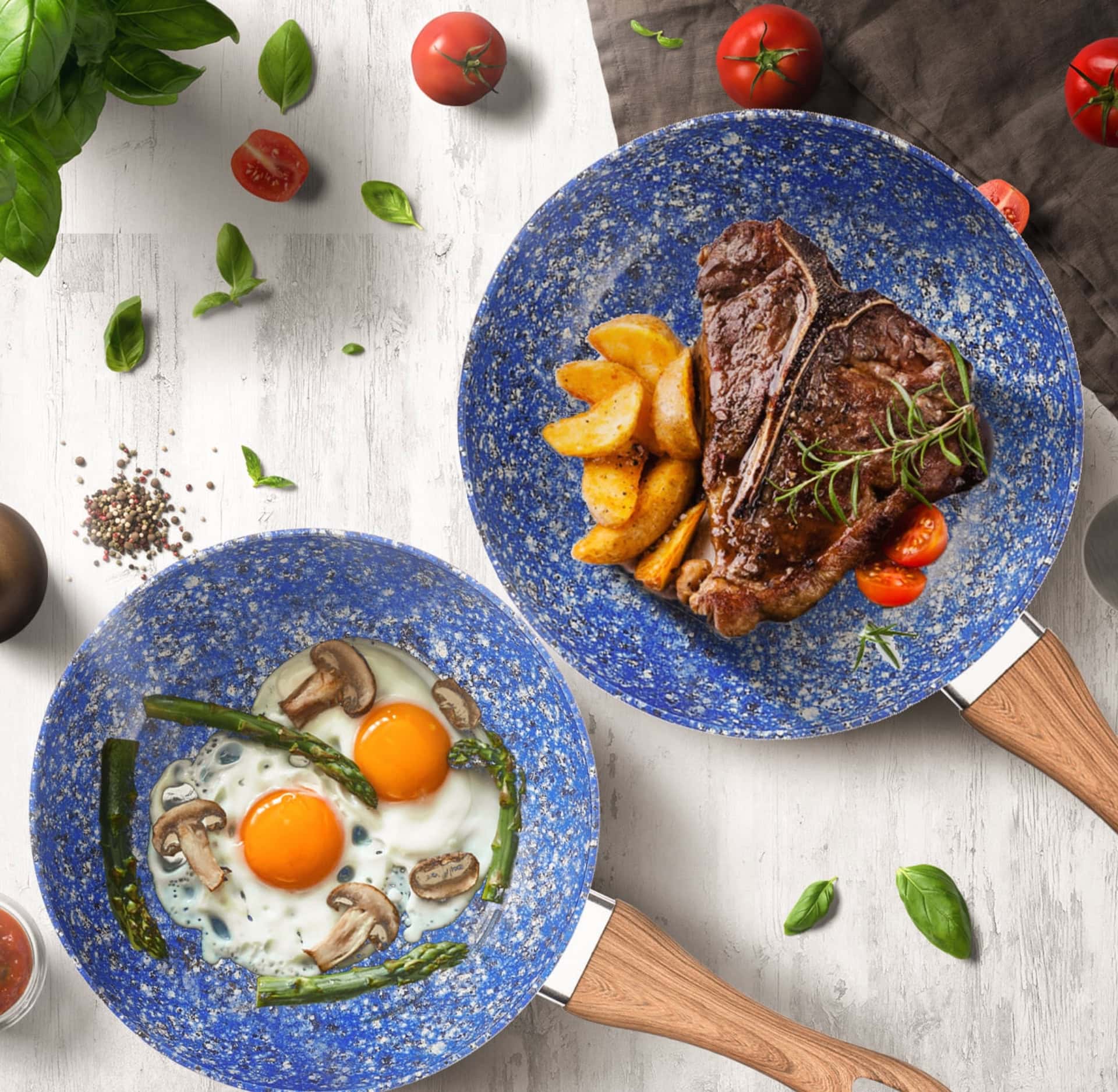
Granite cookware often confuses buyers because of the term “granite.” Some pots and pans contain real granite stone, while others use coated aluminum that looks like granite.
Natural Granite Cookware:
- Made from crushed granite mixed with other minerals.
- Heavy and very durable.
- Natural stone provides excellent heat retention.
- Usually more expensive due to raw materials.
Coated Aluminum Cookware:
- Aluminum base for quick, even heating.
- Surface coated with a granite-like finish.
- Lighter and easier to handle than natural granite.
- More affordable and common in most kitchens.
| Feature | Natural Granite | Coated Aluminum |
|---|---|---|
| Weight | Heavy | Light |
| Heat Retention | Excellent | Good |
| Durability | High | Moderate |
| Cost | High | Lower |
| Handling | Less Convenient | Easy |
Choosing between natural granite and coated aluminum depends on your cooking style and budget. Natural granite suits slow cooking and heavy use. Coated aluminum works well for everyday cooking and quick meals.
Non-stick Coatings
Non-stick coatings improve cooking and cleaning. Granite cookware usually has a special non-stick layer that mimics the look of granite stone. This coating stops food from sticking, allowing healthier cooking with less oil.
Types of Non-stick Coatings in Granite Cookware:
- PTFE (Polytetrafluoroethylene): Common non-stick coating, easy to clean, but can wear off over time.
- Ceramic Coating: Made from natural minerals, chemical-free, and heat resistant but less durable than PTFE.
- Granite Effect Coating: Layers of stone-like particles mixed with non-stick materials for extra toughness.
Benefits of Non-stick Coatings:
- Reduces the need for cooking oil.
- Food slides off easily, making cooking simpler.
- Cleaning is quick and requires less effort.
- Protects the metal base from scratches and corrosion.
Proper care extends the life of non-stick coatings. Avoid metal utensils and harsh scrubbing. Use soft sponges and wooden or silicone tools for best results.
Credit: www.sustainablejungle.com
Production Techniques
Granite stone cookware is known for its durability and non-stick properties. The production techniques behind this cookware play a vital role in its quality and performance. These techniques involve precise processes that shape and protect the cookware, making it suitable for everyday use. Understanding these methods helps to appreciate the care and technology used in making granite stone cookware.
Casting And Molding
The first step in making granite stone cookware is casting and molding. This process creates the basic shape of the cookware, such as pans, pots, or skillets. Manufacturers use metal alloys like aluminum or steel because they conduct heat well and are lightweight.
The casting process includes:
- Melting the metal alloy at high temperatures.
- Pouring the molten metal into molds shaped like the cookware.
- Allowing the metal to cool and harden inside the mold.
- Removing the solid cookware from the mold.
After casting, the cookware goes through molding or shaping steps to smooth edges and create handles or lids. This ensures the cookware has the right form and balance for easy use.
| Step | Description | Purpose |
|---|---|---|
| Melting | Heating metal alloy to liquid form | Prepare metal for shaping |
| Pouring | Pouring molten metal into molds | Create basic cookware shape |
| Cooling | Letting metal solidify in mold | Form a hard, durable piece |
| Finishing | Smoothing and shaping edges and handles | Enhance usability and safety |
This casting and molding stage ensures the cookware is strong and ready for the next step: coating.
Coating Application
The coating is what gives granite stone cookware its unique non-stick and scratch-resistant surface. This step happens after the cookware is cast and shaped. The coating usually consists of a mix of natural minerals and non-stick materials that bond well with the metal base.
Key points in the coating application:
- Cleaning: The cookware is cleaned thoroughly to remove dust, oil, or debris.
- Primer Layer: A base layer is sprayed or brushed on to help the main coating stick better.
- Main Coating: The granite stone coating is applied in even layers, often by spraying or dipping.
- Curing: The cookware is heated in an oven to harden the coating and make it durable.
The coating process creates a surface that:
- Prevents food from sticking without needing much oil.
- Resists scratches and chips from utensils.
- Is easy to clean and maintain.
- Can withstand high cooking temperatures.
Manufacturers may apply multiple layers of coating to improve strength and longevity. Each layer is carefully checked for smoothness and coverage. This ensures the cookware looks good and performs well over time.
Quality Standards By Region
Granite stone cookware is popular worldwide for its durability and non-stick surface. The quality of this cookware varies based on where it is made. Different regions follow different quality standards. These standards affect the material, safety, and performance of the cookware. Understanding these standards helps buyers choose the best product for their kitchen.
Asia: Strict Material And Safety Controls
Many granite cookware brands come from Asia, especially China and South Korea. These countries have strong rules about materials used in cookware. They focus on using non-toxic substances that are safe for cooking.
- Use of food-grade coatings free from harmful chemicals
- High resistance to heat and scratches
- Testing for heavy metals and toxins
Manufacturers in this region often follow international standards like FDA and LFGB to ensure safety.
Europe: High Standards For Durability And Eco-friendliness
European granite cookware producers emphasize long-lasting quality and eco-friendly production. They use strict guidelines to reduce environmental impact.
- Eco-friendly coatings and raw materials
- Durability tests for long-term use
- Strict quality checks during manufacturing
European brands often meet standards like REACH and RoHS, showing commitment to safety and environment.
North America: Focus On Performance And Certification
In North America, quality standards highlight product performance and consumer safety. Cookware must pass rigorous tests before sale.
- Non-stick effectiveness and scratch resistance
- Certification by FDA and NSF
- Clear labeling about usage and care
These rules ensure cookware is safe and easy to use for all home cooks.
| Region | Key Quality Focus | Common Standards |
|---|---|---|
| Asia | Material safety, non-toxic coatings | FDA, LFGB |
| Europe | Durability, eco-friendly production | REACH, RoHS |
| North America | Performance, certification, labeling | FDA, NSF |
How To Identify Authentic Granite Cookware
Granite stone cookware is popular for its durability and non-stick surface. Many wonder where this cookware is made and how to spot the real thing. Authentic granite cookware offers great cooking performance and lasts long. Identifying genuine pieces helps avoid cheap imitations that wear out fast.
Check The Material And Coating
True granite cookware has a solid base made from cast aluminum or steel. The surface features a natural stone-infused coating. This coating looks like speckled granite and feels smooth to the touch.
- Genuine granite coating resists scratches and chips.
- Fake versions may peel or flake quickly.
- Look for a uniform stone pattern on the pan’s surface.
Inspect The Brand And Labels
Authentic granite cookware comes from well-known brands. These brands often provide clear labels showing the origin and materials. The label usually states:
- Country of manufacture
- Type of coating used
- Care instructions
Fake products might have missing or vague labels. Check packaging carefully for spelling errors or blurry print.
Test The Weight And Feel
Real granite cookware feels heavier than cheap alternatives. The weight comes from the sturdy base material and thick coating. Hold the pan and notice:
- Solid, balanced weight
- Cool touch handles, often made with heat-resistant materials
- Smooth surface without rough patches
Look For Certification Or Warranty
Many authentic granite cookware sets include a warranty or certification. This proves the product meets quality standards. Certifications can include:
| Certification | What It Means |
|---|---|
| FDA Approved | Safe for food use |
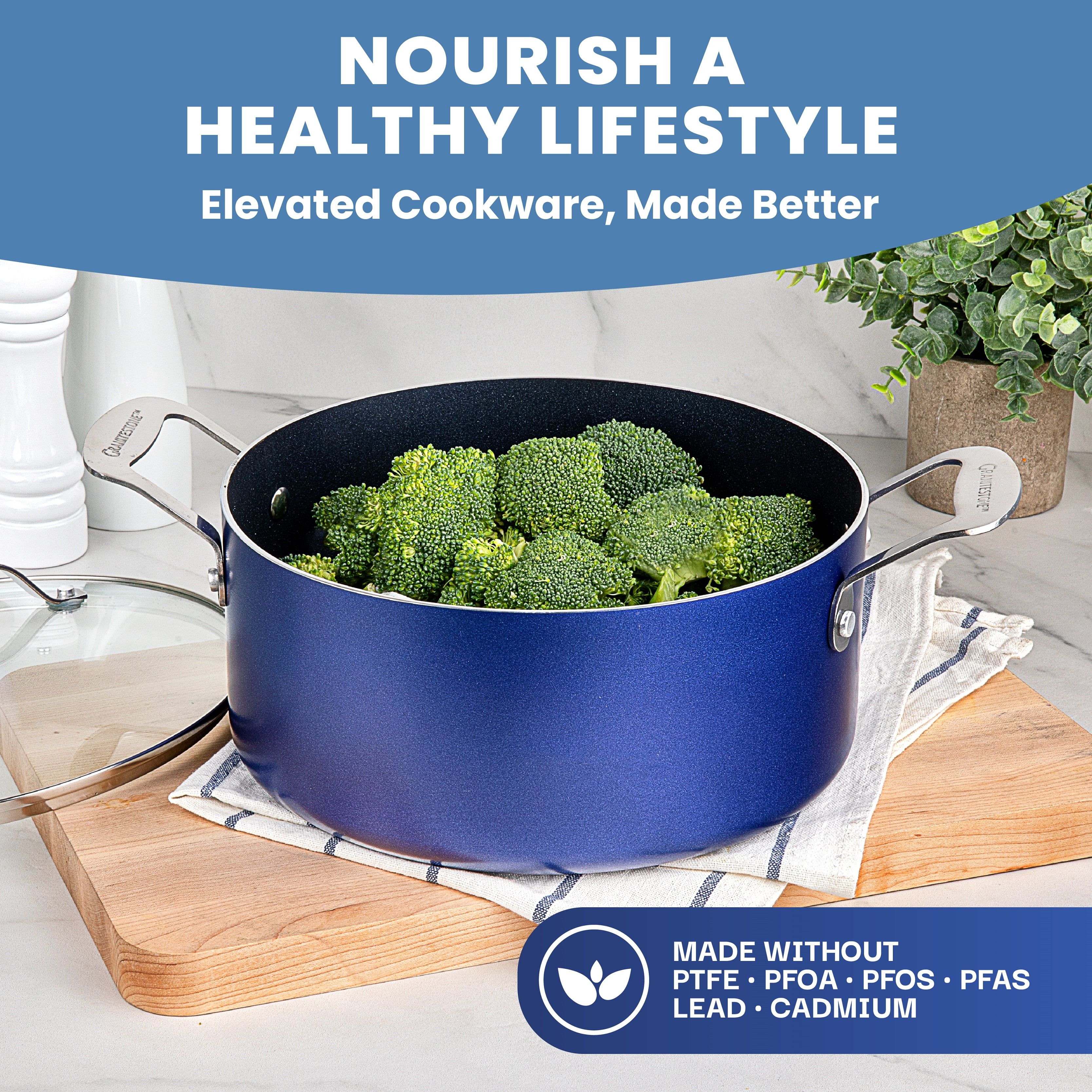
| Non-Toxic Coating | Free from harmful chemicals like PFOA and PTFE |
| Manufacturer Warranty | Guarantees product quality and durability |
Price Point As An Indicator
Authentic granite cookware is not very cheap. The manufacturing process and materials cost more. Avoid very low prices as they usually mean low quality.
- Mid to high price ranges usually indicate better quality.
- Compare prices across trusted sellers.
Credit: www.walmart.com
Frequently Asked Questions
Where Is Granite Stone Cookware Primarily Manufactured?
Granite stone cookware is mainly produced in China, known for advanced manufacturing facilities. Some brands also source from Italy and Turkey. These regions ensure quality and durability with modern production techniques and strict quality controls.
Are Granite Stone Cookware Products Made In The Usa?
Most granite stone cookware is not made in the USA but imported. However, some brands assemble parts in the USA while sourcing materials internationally. Always check the product label for accurate origin information.
What Materials Are Used In Granite Stone Cookware?
Granite stone cookware is made using aluminum or stainless steel bases coated with a granite-like non-stick surface. This coating usually contains ceramic or mineral particles, enhancing durability and scratch resistance.
How Does The Manufacturing Location Affect Granite Cookware Quality?
Manufacturing location impacts quality through material sourcing and production standards. Countries with strict quality controls produce more durable, safe cookware. Always choose reputable brands regardless of origin for the best performance.
Conclusion
Granite stone cookware comes from several countries known for quality. Many brands make their products in China, Italy, and Turkey. These places use strong materials and good methods. You can find durable and safe cookware from these regions. Knowing where your cookware is made helps you choose better.
It also gives you confidence in your kitchen tools. Always check the label before buying. This way, you get the best granite cookware for your needs. Simple, strong, and made to last.

Hello, This is Annie Walker, a 38-year-old blogger, founder, and editor of Cookware Guider from NY, USA. I am a cookware fanatic and passionate cooker. I love to cook with different types of cooking appliances (example: all types of cookware, rice cookers, slow cookers, etc) almost every day in my kitchen. I love to share my experience with my readers in my blog. Also, I enjoy helping people to solve their problems through my website. You can follow me on Twitter & Pinterest. To know details about my blog please check the about us page.