
Are you curious about where your Granitestone cookware is made? Knowing the origin of your kitchen tools can help you trust their quality and performance.
If you’ve ever wondered about the craftsmanship behind Granitestone pans and pots, you’re in the right place. This article will reveal the exact location where Granitestone cookware is produced and explain why it matters for your cooking experience. Keep reading to discover the story behind your favorite cookware brand and how it can impact your time in the kitchen.
Origins Of Granitestone
Granitestone cookware is popular for its durable, non-stick surface and stylish look. Many people ask about its origins and where this cookware is made. Understanding the origins of Granitestone helps buyers trust its quality and craftsmanship.
History Of Granitestone
Granitestone started as a brand focused on creating strong and safe cookware. The idea was to combine the look of natural stone with modern non-stick technology. This cookware is designed to offer even heating and easy cleaning.
The brand grew quickly due to its unique coating that mimics granite. This coating is scratch-resistant and helps food cook evenly without sticking.
Manufacturing Location
Granitestone cookware is mainly made in China. The factories use advanced technology to produce the cookware with high standards. Strict quality controls ensure each piece meets safety and durability requirements.
Producing in China helps keep the cost affordable while maintaining good quality. The materials come from trusted suppliers worldwide.
Materials And Technology Used
- Aluminum base: Lightweight and good at spreading heat.
- Granite-inspired coating: Non-stick and tough.
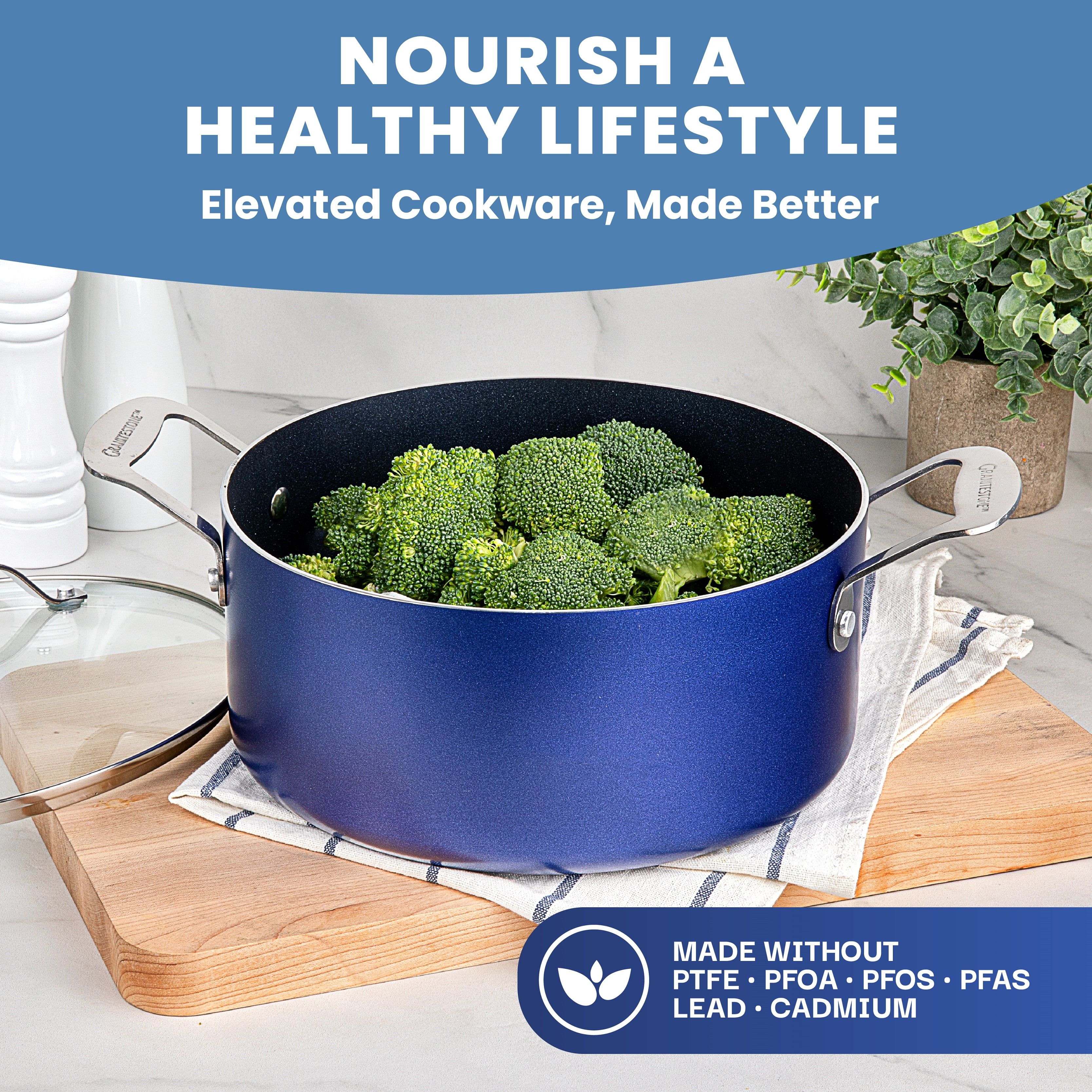
- Safe coatings: Free from harmful chemicals like PFOA and PTFE.
- Ergonomic handles: Designed for comfort and safety.
The technology behind Granitestone focuses on safety and performance. The coating is made to last and resist scratches from metal utensils.
Brand Reputation And Quality Control
| Aspect | Details |
|---|---|
| Quality Checks | Multiple tests for durability and heat resistance |
| Customer Feedback | Generally positive for non-stick performance and design |
| Warranty | Offered on many products for defects and coating issues |
| Certifications | Meets international safety and food-grade standards |
Granitestone’s quality control helps maintain its reputation as a reliable brand. Buyers can trust that their cookware meets high standards.
Credit: www.walmart.com
Manufacturing Locations
Granitestone cookware is popular for its durability and non-stick surface. Many users wonder where this cookware is made. The answer lies in its manufacturing locations, which play a key role in the quality and design of the products.
Manufacturing Facilities In China
Most Granitestone cookware is produced in modern factories located in China. These facilities use advanced technology and strict quality controls. Skilled workers ensure the cookware meets safety and durability standards.
China is a global hub for cookware manufacturing. It offers:
- Access to high-quality raw materials
- Efficient production lines
- Cost-effective labor
Quality Control And Testing Centers
Granitestone cookware undergoes rigorous testing before reaching customers. Quality control centers check each batch for:
- Non-stick coating strength
- Heat resistance
- Durability of handles and lids
These centers ensure every product is safe and reliable.
Distribution And Assembly Points
Some Granitestone parts may be assembled or packaged in other locations closer to market areas. This step helps in:
- Reducing shipping times
- Lowering costs
- Improving customer service
Assembly points work with the main factories to deliver high-quality cookware worldwide.
Materials Used In Production
Granitestone cookware is known for its durability and non-stick quality. The materials used in its production play a key role in this performance. Each ingredient is chosen to create cookware that cooks evenly and lasts long. Understanding these materials helps you see why Granitestone is a popular choice in kitchens.
Granite Coating
The outer layer of Granitestone cookware features a special granite coating. This coating is made from natural stone particles mixed with a non-stick formula. It provides:
- Scratch resistance
- Even heat distribution
- Easy food release
- Durability against wear and tear
Aluminum Core
Underneath the granite coating, Granitestone cookware has a heavy-gauge aluminum core. Aluminum is popular because it:
- Heats quickly
- Spreads heat evenly
- Keeps food from burning
- Keeps cookware lightweight
Non-stick Surface
The non-stick surface in Granitestone cookware is free from harmful chemicals like PFOA and PTFE. This makes it safe and easy to clean. Benefits include:
- Less oil needed for cooking
- Simple cleaning with a soft sponge
- Food slides off easily
Stainless Steel Handles
Many Granitestone pans use stainless steel handles. These handles are strong and stay cool during cooking. Features include:
- Comfortable grip
- Resistance to rust
- Durability for long use
| Material | Purpose | Key Benefit |
|---|---|---|
| Granite Coating | Outer surface | Scratch-resistant and non-stick |
| Aluminum Core | Body of cookware | Even heat distribution |
| Non-Stick Surface | Cooking area | Easy food release and cleaning |
| Stainless Steel Handles | Handle grip | Cool, sturdy, rust-resistant |
Quality Control Processes
Quality control is key to making Granitestone cookware reliable and safe. The brand uses strict steps to check every piece. These steps help keep the cookware strong and easy to use. Buyers get products that last long and cook well.
Raw Material Inspection
Only top materials enter the Granitestone factory. Workers check each batch for purity and strength. This step stops weak or bad materials from being used. It ensures the base of the cookware is solid.
Manufacturing Checks
During making, machines and staff watch the process closely. They measure thickness, coating, and shape many times. This stops errors early and fixes them fast. It keeps the cookware consistent and neat.
Non-stick Coating Testing
Granitestone’s non-stick layer is special. After applying, it goes through tests for durability and safety. Tests include:
- Scratch resistance
- Heat endurance
- Food safety checks
These tests make sure the coating stays smooth and safe over time.
Final Product Inspection
Each finished pan gets a full check before packing. Inspectors look for:
- Even coating
- Good handles
- Proper size and weight
- No defects
This step guarantees only perfect cookware reaches customers.
Quality Control Summary Table
| Stage | Focus | Purpose |
|---|---|---|
| Raw Material Inspection | Material purity and strength | Prevent weak materials |
| Manufacturing Checks | Thickness, coating, shape | Maintain consistency |
| Non-Stick Coating Testing | Durability and safety | Ensure long-lasting coating |
| Final Product Inspection | Appearance and function | Deliver defect-free items |
Comparison With Other Cookware Brands
Granitestone cookware is known for its durability and non-stick surface. Many people wonder where this popular cookware is made. Understanding its origin helps compare it with other brands. This section explores how Granitestone stands against other cookware brands in quality, materials, and price.
Manufacturing Location And Quality Control
Granitestone cookware is manufactured in China under strict quality standards. The brand uses advanced technology to ensure durability and safety. Many cookware brands also produce items in China, including well-known names, to keep costs low while maintaining quality.
Some brands manufacture in Europe or the USA, often increasing price but not always improving quality. Granitestone focuses on balancing cost and performance, making it affordable and reliable.
Material And Coating Differences
Granitestone uses a granite-infused non-stick coating. This coating offers strong resistance to scratches and easy food release. Other brands use ceramic, Teflon, or stainless steel coatings.
| Brand | Coating Type | Durability | Non-Stick Performance |
|---|---|---|---|
| Granitestone | Granite-infused Non-Stick | High | Excellent |
| T-fal | Teflon Non-Stick | Medium | Good |
| GreenPan | Ceramic Non-Stick | Medium | Fair |
| Cuisinart | Stainless Steel | Very High | None |
Price Comparison
- Granitestone offers mid-range prices suitable for many budgets.
- Premium brands often cost twice as much due to materials and brand value.
- Budget brands are cheaper but may lack durability and performance.
User Experience And Performance
- Granitestone cookware heats evenly, reducing hot spots.
- Its non-stick surface allows easy cooking and cleaning.
- Other brands may offer better heat retention or professional-grade materials.
- Granitestone suits home cooks wanting quality without high prices.

Credit: www.bestbuy.com
Impact Of Manufacturing On Pricing
Where Is Granitestone Cookware Made plays a key role in its price. The location and method of manufacturing affect the cost you pay. Manufacturing impacts raw material costs, labor, and quality control. These factors change the final price of Granitestone cookware.
Manufacturing Location And Labor Costs
Granitestone cookware is mainly made in countries with lower labor costs. This helps keep prices affordable. Labor costs include wages, benefits, and working conditions.
- Lower labor costs usually mean cheaper products.
- Countries with skilled workers balance quality and price.
- Strict labor laws can increase production costs.
Material Quality And Sourcing
High-quality materials increase durability and cooking performance. Granitestone uses non-stick coatings and aluminum. These materials vary in price based on source and purity.
| Material | Impact on Price |
|---|---|
| Aluminum | Lightweight and affordable, keeps costs moderate |
| Non-stick Coating | Higher quality coating raises price but improves use |
| Granite Finish | Stylish, adds slight cost increase |
Production Technology And Quality Control
Advanced machines improve product consistency. Quality checks reduce defects and returns. These steps add to manufacturing expenses.
- Use of modern coating techniques enhances durability.
- Automation reduces labor costs but requires investment.
- Regular inspections ensure every pan meets standards.

Credit: www.amazon.com
Frequently Asked Questions
Where Is Granitestone Cookware Manufactured?
Granitestone cookware is made in China. The company uses advanced technology and quality materials to ensure durability and performance. Its production facilities meet global standards for safety and efficiency. This helps maintain affordable prices without compromising quality.
Is Granitestone Cookware Made From Real Granite?
Granitestone cookware features a granite-derived nonstick coating, but the pans themselves are aluminum-based. The coating offers scratch resistance and easy cleaning. It mimics granite’s appearance and durability but does not consist of solid granite material.
Are Granitestone Pans Safe To Use?
Yes, Granitestone pans are safe. They use a PFOA-free nonstick coating, which prevents harmful chemical release. The materials used comply with food safety regulations. Always follow manufacturer guidelines for best use and care.
Does Granitestone Cookware Offer Good Heat Distribution?
Granitestone cookware provides excellent heat distribution due to its aluminum core. This ensures even cooking and reduces hot spots. It heats up quickly and retains temperature well, making it efficient for everyday cooking.
Conclusion
Granitestone cookware is made in China, known for good quality. The brand uses advanced technology to create durable pots and pans. Many cooks choose Granitestone for its non-stick surface and sturdy build. You get reliable cookware without spending too much money.
Knowing where it is made helps you trust the product more. This information guides your choice in the kitchen. Granitestone offers a solid option for everyday cooking needs. Simple, strong, and made with care.

Hello, This is Annie Walker, a 38-year-old blogger, founder, and editor of Cookware Guider from NY, USA. I am a cookware fanatic and passionate cooker. I love to cook with different types of cooking appliances (example: all types of cookware, rice cookers, slow cookers, etc) almost every day in my kitchen. I love to share my experience with my readers in my blog. Also, I enjoy helping people to solve their problems through my website. You can follow me on Twitter & Pinterest. To know details about my blog please check the about us page.