
If you’ve ever dreamed of cooking with cookware that combines beauty, durability, and top performance, Le Creuset likely caught your eye. But before you invest in these colorful pots and pans, you might wonder—where is Le Creuset cookware actually made?
Knowing the origin of your cookware can give you confidence in its quality and craftsmanship. You’ll discover the real story behind Le Creuset’s production, so you can make the best choice for your kitchen and enjoy every meal you create.
Keep reading—your perfect cooking companion awaits.
Le Creuset Origins
Le Creuset is a well-known brand for high-quality cookware. Its origins date back to the early 20th century in France. Understanding where Le Creuset cookware is made starts with exploring its rich history and original manufacturing roots. The brand has maintained a strong connection to its birthplace, known for craftsmanship and durability. This section dives into the founding story and the first place where Le Creuset cookware was made.
Founding History
Le Creuset was founded in 1925 by two Belgian industrialists, Armand Desaegher and Octave Aubecq. They combined their expertise to create durable cast iron cookware. Desaegher was a casting specialist, while Aubecq was an enameling expert. Their partnership was the foundation of Le Creuset’s success.
Their goal was to produce colorful, enameled cast iron pots that could last a lifetime. The cookware was designed to offer excellent heat distribution and retain heat well.
- 1925: Le Creuset company established in France.
- Innovative design: First enameled cast iron cocotte (Dutch oven).
- Focus: Quality, durability, and vibrant colors.
Le Creuset quickly gained popularity in French kitchens and worldwide. The brand became a symbol of reliability and style. Over time, new colors and product lines were introduced, but the original principles stayed the same.
Initial Manufacturing Location
Le Creuset’s first manufacturing facility was in the small town of Fresnoy-le-Grand, located in northern France. This location remains the heart of Le Creuset production today. The factory’s location helped the brand maintain close control over quality and craftsmanship.
The manufacturing process includes:
- Pouring molten cast iron into sand molds.
- Removing rough edges and smoothing the surface.
- Applying a high-quality enamel coating.
- Firing the cookware in special ovens to fuse the enamel.
The factory in Fresnoy-le-Grand has evolved but still uses many traditional techniques. Skilled artisans ensure every piece meets strict quality standards. This location is famous for producing the iconic bright colors and durable finishes that Le Creuset is known for.
| Feature | Description |
|---|---|
| Location | Fresnoy-le-Grand, France |
| Production Start | 1925 |
| Products Made | Cast iron cookware, enamel coating |
| Manufacturing Style | Traditional and modern techniques combined |
Le Creuset cookware made here carries a legacy of craftsmanship and French heritage. Many collectors and chefs value products stamped with this original manufacturing mark.
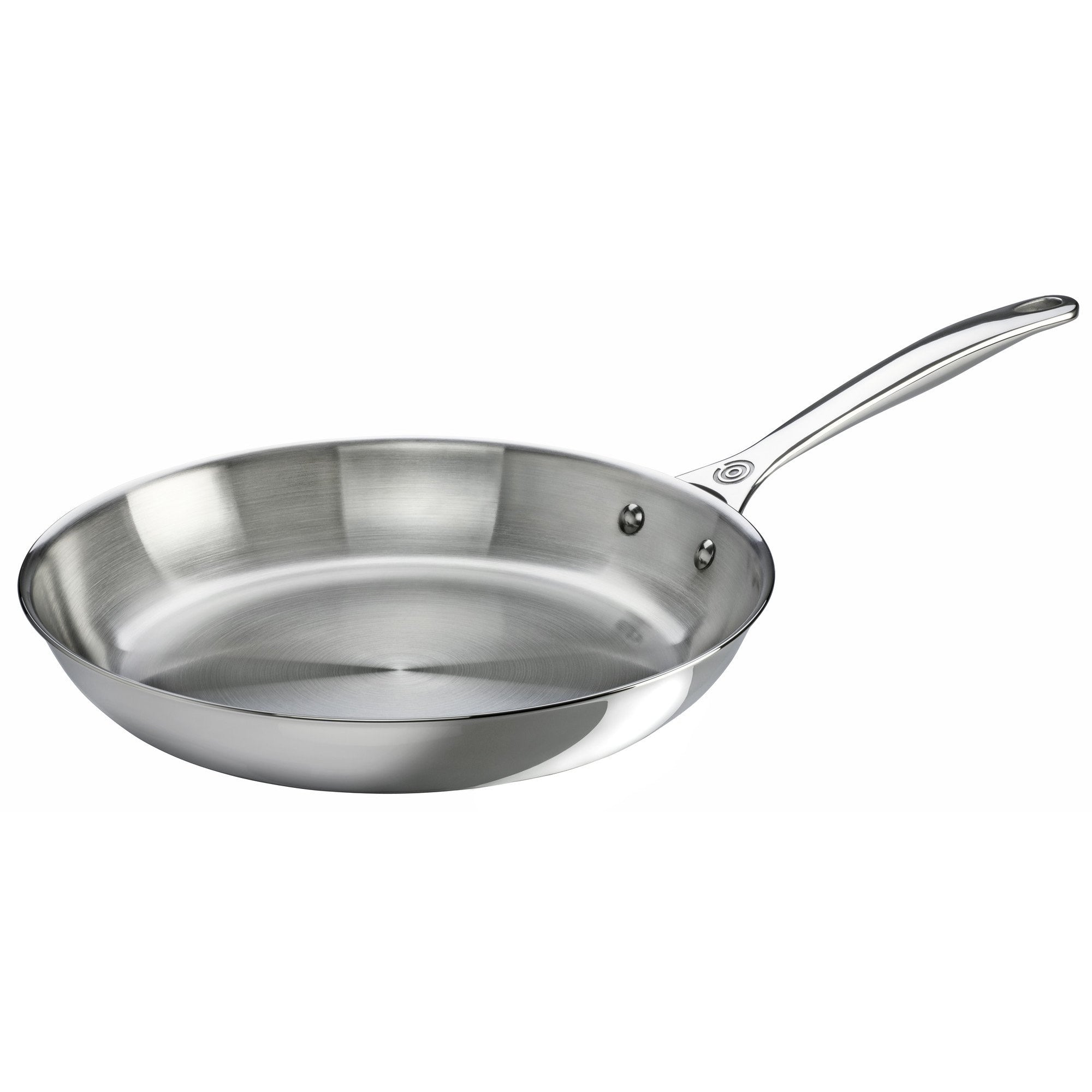
Credit: www.consiglioskitchenware.com
Current Manufacturing Sites
Le Creuset cookware is famous worldwide for its quality and durability. The brand’s production process combines traditional methods with modern technology. This ensures every product is strong and long-lasting. Understanding where Le Creuset cookware is made helps appreciate the craftsmanship behind each piece. The current manufacturing sites are spread across several locations. These sites keep strict quality control to maintain the brand’s high standards.
Primary Factory In France
The main factory for Le Creuset is in Fresnoy-le-Grand, France. This site has produced cast iron cookware since 1925. It remains the heart of the brand’s manufacturing process.
Key points about the Fresnoy-le-Grand factory:
- All cast iron cookware is made here.
- Skilled artisans handle the entire process from molding to finishing.
- Traditional sand casting is used for shaping the cookware.
- Enamel coating is applied and baked in large ovens on-site.
- Strict quality checks occur at every stage.
The factory combines old techniques with new machinery. This mix helps keep the cookware strong and beautiful. The site employs hundreds of workers dedicated to maintaining quality. It also houses research and development teams focused on product innovation.
| Manufacturing Step | Description |
|---|---|
| Melting | Iron is melted in large furnaces at very high temperatures. |
| Molding | Molten iron is poured into sand molds to form cookware shapes. |
| Enameling | Cookware is coated with vibrant enamel colors. |
| Baking | Enamel is baked to create a hard, durable finish. |
| Quality Control | Each piece undergoes inspection before packaging. |
Additional Facilities Worldwide
Le Creuset has expanded manufacturing beyond France. These sites handle different product types and support global demand. They focus on maintaining Le Creuset’s high-quality standards.
Locations and their specialties include:
- China: Produces stainless steel cookware and some stoneware.
- Thailand: Manufactures silicone kitchen tools and accessories.
- Portugal: Works on enamel-coated cast iron and stoneware.
These additional factories use advanced technology. They also follow strict quality checks like the main French factory. The global network helps Le Creuset serve customers worldwide efficiently.
| Facility | Country | Product Focus |
|---|---|---|
| Le Creuset Asia | China | Stainless steel cookware, stoneware |
| Le Creuset Thailand | Thailand | Silicone kitchen accessories |
| Le Creuset Europe | Portugal | Enamel-coated cast iron, stoneware |
The brand keeps close control over all sites. This ensures every product meets its exacting standards. Customers get consistent quality no matter where the cookware is made.
Production Process
Le Creuset cookware is famous worldwide for its durability and vibrant colors. Its production process combines traditional methods with modern technology. Every piece undergoes several steps to ensure it meets high standards. Understanding these steps helps to appreciate the quality behind each product.
Material Selection
The production starts with choosing the right materials. Le Creuset mainly uses cast iron for its cookware. This metal is strong and holds heat well. The iron used is carefully selected for purity and strength. It must pass strict tests before use.
Other materials include:
- Enamel: A glass coating applied to the cast iron surface.
- Steel: Used for some lids and accessories.
- Silicone and stainless steel: For handles and knobs.
Material quality affects the product’s lifespan and cooking performance. Le Creuset uses only premium raw materials. This guarantees the cookware is safe and reliable.
| Material | Purpose | Key Feature |
|---|---|---|
| Cast Iron | Main body | Heat retention and durability |
| Enamel | Coating | Non-stick, easy cleaning, color |
| Steel | Lids and parts | Strength and corrosion resistance |
Casting And Enameling
After material selection, the casting process begins. Molten iron is poured into sand molds. These molds shape the cookware’s body. Once cooled, the rough cast is removed from the mold.
Steps in casting:
- Melting iron at high temperatures.
- Pouring iron into molds.
- Cooling and solidifying.
- Removing excess metal and smoothing.
Next comes enameling. This step adds color and protects the cast iron from rust. The cookware is dipped into liquid enamel multiple times. Each layer is fired in a kiln to fuse enamel with iron.
Benefits of enameling:
- Creates a smooth, non-stick surface.
- Prevents rust and corrosion.
- Offers bright, lasting colors.
Quality Control Measures
Quality control is vital in Le Creuset’s production. Every piece undergoes thorough inspections before leaving the factory. This ensures only flawless cookware reaches customers.
Key quality control steps:
- Visual inspection: Checking for cracks or defects in enamel.
- Dimensional testing: Ensuring exact sizes and fit.
- Performance testing: Verifying heat distribution and durability.
- Final polish: Making sure handles and lids fit perfectly.
Each item also gets a unique number for tracking. This traceability helps maintain consistent quality. Le Creuset’s strict control guarantees cookware that lasts for years.
Global Distribution
Le Creuset cookware is known worldwide for its quality and vibrant colors. The brand started in France, where all its cast iron pieces are still made. The company’s strong global presence means its products reach kitchens in almost every country. This global distribution network ensures customers can buy Le Creuset cookware easily, no matter where they live. Understanding how Le Creuset ships and sells its products internationally helps explain its wide availability and trusted reputation.
International Shipping
Le Creuset offers international shipping to many countries, making their cookware accessible worldwide. The company works with reliable shipping partners to deliver products safely and on time. Shipping costs and delivery times vary by region, but customers can often track their orders online.
Key points about Le Creuset international shipping:
- Multiple shipping options: Standard and expedited shipping are available.
- Customs and import fees: May apply depending on the destination country.
- Packaging: Products are carefully packed to avoid damage during transit.
- Return policy: International returns are possible but may have specific conditions.
Below is a simple table showing estimated shipping times for selected regions:
| Region | Estimated Delivery Time | Shipping Cost Range |
|---|---|---|
| North America | 5-10 business days | $15 – $40 |
| Europe | 3-7 business days | $10 – $30 |
| Asia | 7-14 business days | $20 – $50 |
| Australia | 7-12 business days | $25 – $45 |
Authorized Retailers
Le Creuset partners with authorized retailers worldwide. These retailers are carefully selected to maintain product quality and customer service standards. Buying from an authorized retailer ensures genuine Le Creuset products and valid warranties.
Here are some facts about authorized retailers:
- Wide network: Includes department stores, specialty kitchen shops, and online stores.
- Product variety: Retailers stock a broad range of Le Creuset cookware and accessories.
- Expert advice: Staff at authorized stores often provide product knowledge and cooking tips.
- Warranty support: Retailers assist with warranty claims and repairs.
To find authorized retailers, customers can:
- Visit the official Le Creuset website’s store locator.
- Check retailer websites for certification badges.
- Contact Le Creuset customer service for verification.
Authenticity And Counterfeits
Le Creuset cookware is known worldwide for its quality and craftsmanship. It is mainly made in France, where the brand started over 90 years ago. Authenticity matters a lot because many fake products claim to be Le Creuset. These counterfeits can cause confusion and waste money. Recognizing real Le Creuset cookware protects buyers and ensures they get lasting value and safety in the kitchen.
Identifying Genuine Products
Real Le Creuset cookware has clear signs that set it apart from fakes. The brand uses high-quality materials and precise manufacturing processes. Here are key points to check for authenticity:
- Origin Stamp: Look for “Made in France” stamped on the bottom of the cookware.
- Logo and Font: The Le Creuset logo is sharp and clean. Letters are evenly spaced.
- Weight and Feel: Genuine products feel heavy and solid. Counterfeits often feel lighter and cheap.
- Color Quality: Le Creuset has vibrant, even enamel colors. Fake items may have uneven or dull colors.
- Packaging: Authentic cookware comes in well-designed boxes with brand details.
Use the table below to compare real and fake Le Creuset features:
| Feature | Genuine Le Creuset | Fake Cookware |
|---|---|---|
| Origin Mark | Stamped “Made in France” | Missing or different country |
| Logo | Clear, precise font | Blurry, uneven letters |
| Weight | Heavy and solid | Light and flimsy |
| Color | Rich and even enamel | Dull or uneven finish |
| Packaging | Branded and quality box | Plain or no packaging |
Risks Of Fake Cookware
Fake Le Creuset cookware poses several risks beyond just poor quality. It can affect health and safety in the kitchen. Counterfeit products use cheap materials and poor enamel. This may cause:
- Toxic Chemicals: Low-grade enamel might contain harmful substances that leach into food.
- Durability Issues: Fakes chip, crack, or rust quickly, unlike genuine Le Creuset.
- Uneven Heating: Poor construction leads to hot spots and burnt food.
- Warranty Void: Fake products have no warranty or customer support.
- Waste of Money: Buyers pay for quality they do not receive.
Health and safety risks rise with fake cookware. Real Le Creuset passes strict quality tests. They use safe materials that last for decades. Fake items lack these checks and can cause accidents or food contamination.
Investing in authentic cookware ensures peace of mind. Avoid sellers with suspiciously low prices or unclear product details. Trust only verified dealers or official Le Creuset stores. This helps keep your kitchen safe and your cooking experience enjoyable.

Credit: www.youtube.com

Credit: www.lecreuset.com
Frequently Asked Questions
Where Is Le Creuset Cookware Manufactured?
Le Creuset cookware is primarily made in Fresnoy-le-Grand, France. This location is the brand’s original and main manufacturing site, known for high-quality craftsmanship and durable enameled cast iron products.
Are Le Creuset Products Made In France Or Elsewhere?
Most Le Creuset products, especially cast iron, are made in France. However, some stainless steel and non-stick items are produced in other countries like China and Thailand.
How Does Le Creuset Ensure Product Quality?
Le Creuset maintains strict quality control in its French factory. Skilled artisans oversee each piece to ensure durability, heat retention, and vibrant enamel finish.
Is Le Creuset Cookware Handmade Or Machine-made?
Le Creuset cookware is handmade with expert craftsmanship. Each piece undergoes hand finishing to guarantee precision, quality, and a unique, long-lasting product.
Conclusion
Le Creuset cookware is made mainly in France, keeping its high quality. The brand uses strong materials and careful work to make each piece. Many people trust Le Creuset for cooking and lasting use. Knowing where it is made helps you appreciate the craft.
This cookware combines tradition and skill in every item. Choosing Le Creuset means choosing something made with care and pride. The French origin adds value to its design and strength. This makes Le Creuset a popular choice worldwide.

Hello, This is Annie Walker, a 38-year-old blogger, founder, and editor of Cookware Guider from NY, USA. I am a cookware fanatic and passionate cooker. I love to cook with different types of cooking appliances (example: all types of cookware, rice cookers, slow cookers, etc) almost every day in my kitchen. I love to share my experience with my readers in my blog. Also, I enjoy helping people to solve their problems through my website. You can follow me on Twitter & Pinterest. To know details about my blog please check the about us page.