
If you’ve invested in hard anodized cookware, you know it’s a step up from regular pots and pans. These pieces are tough, durable, and designed to last.
But to keep them looking great and cooking perfectly, you need to care for them the right way. Neglecting proper care can lead to scratches, stains, or even damage that shortens their lifespan. You’ll discover simple yet powerful tips to maintain your hard anodized cookware so it stays non-stick, sturdy, and beautiful for years.
Ready to protect your investment and make cooking easier? Let’s dive in.

Credit: www.youtube.com
Benefits Of Hard Anodized Cookware
Hard anodized cookware offers many advantages that make it a favorite in kitchens. This type of cookware is made by treating aluminum with an electrochemical process. It creates a strong, durable surface that cooks food evenly and lasts a long time. Understanding the benefits of hard anodized cookware helps you appreciate why it is a good choice for everyday cooking.
Durability And Scratch Resistance
Hard anodized cookware is extremely durable. The anodizing process makes the surface much harder than regular aluminum. It resists scratches and dents from metal utensils. This means your pans stay in good shape for years. The tough surface also prevents warping during cooking.
Nonstick Cooking Surface
The hard anodized layer creates a naturally nonstick surface. Food slides off easily without sticking. This reduces the need for extra oil or butter. Cleaning becomes faster and easier. You can cook delicate foods like eggs or fish without them breaking apart.
Even Heat Distribution
Aluminum is an excellent conductor of heat. Hard anodized cookware heats evenly across the entire surface. This prevents hot spots that burn food. It also helps food cook faster and more uniformly. The result is better-tasting meals with less effort.
Corrosion And Stain Resistance
The anodized surface resists corrosion from moisture and acidic foods. It does not react with ingredients like tomatoes or lemon juice. Stains and discoloration are less likely to occur. This keeps your cookware looking clean and new.
Safe And Easy To Maintain
- No harmful chemicals: The hard anodized coating is safe for cooking and does not peel.
- Simple cleaning: Most pans clean easily with warm water and mild soap.
- Oven safe: Many hard anodized pans can go from stovetop to oven.
| Feature | Benefit |
|---|---|
| Hard Surface | Resists scratches and dents |
| Nonstick Layer | Easy food release and cleaning |
| Aluminum Base | Fast, even heating |
| Corrosion Resistance | Long-lasting appearance |
Cleaning Techniques
Proper cleaning techniques extend the life of hard anodized cookware and keep it looking new. These pans have a strong, non-stick surface that needs gentle care. Using the right cleaning methods helps maintain their performance and appearance. Avoid using metal scrubbers or harsh chemicals that can damage the surface. Instead, focus on soft cleaning tools and mild detergents. Below are key tips to clean hard anodized cookware safely and effectively.
Hand Washing Tips
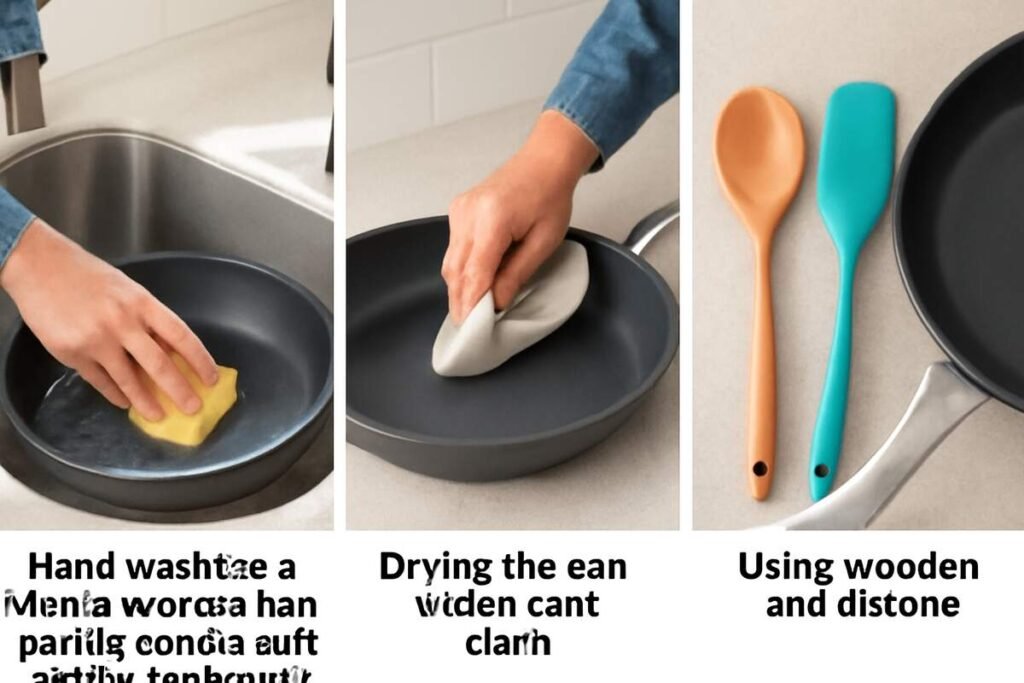
Hand washing is the best way to clean hard anodized cookware. Avoid dishwashers, as their strong detergents and high heat may harm the surface. Use warm water and mild dish soap to remove food residues without scratching.
- Fill the sink with warm, soapy water.
- Let the cookware soak for 10-15 minutes if food is stuck.
- Use a soft sponge or cloth to gently clean the surface.
- Rinse thoroughly with clean water to remove soap residue.
- Dry immediately with a soft towel to prevent water spots.
Do not use steel wool or abrasive pads. These can scratch the hard anodized finish and reduce non-stick qualities. Soft brushes or nylon scrubbers are good alternatives for regular cleaning. Regular hand washing prevents buildup and keeps your cookware in top shape.
Avoiding Harsh Cleaners
Harsh cleaners can damage the hard anodized surface and shorten the cookware’s life. Stay away from bleach, oven cleaners, or strong chemical detergents. These can cause discoloration and corrosion.
Use only gentle dish soaps and natural cleaning agents. Below is a table showing safe vs. unsafe cleaning products:
| Safe Cleaners | Harsh Cleaners to Avoid |
|---|---|
| Mild dish soap | Bleach |
| Baking soda (for stains) | Oven cleaner |
| White vinegar (diluted) | Ammonia |
| Warm water | Abrasive powders |
Test any new cleaner on a small, hidden area first. Avoid products with strong chemicals or abrasives. Using gentle cleaners keeps the surface smooth and non-stick.
Dealing With Stubborn Stains
Stubborn stains or burnt food can be tricky. Avoid scraping with metal tools. Instead, try these gentle methods to remove tough marks without harming the cookware.
- Soak the pan in warm, soapy water for 30 minutes.
- Make a paste from baking soda and water.
- Apply the paste to the stained area and let it sit for 15 minutes.
- Gently scrub with a soft sponge or nylon brush.
- Rinse well and dry immediately.
For very persistent stains, use diluted white vinegar. Pour a small amount on the stain and let it sit for 5-10 minutes. Then clean gently with a sponge. Repeat if needed, but do not soak for too long.
Regular cleaning prevents stains from becoming difficult. Avoid cooking on very high heat, which can cause food to stick and burn. Proper cleaning keeps hard anodized cookware safe and efficient for years.
Proper Cooking Practices
Proper cooking practices are essential to keep hard anodized cookware in excellent condition. This type of cookware is durable and offers great heat distribution, but it needs special care during cooking. Following the right methods can extend its life and keep food tasting great. Understanding how to use utensils, control temperature, and prevent sticking helps maintain the cookware’s non-stick surface and appearance.
Using Suitable Utensils
Hard anodized cookware has a tough surface, but it can still get scratched by the wrong utensils. Using the right tools protects the surface and keeps the cookware looking new. Avoid metal utensils like forks, knives, and spoons that can leave marks or damage the finish.
Best utensils to use include:
- Wooden spoons and spatulas: Gentle and safe for the surface.
- Silicone tools: Heat-resistant and flexible.
- Nylon utensils: Durable and won’t scratch.
Here is a quick guide to utensil types and their effects on hard anodized cookware:
| Utensil Type | Effect on Cookware | Recommendation |
|---|---|---|
| Metal | Can scratch and damage surface | Avoid |
| Wood | Safe and gentle | Use freely |
| Silicone | Heat-resistant, flexible | Ideal |
| Nylon | Durable, no damage | Recommended |
Using the right utensils helps keep the cookware’s surface smooth. This way, cooking stays easy, and cleaning becomes faster.
Temperature Control
Controlling the heat is very important for hard anodized cookware. This material handles heat well but can get damaged if the temperature is too high. Using medium or low heat protects the cookware and cooks food evenly.
Tips for managing temperature:
- Preheat slowly: Heat the pan gradually to avoid warping.
- Avoid high heat: High heat can cause discoloration and damage.
- Use medium to low heat: Best for most cooking tasks.
- Turn off heat early: Residual heat finishes cooking without burning.
The table below shows temperature guidelines for hard anodized cookware:
| Heat Level | Use For | Notes |
|---|---|---|
| Low | Simmering, melting butter | Safe for delicate foods |
| Medium | Sauteing, frying | Best for everyday cooking |
| High | Boiling water only | Use briefly, avoid direct high heat |
Maintaining proper temperature saves energy and helps keep your cookware in top shape. It also prevents food from burning or cooking unevenly.
Preventing Food Sticking
Food sticking to hard anodized cookware is less common but can happen. Proper techniques reduce sticking and make cleanup easier. Using enough oil or butter creates a barrier between food and pan.
Ways to prevent sticking:
- Heat the pan before adding oil: Warm the cookware first to improve non-stick ability.
- Use enough cooking fat: Add oil or butter to coat the surface well.
- Avoid overcrowding: Leave space so food cooks evenly and doesn’t stick.
- Don’t move food too soon: Let it sear and release naturally before flipping.
Follow these simple steps for best results:
- Heat the pan on medium heat for 1-2 minutes.
- Add oil and spread it across the surface.
- Place food gently and cook without disturbing.
- Flip or stir after a good sear forms.
These steps keep food from sticking and protect the surface. Cleaning becomes quick, and the cookware stays durable for years.
Storage Guidelines
Proper storage is essential to keep hard anodized cookware in good shape. These pans have a strong, non-stick surface that can get scratched or damaged if not stored carefully. Following simple storage guidelines helps maintain their appearance and cooking performance for years. Avoiding rough handling and protecting the surface during storage will save money and effort over time.
Stacking Without Damage
Stacking hard anodized cookware saves space but can cause scratches or dents if done carelessly. The non-stick coating is tough but not scratch-proof. Use soft barriers between pans to protect the surfaces. Here are some tips for safe stacking:
- Use pan protectors: Felt or silicone protectors prevent direct contact.
- Place paper towels or cloths: Thin layers cushion pans and absorb moisture.
- Stack by size: Put larger, heavier pans at the bottom and lighter ones on top.
- Avoid overcrowding: Leave some space to prevent pressure and scratches.
The table below shows a simple guide for stacking order:
| Layer | Type of Cookware | Protection Needed |
|---|---|---|
| Bottom | Large skillets and pots | Minimal (base contact) |
| Middle | Medium pans with pan protectors | Felt or silicone liners |
| Top | Small pans or lids | Cloth or paper towels |
Handling each pan gently during stacking and unstacking lowers the risk of damage. Avoid sliding pans against each other. Lift and place carefully.
Protecting The Surface
The surface of hard anodized cookware needs protection from scratches, moisture, and dust. Proper cleaning before storage is important to prevent stains and corrosion. Always dry pans completely before putting them away. Moisture trapped inside can cause rust on metal parts or degrade the finish.
Use these simple methods to protect your pans’ surface:
- Apply a light coat of cooking oil: Rub a small amount on the interior to maintain seasoning.
- Use pan covers or cloth bags: Prevent dust buildup and accidental scratches.
- Avoid stacking without protection: Use pan protectors or soft cloths as barriers.
- Store in a dry place: Humidity can harm the coating and metal parts.
Regular maintenance extends cookware life. Wiping the surface with a soft cloth after each use removes residue. Never use harsh scrubbers or metal utensils that damage the coating. Use only non-abrasive sponges and mild detergents.
Here is a quick care checklist for protecting the surface:
- Clean and dry cookware fully before storage.
- Apply a thin layer of cooking oil inside.
- Use soft covers or cloth bags to shield pans.
- Stack with soft barriers between each piece.
- Store in a cool, dry cabinet or drawer.
Maintenance And Longevity
Proper maintenance and care extend the life of hard anodized cookware. This type of cookware is durable and resistant to scratches. Still, regular upkeep keeps it performing at its best. Knowing how to maintain it helps avoid damage and costly replacements. Following simple steps ensures your cookware stays safe, clean, and ready for cooking.
Periodic Seasoning
Seasoning hard anodized cookware is not always required but can improve its non-stick properties. It creates a thin protective layer that helps food release easily. Here is a simple way to season your cookware:
- Clean the pan thoroughly with warm, soapy water and dry it.
- Heat the pan on low to medium heat for 2-3 minutes.
- Add a small amount of cooking oil (like vegetable or canola oil).
- Spread the oil evenly with a paper towel or cloth.
- Let the pan cool down completely.
- Wipe off any extra oil before storing.
Repeat this seasoning process every few months or after deep cleaning. Seasoning helps reduce sticking and protects the surface from damage. Avoid using too much oil, as this can cause sticky residue buildup.
Inspecting For Wear
Regularly checking your hard anodized cookware keeps it safe and effective. Look for signs that may affect cooking quality or safety. Here are key points to inspect:
- Scratches or chips: Small scratches are normal, but deep chips can expose the metal underneath.
- Warped base: A warped pan does not sit flat and heats unevenly.
- Handle stability: Handles should be secure and free from cracks or looseness.
- Discoloration: Some color changes are normal but avoid heavy staining or spots.
Use a soft sponge or cloth when cleaning to avoid adding damage. Avoid metal utensils that can scratch the surface. If you notice any serious damage, stop using the cookware until repaired or replaced.
When To Replace
Hard anodized cookware can last many years with good care. Still, some signs mean it is time for a replacement. Here are key indicators:
| Sign | Reason | Action |
|---|---|---|
| Deep scratches or chips | Exposes metal that may react with food | Replace to avoid health risks |
| Warped or uneven base | Causes uneven heating and poor cooking | Replace for better cooking performance |
| Loose or broken handles | Unsafe to use; risk of dropping | Replace or repair immediately |
| Persistent food sticking | Surface coating may be worn out | Consider replacement for easy cooking |
Replacing cookware at the right time keeps your kitchen safe and efficient. Keep track of how long you have used each piece. Combining regular maintenance with timely replacement ensures excellent cooking results every time.
Credit: kitchenpluse.com
:max_bytes(150000):strip_icc()/faw-detail-kitchenaid-hard-anodized-induction-10-piece-nonstick-cookware-set-14-wdickey-272-ab10854e2a2e4c37b365f13cc9a1c70e.jpeg)
Credit: www.foodandwine.com
Frequently Asked Questions
How Do I Clean Hard Anodized Cookware Properly?
Clean with warm water, mild soap, and a soft sponge. Avoid abrasive cleaners or steel wool. Dry thoroughly to prevent water spots and maintain the cookware’s finish.
Can I Use Metal Utensils On Hard Anodized Pans?
It’s best to use wooden, silicone, or plastic utensils. Metal tools can scratch the surface, reducing the pan’s non-stick properties and durability.
Is Hard Anodized Cookware Dishwasher Safe?
Most hard anodized cookware is dishwasher safe but hand washing is recommended. Hand washing preserves the finish and extends the cookware’s lifespan.
How Do I Prevent Food From Sticking To Hard Anodized Cookware?
Preheat the pan and add a small amount of oil before cooking. This helps create a natural non-stick surface and makes cleaning easier.
Conclusion
Caring for hard anodized cookware keeps it strong and lasting. Use gentle cleaning tools to avoid scratches. Avoid high heat to protect the coating. Dry your cookware well after washing. Store it carefully to prevent damage. These small steps help your pans stay great.
Enjoy cooking with cookware that works well for years. Simple habits make a big difference in care. Keep your kitchen tools ready for every meal. Easy care leads to better cooking results.

Hello, This is Annie Walker, a 38-year-old blogger, founder, and editor of Cookware Guider from NY, USA. I am a cookware fanatic and passionate cooker. I love to cook with different types of cooking appliances (example: all types of cookware, rice cookers, slow cookers, etc) almost every day in my kitchen. I love to share my experience with my readers in my blog. Also, I enjoy helping people to solve their problems through my website. You can follow me on Twitter & Pinterest. To know details about my blog please check the about us page.