
Choosing the right cookware can change the way you cook—and even how your food tastes. But with so many options out there, it’s easy to feel overwhelmed.
You want pots and pans that suit your cooking style, last a long time, and make cleaning up simple. What if you could find the perfect set that makes every meal easier and more enjoyable? Keep reading, and you’ll discover exactly how to pick cookware that fits your kitchen—and your life—like a glove.
Credit: www.rei.com
Types Of Cookware Materials
Choosing the right cookware material is key to great cooking. Different materials affect heat, taste, and cleaning. Understanding types helps pick what fits your kitchen and style.
Each material has strengths and limits. Some heat fast, others last long. Some need care, others are easy to clean. Knowing these helps you cook better meals.
Stainless Steel
Stainless steel is strong and lasts long. It does not react with food or change flavors. Heat spreads evenly but not as fast as other metals. It works well for boiling and sautéing. Cleaning is easy, and it resists stains.
Nonstick
Nonstick pans stop food from sticking. They need less oil, making cooking healthier. Heat spreads quickly but can wear out with high heat. Use soft utensils to keep the surface safe. Cleaning is simple with just soap and water.
Cast Iron
Cast iron holds heat for a long time. It works great for frying and slow cooking. It adds iron to your food, which is good for health. Needs seasoning to keep it from rusting. Heavy but very durable.
Copper
Copper heats up very fast and cools quickly. It gives precise control over cooking temperature. It changes color and needs polishing to stay shiny. Usually lined with another metal to prevent food reaction. Copper cookware is beautiful and professional.
Aluminum
Aluminum heats up quickly and spreads heat evenly. It is lightweight and easy to handle. It can react with acidic foods unless coated. Often coated with nonstick or anodized for safety. Aluminum is affordable and common in many kitchens.
Matching Cookware To Cooking Styles
Choosing the right cookware depends on your cooking style. Different dishes need different pans and pots. Matching cookware to your cooking style makes cooking easier and tastier. It also helps you cook safely and save time. Below are tips for picking cookware based on common cooking methods.
Searing And Sautéing
Use heavy-bottomed pans for searing and sautéing. Cast iron and stainless steel work best. These materials hold heat well and create a good crust on food. Non-stick pans help cook delicate items like fish or eggs without sticking. Choose pans with a wide, flat surface for even cooking.
Slow Cooking And Braising
Thick, heavy pots are ideal for slow cooking and braising. Dutch ovens and heavy ceramic pots keep heat steady. They also hold moisture, which helps tenderize meat. Look for pots with tight-fitting lids to trap steam. This cookware suits long, slow cooking at low temperatures.
Baking And Roasting
Oven-safe cookware is a must for baking and roasting. Metal pans, glass dishes, and ceramic trays work well. Choose shallow pans for roasting vegetables and meats. Deep dishes are better for casseroles and baked desserts. Ensure your cookware fits your oven size comfortably.
Boiling And Simmering
Use large pots with lids for boiling and simmering. Stainless steel and enamel-coated pots resist corrosion and heat well. A heavy base prevents burning and uneven cooking. Pots with measurement markings inside help track water levels easily. Perfect for soups, pasta, and stocks.
Size And Shape Considerations
Choosing the right size and shape of cookware affects cooking results and kitchen space. Cookware must fit your stove and suit your meals. The correct size helps cook food evenly and saves energy. Shape impacts heat distribution and food handling.
Consider what you cook most. Think about your kitchen storage too. These factors guide your cookware choices.
Pan Diameter And Depth
Pan diameter affects cooking surface area. Larger pans cook more food but need more heat. Smaller pans heat faster and are good for quick meals. Depth matters for different foods. Shallow pans work well for frying. Deep pans hold sauces and stews better.
Pot Volume And Handles
Pot volume determines the amount of food you can cook. Bigger pots are ideal for soups and stocks. Smaller pots suit side dishes or sauces. Handles must be sturdy and easy to grip. Well-placed handles help move pots safely, especially when full.
Specialty Shapes
Specialty cookware shapes serve specific purposes. Woks have high sides for stir-frying. Griddles offer a flat surface for grilling. Oval roasters fit whole chickens or large cuts. Choosing the right shape improves cooking ease and results.
Durability And Maintenance
Durability and maintenance are key factors when choosing cookware. Durable cookware lasts longer and saves money over time. Proper maintenance keeps pots and pans in good shape. This section explains how to care for your cookware and what to expect.
Cleaning Requirements
Some cookware needs gentle cleaning to stay safe. Nonstick pans require soft sponges and mild soap. Avoid abrasive scrubbers that can damage the surface. Stainless steel can handle tougher cleaning but avoid steel wool. Hand washing often extends cookware life more than dishwashers.
Scratch And Warp Resistance
Scratch resistance matters for long-lasting cookware. Hard materials like stainless steel resist scratches well. Nonstick coatings may scratch easily with metal tools. Use wooden or silicone utensils to protect surfaces. Warp resistance keeps pans flat for even cooking. Thick, heavy pans resist warping better than thin ones.
Seasoning And Care Tips
Some cookware needs seasoning to perform well. Cast iron and carbon steel require seasoning to prevent rust. Apply a thin layer of oil and heat it regularly. Avoid soap on seasoned pans to keep the coating intact. Store dry and well-oiled to prevent damage and rust.
Compatibility With Cooktops
Choosing the right cookware depends heavily on the type of cooktop you use. Cookware must match your stove’s heat source for best performance. Using incompatible pots and pans can cause uneven cooking or damage your stove. Understanding different cooktops helps pick the right cookware for your kitchen.
Gas And Electric Stoves
Gas stoves work well with most types of cookware. They heat quickly and show visible flames under the pan. Cookware with a flat bottom fits best on electric stoves. Smooth bottoms ensure even contact with the heating element. Avoid warped or uneven pans on electric stoves. They cause poor heat distribution and longer cooking times.
Induction Cooking
Induction stoves use magnetic fields to heat cookware. Cookware must have a magnetic base to work. Stainless steel and cast iron are good choices. Aluminum or copper pans won’t work unless they have a magnetic layer. Test cookware by placing a magnet on the bottom. If it sticks, the pan is induction-compatible.
Oven Safety
Many cooktops allow cookware to move into the oven. Not all cookware is oven-safe. Check manufacturer labels for temperature limits. Avoid plastic handles or non-stick coatings not rated for oven use. Cast iron, stainless steel, and oven-safe glass usually work well. Oven-safe cookware adds versatility to your kitchen tools.
Credit: www.crateandbarrel.com
Budget And Brand Insights
Choosing cookware means balancing cost and quality. Your budget affects the types of pots and pans you can buy. Brand reputation also plays a big role in your decision. Some brands offer good quality for less money. Others provide premium products that last longer. Knowing your budget helps narrow down options. Understanding brand strengths guides you to reliable cookware.
Affordable Options
Affordable cookware sets suit beginners and casual cooks. These sets use materials like aluminum or stainless steel. They cook food evenly and clean easily. Look for non-stick coatings that last. Affordable brands often include all basic pots and pans. These options save money but still offer good performance. Ideal for small kitchens and light cooking tasks.
Premium Choices
Premium cookware offers durability and superior heat control. Materials include copper, hard-anodized aluminum, and high-grade stainless steel. These pans heat quickly and cook evenly. They resist warping and scratching better. Premium sets often come with longer warranties. Perfect for serious cooks who need reliable tools. Expect a higher price but better cooking results.
Trusted Brands
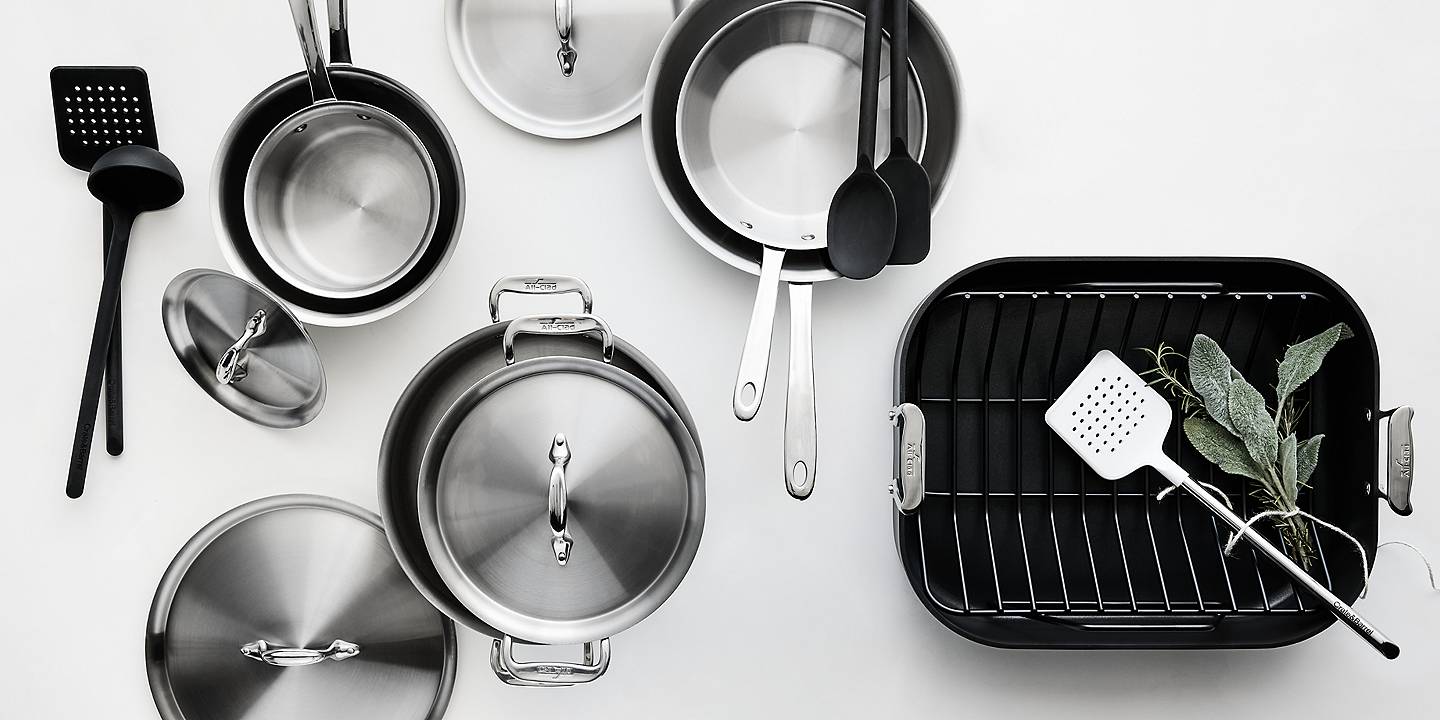
Trusted brands build cookware with consistent quality. They use tested materials and follow strict standards. Brands like All-Clad, Calphalon, and T-fal are well known. They offer good warranties and customer service. Buying from trusted brands reduces risk of poor quality. Their products often hold value over time. Choose brands with positive reviews and proven history.
Essential Cookware Pieces
Choosing the right cookware makes cooking easier and more fun. Certain pieces serve most cooking needs. These essential cookware items fit many recipes and styles.
Each piece has a special role in the kitchen. Knowing their uses helps pick the best set for daily cooking.
Frying Pan
The frying pan is perfect for quick cooking tasks. It works well for frying eggs, sautéing vegetables, and searing meat. A non-stick surface helps cook with less oil. Choose a pan with a sturdy handle for safe use. Sizes vary, but a 10-inch pan suits most kitchens.
Saucepan
A saucepan is ideal for making sauces, boiling pasta, and cooking grains. It has high sides to hold liquids and prevent spills. Look for a lid to trap heat and speed cooking. A medium size, around 2 to 3 quarts, fits many recipes. Stainless steel or non-stick materials are good choices.
Stockpot
The stockpot handles large meals and liquids well. It is perfect for soups, stews, and boiling large amounts of water. Tall sides and a wide base allow even heat. Pick a pot with a secure lid to keep moisture in. Sizes from 6 to 8 quarts work for families and batch cooking.
Baking Dish
A baking dish is useful for oven-cooked meals like casseroles and roasted vegetables. Glass or ceramic dishes distribute heat evenly. Choose a size that fits your oven and serving needs. Look for a shape that suits your recipes, such as rectangular or square. Handles or rims make it easier to carry hot dishes.

Credit: aviasworld.com
Frequently Asked Questions
What Materials Are Best For Durable Cookware?
Stainless steel and cast iron are top choices for durability. They resist scratches and high heat, lasting years. Non-stick coatings suit easy cleaning but wear out faster. Consider your cooking style and maintenance preferences when choosing materials.
How To Pick Cookware For Different Cooking Styles?
Choose non-stick for low-fat cooking and easy cleanup. Stainless steel suits searing and browning. Cast iron retains heat, perfect for slow cooking. Match cookware type to your favorite recipes for best results.
Is Cookware Size Important For Cooking Efficiency?
Yes, selecting the right size ensures even cooking and saves energy. Use smaller pans for single servings, larger pots for families. Proper size prevents food overcrowding and improves heat distribution.
Can Cookware Affect Food Health And Safety?
Absolutely, avoid cookware with harmful chemicals like PFOA or lead. Opt for FDA-approved, non-toxic materials. Properly maintained stainless steel and cast iron are safe and healthy for daily use.
Conclusion
Choosing the right cookware makes cooking easier and more fun. Think about what you cook most and how often you cook. Pick materials that suit your stove and fit your budget. Good cookware lasts long and helps food cook evenly.
Take care of your pots and pans to keep them working well. With the right tools, your meals will taste better every time. Start with basics and add pieces as you go. Enjoy cooking with cookware that feels just right for you.

Hello, This is Annie Walker, a 38-year-old blogger, founder, and editor of Cookware Guider from NY, USA. I am a cookware fanatic and passionate cooker. I love to cook with different types of cooking appliances (example: all types of cookware, rice cookers, slow cookers, etc) almost every day in my kitchen. I love to share my experience with my readers in my blog. Also, I enjoy helping people to solve their problems through my website. You can follow me on Twitter & Pinterest. To know details about my blog please check the about us page.