
You love your porcelain cast iron cookware because it cooks evenly and looks beautiful in your kitchen. But cleaning it can sometimes feel tricky, right?
If you’re worried about damaging that glossy finish or struggling to remove stubborn stains, you’re not alone. Imagine having a simple, step-by-step way to keep your cookware spotless and shining like new every time. You’ll discover easy tips and tricks that make cleaning your porcelain cast iron cookware quick and stress-free.
Ready to bring back that sparkle and protect your favorite kitchen tool? Let’s get started!
:max_bytes(150000):strip_icc()/cleaning-enamel-cast-iron-cookware-getty-0223-2000-89e59c29e15f467c9556873a6741073d.jpg)
Credit: www.marthastewart.com
Choosing The Right Cleaning Tools
Choosing the right cleaning tools is important for porcelain cast iron cookware. The right tools protect the cookware’s surface. This helps keep it looking new and lasting longer. Using the wrong tools can cause scratches or damage. It also makes cleaning harder.
Below are some good tools to use and what to avoid.
Soft Sponges And Cloths
Soft sponges and cloths clean gently without scratching. They remove food residue easily. Use a sponge with a smooth side for delicate surfaces. Microfiber cloths work well for wiping and drying. Avoid rough or scratchy sponges that can harm the porcelain finish.
Non-abrasive Scrubbers
Non-abrasive scrubbers help with stuck-on food. They clean tough spots without damaging the surface. Look for scrubbers made for delicate cookware. Nylon scrubbers are a safe option. Avoid steel wool or harsh brushes that can scratch the enamel.
Avoiding Metal Utensils
Metal utensils can scratch and chip the porcelain. Use wooden, silicone, or plastic tools instead. These materials are soft and safe on the cookware surface. Avoid scraping with knives or forks while cleaning. This protects the enamel coating and keeps cookware looking good.
Daily Cleaning Routine
Keeping your porcelain cast iron cookware clean daily helps it last longer. A simple routine prevents stains and damage. Clean your cookware right after use to avoid stuck-on food. Use gentle methods to keep the enamel shiny and smooth.
Hand Washing With Mild Soap
Always wash your cookware by hand. Use warm water and mild soap. Avoid harsh detergents or abrasive scrubbers. Soft sponges or cloths work best. Gently clean the surface to remove food and grease. This method protects the enamel coating from scratches.
Rinsing And Drying Properly
Rinse your cookware well to remove soap residue. Leftover soap can dull the finish. Dry your cookware immediately after rinsing. Use a soft towel to prevent water spots. Proper drying stops rust on exposed cast iron edges.
Removing Stubborn Stains
Stubborn stains on porcelain cast iron cookware can spoil its look and cause frustration. These marks often come from burnt food or mineral buildup. Removing them takes gentle care to protect the cookware’s surface. Simple household ingredients can help lift tough stains without harsh scrubbing. Follow these easy methods to keep your cookware clean and bright.
Soaking Techniques
Fill the cookware with warm water. Add a small amount of mild dish soap. Let it soak for 15 to 30 minutes. This softens stuck-on food and stains. After soaking, use a soft sponge to wipe gently. Avoid metal scrubbers that can scratch the surface. Repeat soaking if stains remain strong.
Using Baking Soda Paste
Make a paste using baking soda and water. Apply the paste directly on stained areas. Let it sit for 10 to 15 minutes. Baking soda helps break down stains naturally. Use a soft cloth or sponge to rub the paste gently. Rinse well with warm water to remove all residue. This method works well on light to medium stains.
Cleaning With Vinegar
Pour white vinegar into the cookware to cover stains. Heat it on low for a few minutes. Vinegar helps dissolve mineral deposits and food stains. Turn off the heat and let it cool. Use a soft brush or cloth to scrub gently. Rinse thoroughly with warm water. Vinegar is safe and effective for tough stains.
Tackling Burnt Food Residue
Burnt food residue on porcelain cast iron cookware can be tough to clean. It sticks hard and looks unpleasant. Removing this residue needs care to protect the cookware’s surface. Use safe, gentle methods to bring back the shine and cleanliness.
Boiling Water Method
Fill the cookware with water. Heat it on the stove until it boils. Boiling water loosens burnt food stuck to the surface. Let it boil for 10 to 15 minutes. Turn off the heat and let the water cool. After cooling, pour out the water. The burnt pieces should be soft and easy to remove.
Gentle Scraping Tips
Use a wooden or plastic scraper. Avoid metal tools that can scratch the enamel. Gently scrape the burnt food residue. Do not use too much force. Scrape in small, careful motions. Wipe the loosened residue with a soft cloth or sponge. Repeat scraping if needed. This method keeps the enamel safe and clean.
Maintaining The Porcelain Finish
Maintaining the porcelain finish on cast iron cookware keeps it looking new and performing well. The porcelain coating protects the metal and adds a smooth surface for cooking. Careful handling helps avoid chips and cracks in the finish. Small steps can extend the life of your cookware.
Avoiding Thermal Shock
Thermal shock happens when the cookware heats or cools too fast. This can crack the porcelain finish. Do not put hot cookware into cold water. Let it cool down before cleaning. Avoid placing cold food into a hot pan. These actions protect the enamel surface from damage.
Storing Cookware Safely
Store porcelain cast iron carefully to prevent scratches and chips. Use soft cloth or paper towels between stacked pans. Hang cookware if possible to avoid contact. Keep lids separate or with padding to stop marks. Proper storage preserves the smooth finish and keeps the cookware safe.

Credit: www.lodgecastiron.com
Preventing Common Damage
Porcelain cast iron cookware is strong but needs care to last long. Preventing common damage helps keep the cookware beautiful and useful. Small steps protect the enamel and avoid costly repairs. Handle with care and use the right tools to avoid problems.
Handling Chips And Cracks
Chips and cracks happen from dropping or hitting hard surfaces. Always lift the cookware instead of dragging it. Use padded surfaces when placing the pot or pan down. Check the cookware regularly for small chips. Small cracks can grow bigger if ignored. Avoid using damaged cookware on high heat to prevent worse damage.
Proper Use Of Utensils
Metal utensils can scratch and damage the enamel. Choose wooden, silicone, or plastic utensils for cooking. Avoid sharp tools that can chip the surface. Stir gently to protect the enamel coating. Do not cut food inside the cookware. Proper utensil use keeps the surface smooth and clean longer.
Using Natural Cleaners Safely
Cleaning porcelain cast iron cookware with natural cleaners protects its finish. These cleaners avoid harsh chemicals that can damage the enamel surface. Using natural ingredients also keeps your kitchen safe and eco-friendly.
Always test a small area first to ensure no reaction occurs. Use gentle scrubbing tools like soft cloths or non-abrasive sponges. Avoid steel wool or harsh brushes that can scratch the enamel.
Lemon Juice Applications
Lemon juice works well to remove stains and brighten the cookware. Its natural acid breaks down food residue without harming the surface. Apply lemon juice to the stained area and let it sit for 10 minutes. Then, scrub gently with a soft sponge and rinse with warm water. Repeat if needed for stubborn spots.
Salt As A Scrubbing Agent
Coarse salt acts as a mild abrasive to lift stuck-on food. Sprinkle salt over the damp cookware surface and scrub with a soft cloth. This method cleans without scratching the porcelain finish. Rinse thoroughly to remove all salt particles. Salt also deodorizes and refreshes the cookware naturally.
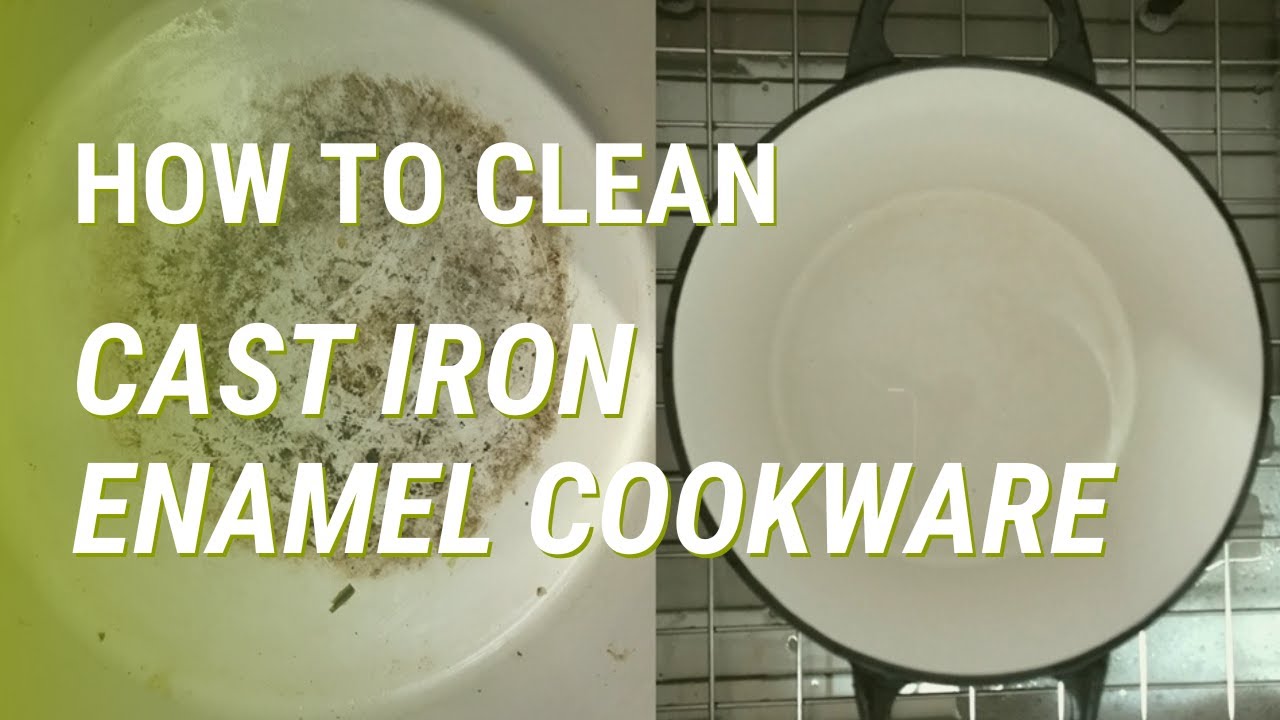
Credit: www.youtube.com
Frequently Asked Questions
How Do I Clean Burnt Food From Porcelain Cast Iron?
Soak the cookware in warm, soapy water for 15 minutes. Use a non-abrasive sponge to scrub gently. Avoid metal scrubbers to protect the enamel surface.
Can I Use Dishwasher For Porcelain Cast Iron?
Hand washing is recommended. Dishwashers can dull the enamel and cause chipping over time. Use mild detergent and soft sponges for best results.
What Is The Best Cleaner For Porcelain Cast Iron?
Use mild dish soap and warm water for daily cleaning. For tough stains, baking soda mixed with water works well. Avoid harsh chemicals or abrasive cleaners.
How To Remove Rust From Porcelain Cast Iron Cookware?
Light rust can be scrubbed off with a paste of baking soda and water. Rinse and dry thoroughly. Prevent rust by avoiding prolonged moisture exposure.
Conclusion
Cleaning porcelain cast iron cookware takes care and patience. Use gentle tools and mild soap to keep the surface safe. Avoid harsh scrubbing to protect the enamel finish. Dry your cookware well to stop rust from forming. Regular cleaning helps your cookware last a long time.
A clean pan cooks better and looks great too. Small steps make a big difference in care. Keep these tips in mind for easy, safe cleaning. Your cookware will stay beautiful and ready for every meal.

Hello, This is Annie Walker, a 38-year-old blogger, founder, and editor of Cookware Guider from NY, USA. I am a cookware fanatic and passionate cooker. I love to cook with different types of cooking appliances (example: all types of cookware, rice cookers, slow cookers, etc) almost every day in my kitchen. I love to share my experience with my readers in my blog. Also, I enjoy helping people to solve their problems through my website. You can follow me on Twitter & Pinterest. To know details about my blog please check the about us page.