
Are you ready to take your cooking to the next level? Belgique Cookware is designed to make your time in the kitchen easier, faster, and more enjoyable.
Whether you’re a beginner or a seasoned cook, knowing how to use your Belgique Cookware properly can transform your meals and impress everyone at the table. You’ll discover simple tips and tricks to get the most out of your cookware.
Keep reading, and you’ll soon find yourself cooking like a pro with tools made just for you.
Credit: www.arloren.com
Choosing Belgique Cookware
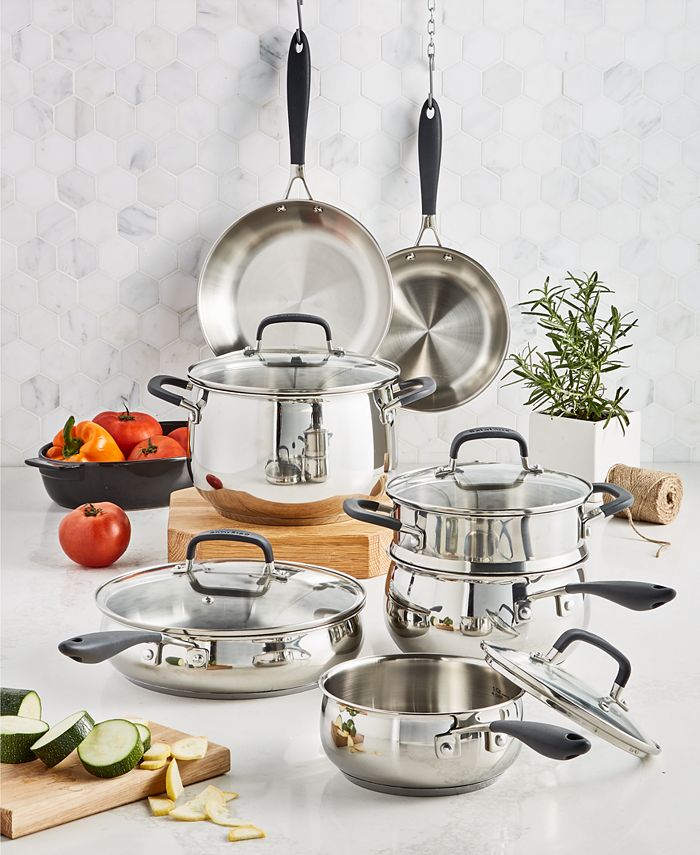
Choosing the right Belgique cookware can make cooking easier and more enjoyable. This brand offers many options that fit different cooking styles. Knowing what to pick helps you cook better meals and saves time in the kitchen. Below are key points to consider when choosing Belgique cookware.
Types Of Cookware Available
Belgique cookware includes pots, pans, and specialty items. There are frying pans, saucepans, stockpots, and griddles. Each type serves a different cooking need. Frying pans are great for sautéing and frying. Sauce pans work well for sauces and boiling. Stockpots are ideal for soups and stews. Griddles help with pancakes and grilled sandwiches.
Materials And Their Benefits
Belgique cookware comes in various materials. Stainless steel is strong and resists rust. It heats evenly and cleans easily. Cast iron holds heat well for slow cooking. Non-stick pans reduce the need for oil. They make cooking and cleaning simple. Aluminum heats quickly and is lightweight. Each material suits different cooking styles and foods.
Selecting The Right Pieces
Choose cookware based on your cooking habits. Pick a few essential pots and pans first. A medium frying pan and a saucepan are good starts. Add larger pots if you cook for many people. Consider the materials that match your needs. Think about the size and weight of each piece. Make sure they fit your stove and storage space.

Credit: breezeresidency.com
Preparing Your Cookware
Preparing your Belgique cookware properly ensures better cooking results and longer life. Taking time to care for your pans before use helps keep them in great shape. Follow these simple steps to get started right.
Seasoning And Care Tips
Some Belgique cookware benefits from seasoning. This process adds a natural non-stick layer. Lightly coat the surface with cooking oil. Heat the pan gently on low for 10-15 minutes. Let it cool, then wipe off excess oil. Repeat this every few uses. Seasoning keeps food from sticking and protects the surface.
Cleaning Before First Use
Always clean new cookware before cooking. Use warm water and mild soap. Avoid harsh chemicals or abrasive scrubbers. Rinse well to remove soap residue. Dry completely with a soft cloth. This removes factory dust and protects the finish.
Maintaining Non-stick Surfaces
Non-stick surfaces need gentle care. Use wooden or silicone utensils only. Avoid metal tools that can scratch. Wash by hand with a soft sponge. Do not use dishwasher detergents or steel wool. Store pans carefully to avoid damage. Proper care keeps non-stick surfaces smooth and effective.
Cooking Techniques With Belgique
Belgique cookware offers great versatility for many cooking styles. Its design helps control heat well. This allows you to try different cooking methods with ease. Each technique brings out unique flavors and textures in your food. Let’s explore some popular methods to use with Belgique cookware.
Searing And Browning
Start with a hot pan to get a good sear. Belgique cookware heats evenly, so food cooks uniformly. Use a little oil to prevent sticking. Place meat or vegetables without crowding the pan. Let them sit until a brown crust forms. This locks in juices and adds flavor. Flip only once for best results.
Simmering And Stewing
Use lower heat settings for simmering and stewing. Belgique pots keep heat steady over long cooking times. Add liquids like broth or sauce to cover ingredients. This helps soften tougher cuts of meat and vegetables. Stir occasionally to avoid sticking. Slow cooking lets flavors blend deeply.
Baking And Roasting
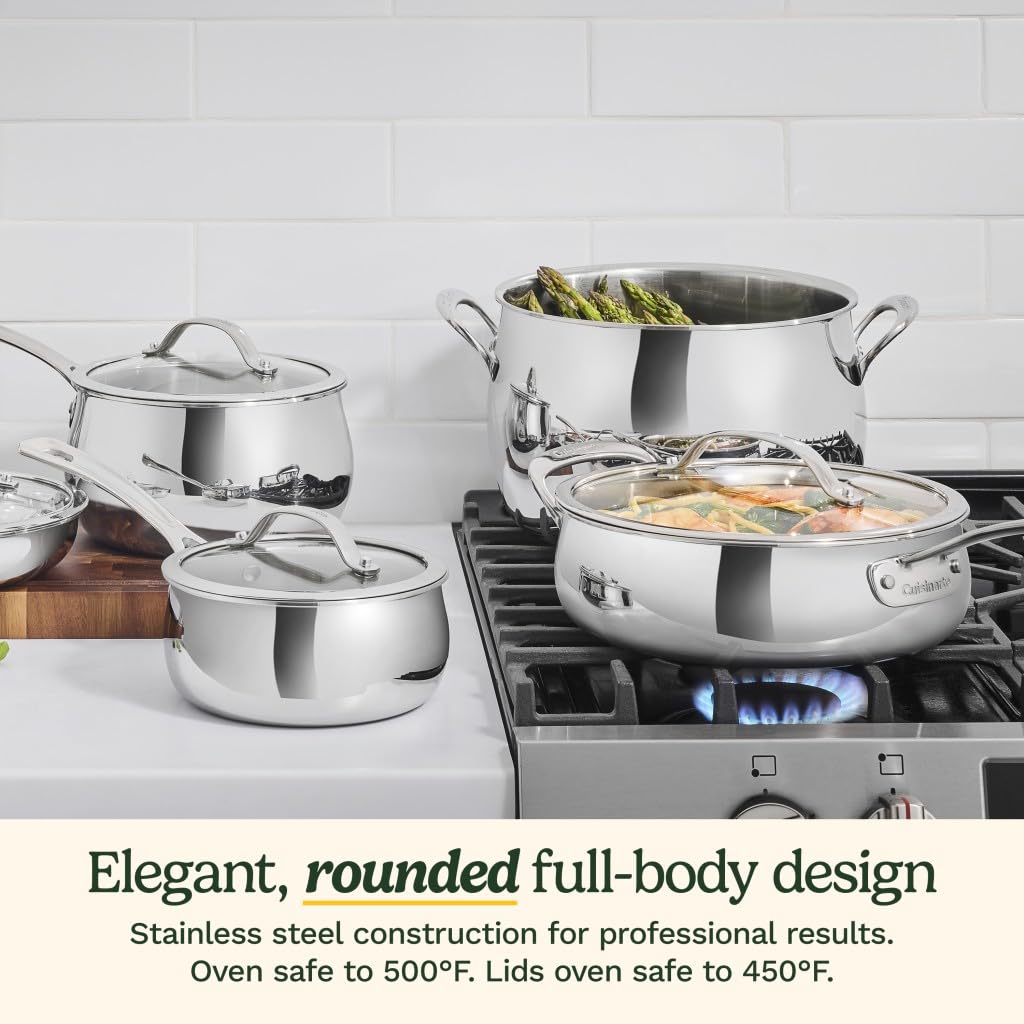
Belgique cookware can go from stove to oven easily. Use it to bake casseroles or roast meats and vegetables. The cookware distributes heat evenly for consistent cooking. Preheat the oven to the right temperature first. Check food regularly to avoid overcooking. This method creates crispy edges and tender centers.
Credit: breezeresidency.com
Heat Management Tips
Managing heat properly is key to getting the best results from your Belgique cookware. This cookware is designed to distribute heat evenly, but controlling the temperature ensures your food cooks perfectly. Using the right heat helps protect the cookware and keeps your meals tasty.
Ideal Temperature Settings
Set your stove to medium or low heat for most cooking tasks. Belgique cookware heats quickly and holds temperature well. High heat can cause food to burn or stick. Use medium heat for sautéing and low heat for simmering sauces. This balance saves energy and keeps food moist.
Avoiding Overheating
Do not leave empty cookware on a hot stove. Overheating can damage the surface and reduce its lifespan. Watch the cookware closely when heating. Remove it from heat if it starts smoking or smells burnt. Use a timer to avoid cooking too long on high heat.
Using Compatible Heat Sources
Belgique cookware works well with gas, electric, and induction stoves. Check your cookware’s base for compatibility symbols. Avoid direct flame on glass or ceramic cooktops. Use burners that match the size of your cookware. This prevents heat loss and protects your stove.
Enhancing Meal Flavors
Cooking with Belgique cookware can make your meals taste better. This cookware keeps heat even and steady. It helps bring out the real flavors of your food. You can make simple dishes taste richer and more delicious. Let’s explore easy ways to enhance meal flavors using Belgique cookware.
Using Proper Oils And Fats
Choose oils and fats that suit your recipe. Olive oil adds a fresh, fruity taste. Butter gives a creamy, rich flavor. Use oils that handle heat well for frying. Belgique cookware holds heat well, so use fats carefully. Too much heat can burn oils and change taste.
Layering Ingredients
Add ingredients in steps to build flavor. Start with onions or garlic to create a base. Add spices early to release aroma. Put in vegetables or meat later to keep texture. Belgique cookware helps cook each layer evenly. This process deepens the taste of your dish.
Timing And Temperature Control
Control heat to avoid burning or undercooking. Belgique cookware spreads heat evenly for better control. Cook on medium heat for steady cooking. Lower heat for slow simmering to blend flavors. Remove food at the right time for best taste. Proper timing keeps food juicy and tasty.
Cleaning And Storage
Cleaning and storing your Belgique cookware properly keeps it in great shape. Proper care helps your pots and pans last longer. It also keeps food tasting fresh and pure. Follow these simple steps to clean and store your cookware safely and smartly.
Safe Washing Practices
Wash Belgique cookware soon after use. Use warm water and mild soap. Avoid harsh detergents that can damage the surface. Use a soft sponge or cloth to clean gently. Do not use steel wool or abrasive pads. Hand washing is best for most pieces. Dry cookware completely with a soft towel to stop rust.
Preventing Damage
Avoid sudden temperature changes to prevent warping. Do not put hot cookware in cold water. Use wooden or silicone utensils to protect non-stick surfaces. Never stack cookware without protection between pieces. Avoid metal tools that can scratch the finish. Check handles and lids regularly for tightness. Fix loose parts quickly to avoid accidents.
Best Storage Solutions
Store cookware in a dry, cool place. Use rack shelves or hooks to save space. Place soft cloth or paper between stacked pans. Keep lids separate or upside down to avoid damage. Avoid overcrowding to maintain shape and finish. Proper storage keeps your cookware ready for use anytime.
Troubleshooting Common Issues
Cooking with Belgique cookware is a joy, but small problems can happen. These issues may slow you down or affect your food. Knowing how to fix common problems helps keep your cookware in top shape. Here are simple solutions for common troubles.
Removing Stubborn Stains
Stains from food or heat can make your cookware look dull. Use baking soda and water to form a paste. Rub the paste gently on the stains with a soft cloth. Let it sit for 15 minutes, then rinse with warm water. Repeat if needed. Avoid harsh scrubbing to protect the surface.
Fixing Warped Cookware
Warped cookware does not sit flat on the stove. Heat the pan with low flame for a few minutes. Then cool it quickly by placing it on a cold surface. This may help the metal return to shape. If warping stays, try pressing the cookware gently on a flat surface. Avoid heavy force that might cause cracks.
Handling Scratches And Chips
Scratches and chips happen from regular use. Light scratches can be polished with a soft cloth and a small amount of mineral oil. For deeper scratches, use a non-abrasive cleaner. Chips on the cookware surface may affect cooking. Avoid cooking with chipped parts to prevent food contamination. Replace cookware if damage is severe.
Frequently Asked Questions
What Materials Are Used In Belgique Cookware?
Belgique cookware is made from high-quality stainless steel and aluminum. These materials ensure even heat distribution and durability. The non-stick coating enhances cooking performance and makes cleaning easier. This combination provides excellent heat retention and resistance to warping, ideal for everyday cooking.
How Do I Clean Belgique Cookware Properly?
To clean Belgique cookware, use warm soapy water and a soft sponge. Avoid abrasive cleaners to protect the non-stick surface. For stubborn residues, soak the cookware before washing. Hand washing is recommended to prolong the cookware’s lifespan and maintain its appearance.
Can Belgique Cookware Be Used On Induction Cooktops?
Yes, Belgique cookware is compatible with induction cooktops. Its magnetic stainless steel base allows efficient heat transfer on induction surfaces. This versatility makes Belgique cookware suitable for all stove types, including gas, electric, ceramic, and induction.
Is Belgique Cookware Oven Safe?
Belgique cookware is oven safe up to 450°F (232°C). Always check the manufacturer’s guidelines for specific temperature limits. The cookware’s sturdy construction allows seamless transition from stovetop to oven, enhancing cooking flexibility for various recipes.
Conclusion
Cooking with Belgique cookware brings ease and joy to your kitchen. These tools heat food evenly and clean up quickly. Use simple tips to care for your pots and pans. Enjoy making meals that taste great and look nice. Try different recipes to see how Belgique works best.
Cooking can be fun and stress-free with the right cookware. Keep practicing and discover new ways to prepare your favorite dishes. Your kitchen time will become more enjoyable every day.

Hello, This is Annie Walker, a 38-year-old blogger, founder, and editor of Cookware Guider from NY, USA. I am a cookware fanatic and passionate cooker. I love to cook with different types of cooking appliances (example: all types of cookware, rice cookers, slow cookers, etc) almost every day in my kitchen. I love to share my experience with my readers in my blog. Also, I enjoy helping people to solve their problems through my website. You can follow me on Twitter & Pinterest. To know details about my blog please check the about us page.