
If you love cooking, you probably have silicone cookware in your kitchen. It’s flexible, non-stick, and easy to use.
But when it comes to cleaning, silicone can feel tricky. How do you get rid of stubborn stains and grease without damaging your favorite pans? You’re about to discover simple, effective ways to clean your silicone cookware so it looks and works like new.
Keep reading, and you’ll never worry about silicone cleanup again.
Choosing The Right Cleaning Tools
Choosing the right tools to clean silicone cookware is key. The wrong tools can damage the surface and reduce its life. Using gentle tools keeps your cookware safe and clean. Here are some tips on what to use and what to avoid.
Soft Sponges And Brushes
Soft sponges work well on silicone surfaces. They clean without scratching or harming the material. Brushes with soft bristles are also good for reaching corners. These tools remove food residue gently and effectively. Choose sponges and brushes made from soft materials only.
Avoiding Abrasive Materials
Abrasive scrubbers can ruin silicone cookware. Steel wool and rough pads create scratches. These scratches trap dirt and germs easily. Avoid harsh cleaning tools to keep your cookware smooth. Stick to soft cleaning tools for best results.

Credit: cooking.stackexchange.com
Basic Cleaning Steps
Cleaning silicone cookware is simple and quick. Following basic steps keeps your items clean and safe for cooking. These steps remove food residue and stains effectively. Regular cleaning also helps maintain the silicone’s flexibility and color.
Rinsing Off Residue
Start by rinsing the silicone cookware under warm water. This removes loose food bits and grease. Use your hand or a soft cloth to gently wipe away stuck particles. Avoid harsh scrubbing that can damage the silicone surface.
Using Mild Dish Soap
Add a few drops of mild dish soap to warm water. Use a soft sponge or cloth to clean the cookware. Focus on areas with grease or stains. Rinse thoroughly with warm water to remove all soap. Dry with a clean towel or let air dry before storing.
Removing Stubborn Stains
Stubborn stains on silicone cookware can be tough to remove. These marks happen from burnt food, oils, or color from sauces. Cleaning them right keeps your cookware looking new and ready for use.
Simple kitchen ingredients work well to remove these stains safely. Two easy methods use baking soda and vinegar. Both are gentle yet effective on silicone surfaces.
Baking Soda Paste Method
Make a thick paste with baking soda and water. Spread the paste over the stained areas. Let it sit for 15 to 30 minutes. Gently scrub with a soft sponge or cloth. Rinse with warm water and dry. Repeat if stains remain.
Vinegar Soak Technique
Fill a basin with equal parts white vinegar and warm water. Soak your silicone cookware for 30 minutes. The vinegar breaks down tough stains and odors. After soaking, scrub lightly with a sponge. Rinse well and air dry. This method freshens and cleans deeply.
:max_bytes(150000):strip_icc()/how-to-clean-silicone-5073237-Hero-01-7e9d3ab7fb8a40b291a018cec961d410.jpg)
Credit: www.thespruce.com
Dealing With Odors
Silicone cookware sometimes holds onto smells from food. These odors can make your kitchen less fresh. Removing these smells is easy with natural methods. Use simple ingredients found in your home. These ways keep your cookware clean and smelling nice.
Lemon Juice Rinse
Lemon juice works well to remove odors from silicone. The natural acids break down smell-causing residues. Squeeze fresh lemon juice into a bowl. Add warm water and mix well. Soak your silicone cookware in the mix for 30 minutes. Rinse thoroughly with clean water after soaking. The lemon scent leaves your cookware fresh.
Sun Drying For Freshness
Sunlight helps remove odors and bacteria. After washing, place silicone cookware outside in the sun. Let it dry completely in direct sunlight. The sun’s rays kill odor-causing germs naturally. This method also helps keep your cookware dry and fresh. Avoid moisture build-up that causes bad smells.
Cleaning Silicone Bakeware
Cleaning silicone bakeware is simple and keeps your kitchen tools lasting longer. These flexible pans resist stains and odors, making cleanup easy. Proper care ensures your silicone stays soft and safe for baking.
Follow some key steps to keep your bakeware in top shape. Avoid damage and maintain its non-stick surface with gentle cleaning methods. This helps your silicone pans perform well every time.
Avoiding Warping
Silicone bakeware can warp if exposed to sudden heat changes. Let the pans cool before washing. Avoid putting hot silicone directly into cold water. Use warm water and mild soap to clean. Do not scrub with harsh brushes or abrasive pads.
Proper Drying Tips
Dry silicone bakeware thoroughly after washing. Shake off excess water and use a soft cloth. Air drying on a rack works well too. Make sure no moisture stays in corners or creases. Proper drying prevents mold and keeps your pans fresh.
Preventing Future Buildup
Preventing buildup on silicone cookware keeps it clean and safe to use. It also helps maintain the cookware’s flexibility and color. Simple daily steps stop grease and food from sticking and hardening. These small habits save time and effort during deep cleaning.
Regular Maintenance Routine
Wash silicone cookware after each use with warm soapy water. Use a soft sponge or cloth to avoid scratches. Rinse thoroughly to remove all soap. Dry completely before storing to prevent moisture buildup. Occasionally, soak the cookware in a mix of water and vinegar. This removes any stubborn residues and odors. Avoid harsh scrubbers or strong chemicals that can damage silicone.
Storage Best Practices
Store silicone cookware in a cool, dry place. Keep it away from direct sunlight to prevent fading. Avoid stacking heavy items on top to maintain shape. Place a paper towel between stacked pieces to absorb moisture. Ensure the cookware is fully dry before putting it away. Proper storage reduces dust and grease buildup over time. This keeps your silicone cookware ready for the next use.
When To Replace Silicone Cookware
Silicone cookware lasts a long time but does not last forever. Knowing when to replace it helps keep your kitchen safe and your food healthy. Regular checks can spot problems early. Replace silicone cookware that shows clear signs of damage. This way, you avoid any risk to your meals or health.
Signs Of Wear And Tear
Look for cracks or tears in the silicone. These can trap food and bacteria. Discoloration or a sticky surface also means it is time to replace. Warping or loss of flexibility shows the silicone is breaking down. If the cookware smells strange or off, do not use it anymore. These signs mean the silicone is no longer safe or effective.
Safety Considerations
Old or damaged silicone can release harmful chemicals when heated. Avoid using cookware that peels or crumbles. Soft spots or holes increase the risk of leaks and burns. Always check the manufacturer’s guidelines for lifespan advice. Using safe cookware protects your health and cooking results. Replace silicone cookware to keep your kitchen safe and clean.
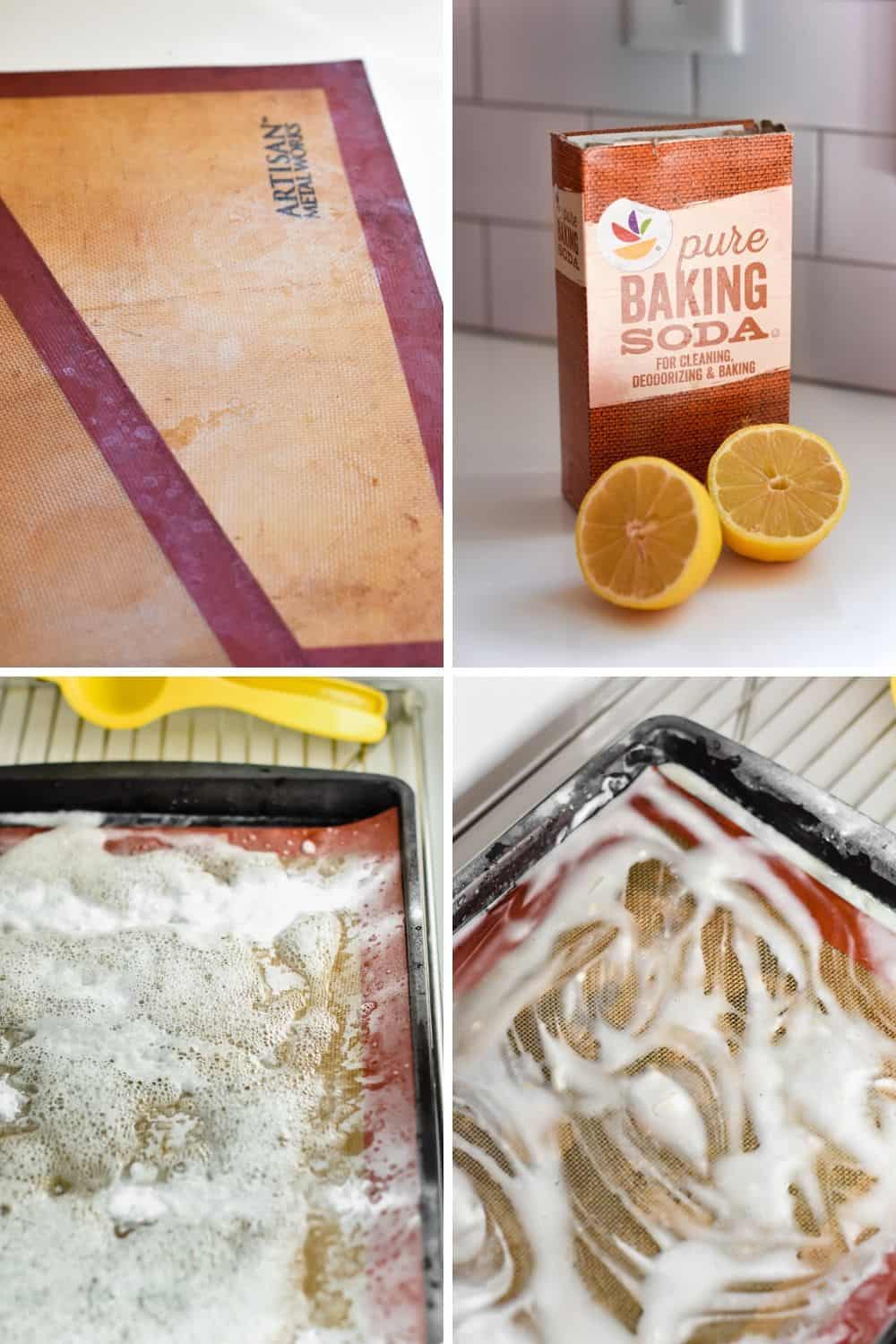
Credit: stressbaking.com
Frequently Asked Questions
How Do I Remove Stains From Silicone Cookware?
To remove stains, soak the silicone cookware in warm soapy water. Use a soft sponge to scrub gently. For tough stains, apply a paste of baking soda and water. Rinse thoroughly and air dry to restore its original appearance.
Can I Use Dishwasher To Clean Silicone Cookware?
Yes, most silicone cookware is dishwasher safe. Place it on the top rack for best results. Avoid harsh detergents to prevent damage. Always check manufacturer instructions to ensure dishwasher compatibility and maintain the cookware’s quality.
What Household Items Clean Silicone Cookware Effectively?
White vinegar, baking soda, and mild dish soap clean silicone cookware well. Vinegar removes odors, baking soda tackles stains, and soap handles grease. Use warm water and a soft cloth for best cleaning results without scratching.
How To Prevent Silicone Cookware From Retaining Odors?
To prevent odors, clean silicone cookware immediately after use. Soak it in a mixture of vinegar and water occasionally. Avoid cooking strong-smelling foods for prolonged periods. Proper drying and storage also help keep odors away.
Conclusion
Cleaning silicone cookware is simple and saves you time. Use warm soapy water and a soft cloth or sponge. Avoid harsh scrubbers that can damage the surface. For tough stains, soak your cookware before scrubbing gently. Dry it well to keep it in good shape.
Regular care keeps silicone cookware safe and lasting longer. Enjoy cooking with clean, easy-to-maintain tools every day.

Hello, This is Annie Walker, a 38-year-old blogger, founder, and editor of Cookware Guider from NY, USA. I am a cookware fanatic and passionate cooker. I love to cook with different types of cooking appliances (example: all types of cookware, rice cookers, slow cookers, etc) almost every day in my kitchen. I love to share my experience with my readers in my blog. Also, I enjoy helping people to solve their problems through my website. You can follow me on Twitter & Pinterest. To know details about my blog please check the about us page.