
Burnt stainless steel cookware can be frustrating and tough to clean. You might think your favorite pots and pans are ruined, but that’s not true.
With the right methods, you can restore their shine and make them look almost new again. You’ll discover simple, effective ways to tackle burnt stains without harsh scrubbing or expensive products. Keep reading, and you’ll learn how to save your cookware and cook with confidence every time.
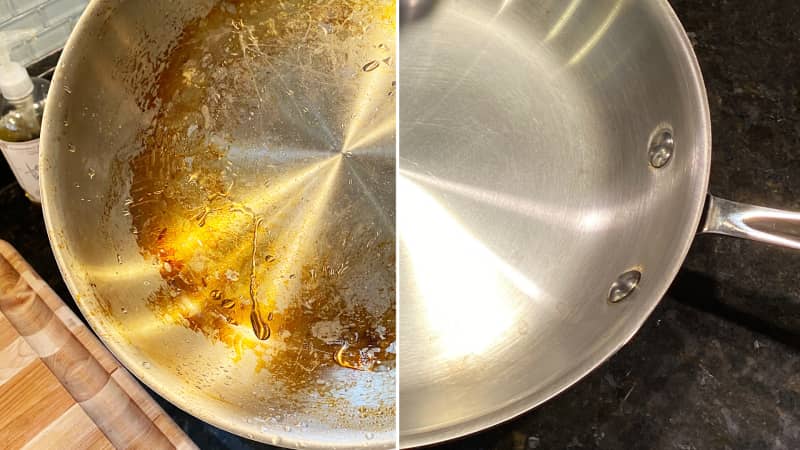
Credit: www.americastestkitchen.com
Causes Of Burnt Stainless Steel Cookware
Burnt stainless steel cookware is a common problem in many kitchens. Understanding why it happens helps prevent damage and keeps your pots and pans looking good. Burn marks occur when food or liquids overheat and stick tightly to the surface.
Several factors cause this burning. Some relate to how you cook, while others depend on the cookware itself. Knowing these causes allows you to take better care of your kitchen tools.
High Heat Exposure
Using very high heat is a main cause of burnt cookware. Stainless steel heats quickly and holds heat well. Too much heat can cause food to burn fast and stick to the surface.
Cooking Without Enough Oil
Not using enough oil or butter leads to burning. Oil creates a barrier between food and pan. Without it, food directly touches the hot surface and sticks.
Leaving Food Unattended
Leaving food on the stove for too long causes burning. Food can dry out and burn if not stirred or watched. This is common when cooking thick sauces or soups.
Using The Wrong Cookware Size
Using a small pan for a large amount of food causes overcrowding. Overcrowding leads to uneven cooking and burning. Food cooks better with enough space to move around.

Credit: smart.dhgate.com
Immediate Steps After Burning
Burning food on stainless steel cookware happens to everyone. Acting fast helps prevent stains and damage. The first few steps after burning set the stage for easier cleaning later.
Do not scrub right away. The cookware is hot and fragile after burning. Let it cool down safely before touching it. Once cool, start with simple cleaning steps to loosen burnt bits.
Cool Down The Cookware
Remove the pan from the heat. Place it on a heat-safe surface. Allow it to cool naturally. Avoid pouring cold water immediately. Sudden temperature changes can warp the metal.
Remove Loose Food Particles
Use a soft spatula or spoon. Gently scrape off loose burnt food. Be careful not to scratch the surface. This step clears the way for deeper cleaning.
Soak With Warm Water
Fill the pan with warm water. Let it soak for 15 to 30 minutes. Warm water softens the burnt food. It makes scrubbing easier and less damaging.
Using Baking Soda For Burnt Residue
Cleaning burnt residue from stainless steel cookware can be tough. Baking soda is a natural and gentle cleaner. It helps lift burnt spots without scratching your pots and pans. This method is safe, easy, and uses ingredients found in most kitchens.
Using baking soda can save time and effort. It softens the burnt food and makes scrubbing easier. Here are two simple ways to use baking soda for cleaning burnt stainless steel cookware.
Making A Baking Soda Paste
Start by mixing baking soda with water. Use three parts baking soda to one part water. Stir until it forms a thick paste. Spread the paste over the burnt areas. Let it sit for 15 to 20 minutes. The paste will break down the burnt residue. Use a soft sponge to scrub gently. Rinse the cookware with warm water. Repeat if needed for stubborn stains.
Soaking Method
Fill the cookware with enough warm water to cover the burnt parts. Add two tablespoons of baking soda. Stir to dissolve the baking soda in the water. Let the cookware soak for at least one hour. For heavy burns, soak overnight. After soaking, scrub with a non-abrasive sponge. The burnt residue should come off easily. Rinse well and dry your cookware.
Vinegar’s Role In Cleaning
Vinegar is a simple, natural cleaner for burnt stainless steel cookware. Its acidity helps break down tough stains and burnt food. Vinegar dissolves mineral deposits and grease, making scrubbing easier. It is safe and gentle on your cookware’s surface. Using vinegar restores shine and removes discoloration effectively.
Boiling Vinegar Solution
Pour equal parts water and white vinegar into the pot. Heat the mixture until it boils gently. Let it boil for a few minutes to loosen burnt residue. Turn off the heat and allow the solution to cool. Use a soft sponge to wipe away the loosened stains. Rinse the cookware with warm water afterward.
Combining Vinegar With Baking Soda
Sprinkle baking soda over the burnt areas first. Then, pour a small amount of vinegar on top. The mixture will fizz and bubble, lifting burnt particles. Let it sit for 10 to 15 minutes to work. Scrub gently with a sponge or cloth to remove residue. Rinse well with water to finish cleaning.
Commercial Cleaners For Tough Stains
Burnt stains on stainless steel cookware can be very hard to remove. Commercial cleaners offer strong solutions for these tough marks. They contain special ingredients made to break down burnt food and grease quickly. Using these products can save time and effort.
These cleaners work well on burnt pans but require careful use. Always read the instructions to avoid damaging your cookware. Some cleaners are gentle, while others are stronger and meant for heavy stains.
Types Of Commercial Cleaners For Burnt Stainless Steel
Many commercial cleaners come in powder, liquid, or paste forms. Powder cleaners are good for scrubbing burnt spots. Liquid cleaners can soak stains and loosen burnt layers. Paste cleaners stick to vertical surfaces, making them useful for sides of pots.
Choose a cleaner made for stainless steel to protect the metal’s shine. Avoid harsh chemicals that can scratch or dull your cookware.
How To Use Commercial Cleaners Safely
Use gloves to protect your skin from strong chemicals. Apply the cleaner on the burnt area and let it sit for the recommended time. Scrub gently with a soft cloth or sponge. Rinse well with warm water to remove all cleaner residues.
Never mix different cleaners together. Mixing can cause harmful reactions and damage your cookware.
Tips For Best Results With Commercial Cleaners
Test the cleaner on a small hidden spot first. This checks for any damage or discoloration. Use warm water to help activate the cleaner’s ingredients. Repeat the cleaning process if stains are very stubborn.
After cleaning, dry your cookware completely to avoid water spots. Proper care helps keep stainless steel looking new for years.

Credit: www.360cookware.com
Avoiding Damage While Cleaning
Cleaning burnt stainless steel cookware needs care to keep it safe. Harsh cleaning can ruin the surface and reduce the cookware’s life. Use gentle methods to clean without causing damage. Choose the right tools and avoid scratching the surface. This helps keep the cookware looking new and working well for years.
Choosing The Right Scrubbing Tools
Use soft scrubbers like sponges or nylon brushes. Avoid steel wool or metal scrapers that scratch the surface. A soft cloth or non-abrasive pad works best for tough stains. Gentle scrubbing saves the cookware’s shine and finish. Always test a small area first to see how the surface reacts.
Preventing Scratches
Never use harsh chemicals or abrasive powders. They wear down the stainless steel and cause marks. Clean burnt spots slowly with warm water and mild detergent. Use circular motions to lift the burnt food without scraping hard. Rinse well and dry with a soft towel to avoid water spots.
Preventing Burnt Residue In Future
Preventing burnt residue on stainless steel cookware helps keep your pans in top shape. It saves time cleaning and keeps food tasting fresh. Small changes in cooking habits and care routines make a big difference. Follow these tips to avoid stubborn burnt marks and enjoy cooking more.
Proper Cooking Techniques
Use medium or low heat instead of high heat. High heat often causes food to stick and burn. Preheat the pan before adding oil or food. This helps create a smooth cooking surface. Stir food regularly to stop it from sticking. Use enough oil or butter to coat the pan. Avoid cooking empty pans on high heat. This can damage the surface and cause burns. Use wooden or silicone utensils to protect the pan’s finish.
Regular Maintenance Tips
Clean your cookware after every use. Remove food scraps and grease to prevent buildup. Use warm water and mild dish soap for washing. Avoid abrasive scrubbers that can scratch the surface. Dry pans fully to stop water spots and rust. Polish your stainless steel pans occasionally with a soft cloth. Store cookware in a dry place to keep it safe. Regular care stops burnt residue from forming again.
Frequently Asked Questions
How Do I Remove Burnt Food From Stainless Steel Cookware?
To remove burnt food, soak the cookware in warm soapy water for 30 minutes. Then, scrub gently with a non-abrasive sponge. For tough stains, use a paste of baking soda and water. Rinse thoroughly and dry to prevent water spots.
Can Vinegar Help Clean Burnt Stainless Steel Pots?
Yes, vinegar effectively loosens burnt residue. Pour equal parts water and vinegar into the pot. Bring the mixture to a boil, then let it cool. Scrub gently with a sponge, rinse well, and dry. Vinegar also restores shine to your cookware.
Is Baking Soda Safe For Cleaning Burnt Stainless Steel?
Baking soda is safe and gentle for stainless steel. Make a paste with water and apply it to burnt areas. Let it sit for 15 minutes, then scrub with a soft cloth or sponge. Rinse thoroughly to avoid residue and restore cleanliness.
What Household Items Work Best For Burnt Cookware?
Common items like baking soda, vinegar, lemon juice, and dish soap work well. These are non-toxic, affordable, and effective in breaking down burnt food. Avoid harsh chemicals to protect your cookware’s surface and ensure safe cooking.
Conclusion
Cleaning burnt stainless steel cookware takes patience and simple steps. Use gentle scrubbing with baking soda or vinegar to remove stains. Avoid harsh chemicals that can damage your pots and pans. Regular care keeps your cookware shiny and ready for use.
Small efforts save money and extend the life of your kitchen tools. Try these easy tips next time your cookware burns. You will see a big difference with little work. Keep your kitchen tools clean and enjoy cooking more.

Hello, This is Annie Walker, a 38-year-old blogger, founder, and editor of Cookware Guider from NY, USA. I am a cookware fanatic and passionate cooker. I love to cook with different types of cooking appliances (example: all types of cookware, rice cookers, slow cookers, etc) almost every day in my kitchen. I love to share my experience with my readers in my blog. Also, I enjoy helping people to solve their problems through my website. You can follow me on Twitter & Pinterest. To know details about my blog please check the about us page.