
If you’ve ever struggled with cooking basmati rice perfectly on your stove, you’re not alone. Getting fluffy, separate grains instead of sticky clumps can feel tricky.
But what if you could master this simple skill using just a regular saucepan? Imagine serving rice that’s light, fragrant, and cooked just right every single time. In this guide, you’ll discover easy steps to cook basmati rice perfectly in a saucepan—no fancy equipment needed.
Keep reading, and you’ll be impressing yourself and your guests with restaurant-quality rice made right at home.
Choosing The Right Basmati Rice
Choosing the right basmati rice is key to cooking perfect rice in a saucepan. The quality and type of rice affect the texture and flavor. Picking the best rice makes cooking easier and the dish tastier.
Types Of Basmati Rice
Basmati rice comes in different types. Traditional basmati has long, slender grains. It cooks light and fluffy. Brown basmati has a nuttier flavor and more fiber. White basmati is softer and cooks faster. Choose a type based on your taste and cooking time.
Checking Rice Quality
Good basmati rice looks clean and bright. Avoid rice with broken or yellow grains. Smell the rice; it should have a fresh, nutty aroma. Check the packaging date to ensure freshness. Fresh rice cooks better and tastes more fragrant.
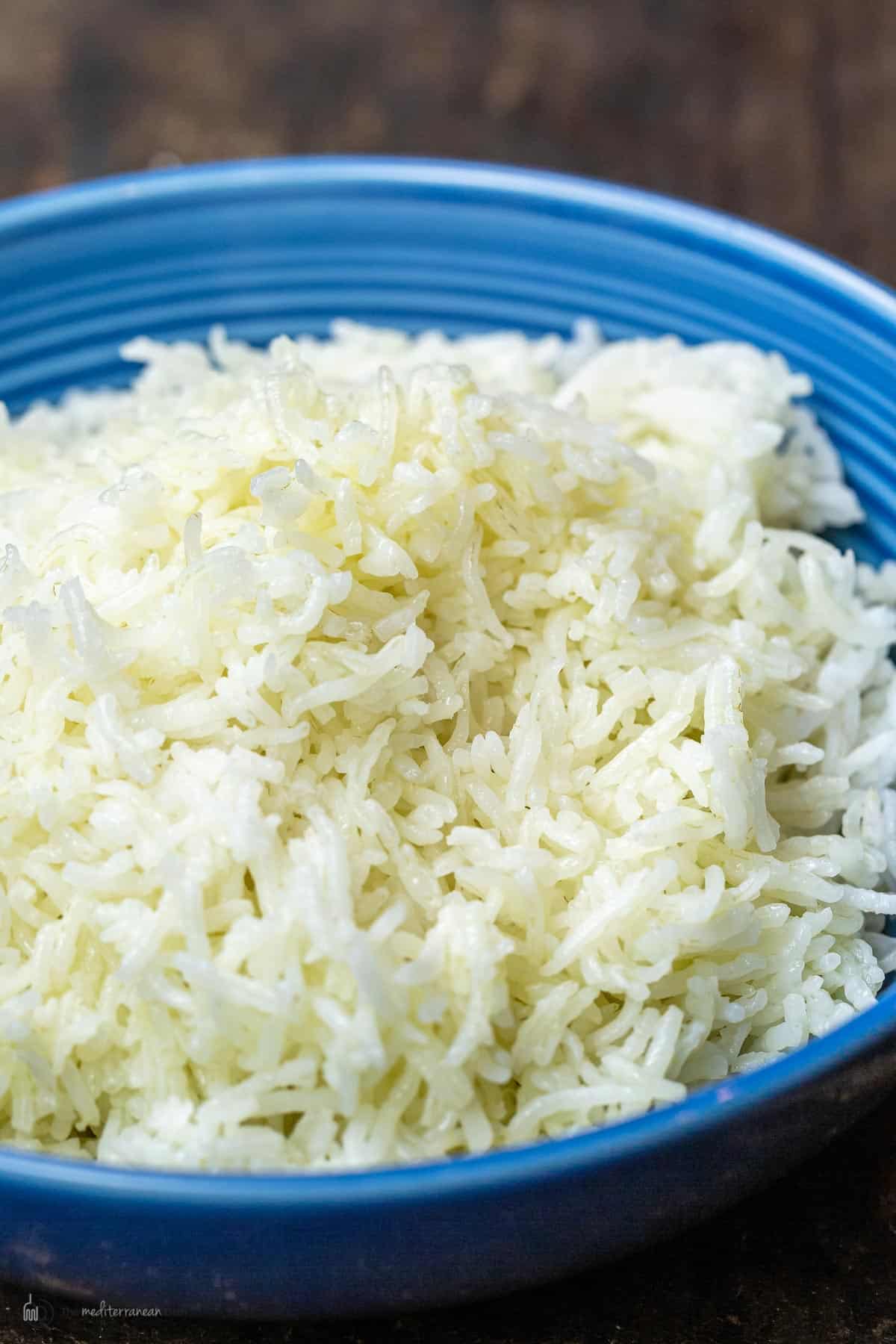
Credit: www.themediterraneandish.com
Preparing Rice For Cooking
Preparing basmati rice properly is the first step to perfect fluffy grains. This stage sets the foundation for cooking. It ensures the rice cooks evenly and tastes fresh. Two main tasks are rinsing and soaking, plus measuring rice and water. Each step matters to achieve great texture and flavor.
Rinsing And Soaking
Rinse the basmati rice under cold water. Use a fine mesh sieve for easy washing. Rinse until the water runs clear. This removes excess starch and dust. It helps prevent the rice from becoming sticky.
After rinsing, soak the rice in cold water. Soak for about 20 to 30 minutes. Soaking softens the grains. It shortens cooking time and makes rice fluffier.
Measuring Rice And Water
Use a standard measuring cup for accuracy. Measure the rice first. Then measure water using the right ratio. For basmati rice, use 1 cup rice to 1.5 cups water. Too much water makes rice mushy. Too little water leaves it hard.
Correct measurement ensures even cooking. It helps achieve tender, separate grains every time.
Selecting The Best Saucepan
Choosing the right saucepan is key to cooking perfect basmati rice. The right pan controls heat well and cooks rice evenly. It helps keep the grains fluffy and separate, not sticky or mushy. This section explains what to look for in a saucepan for cooking basmati rice.
Material And Size
Pick a saucepan made from materials that spread heat evenly. Stainless steel with a thick bottom or heavy aluminum pans work best. Thin pans may cause hot spots, burning the rice.
Choose a size that fits the amount of rice you cook. A small pan for a large amount of rice may overflow. A large pan for a small amount wastes heat and energy.
Lid Importance
A tight-fitting lid is very important for cooking basmati rice. It traps steam inside the pan. Steam helps cook the rice gently and fully.
Without a good lid, steam escapes. Rice may dry out or cook unevenly. A well-fitting lid keeps moisture and heat inside, making the rice soft and fluffy.

Credit: healthynibblesandbits.com
Cooking Steps For Fluffy Basmati
Cooking basmati rice in a saucepan to get fluffy grains is simple. Follow clear steps to avoid sticky or mushy rice. These steps help the rice cook evenly and taste great.
Boiling Water
Start by boiling water in your saucepan. Use about 1.5 to 2 cups of water for each cup of rice. Bring the water to a rolling boil before adding rice. Boiling water helps the rice cook faster and better.
Adding Rice And Simmering
Rinse the basmati rice under cold water until it runs clear. This removes extra starch and prevents stickiness. Add the rinsed rice to the boiling water carefully. Stir once to separate the grains. Lower the heat to let it simmer gently. Cover the pan with a tight lid to keep steam inside.
Controlling Heat
Keep the heat low while the rice cooks. High heat can burn the rice at the bottom. Low heat lets the rice absorb water slowly and swell properly. Do not lift the lid during cooking. Let the steam cook the rice fully. After 15-20 minutes, turn off the heat and let it rest covered for 5 minutes. Fluff with a fork before serving.
Resting And Fluffing Rice
Resting and fluffing basmati rice are crucial steps after cooking. These steps improve texture and separate the grains. Skipping them can make rice sticky and clumpy. Take time to rest and fluff for perfect results.
Why Resting Matters
Resting allows steam to finish cooking rice evenly. It helps moisture spread through the grains. This makes the rice soft and light. Resting also cools rice slightly, stopping it from overcooking. Wait 5 to 10 minutes before opening the lid.
Using A Fork To Fluff
Use a fork, not a spoon, to fluff basmati rice. Gently lift and separate the grains with light strokes. This prevents crushing the rice. Fluffing makes rice fluffy and prevents clumps. It also lets extra steam escape, keeping rice dry and tender.
Common Mistakes To Avoid
Cooking basmati rice in a saucepan is simple but requires care. Many beginners make mistakes that affect the rice texture and taste. Avoiding common errors can help you cook fluffy, perfect rice every time.
Too Much Water
Adding too much water makes the rice mushy and sticky. Use the right water-to-rice ratio, usually 1.5 to 1 cups. Too much water causes the grains to lose their shape. Measure water carefully before cooking.
Lifting Lid Too Often
Opening the lid lets steam escape and changes cooking temperature. The rice cooks best with the lid closed. Resist the urge to check the rice too often. Wait until the cooking time ends to lift the lid.
Flavor Variations And Tips
Cooking basmati rice in a saucepan is simple and quick. You can make it more exciting by changing its flavors. Small changes bring new tastes and aromas. These tips help you enjoy your rice in different ways.
Adding Spices
Spices bring warmth and depth to basmati rice. Try adding whole spices like cinnamon sticks, cloves, or cardamom pods. Toast them in the pan before adding rice and water. This releases their flavors and smells.
Ground spices work well too. Add a pinch of turmeric or cumin powder for color and taste. Mix spices with the rice before cooking. It makes the rice more flavorful and fragrant.
Using Broth Instead Of Water
Replace water with chicken, vegetable, or beef broth. Broth adds rich taste without extra effort. It makes the rice taste fuller and more savory. Use low-sodium broth to control salt levels.
Heat the broth before adding it to the rice. This keeps the cooking process smooth. The rice cooks evenly and absorbs the broth’s flavor well. It turns plain rice into a delicious side dish.

Credit: www.madaboutmacarons.com
Frequently Asked Questions
How Long Does Basmati Rice Take To Cook In A Saucepan?
Basmati rice usually takes 15 to 20 minutes to cook in a saucepan. Soak the rice for 30 minutes beforehand for best results. Use a 1:1. 5 rice-to-water ratio and simmer on low heat with the lid closed.
What Water Ratio Is Best For Basmati Rice?
The ideal water ratio for basmati rice is 1 cup rice to 1. 5 cups water. This ratio ensures fluffy, separate grains without becoming mushy. Adjust slightly based on rice age or brand.
Should I Rinse Basmati Rice Before Cooking?
Yes, rinse basmati rice under cold water until it runs clear. This removes excess starch and prevents the rice from becoming sticky or clumpy during cooking.
Can I Cook Basmati Rice Without Soaking It First?
Yes, but soaking improves texture and shortens cooking time. Soaking for 20-30 minutes helps the grains cook evenly and remain fluffy.
Conclusion
Cooking basmati rice in a saucepan is simple and quick. Use the right water-to-rice ratio for fluffy grains. Keep the heat low and cover the pan while cooking. Let the rice rest before fluffing with a fork. This method gives you soft, separate rice every time.
Try it with your favorite dishes for a tasty meal. Enjoy the ease of cooking basmati rice on your stove.

Hello, This is Annie Walker, a 38-year-old blogger, founder, and editor of Cookware Guider from NY, USA. I am a cookware fanatic and passionate cooker. I love to cook with different types of cooking appliances (example: all types of cookware, rice cookers, slow cookers, etc) almost every day in my kitchen. I love to share my experience with my readers in my blog. Also, I enjoy helping people to solve their problems through my website. You can follow me on Twitter & Pinterest. To know details about my blog please check the about us page.