
If you’re thinking about upgrading your kitchen tools, you’ve probably come across Zwilling cookware. But before you invest in these pots and pans, you might be wondering—where is Zwilling cookware made?
Knowing the origin of your cookware can give you confidence in its quality and durability. You’ll discover the story behind Zwilling’s manufacturing, why it matters for your cooking, and how it can make a difference in your kitchen. Keep reading to find out what makes Zwilling cookware stand out and why it might be the perfect choice for you.
Zwilling Brand Origins
Zwilling Brand Origins trace back to centuries of German craftsmanship. Known for its quality kitchen tools, Zwilling has a rich history. This brand focuses on making durable and reliable cookware. Its origins help explain why it remains popular worldwide. Understanding where Zwilling cookware is made sheds light on its quality and design.
Founding And History
Zwilling was founded in 1731 in Solingen, Germany. This city is famous for making knives and kitchen tools. Zwilling started as a small knife-making company. Over time, it grew to offer a wide range of kitchen products, including cookware.
Key points about Zwilling’s history:
- 1731: Company established by Peter Henckels.
- Location: Solingen, known as the “City of Blades.”
- Early focus: Hand-forged knives with high-quality steel.
- Expansion: Added cookware, kitchen gadgets, and cutlery sets.
- Innovation: Used modern technology while keeping traditional quality.
Zwilling’s long history means it combines old techniques with new ideas. The company keeps its manufacturing mainly in Germany and nearby European countries. This ensures strict quality control and craftsmanship.
| Year | Event |
|---|---|
| 1731 | Founded by Peter Henckels in Solingen, Germany |
| 1900s | Expanded product range to cookware and kitchen tools |
| 2000s | Adopted new manufacturing technology with traditional methods |
Reputation In Cookware
Zwilling is known for making strong, long-lasting cookware. Its products often use high-quality materials like stainless steel and non-stick coatings. Many chefs and home cooks trust Zwilling for daily use.
Reasons for Zwilling’s good reputation:
- Durability: Cookware lasts many years without damage.
- Design: Simple, elegant, and easy to use.
- Performance: Even heat distribution for better cooking.
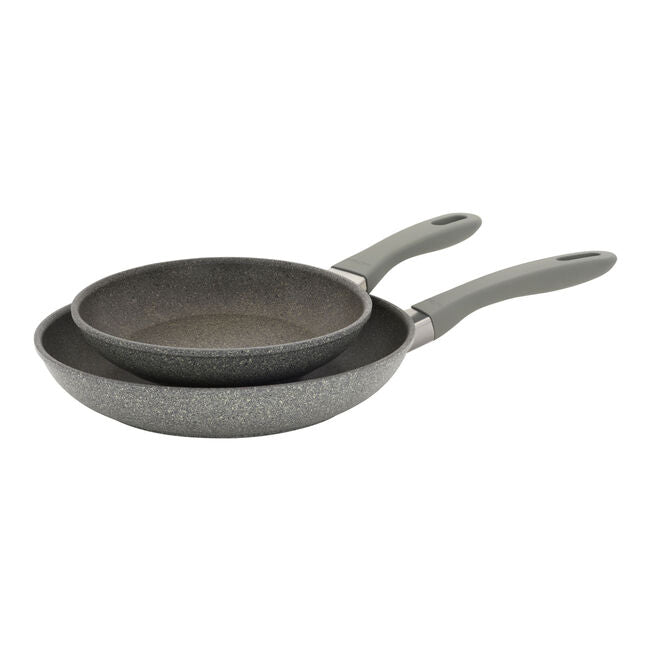
- Safety: PFOA-free non-stick surfaces and sturdy handles.
Zwilling cookware is often made in Germany and other parts of Europe. This makes the products reliable and high-quality. The brand also offers good customer service and warranty.
| Feature | Benefit |
|---|---|
| Stainless Steel | Resists rust and scratches, lasts longer |
| Non-stick Coating | Cook with less oil, easier cleaning |
| Ergonomic Handles | Comfortable grip and safe cooking |
Credit: www.cooksjunction.com
Manufacturing Locations
Zwilling cookware is known worldwide for its quality and durability. The question many buyers ask is, where is Zwilling cookware made? Understanding the manufacturing locations helps reveal the quality standards and craftsmanship behind these products. Zwilling produces its cookware in several places, with a strong focus on German engineering and some production in other countries. Each location plays a key role in ensuring the high standards Zwilling promises.
Factories In Germany
Germany is the heart of Zwilling’s manufacturing. The brand’s roots are deeply embedded in German craftsmanship. The main factories are located in Solingen, a city famous for metalwork. Zwilling’s German factories focus on precision and quality control.
Key points about Zwilling’s German factories:
- Solingen factory: The primary site for cookware production.
- Strict quality checks: Every product undergoes detailed inspections.
- Use of premium materials: Stainless steel and other metals sourced locally.
- Skilled workforce: Experienced workers with specialized training.
Here is a simple overview of Zwilling’s production in Germany:
| Factory Location | Main Products | Material Focus | Quality Control |
|---|---|---|---|
| Solingen | Cookware, knives | Stainless steel, carbon steel | High-standard inspections |
Zwilling’s German factories blend tradition with modern technology. This mix guarantees cookware that lasts long and performs well in kitchens worldwide.
Production In Other Countries
Zwilling also has production facilities outside Germany. These sites help meet global demand and reduce costs without sacrificing quality. Countries like China and Slovenia are key production centers.
Here are some facts about Zwilling’s production abroad:
- China: Focuses on cookware components and assembly.
- Slovenia: Produces some premium cookware lines.
- Quality standards: Follow the same strict rules as German factories.
- Cost efficiency: Helps Zwilling offer competitive prices.
Production in other countries supports Zwilling’s global reach. The brand maintains control over every step to ensure product reliability.
Comparison of Zwilling’s production by location:
| Country | Role in Production | Product Types | Quality Focus |
|---|---|---|---|
| Germany | Main manufacturing site | High-end cookware, knives | Strict quality control |
| China | Component manufacturing and assembly | Mid-range cookware | Consistent quality checks |
| Slovenia | Specialized cookware lines | Premium cookware | High-quality standards |
Zwilling’s manufacturing locations each add value. Germany builds the brand’s reputation. Other countries help keep products affordable and accessible worldwide.
Materials Used In Zwilling Cookware
Zwilling cookware is known worldwide for its quality and durability. The brand uses specific materials to ensure excellent cooking performance and long-lasting products. Understanding the materials used in Zwilling cookware helps you know why these pieces are trusted by many chefs and home cooks. The materials chosen influence heat distribution, cooking results, and ease of cleaning.
Stainless Steel Components
Zwilling uses high-grade stainless steel in most of its cookware. This material is popular because it resists rust, stains, and corrosion. The stainless steel used is usually 18/10, meaning it contains 18% chromium and 10% nickel. This mix makes the cookware strong and shiny.
Key features of Zwilling stainless steel cookware:
- Durability: Can last many years without warping or discoloring.
- Non-reactive surface: Does not change the taste of food.
- Easy to clean: Can be cleaned by hand or in a dishwasher.
- Even heat distribution: Often combined with an aluminum or copper core for better heat conduction.
Here is a simple comparison of stainless steel features:
| Property | Benefit |
|---|---|
| 18/10 Stainless Steel | Strong, rust-resistant, and shiny finish |
| Multi-ply construction | Better heat conduction and cooking control |
| Polished surface | Easy to clean and maintain |
Non-stick Coatings
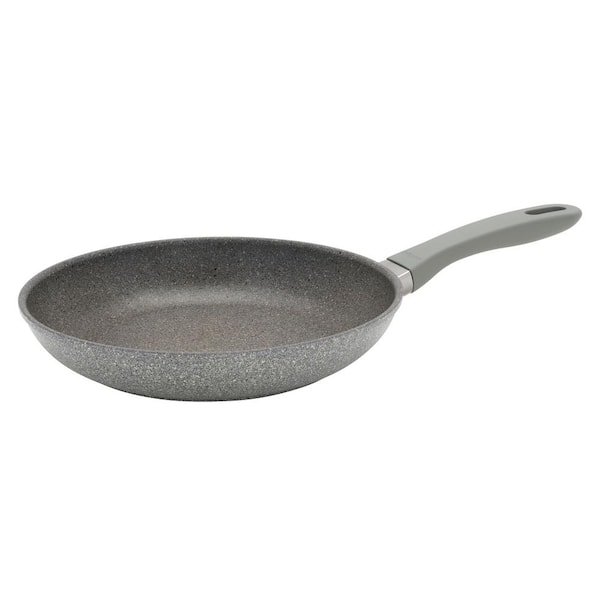
Zwilling also offers cookware with non-stick coatings for easy cooking and cleaning. Their non-stick surfaces allow food to slide off without sticking. This reduces the need for oil or butter, making meals healthier.
Zwilling uses advanced non-stick materials like ceramic and PTFE-based coatings. These coatings are designed to be durable and safe for everyday use.
- PTFE-based coatings: Provide excellent non-stick performance and scratch resistance.
- Ceramic coatings: Made from natural materials and free of harmful chemicals like PFOA and PFOS.
- Easy cleanup: Most food residues wash off quickly with warm water.
Important tips about Zwilling non-stick cookware:
- Use wooden or silicone utensils to avoid scratching.
- Do not overheat the pan to keep the coating intact.
- Hand wash recommended for longer life.
Other Materials
Besides stainless steel and non-stick coatings, Zwilling uses other materials in some cookware lines. These materials add special qualities or improve cooking results.
Common additional materials include:
- Aluminum cores: Found inside some stainless steel pans for fast, even heating.
- Copper layers: Used in premium lines to provide precise temperature control.
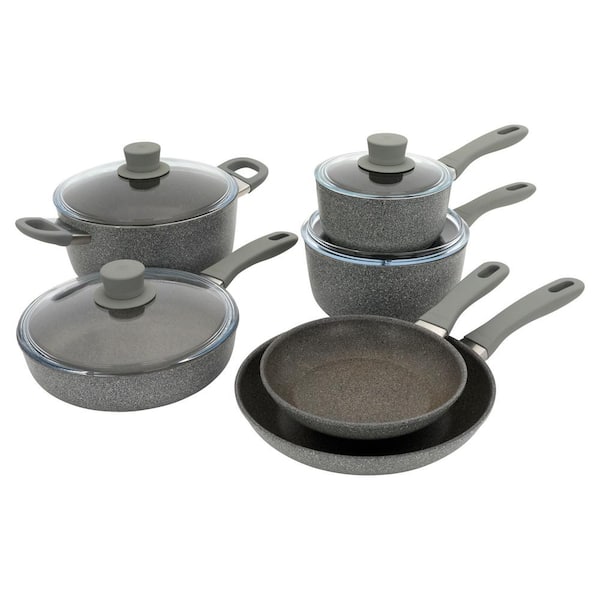
- Glass lids: Allow you to watch food while cooking without losing heat.
- Silicone handles: Offer heat resistance and a comfortable grip.
These materials work together to make Zwilling cookware both functional and user-friendly. The combination helps with:
- Uniform heat distribution
- Safe handling
- Durability under heavy use
- Visual appeal in kitchen
Credit: www.homedepot.com
Quality Control And Standards
Zwilling cookware is renowned for its durability and performance. The brand’s quality control and standards ensure every piece meets high expectations. Each product undergoes strict checks before reaching customers. This focus on quality helps Zwilling maintain its strong reputation worldwide. The manufacturing process combines skilled craftsmanship with modern technology. It guarantees cookware that lasts long and cooks evenly.
Testing Procedures
Zwilling uses thorough testing to keep its quality consistent. Every item passes several tests to check strength, safety, and usability. The brand tests materials, design, and finish to avoid defects. These steps reduce the chance of damage or poor performance.
- Material Testing: Ensures metals and coatings meet durability standards.
- Heat Resistance: Checks cookware can handle high temperatures without warping.
- Non-stick Performance: Tests coating for even cooking and easy cleaning.
- Handle Strength: Verifies handles stay secure and comfortable.
Here is a summary of key tests Zwilling cookware undergoes:
| Test Type | Purpose | Result Expected |
|---|---|---|
| Material Composition | Check metal purity and coating quality | High durability and safety |
| Thermal Shock | Test resistance to sudden temperature changes | No cracks or warping |
| Non-stick Coating | Assess cooking and cleaning ease | Even surface and long-lasting coating |
| Handle Strength | Confirm secure attachment and comfort | Strong and ergonomic handles |
This strict testing process guarantees Zwilling cookware performs well in every kitchen.
Certifications
Zwilling cookware meets many international safety and quality standards. These certifications prove the brand’s commitment to reliable products. They cover materials, manufacturing, and environmental impact. Certifications also ensure products are safe for food use.
Common certifications Zwilling cookware holds include:
- FDA Approval: Confirms cookware materials are safe for contact with food.
- LFGB Certification: A German standard that tests for harmful substances and food safety.
- ISO 9001: Quality management certification for consistent manufacturing processes.
- RoHS Compliance: Ensures products do not contain dangerous chemicals.
These certifications help customers trust Zwilling cookware for health and safety. The brand publishes certification details to maintain transparency.
| Certification | Area Covered | Benefit |
|---|---|---|
| FDA | Food safety | Safe materials for cooking |
| LFGB | Food contact safety and chemical testing | No harmful substances |
| ISO 9001 | Quality management | Consistent product quality |
| RoHS | Chemical safety | Free from hazardous materials |
Zwilling’s certifications show the brand’s focus on safe, high-quality cookware for every kitchen.
Impact Of Origin On Performance
The origin of Zwilling cookware plays a crucial role in its overall performance. Zwilling produces its cookware in countries known for high manufacturing standards. This origin influences the quality of materials, craftsmanship, and final results in the kitchen. Understanding how the place of manufacture impacts cookware helps buyers make better choices. Performance features like durability and heat distribution depend heavily on where and how the product is made. Zwilling’s commitment to quality is reflected in the strict controls and expert skills applied in its factories. These factors ensure that each piece delivers consistent cooking results and lasts a long time.
Durability
Zwilling cookware is known for its strong build and long life. The origin of the cookware affects durability because the factories follow strict quality standards. For example, Zwilling products made in Germany and other European countries often use top-grade stainless steel and advanced manufacturing techniques.
Key factors that enhance durability include:
- Material quality: High-grade stainless steel resists rust and corrosion.
- Construction: Multi-ply layers add strength and prevent warping.
- Precision manufacturing: Tight control ensures perfect assembly and finish.
- Testing: Products undergo rigorous testing for wear and tear.
Below is a comparison of durability features based on origin:
| Origin | Material Quality | Manufacturing Process | Durability Rating |
|---|---|---|---|
| Germany | Premium 18/10 Stainless Steel | Multi-ply bonded layers, laser welding | Excellent |
| China | Good stainless steel | Standard manufacturing, quality checked | Good |
Zwilling’s German-made cookware tends to last longer and resist damage better. This makes it ideal for frequent cooking. Proper care and cleaning also extend the life of the cookware.
Heat Distribution
The place where Zwilling cookware is made affects how heat spreads during cooking. Even heat distribution is vital for cooking food evenly and avoiding hot spots. Zwilling uses advanced techniques to bond multiple metal layers together, which improves heat flow.
Important aspects of heat distribution include:
- Multi-ply construction: Layers of aluminum or copper inside stainless steel improve heat conduction.
- Base design: Thick, flat bases ensure full contact with the heat source.
- Material choice: Metals like aluminum conduct heat faster than stainless steel alone.
Here is a simple chart showing heat conductivity of common metals used in Zwilling cookware:
| Metal | Thermal Conductivity (W/m·K) |
|---|---|
| Copper | 401 |
| Aluminum | 237 |
| Stainless Steel | 16 |
The production facilities in Germany focus on perfect bonding of these layers. This results in cookware that heats quickly and evenly. Zwilling cookware made elsewhere also performs well but may have slight differences in heat response. Even heating reduces the chance of burning food and helps save energy by cooking faster.
Credit: www.homedepot.com
Customer Perceptions And Reviews
Many buyers want to know where Zwilling cookware is made. Customer opinions about the origin of these products often influence their trust and satisfaction. Reviews reveal how people feel about the quality, durability, and value of Zwilling cookware. Understanding these views helps new buyers decide if Zwilling meets their expectations.
Feedback On Made In Germany Products
Zwilling cookware labeled “Made in Germany” receives high praise. Customers often highlight the strong build and long-lasting materials. Many say these products feel sturdy and perform well during cooking. The precision in design and craftsmanship stands out to buyers. They trust that German-made cookware offers reliable heat distribution and easy cleaning.
- Durability: Many users report using the cookware for years without damage.
- Performance: Heat spreads evenly, avoiding hot spots.
- Design: Comfortable handles and sleek appearance get positive notes.
- Value: Some mention the price is higher but worth the investment.
Reviews often mention the strong reputation of German manufacturing. Buyers see it as a sign of quality and precision. Below is a summary of common feedback on Zwilling’s German-made cookware:
| Aspect | Customer Feedback |
|---|---|
| Build Quality | Very sturdy, high-quality stainless steel |
| Cooking Performance | Even heating, prevents burning |
| Ease of Cleaning | Non-stick surfaces work well, dishwasher safe |
| Price | Higher cost but justified by quality |
Views On International Production
Zwilling also produces some cookware outside Germany. Customers notice this change and share mixed opinions. Some buyers worry about losing German quality standards. Others are happy if the price drops but expect good performance.
International production sites include countries like China and Portugal. Reviews show that quality can vary by factory. Some users find no difference in cooking results. Others say they saw less durable parts or uneven finishes.
- Some customers prefer only German-made items for peace of mind.
- Others appreciate affordable options made abroad.
- Concerns include thinner metal and weaker handles.
- Positive reviews mention Zwilling’s strict quality control.
Zwilling tries to keep quality high across all locations. The company uses the same designs and materials globally. Still, customer trust depends on clear labeling and consistent results. The table below compares feedback on German versus international production:
| Factor | Made in Germany | International Production |
|---|---|---|
| Quality Consistency | Very consistent and reliable | Varies, some issues reported |
| Price | Higher | More affordable |
| Customer Trust | High | Mixed |
| Performance | Excellent | Good to average |
Frequently Asked Questions
Where Is Zwilling Cookware Manufactured?
Zwilling cookware is primarily made in Germany. The brand focuses on high-quality German craftsmanship. Some products are also produced in other countries under strict Zwilling quality standards to ensure durability and performance.
Are Zwilling Pots And Pans Made In Germany?
Yes, most Zwilling pots and pans are made in Germany. The company prides itself on German engineering. This ensures premium materials and precise manufacturing for long-lasting cookware.
Does Zwilling Produce Cookware Outside Germany?
Yes, Zwilling manufactures some cookware outside Germany. These products still meet Zwilling’s strict quality controls. This allows the brand to offer a wider range of options globally.
Is Zwilling Cookware Made With German Materials?
Zwilling uses high-quality German materials for most cookware. This guarantees strength, heat distribution, and durability. Some components may come from other countries but always meet Zwilling’s standards.
Conclusion
Zwilling cookware is mainly made in Germany and other countries. Each piece is carefully crafted with strong materials. This ensures good quality and long-lasting use. The brand combines traditional skills with modern tools. Many cooks trust Zwilling for its reliable performance.
Knowing where it is made helps you understand its value. Choose Zwilling cookware for cooking that feels just right. Quality and care come from the place it is made. Simple and strong—Zwilling stands for good cooking tools.

Hello, This is Annie Walker, a 38-year-old blogger, founder, and editor of Cookware Guider from NY, USA. I am a cookware fanatic and passionate cooker. I love to cook with different types of cooking appliances (example: all types of cookware, rice cookers, slow cookers, etc) almost every day in my kitchen. I love to share my experience with my readers in my blog. Also, I enjoy helping people to solve their problems through my website. You can follow me on Twitter & Pinterest. To know details about my blog please check the about us page.