
Cooking with cauliflower rice is more than just a trend—it’s a smart, healthy way to enjoy your favorite rice dishes with fewer carbs and more vegetables. For many people, making the switch to cauliflower rice feels confusing at first. The texture, taste, and cooking methods are different from regular rice.
But with some simple techniques and a little practice, you can create delicious meals that even rice lovers will enjoy. In this guide, you’ll learn how to make perfect cauliflower rice from scratch, discover different cooking methods, compare nutrition facts, and get tips to make it taste amazing.
What Is Cauliflower Rice?
Cauliflower rice is simply cauliflower florets chopped into small, rice-sized pieces. It’s not a grain, but when prepared well, it looks and acts like rice in many recipes. The main reasons people use cauliflower rice are to lower calories, reduce carbs, and add more vegetables to meals.
You can buy pre-riced cauliflower in most grocery stores, but making it at home is easy and often fresher. The mild flavor makes it a good substitute in stir-fries, burritos, or even fried rice.
Why Use Cauliflower Rice? Health And Nutrition
Cauliflower is a nutrient-dense vegetable. It’s high in fiber, vitamin C, vitamin K, and antioxidants. When you switch from white rice to cauliflower rice, you reduce your calorie and carb intake while boosting your intake of vitamins and minerals.
Here’s a comparison of nutrition for one cup (about 100 grams) of cooked cauliflower rice vs. cooked white rice:
| Nutrient | Cauliflower Rice | White Rice |
|---|---|---|
| Calories | 25 | 130 |
| Carbohydrates | 5g | 28g |
| Fiber | 2g | 0.4g |
| Protein | 2g | 2.7g |
| Vitamin C | 77% DV | 0% DV |
As you can see, cauliflower rice is especially good if you’re watching your calorie or carb intake. The fiber content is higher, which helps with digestion and feeling full.
Tools And Ingredients You Need
Before you start, gather these items:
- Fresh cauliflower (one medium head makes about 4 cups of rice)
- Chef’s knife or large sharp knife
- Cutting board
- Food processor (recommended for speed)
- Or a box grater if you don’t have a food processor
- Large skillet or sauté pan
- Spatula
- Paper towels or clean kitchen towel
For seasoning, you’ll need:
- Olive oil or other cooking oil
- Salt and pepper
- Optional: Garlic, onion, fresh herbs, lime juice, or spices
How To Make Cauliflower Rice: Step By Step
1. Choose And Prepare The Cauliflower
Pick a firm, white cauliflower without brown spots. Remove the leaves and stem. Cut the head into quarters, then cut out the core. Break the quarters into small florets.
2. Rice The Cauliflower
Food Processor Method
- Add florets in small batches to the food processor.
- Pulse about 10-15 times until the pieces look like small grains of rice.
- Don’t over-process, or it will turn mushy.
Box Grater Method
- Use the medium or large holes.
- Rub each floret over the grater until you have small, rice-like pieces.
Tip: If you want drier rice, spread the pieces on a towel and press to remove extra moisture. This helps avoid soggy rice during cooking.
3. Cooking Cauliflower Rice
Now you have uncooked cauliflower rice. Cooking it is quick and easy.
Basic Stovetop Method
- Heat 1 tablespoon of olive oil in a large skillet over medium heat.
- Add cauliflower rice in a single layer.
- Sprinkle with salt and pepper.
- Stir often for 5-8 minutes until it’s soft but not mushy.
Microwave Method
- Place cauliflower rice in a microwave-safe bowl.
- Cover with a plate or lid (do not seal tightly).
- Microwave on high for 3-5 minutes, stirring once or twice.
Steaming Method
- Place cauliflower rice in a steamer basket over boiling water.
- Cover and steam for 3-5 minutes.
Roasting Method
- Spread cauliflower rice on a baking sheet.
- Drizzle with a little oil and toss.
- Roast at 400°F (200°C) for 10-12 minutes, stirring halfway.
Each method gives a slightly different texture. Roasting makes it nutty and dry. Steaming keeps it soft and moist.
4. Season And Serve
Taste the rice and adjust seasoning. You can add chopped herbs, a squeeze of lemon or lime, or even a sprinkle of cheese for extra flavor.
Cooking Tips For The Best Cauliflower Rice
- Don’t overcrowd the pan: Cook in batches if needed. Too much cauliflower releases steam, making the rice soggy.
- Taste test: Cauliflower rice cooks quickly. Taste after 5 minutes to avoid overcooking.
- Dry before cooking: If the rice seems wet, pat it dry with a towel before cooking.
- Flavor matters: Cauliflower is mild. Add strong flavors like garlic, ginger, or spices for best results.
Many beginners forget to squeeze out extra water or cook in too large batches, which leads to soft, mushy rice.
Popular Cauliflower Rice Variations
You can use cauliflower rice in many recipes. Try these ideas:
- Cauliflower Fried Rice: Sauté with vegetables, eggs, soy sauce, and green onions.
- Mexican Cauliflower Rice: Cook with tomatoes, cumin, garlic, and chili powder.
- Cauliflower Rice Pilaf: Add sautéed onions, carrots, and peas.
- Coconut Cauliflower Rice: Stir in coconut milk, lime zest, and cilantro.
- Italian-Style Cauliflower Rice: Add tomato sauce, basil, and parmesan.
These variations let you enjoy world flavors while keeping your meal light and healthy.
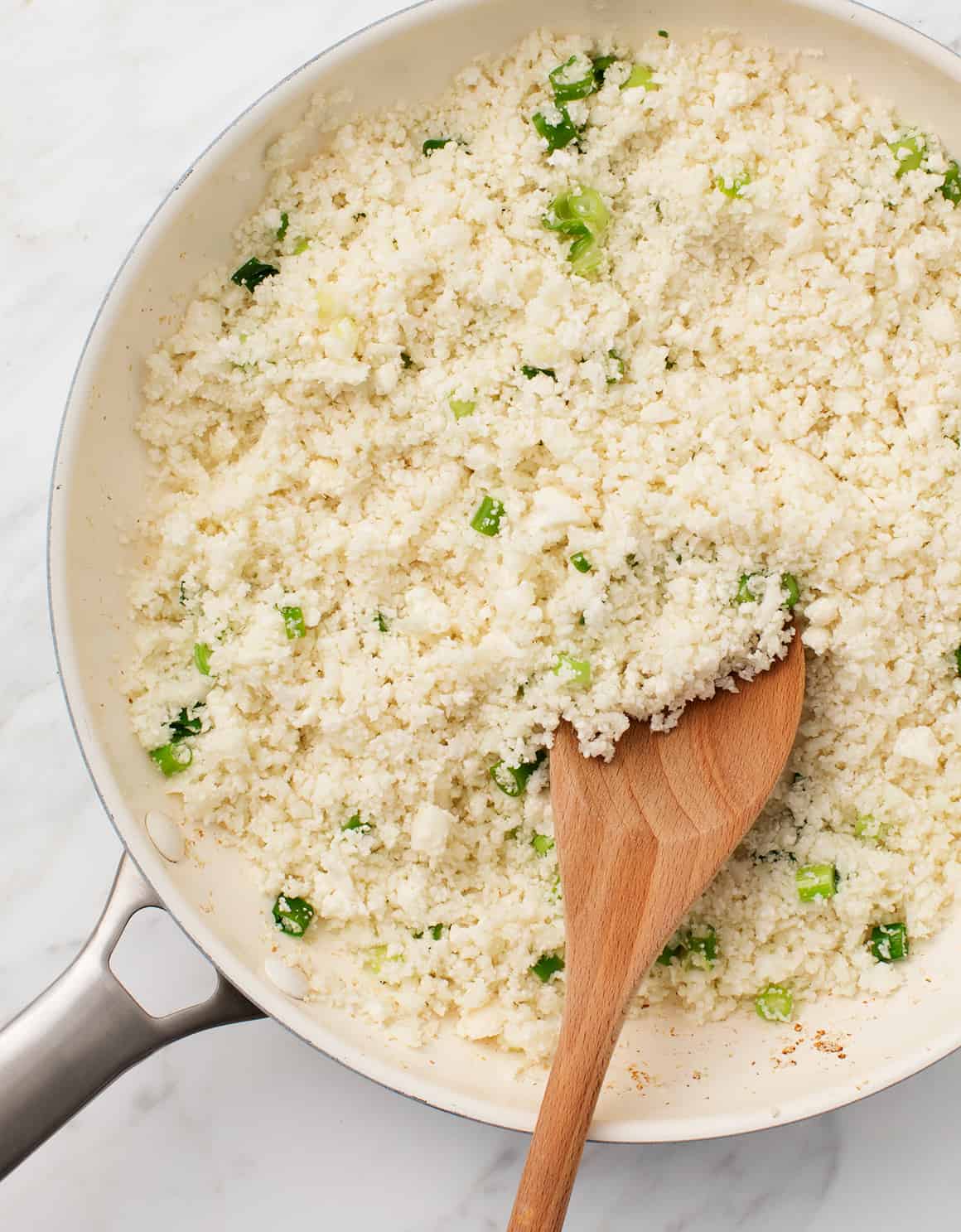
Credit: www.loveandlemons.com
How Does Cauliflower Rice Taste?
Cauliflower rice has a mild, slightly nutty flavor. It is not as bland as white rice, but it absorbs other flavors easily. Some people notice a faint “cabbage” taste, especially if overcooked. With good seasoning, most people find it delicious—even if they don’t love cauliflower.
A common mistake is expecting the texture to be the same as regular rice. Cauliflower rice is more tender and less chewy. However, with the right cooking, it holds its shape and works well in most rice recipes.
Cauliflower Rice Vs. Other Low-carb Substitutes
If you want to cut carbs, cauliflower rice isn’t your only option. Here’s a quick comparison of popular substitutes:
| Substitute | Calories (per cup) | Carbs (per cup) | Texture | Best Use |
|---|---|---|---|---|
| Cauliflower Rice | 25 | 5g | Light, slightly crunchy | Stir-fries, bowls |
| Broccoli Rice | 30 | 6g | Firm, earthy | Salads, sides |
| Cabbage Rice | 22 | 5g | Tender, sweet | Asian dishes |
| Shirataki Rice | 10 | 1g | Gelatinous, chewy | Soups, stir-fries |
Cauliflower rice is one of the most versatile and easiest to prepare. Some people use a mix of cauliflower and other veggies for more color and nutrients.
How To Store And Reheat Cauliflower Rice
One of the best things about cauliflower rice is how well it stores. Here’s how to keep it fresh:
- Uncooked rice: Store in an airtight container in the fridge for up to 3 days. Freeze for up to 2 months.
- Cooked rice: Cool completely, then store in the fridge for up to 3 days.
- Freezing: Freeze uncooked rice in a single layer in a freezer bag. Thaw in the fridge or cook straight from frozen.
To reheat, use a skillet over medium heat or microwave until hot. Don’t add too much water, or it may become mushy.
Meal Prep Ideas Using Cauliflower Rice
Cauliflower rice is perfect for meal prep. You can make a large batch and use it all week. Here are some ideas:
- Rice Bowls: Top with grilled chicken, beans, salsa, and avocado.
- Stir-Fries: Mix with frozen veggies and tofu for a fast dinner.
- Breakfast Scramble: Sauté with eggs, spinach, and cheese.
- Stuffed Peppers: Use as a filling with ground beef and tomatoes.
- Soup Add-In: Stir into vegetable soups for extra texture.
A non-obvious trick: If your cauliflower rice starts to smell strong after a few days, add a splash of lemon juice before reheating. This refreshes the flavor and removes the “old” smell.
Making Cauliflower Rice Taste Even Better
Many people new to cauliflower rice say it tastes plain. Here are some ways to boost flavor:
- Toast it: After cooking, turn up the heat for 1-2 minutes to get a golden, nutty edge.
- Use broth: Cook in vegetable or chicken broth instead of water or oil.
- Add aromatics: Sauté with onions, garlic, or ginger before adding the rice.
- Mix in bold sauces: Try sriracha, pesto, or soy sauce.
- Garnish: Fresh herbs, nuts, or cheese on top make a big difference.
A useful insight: Slightly undercooking cauliflower rice (leaving it al dente) keeps it from getting soggy when you add sauces or mix it into other dishes.
Troubleshooting Common Problems
Even experienced cooks can have issues with cauliflower rice. Here’s how to fix the most common problems:
- Mushy rice: Usually caused by overcooking or too much moisture. Dry the rice before cooking and cook for less time.
- Strong smell: Use fresh cauliflower and cook with lemon juice or herbs to mask the scent.
- Bland taste: Don’t be afraid to use strong seasonings and toppings.
- Clumpy rice: Stir often and cook in smaller batches for even texture.
If you’re not happy with your first try, adjust the moisture and seasoning the next time. Practice makes perfect.

Credit: cookieandkate.com
Using Cauliflower Rice In Different Cuisines
One secret to loving cauliflower rice is using it in recipes where the grain is not the star. Here are examples from different cuisines:
- Mexican: As a base for burrito bowls, with black beans and pico de gallo.
- Asian: In fried rice, sushi rolls (use as a layer), or Thai coconut rice.
- Indian: In curry rice, with turmeric and peas.
- Italian: Mixed with tomato sauce, basil, and mozzarella for a low-carb risotto.
Replacing rice in these dishes lets the sauce and toppings shine, so you won’t miss the original grain.
Should You Buy Or Make Cauliflower Rice?
Supermarkets now sell fresh or frozen cauliflower rice. Here’s a quick comparison:
| Option | Cost (per cup) | Freshness | Convenience |
|---|---|---|---|
| Homemade | $0.50 | Very Fresh | Requires prep |
| Store-Bought Fresh | $1.50 | Good | Ready to use |
| Frozen | $1.20 | Less fresh | Very convenient |
Making it at home is cheaper and usually tastes better, but store-bought is a lifesaver when you’re busy. Frozen cauliflower rice is handy for quick meals, though it can be wetter after cooking.
Is Cauliflower Rice Right For You?
Cauliflower rice is a great option for people following low-carb, paleo, Whole30, or gluten-free diets. It’s also perfect if you’re trying to eat more vegetables or manage your weight. However, if you dislike the taste of cauliflower or need a chewy, starchy texture, it may not fully replace rice in your favorite dishes.
For those with thyroid conditions, remember that raw cauliflower is a cruciferous vegetable, which can affect thyroid function if eaten in very large amounts. Cooking reduces this effect, so most people can enjoy it safely. For more information about cauliflower’s health effects, see this resource from the Harvard T.H. Chan School of Public Health.
Frequently Asked Questions
How Do I Stop Cauliflower Rice From Getting Soggy?
To avoid sogginess, start by drying the riced cauliflower with a towel before cooking. Cook in small batches over medium-high heat, and don’t cover the pan. Avoid adding extra water or cooking for too long.
Can I Freeze Cauliflower Rice?
Yes, both raw and cooked cauliflower rice can be frozen. Freeze raw rice in a thin layer in a freezer bag for easy use. When ready to cook, you can cook it straight from frozen—just add a minute or two to the cooking time.
Is Cauliflower Rice Good For Weight Loss?
Cauliflower rice is low in calories and high in fiber, which helps you feel full. Replacing regular rice with cauliflower rice can reduce your calorie intake, making it a good choice for weight loss diets.
What Are Some Ways To Make Cauliflower Rice Taste Better?
Use strong seasonings like garlic, onion, herbs, and spices. Cooking in broth instead of oil or water adds flavor. Toppings like cheese, salsa, or toasted nuts can also improve the taste.
How Long Does Cauliflower Rice Last In The Fridge?
Uncooked cauliflower rice lasts about 3 days in the refrigerator. Cooked rice also keeps for 3 days. Always store in an airtight container and check for off smells or color before using.
Cauliflower rice is easy to make, healthy, and fits into many recipes from around the world. With the right preparation and seasoning, it can become a regular part of your meal plan—even if you’re not following a special diet. Try it in your favorite dishes and experiment with flavors until you find your perfect combination.
With practice, you’ll wonder how you ever cooked without it.

Credit: www.loveandlemons.com

Hello, This is Annie Walker, a 38-year-old blogger, founder, and editor of Cookware Guider from NY, USA. I am a cookware fanatic and passionate cooker. I love to cook with different types of cooking appliances (example: all types of cookware, rice cookers, slow cookers, etc) almost every day in my kitchen. I love to share my experience with my readers in my blog. Also, I enjoy helping people to solve their problems through my website. You can follow me on Twitter & Pinterest. To know details about my blog please check the about us page.