
Poached eggs are a simple yet delicious way to start your day or add a touch of elegance to any meal. If you’ve ever struggled with getting the perfect poached egg, you’re not alone.
But here’s the good news: cooking poached eggs in a saucepan is easier than you think. Once you learn a few easy steps, you’ll be able to create perfectly tender eggs with silky whites and runny yolks every time. Keep reading, and you’ll discover the secrets to mastering this classic cooking skill that will impress your family and friends.
Credit: eggs.ca
Choosing Fresh Eggs
Choosing fresh eggs is key for perfect poached eggs in a saucepan. Fresh eggs hold their shape well during cooking. They have firmer whites and rounder yolks that stay intact. Using fresh eggs makes poaching easier and gives better results.
How To Check Egg Freshness
Here are simple ways to test if an egg is fresh:
- Water test: Place the egg in a bowl of cold water. Fresh eggs sink and lie flat.
- Float test: Older eggs float because of larger air pockets inside.
- Sniff test: A bad egg smells strong and unpleasant.
Why Fresh Eggs Work Best For Poaching
Fresh eggs have thick, gel-like whites. This prevents them from spreading in the water. The yolks stay centered and do not break easily. Older eggs have thinner whites that spread and make messy poached eggs.
Buying And Storing Eggs For Poaching
Follow these tips for fresh eggs:
- Buy eggs from trusted sources or markets.
- Check the sell-by or expiration date on the carton.
- Store eggs in the refrigerator, not the door.
- Keep eggs in their original carton to protect them.
| Storage Tip | Reason |
|---|---|
| Refrigerate eggs | Keeps eggs fresh longer |
| Keep in carton | Prevents absorbing other odors |
| Do not wash before storing | Protects natural coating on shell |
Preparing The Saucepan
Preparing the saucepan correctly is a key step in cooking perfect poached eggs. The right pan and water mixture help the eggs hold their shape and cook evenly. This section explains how to choose the best saucepan and prepare the water for poaching. Proper preparation sets the stage for smooth, tender eggs with a lovely texture.
Selecting The Right Pan
Choosing the right pan makes poaching eggs easier and more successful. A saucepan with a wide, shallow base works best. This shape gives the eggs enough space to float without sticking to each other or the sides. Here are important points to consider:
- Size: Use a pan at least 8 inches wide. This allows room for 2-3 eggs.
- Depth: Choose a pan about 3-4 inches deep. This holds enough water for poaching.
- Material: Stainless steel or non-stick pans are good choices. Stainless steel heats evenly. Non-stick prevents eggs from sticking.
- Shape: A pan with gently sloping sides helps you slide eggs in and out easily.
Below is a comparison table of common pan types for poaching eggs:
| Pan Type | Pros | Cons |
|---|---|---|
| Stainless Steel | Even heat, durable, widely available | Eggs can stick if not careful |
| Non-stick | Easy to clean, eggs don’t stick | Less durable, avoid high heat |
| Copper | Quick heating, precise temperature control | Expensive, needs maintenance |
Pick a pan that suits your kitchen and cooking style. Ensure it’s clean before starting.
Adding Water And Vinegar
Water and vinegar play a big role in poaching eggs. The water cooks the eggs gently. Vinegar helps the egg whites set quickly and stay compact. Here is how to prepare the water:
- Fill the saucepan with fresh, cold water. The water should be about 3 inches deep.
- Heat the water over medium heat until it reaches a gentle simmer. Look for small bubbles on the bottom, not a rolling boil.
- Add vinegar to the water. Use about 1 tablespoon of white vinegar for every 4 cups (1 liter) of water.
Why vinegar? Vinegar lowers the pH of the water. This makes the egg whites firm faster. The eggs keep a nice round shape instead of spreading out.
Tips for adding water and vinegar:
- Use white vinegar for a neutral taste.
- Don’t add too much vinegar; it can change egg flavor.
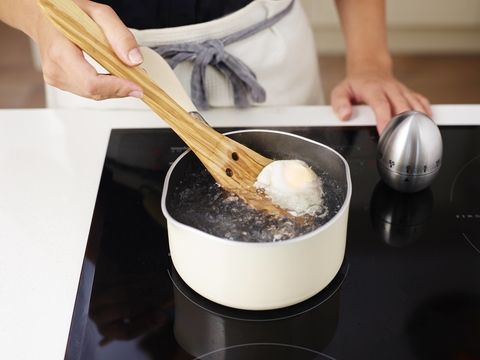
- Keep the water at a gentle simmer. Boiling water breaks eggs apart.
Prepare the water and vinegar mixture just before poaching. This keeps the temperature right and ensures the best texture.
Heating The Water
Heating the water correctly is a key step in cooking perfect poached eggs in a saucepan. The water temperature controls how the egg white sets and how the yolk stays soft. Too hot, and the egg cooks too fast or breaks apart. Too cool, and the egg may spread too much or take too long to cook. Understanding the right water temperature and avoiding boiling water will give you smooth, neat poached eggs every time.
Optimal Temperature
The best water temperature for poaching eggs is between 160°F and 180°F (71°C to 82°C). This range is warm enough to cook the egg gently but not so hot that the egg white becomes tough or breaks apart.
At this temperature:
- The egg white firms up slowly and wraps around the yolk.
- The yolk stays soft and creamy inside.
- The egg holds a nice, round shape.
Use a cooking thermometer to check the temperature. If you do not have one, watch the water for small bubbles forming on the bottom of the pan and steam rising. This means the water is hot enough, but not boiling.
| Temperature | Effect on Egg |
|---|---|
| Below 160°F (71°C) | Egg cooks slowly; may spread too much in water. |
| 160°F – 180°F (71°C – 82°C) | Perfect poaching temperature; egg holds shape well. |
| Above 180°F (82°C) | Egg cooks too fast; white becomes tough or breaks. |
Maintaining this optimal temperature ensures consistent results. Stir the water gently to create a slight whirlpool. This helps the egg white wrap around the yolk for a neat shape.
Avoiding Boiling
Boiling water is too harsh for poached eggs. Rapid bubbles and strong movement break the egg apart. The white spreads too much and becomes rubbery.
Follow these tips to avoid boiling:
- Start with cold water and heat slowly.
- Watch for tiny bubbles on the pan bottom, not big rolling bubbles.
- Adjust heat to keep water just below boiling.
- Lower eggs gently into the water using a spoon or small bowl.
If the water boils, reduce heat immediately. Let the water cool for a minute before adding the egg.
Here is a quick guide to water states:
| Water State | Description | Effect on Poached Eggs |
|---|---|---|
| Simmering | Small bubbles, gentle movement | Ideal for poaching eggs |
| Boiling | Rapid bubbles, strong movement | Breaks eggs, tough whites |
Keeping the water below boiling guarantees tender, well-shaped poached eggs. Patience and attention to water temperature make all the difference.
Cracking The Eggs
Cracking eggs correctly is a key step in cooking perfect poached eggs in a saucepan. It helps keep the egg yolk intact and prevents shell pieces from falling into the water. Taking care during this stage sets the foundation for smooth cooking and a clean presentation. Understanding the right technique makes the whole process easier and more enjoyable.
Using A Small Bowl
Start by cracking each egg into a small bowl or ramekin instead of directly into the saucepan. This method offers more control and helps spot any eggshell fragments before cooking.
- Choose a clean bowl: Use a small glass or ceramic bowl to see the egg clearly.
- Crack gently: Tap the egg on a flat surface, not on the edge, to reduce shell breakage.
- Open carefully: Hold the egg over the bowl and gently pull the shell apart with your thumbs.
This approach prevents broken yolks from mixing with the water. It also allows removing any shell bits easily, ensuring the poached egg looks neat and cooks evenly.
| Benefit | Explanation |
|---|---|
| Control | Releases the egg slowly and steadily into the water |
| Cleanliness | Reduces chance of shell fragments in the poaching water |
| Quality | Keeps yolk intact for a better texture and look |
Gentle Egg Release
After cracking the egg into the small bowl, the next step is to release it gently into the simmering water. Avoid dropping or shaking the egg. A slow and careful motion helps keep the egg white together around the yolk.
Follow these tips for a smooth release:
- Hold the bowl close: Keep it just above the water surface to reduce fall height.
- Tilt slowly: Let the egg slide out naturally by tilting the bowl gently.
- Stay steady: Avoid quick movements that disturb the water or break the yolk.
Keeping the water at a gentle simmer is important. Strong boiling can break the egg apart. A calm water surface helps the egg cook evenly and form a neat shape.
Cooking The Eggs
Cooking the eggs is the most important part of making perfect poached eggs in a saucepan. It needs care and attention to get the texture right. The eggs should have a firm white and a soft, runny yolk. This process is simple but requires a few key steps. Two important points are creating a water swirl and timing the poach correctly. These steps help the egg stay together and cook evenly without spreading in the water.
Creating A Water Swirl
Creating a water swirl helps the egg white wrap around the yolk. This keeps the egg neat and prevents it from spreading too much in the saucepan. Here is how to do it:
- Fill the saucepan with water, about 3-4 inches deep.
- Heat the water until it is just below boiling, around 180°F to 190°F (82°C to 88°C). Small bubbles may appear on the bottom.
- Use a spoon or a whisk to stir the water in one direction, making a gentle swirl.
- Carefully drop the cracked egg into the center of the swirl.
The swirling motion helps the egg white wrap around the yolk quickly. This creates a smooth, compact shape. Without this step, the egg white can spread thinly and become uneven.
| Step | What to Do | Why It Helps |
|---|---|---|
| Fill Water | 3-4 inches deep in saucepan | Enough space for the egg to cook |
| Heat Water | Just below boiling, 180°F-190°F | Perfect temperature for poaching |
| Create Swirl | Stir water gently in one direction | Keeps egg white wrapped around yolk |
| Drop Egg | Into the center of the swirl | Prevents spreading and makes neat shape |
Timing The Poach
Timing the poach is key to perfect eggs. Too short, and the whites are runny. Too long, and the yolks become hard. A good poached egg has firm whites and soft yolks.
Follow this timing guide for best results:
- 3 minutes: Whites are set, yolks are soft and runny.
- 4 minutes: Whites are firm, yolks are creamy but slightly more set.
- 5 minutes: Whites fully cooked, yolks mostly firm.
Use a timer to avoid guessing. Gently lift the egg with a slotted spoon after cooking. Place it on a paper towel to drain extra water.
Here is a simple table to understand poaching times:
| Time | Egg White | Egg Yolk | Texture |
|---|---|---|---|
| 3 minutes | Set | Runny | Soft, classic poached egg |
| 4 minutes | Firm | Creamy | Medium firmness |
| 5 minutes | Firm | Mostly firm | More cooked yolk |
Removing And Draining
Removing and draining poached eggs properly is a vital step in cooking perfect eggs. After the eggs are cooked in simmering water, they need careful handling to keep their shape intact. This step also ensures the eggs are not watery and ready to serve. Knowing how to remove and drain eggs gently helps maintain their soft texture and rich flavor.
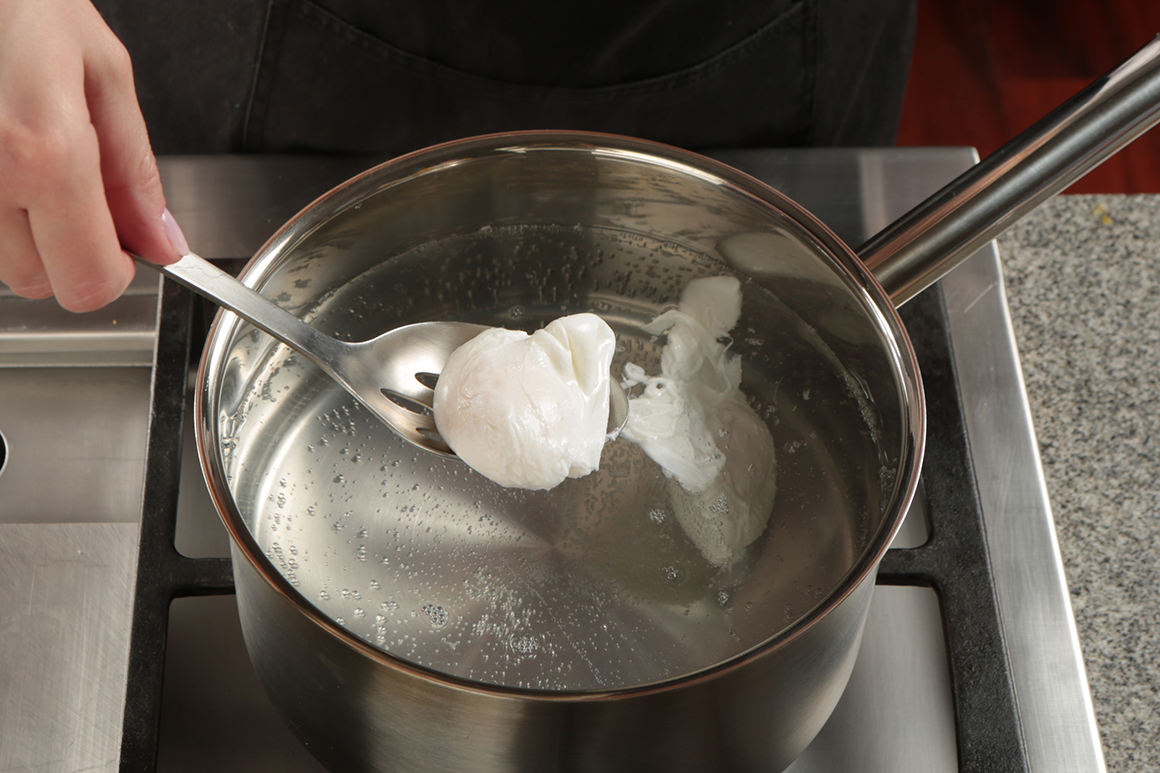
Using A Slotted Spoon
A slotted spoon is the best tool for lifting poached eggs from the water. It lets water drain through its holes while holding the egg securely. Follow these steps for easy and safe removal:
- Choose a slotted spoon with wide, shallow holes to support the egg well.
- Gently slide the spoon under the egg, being careful not to break the yolk.
- Lift the egg slowly, letting excess water drip back into the pan.
- Hold the spoon steady to avoid the egg falling apart.
Using a slotted spoon prevents eggs from tearing or breaking. It also reduces the chance of hot water splashing. If you don’t have a slotted spoon, a fine mesh skimmer works as an alternative.
| Tool | Benefit | Tip |
|---|---|---|
| Slotted Spoon | Drains water, supports egg | Choose wide and shallow slots |
| Fine Mesh Skimmer | Holds egg gently | Use if slotted spoon is unavailable |
Practice gentle movements. The egg white is delicate and can easily break. Patience is key to perfect poached eggs.
Draining Excess Water
After lifting the poached egg with a slotted spoon, draining extra water is crucial. Water left on the egg makes the dish soggy and less tasty. Proper draining helps maintain the egg’s silky texture and improves presentation.
Here are simple ways to drain excess water:
- Place the egg on a paper towel-lined plate. The paper towel absorbs moisture fast.
- Let the egg rest for 10-15 seconds. This time allows water to soak into the towel.
- Use a clean kitchen towel to gently dab the egg if paper towels are not available.
- Serve immediately to enjoy the best texture and warmth.
Draining water properly avoids watery sauces or breads when serving poached eggs. It also prevents the egg from slipping off toast or salads.
The table below shows the pros and cons of common draining methods:
| Method | Advantages | Disadvantages |
|---|---|---|
| Paper Towels | Quick absorption, easy cleanup | Single use, slight egg sticking |
| Kitchen Towel | Reusable, gentle on eggs | Needs washing, slower absorption |
Draining is a small step with a big effect. It keeps poached eggs neat, tasty, and ready to enjoy.
Serving Suggestions
Poached eggs cooked in a saucepan offer a soft, delicate texture and a rich, runny yolk. Serving them properly enhances their flavor and makes your meal more enjoyable. Simple touches can turn plain poached eggs into a delightful dish. Below are useful tips for seasoning and pairing your poached eggs.
Seasoning Tips
Seasoning poached eggs is key to boosting their natural taste. A pinch of salt right after cooking helps bring out the flavor. Use freshly ground black pepper for a mild spicy note. Try these seasoning ideas to add variety:
- Herbs: Sprinkle chopped chives, parsley, or dill for fresh, green flavors.
- Spices: Add paprika or cayenne for a slight kick.
- Flavored salts: Use garlic salt or smoked sea salt for unique tastes.
- Acidic touches: A few drops of lemon juice or a dash of vinegar brighten the egg’s flavor.
Here is a simple seasoning guide you can follow:
| Seasoning | Effect | How to Use |
|---|---|---|
| Sea Salt | Enhances natural egg flavor | Sprinkle immediately after poaching |
| Black Pepper | Adds mild heat | Grind fresh over eggs |
| Fresh Herbs | Fresh and vibrant taste | Chop finely, sprinkle on top |
| Lemon Juice | Brightens flavor | Drizzle lightly before serving |
Experiment with these seasonings. They help keep poached eggs simple yet tasty. Avoid overpowering the eggs. Let their soft texture and flavor shine.
Accompaniments
Poached eggs work well with many dishes. They add creaminess and richness to meals. Pair eggs with these accompaniments for a balanced plate:
- Toast or English muffins: Provide crunch and soak up yolk.
- Avocado slices: Offer creaminess and healthy fats.
- Roasted vegetables: Add sweetness and texture.
- Smoked salmon: Gives a salty, savory contrast.
- Fresh salad: Brings freshness and lightness.
Try these combinations for a tasty meal:
- Poached egg on whole-grain toast with smashed avocado and a sprinkle of chili flakes.
- Egg with spinach sautéed in garlic and a side of roasted tomatoes.
- Poached eggs over smoked salmon and cream cheese on a toasted bagel.
- Eggs served on a bed of mixed greens with lemon vinaigrette.
These accompaniments balance the soft eggs with different textures and flavors. They keep meals interesting and satisfying. Choose simple, fresh ingredients to highlight the poached eggs.

Credit: www.youtube.com
Troubleshooting Common Issues
Cooking poached eggs in a saucepan can be simple, but some common problems may arise. These issues often involve egg whites spreading too much or eggs being undercooked or overcooked. Knowing how to fix these problems helps create perfect poached eggs every time. This section explains easy ways to solve these common mistakes and improve your cooking results.
Avoiding Spread Egg Whites
One of the biggest challenges in poaching eggs is keeping the egg whites together. Spread egg whites create a messy look and uneven cooking. To prevent this, try these tips:
- Use fresh eggs: Fresh eggs have thicker whites that hold shape better.
- Add vinegar to water: Adding 1-2 teaspoons of vinegar helps egg whites firm quickly.
- Create a gentle whirlpool: Stir the water slowly before adding the egg to keep whites around the yolk.
- Crack eggs into a small bowl: This allows careful sliding into the water without breaking the yolk.
- Use enough water: At least 3-4 inches deep helps eggs float and cook evenly.
| Problem | Cause | Solution |
|---|---|---|
| Egg whites spread too much | Old eggs or no vinegar in water | Use fresh eggs and add vinegar |
| Whites stick to pan | Not enough water or stirring | Use deep water and stir gently |
| Yolk breaks | Rough handling or dropping egg from height | Crack egg into bowl, slide gently |
Following these steps reduces spread whites and creates neat, round poached eggs.
Handling Under Or Overcooked Eggs
Cooking time controls how soft or firm your poached eggs turn out. Under or overcooking changes texture and taste. Here is how to get the right doneness:
- Watch the cooking time: Usually 3-4 minutes for runny yolks, 5-6 minutes for firmer yolks.
- Keep water at a gentle simmer: Avoid boiling; bubbles can break eggs.
- Use a timer: Set a timer to avoid guessing cooking time.
- Test by touch: Gently press egg with spoon to check firmness.
- Remove eggs immediately: Use a slotted spoon to take out eggs and stop cooking.
| Cooking Time | Egg Yolk Texture | Action |
|---|---|---|
| Less than 3 minutes | Very runny, whites may be loose | Cook longer |
| 3-4 minutes | Runny yolk, firm whites | Ideal for soft poached eggs |
| 5-6 minutes | Medium firm yolk, firm whites | Good for slightly firmer eggs |
| More than 6 minutes | Fully cooked yolk, rubbery whites | Avoid overcooking |
Adjust cooking times based on your stove and egg size. Practice helps find the perfect timing.
Credit: www.egginfo.co.uk
Frequently Asked Questions
How Long Does It Take To Poach Eggs In A Saucepan?
Poaching eggs in a saucepan takes about 3 to 4 minutes for a soft yolk. Cooking time varies with egg size and water temperature. Use simmering water, not boiling, for best results. Adjust time for firmer yolks.
What Water Temperature Is Best For Poaching Eggs?
The ideal water temperature for poaching eggs is around 180°F to 190°F (82°C to 88°C). Simmering water creates gentle bubbles, helping eggs cook evenly without breaking apart. Avoid boiling water to prevent tough whites.
Can I Poach Multiple Eggs At Once In A Saucepan?
Yes, you can poach multiple eggs in a saucepan. Use enough water and space to prevent eggs from sticking together. Add vinegar to the water to help egg whites set quickly. Cook eggs separately for best shape.
Why Add Vinegar When Poaching Eggs In A Saucepan?
Adding vinegar helps egg whites coagulate faster, keeping them compact. It prevents eggs from spreading in the water. Use about one tablespoon of vinegar per liter of water. Vinegar improves poaching results without altering taste.
Conclusion
Poached eggs cooked in a saucepan taste fresh and soft. You only need water, a little vinegar, and fresh eggs. Keep the water just below boiling for best results. Gently slide the eggs in and let them cook slowly. This method is simple and works every time.
Try this easy way for breakfast or a quick snack. Enjoy your perfectly poached eggs with toast or salad. Cooking eggs this way saves time and effort. Give it a try and enjoy a tasty, healthy meal.

Hello, This is Annie Walker, a 38-year-old blogger, founder, and editor of Cookware Guider from NY, USA. I am a cookware fanatic and passionate cooker. I love to cook with different types of cooking appliances (example: all types of cookware, rice cookers, slow cookers, etc) almost every day in my kitchen. I love to share my experience with my readers in my blog. Also, I enjoy helping people to solve their problems through my website. You can follow me on Twitter & Pinterest. To know details about my blog please check the about us page.