
If you’ve ever wondered how to get the most out of your enamel cookware, you’re in the right place. Cooking with enamel pots and pans is easier than you think, and it can transform your kitchen experience.
You’ll discover how to keep your cookware looking great, avoid common mistakes, and make meals that taste better than ever. Ready to unlock the full potential of your enamel cookware? Keep reading—your next favorite recipe is just a few steps away.
Credit: www.youtube.com
Choosing Enamel Cookware
Choosing the right enamel cookware can change your cooking experience. This type of cookware combines style with function. It offers durability and easy cleaning. Understanding the different types and features helps you pick the best one.
Enamel cookware suits many cooking styles. It works well on various heat sources. Knowing what to look for saves money and improves your kitchen tools.
Types Of Enamel Cookware
Enamel cookware comes in two main types: cast iron and steel. Cast iron enamel has excellent heat retention. It is perfect for slow cooking and frying. Steel enamel is lighter and heats up quickly. Both types have a smooth, colorful coating. This coating prevents rust and makes cleaning easier.
Benefits Of Enamel Cookware
Enamel cookware is resistant to scratches and stains. It does not react with acidic foods like tomatoes. This keeps flavors pure and food safe. The cookware stays hot longer, saving energy. It also works on all types of stoves, including induction. The bright colors add charm to any kitchen.
What To Look For When Buying
Check the thickness of the enamel coating. A thick layer lasts longer and resists chipping. Look for a smooth, even surface inside and outside. Handles should be sturdy and comfortable to hold. Choose cookware that fits your stove size. Consider the weight; heavy pots are stable but harder to move.
Preparing Enamel Cookware
Preparing enamel cookware correctly helps it last longer and cook better. This type of cookware has a smooth, hard surface that needs care before first use. Taking simple steps protects the enamel coating and keeps food tasting great.
Cleaning and seasoning enamel cookware before cooking prevents stains and damage. Understanding how to avoid thermal shock also keeps the cookware safe and strong. Follow these tips to get started with enamel pots and pans.
Cleaning Before First Use
Wash enamel cookware with warm water and mild soap. Use a soft sponge or cloth to avoid scratches. Rinse well to remove soap residue. Dry completely with a towel. This removes dust and factory oils from the surface.
Seasoning Tips
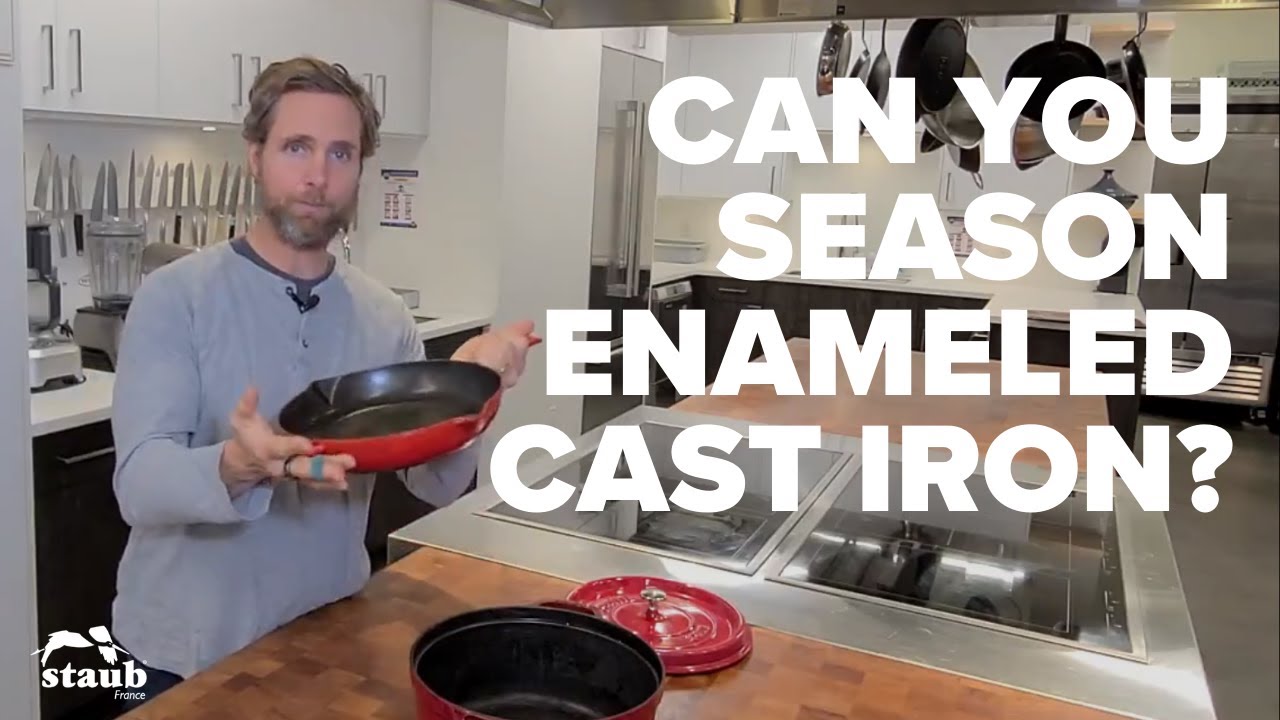
Some enamel cookware benefits from light seasoning. Heat the pan on low for a few minutes. Add a small amount of cooking oil and spread it evenly. Let it cool, then wipe out excess oil. This creates a thin protective layer on the enamel.
Avoiding Thermal Shock
Thermal shock can crack enamel coatings. Do not place hot cookware in cold water. Avoid sudden temperature changes like moving from stove to fridge. Heat enamel cookware slowly and cool it down gently. These steps protect the enamel from damage.
Cooking Techniques
Cooking with enamel cookware requires some special techniques. These help keep your food tasty and your pots in good shape. Understanding heat, oils, and how to avoid sticking makes cooking easier and more enjoyable.
Heat Settings For Enamel
Enamel cookware heats evenly but slowly. Use medium or low heat for most cooking. High heat can damage the enamel coating. Start with low heat, then raise if needed. Always avoid sudden temperature changes to prevent cracks.
Using Oils And Fats
Oils and fats protect the enamel surface. Add a small amount before cooking. This helps food release easily and adds flavor. Choose oils with a high smoke point like canola or vegetable oil. Avoid using butter alone at high heat to prevent burning.
Avoiding Sticking And Burning
Preheat the pan properly before adding food. This creates a non-stick surface. Stir or move food often to stop it from sticking. Use wooden or silicone utensils to protect the enamel. Clean the cookware gently to keep it smooth and lasting longer.

Credit: www.lecreuset.com
Recipes Ideal For Enamel Cookware
Enamel cookware is versatile and easy to use. It works well for many recipes. Its smooth surface helps cook food evenly without sticking. The cookware can handle low and high heat, perfect for different cooking styles.
Some recipes suit enamel cookware better. These dishes take advantage of its heat retention and non-reactive surface. Here are ideal recipes to try with enamel cookware.
Slow-cooked Stews And Braises
Enamel pots keep heat steady for slow cooking. Stews and braises get tender and flavorful this way. The cookware holds moisture, locking in taste and texture. Use it for beef stew, chicken braise, or vegetable ragout. Let the food simmer on low heat for hours.
Baking With Enamel Pans
Enamel pans go from stovetop to oven easily. Bake casseroles, lasagnas, and roasted vegetables with them. The even heat prevents hot spots and burning. The smooth surface helps baked food release cleanly. Use moderate oven temperatures for best results.
Searing And Sautéing Tips
Enamel pans work well for searing meat and sautéing vegetables. Preheat the pan before adding oil or butter. This helps create a nice crust on meat. Avoid high heat to protect the enamel coating. Stir often to cook food evenly without burning.
Cleaning And Maintenance
Cleaning and maintaining enamel cookware keeps it looking new and working well. Proper care stops damage and rust. It also makes your pots and pans last longer. Follow simple steps to clean and store enamel cookware safely.
Safe Cleaning Methods
Use warm water and mild dish soap for washing. Avoid harsh cleaners or metal scrubbers. They can scratch the enamel surface. Let the cookware cool before washing to prevent cracks. Use a soft sponge or cloth to clean gently. Dry completely with a towel to stop water spots.
Removing Stains And Residue
For tough stains, soak the cookware in warm soapy water. Use a paste of baking soda and water for scrubbing. Apply gently with a soft cloth. Avoid abrasive powders that can damage the enamel. White vinegar helps remove mineral buildup. Rinse well after cleaning to remove any residue.
Storage Tips To Prevent Damage
Store enamel cookware in a dry place. Avoid stacking heavy items on top to prevent chips. Use paper towels or cloth between stacked pieces. Keep lids separate or upside down to save space. Check cookware regularly for chips or cracks to fix early.
Troubleshooting Common Issues
Enamel cookware offers many benefits but can have some common problems. These issues can affect cooking and the cookware’s lifespan. Knowing how to fix these troubles saves money and keeps your pots and pans in good shape.
Below are easy tips to solve frequent enamel cookware problems. Follow these simple steps to keep your kitchen tools working well and looking nice.
Chips And Cracks
Chips happen if enamel hits a hard surface. Cracks can appear from sudden temperature changes. Avoid dropping or banging your cookware. If you see small chips, avoid cooking acidic foods in that pot. Acid can worsen damage and cause rust.
Large cracks mean the cookware is unsafe for use. Replace items with big cracks to avoid injury or leaks. For small chips, use the pot carefully and clean it gently. This helps prevent the chip from growing.
Discoloration Solutions
Enamel pots may turn yellow or brown after use. This is normal and does not affect cooking. Clean with baking soda and water paste. Rub gently to remove stains. Avoid harsh scrubbing, which can damage the enamel surface.
Soaking the cookware in warm vinegar and water can also help. Rinse well and dry completely to prevent water marks. Regular cleaning keeps your cookware looking fresh and bright.
Dealing With Rust Spots
Rust can form on exposed metal where enamel has chipped. Clean rust spots with a soft brush and mild detergent. Use a mixture of lemon juice and salt for tough rust. Rub gently until rust disappears.
Dry the cookware fully after cleaning. Store in a dry place to stop rust from coming back. Small rust spots can be managed, but if rust spreads, it is best to replace the cookware.
Credit: tasteofthesouthmagazine.com
Frequently Asked Questions
How Do I Heat Enamel Cookware Properly?
Heat enamel cookware gradually over low to medium heat. Avoid sudden temperature changes to prevent cracking or chipping. Preheating on low ensures even heat distribution and protects the enamel coating.
Can I Use Metal Utensils With Enamel Cookware?
It’s best to use wooden, silicone, or plastic utensils. Metal tools can scratch or chip the enamel surface, reducing cookware lifespan and affecting cooking performance.
How Do I Clean Enamel Cookware Without Damage?
Hand wash enamel cookware with warm, soapy water using a soft sponge. Avoid abrasive cleaners or steel wool to preserve the smooth enamel finish and prevent scratches.
Is Enamel Cookware Safe For High-heat Cooking?
Enamel cookware is safe for moderate heat but avoid very high heat. Excessive heat can damage the enamel, causing discoloration or cracking over time.
Conclusion
Enamel cookware offers many benefits for everyday cooking. It heats evenly and cleans up with ease. Avoid high heat to keep the coating safe. Use wooden or silicone utensils to prevent scratches. These simple tips help your cookware last longer.
Enjoy cooking meals with confidence and style. Try different recipes and see the difference. Cooking with enamel pots and pans feels good. Keep these ideas in mind for best results. Your kitchen will thank you for using enamel cookware.

Hello, This is Annie Walker, a 38-year-old blogger, founder, and editor of Cookware Guider from NY, USA. I am a cookware fanatic and passionate cooker. I love to cook with different types of cooking appliances (example: all types of cookware, rice cookers, slow cookers, etc) almost every day in my kitchen. I love to share my experience with my readers in my blog. Also, I enjoy helping people to solve their problems through my website. You can follow me on Twitter & Pinterest. To know details about my blog please check the about us page.