
Are you wondering what to do with your old Calphalon cookware? Maybe it’s scratched, chipped, or simply no longer fits your kitchen style.
Tossing it in the trash might seem like the easiest option, but is that really the best choice for you and the environment? You’ll discover simple, smart ways to dispose of your Calphalon cookware responsibly. Keep reading to find out how you can make the right decision that saves you hassle and helps the planet.
Assessing Cookware Condition
Assessing the condition of your Calphalon cookware is the first step before disposal. This helps decide if the pans can still serve a purpose or if they need to be recycled. Careful inspection saves waste and supports better choices.
Check For Damage And Wear
Look closely at the cookware surface. Scratches, dents, or peeling non-stick coating can affect cooking safety. Heavy damage means it may not work well anymore. Small marks might not be a problem. Check the handles too. Loose or broken handles make pots unsafe to use.
Determine Reusability
Think about whether the cookware can be reused. Good condition pans can be donated or sold. Some can become planters or craft projects. Cookware with minor wear might still cook food safely. Broken or unsafe pieces should be recycled properly. This reduces landfill waste and helps the environment.
Options For Reuse And Donation
Disposing of Calphalon cookware does not mean throwing it away. Many options exist to give your cookware a new life. Reusing or donating helps reduce waste and supports others in need. These choices are good for the environment and your community.
Local Charities And Thrift Stores
Local charities accept gently used cookware. They pass items to families who need them. Thrift stores sell donated pots and pans at low prices. This helps people save money on kitchen supplies. Check if your cookware is clean and in good shape. Some places have specific rules about what they accept. Call ahead to learn their guidelines.
Community Sharing Groups
Community sharing groups connect people who want to give or get items. These groups often use social media or websites. You can post your Calphalon cookware for free. Others in your area may need it for cooking. Sharing keeps good items out of landfills. It also builds a sense of community and trust.
Recycling Calphalon Cookware
Recycling Calphalon cookware helps protect the environment. It reduces waste in landfills and saves natural resources. Understanding how to recycle these items properly is important for everyone.
Calphalon cookware often contains different materials. Knowing these materials helps find the right recycling method. This section explains what materials are in Calphalon cookware and how to recycle them.
Materials In Calphalon Cookware
Calphalon cookware mostly uses aluminum. Aluminum is lightweight and heats quickly. Some pieces have non-stick coatings made from chemicals. Handles are often made from plastic or stainless steel. Each material needs different recycling methods.
Finding Recycling Centers
Not all recycling centers accept cookware. Look for centers that take metals and mixed materials. Some scrap yards accept aluminum cookware. Call local centers to confirm before bringing items. Websites for municipal recycling can help locate proper centers.
Preparing Cookware For Recycling
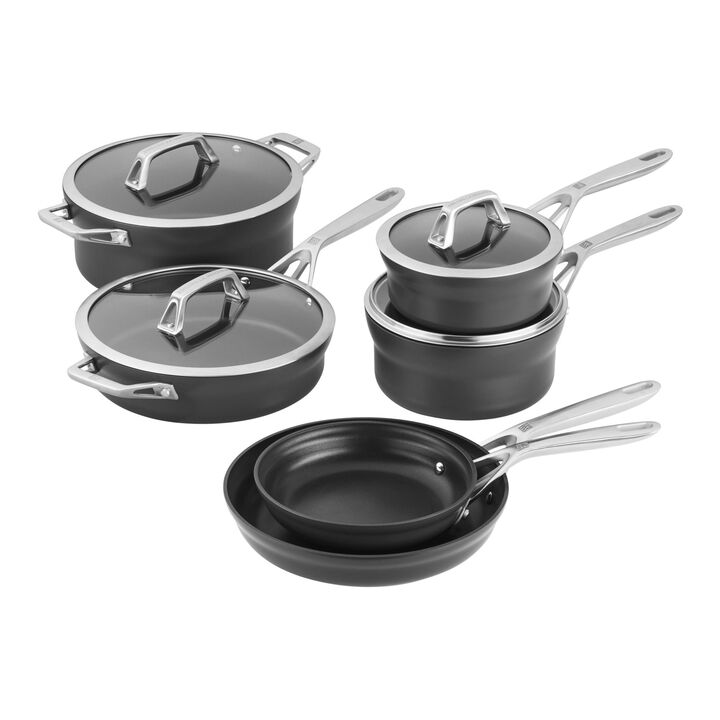
Clean the cookware to remove food and grease. Remove plastic parts if possible. Separate materials like plastic handles from metal pans. Broken or damaged pieces should be sorted by material. Proper preparation speeds up recycling and improves quality.
Credit: www.zwilling.com
Eco-friendly Disposal Methods
Choosing eco-friendly disposal methods for Calphalon cookware helps protect the environment. Instead of throwing old pots and pans away, find ways to reuse or recycle them. This reduces waste and gives your cookware a second life. Small changes in disposal habits can make a big difference for the planet.
Upcycling Ideas
Old Calphalon cookware can become useful items around the house. Turn a pan into a plant pot by adding soil and flowers. Use a lid as a small tray for keys or jewelry. A large pot can store tools or craft supplies. These ideas keep cookware out of landfills and add charm to your space.
Creative Repurposing Tips
Look for creative ways to reuse your cookware beyond the kitchen. Use a skillet as a bird feeder by filling it with seeds. Attach hooks to a pot and hang it on a wall for storage. Cut a worn-out pan to make decorative garden markers. Repurposing extends your cookware’s life and helps the environment.
Avoiding Landfill Waste
Disposing of Calphalon cookware responsibly helps protect the environment. Avoiding landfill waste is key to reducing pollution and saving space. Cookware often contains materials that take a long time to break down. Tossing them in the trash adds to harmful landfill buildup. Choosing better disposal methods supports a cleaner planet.
Risks Of Improper Disposal
Throwing Calphalon cookware in landfills causes many problems. Metals and coatings can release toxins into soil and water. These toxins harm plants, animals, and even people. Landfills fill up faster, creating more waste sites. This leads to more pollution and higher cleanup costs. Improper disposal wastes valuable materials that could be reused.
Benefits Of Sustainable Choices
Recycling or donating cookware helps reduce landfill waste. Materials like metal and non-stick coatings can be recycled. Recycling saves energy and conserves natural resources. Donating cookware extends its life and helps others. These choices support a healthier environment and community. Small actions add up to big positive effects.
:max_bytes(150000):strip_icc()/old-cast-iron-pan-getty-0519-d6f2ef505bae4a84b9c8adc80ffb8486.jpg)
Credit: www.marthastewart.com
Credit: coolmomeats.com
Frequently Asked Questions
How To Recycle Calphalon Cookware Properly?
Calphalon cookware can be recycled if made of aluminum or stainless steel. Remove non-metal parts first. Check local recycling guidelines. Some centers accept cookware metals. Recycling helps reduce landfill waste and supports sustainability.
Can I Donate Old Calphalon Cookware?
Yes, donating old Calphalon cookware is a great option. Ensure it’s clean and in usable condition. Local charities, shelters, or thrift stores often accept cookware. Donation extends product life and benefits those in need.
Is It Safe To Throw Calphalon Cookware In Trash?
Throwing Calphalon cookware in regular trash is not ideal. Metals can take years to decompose. Check if local waste management has special disposal rules. Recycling or donating is more eco-friendly and safer for the environment.
How To Dispose Of Non-recyclable Calphalon Parts?
Non-recyclable parts, like plastic handles, should be separated. Dispose of them according to local hazardous waste guidelines. Avoid mixing with recyclable metals. Proper disposal prevents contamination and environmental harm.
Conclusion
Proper disposal of Calphalon cookware protects the environment. Donate usable pieces to local charities or shelters. Recycling centers accept metal cookware; check local guidelines first. Avoid throwing cookware in regular trash to reduce waste. Small repairs can extend cookware life and reduce disposal needs.
Responsible disposal helps keep landfills cleaner and safer. Take time to find the best way to dispose of your cookware. Your effort makes a positive difference for the planet and community.

Hello, This is Annie Walker, a 38-year-old blogger, founder, and editor of Cookware Guider from NY, USA. I am a cookware fanatic and passionate cooker. I love to cook with different types of cooking appliances (example: all types of cookware, rice cookers, slow cookers, etc) almost every day in my kitchen. I love to share my experience with my readers in my blog. Also, I enjoy helping people to solve their problems through my website. You can follow me on Twitter & Pinterest. To know details about my blog please check the about us page.