
Frying chicken breast in a pan sounds simple, but it’s easy to end up with dry, rubbery, or undercooked meat. Yet, with the right technique, you can make chicken breast that’s juicy inside and crisp outside—every time. Whether you’re cooking for yourself, your family, or guests, mastering this basic skill opens up endless meal ideas.
Let’s walk through everything you need to know to confidently fry chicken breast in a pan.
Why Frying Chicken Breast In A Pan Works So Well
Pan-frying is one of the most popular ways to cook chicken breast. It’s fast, you can control the browning, and you don’t need special equipment. This method is perfect for thin fillets or thick pieces, and you can use it for everything from salads to sandwiches.
Pan-frying gives you:
- Even browning and a tasty crust
- Quick cooking—usually under 15 minutes
- Juicy inside when done right
Many people don’t realize that fried chicken breast can be just as good as roasted or grilled if you use the correct steps. The trick is balancing heat, timing, and prep.
Choosing And Preparing Chicken Breast
Not all chicken breasts are the same. The way you buy and prepare your chicken can make or break your results.
Picking The Right Chicken Breast
- Freshness: Always check the sell-by date. Fresh chicken looks pink and moist, not gray or slimy.
- Size and thickness: Try to buy breasts of similar size so they cook evenly. If your pieces are thick in the middle, consider slicing them in half horizontally.
- Boneless, skinless: This is the best choice for pan-frying. Skinless cuts brown well and cook faster.
Prepping For The Pan
- Pat dry: Use paper towels to remove surface moisture. This helps the chicken brown, not steam.
- Trim: Cut off any bits of fat or tendon for a neater finish.
- Even thickness: If the breast is much thicker on one end, cover with plastic wrap and gently pound it to even thickness (about 1/2 to 3/4 inch). This step makes a big difference in even cooking.
Pro tip: If you want extra flavor, marinate the chicken for 30 minutes. Simple marinades with olive oil, lemon juice, garlic, and herbs work well.
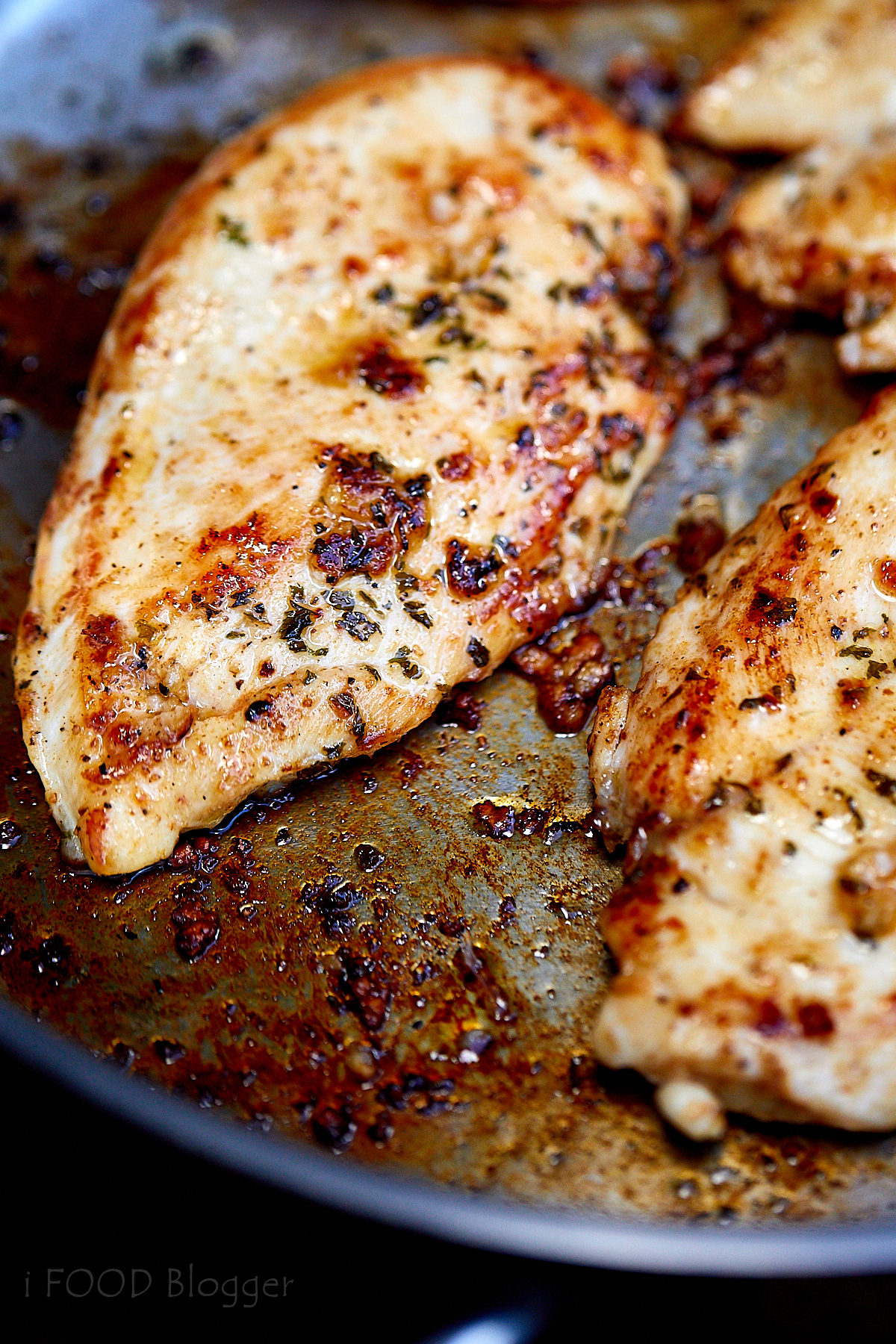
Credit: cravingtasty.com
Seasoning And Breading Options
Chicken breast is mild, so seasoning matters.
Basic Seasoning
Sprinkle both sides with:
- Salt and black pepper
- Optional: Garlic powder, paprika, dried herbs, or cayenne for a kick
Don’t overdo it—chicken breast absorbs flavors well.
Breading Or No Breading?
You can fry chicken breast plain or with a breaded coating. Here’s a quick comparison:
| Option | Texture | Flavor | Best For |
|---|---|---|---|
| Plain (no breading) | Light crust | Purer chicken taste | Low-calorie meals, salads |
| Breaded (flour, egg, crumbs) | Crunchy coating | More savory, richer | Sandwiches, main dishes |
For breaded chicken:
- Dredge in flour
- Dip in beaten egg
- Coat with breadcrumbs (panko for extra crunch)
Non-obvious insight: If you want a gluten-free option, use crushed cornflakes or almond flour instead of breadcrumbs.
The Best Pan And Oil To Use
Your pan and oil matter more than most people think.
Choosing The Right Pan
- Heavy skillet: Stainless steel or cast iron holds heat best.
- Non-stick: Good for beginners, but may not brown as deeply.
Avoid very thin pans—they create hot spots.
Choosing The Right Oil
For pan-frying, you need an oil that can handle high heat. Here’s a simple comparison:
| Oil Type | Smoke Point (°F) | Flavor | Best For |
|---|---|---|---|
| Canola | 400 | Neutral | Everyday frying |
| Vegetable | 400-450 | Neutral | General use |
| Olive (light/refined) | 465 | Mild | Mediterranean dishes |
| Butter | 350 | Rich, creamy | Flavor, but use with oil to avoid burning |
Pro tip: For golden color and flavor, use a mix of oil and a little butter.
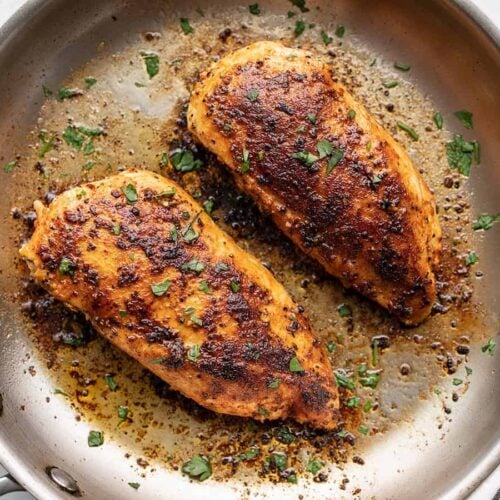
Credit: www.budgetbytes.com
Step-by-step: How To Fry Chicken Breast In A Pan
Now, let’s get practical. Here’s a full process, including tips that most recipes skip.
Ingredients
- 2 boneless, skinless chicken breasts (about 6-8 oz each)
- 1/2 teaspoon salt
- 1/4 teaspoon black pepper
- 1/2 teaspoon paprika (optional)
- 2 tablespoons flour (for light crust, optional)
- 2 tablespoons oil (canola, vegetable, or light olive)
- 1 tablespoon butter (optional, for flavor)
Equipment
- Heavy skillet (10-12 inch)
- Tongs or spatula
- Paper towels
- Instant-read thermometer (optional, but very helpful)
Cooking Instructions
- Prep the chicken: Pat breasts dry. Pound to even thickness if needed. Season both sides with salt, pepper, and paprika. If using flour, lightly dredge each breast and shake off excess.
- Preheat your pan: Set pan over medium-high heat. Add oil and let it shimmer—this takes about 1 minute. If using butter, add it now.
- Add the chicken: Lay breasts in the pan, smooth side down. Don’t overcrowd—leave space around each piece.
- Don’t touch: Let chicken cook undisturbed for 4-6 minutes. You’ll see the edges turning white.
- Flip once: Turn chicken using tongs. Reduce heat to medium. Cook another 4-6 minutes. If the outside browns too fast, lower the heat.
- Check doneness: Chicken is done at 165°F (74°C) inside. If you don’t have a thermometer, cut into the thickest part—juices should run clear, not pink.
- Rest: Remove from pan and rest on a plate for 3-5 minutes. This keeps it juicy.
Non-obvious insight: Pressing down on the chicken while frying squeezes out juices—avoid this common mistake.
Troubleshooting: Common Problems And Solutions
Even careful cooks sometimes hit snags. Here’s how to solve the most frequent issues:
- Dry chicken: Overcooking is the main reason. Use a thermometer if possible, and pull chicken as soon as it hits 165°F.
- Undercooked center: Chicken was too thick or heat was too high. Pound breasts to even thickness, and use medium heat after flipping.
- Stuck to the pan: The pan wasn’t hot enough, or you moved the chicken too early. Let it naturally release when it’s ready to flip.
- Burnt outside, raw inside: Heat was too high. Lower the heat after the first side, and cover the pan for the last 2 minutes if needed.
Serving Suggestions
Once your chicken breast is perfectly fried, you can serve it in many ways:
- Sliced over salads
- With steamed or roasted vegetables
- In sandwiches or wraps
- With pasta or rice
- As a protein for meal-prep boxes
Add a squeeze of lemon or drizzle of sauce for extra flavor.
Food Safety And Storage
Cooked chicken breast is safe when the inside reaches 165°F. Always wash your hands and tools after handling raw chicken. If you have leftovers:
- Let chicken cool fully before storing
- Store in airtight container in fridge for up to 3-4 days
- Reheat gently—pan or microwave—so it doesn’t dry out
For more on food safety, see the USDA Poultry Safety Guide.
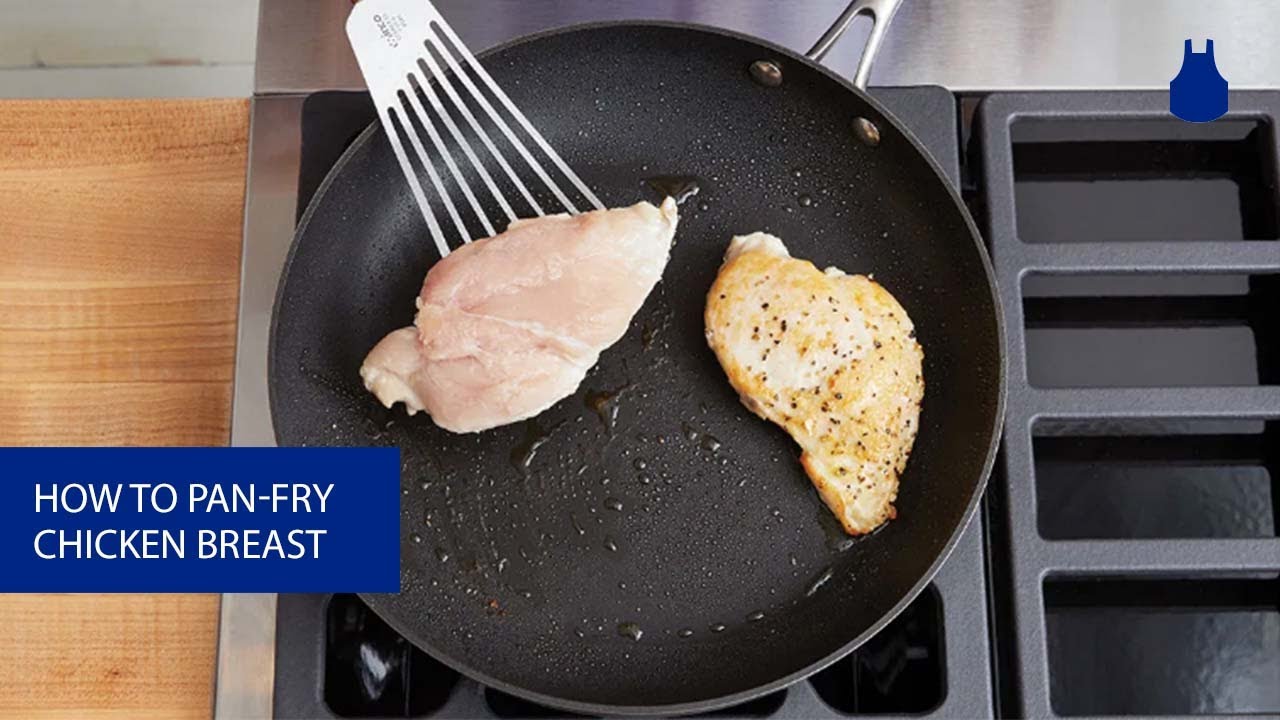
Credit: www.youtube.com
Nutrition Facts
Fried chicken breast is a lean protein source, but calories change depending on oil and breading. Here’s an approximate breakdown for one 6-oz plain fried breast:
| Component | Amount |
|---|---|
| Calories | 210 |
| Protein | 38g |
| Total Fat | 6g |
| Carbohydrates | 0g |
| Sodium | 300mg |
Adding breading or extra oil will increase calories and fat.
Frequently Asked Questions
How Do I Keep Chicken Breast Juicy When Pan-frying?
The key is not overcooking. Use a thermometer if you can. Pull the chicken from the pan as soon as it hits 165°F, then rest for a few minutes. Pounding the breast to an even thickness also helps it cook evenly.
Can I Fry Frozen Chicken Breast?
It’s best to thaw chicken first for even cooking. Frying from frozen often leads to an overcooked outside and raw inside. Thaw in the fridge overnight or use the microwave’s defrost setting.
What’s The Best Way To Reheat Pan-fried Chicken Breast?
Slice the chicken and reheat in a skillet with a splash of water or broth over medium-low heat. This keeps it moist. You can also microwave with a damp paper towel, but watch closely to avoid drying.
Is Pan-fried Chicken Breast Healthy?
Yes, when using lean cuts and moderate oil, it’s a healthy protein source. Skip heavy breading and use heart-healthy oils like canola or light olive oil to keep calories lower.
Why Does My Chicken Stick To The Pan?
Sticking usually means the pan or oil was not hot enough, or you tried to flip too soon. Wait until the chicken naturally releases. A well-preheated pan and a thin coat of oil help prevent sticking.
Cooking chicken breast in a pan doesn’t have to be hit or miss. With these tips, you’ll get tasty, juicy results every time—perfect for any meal, any day of the week.

Hello, This is Annie Walker, a 38-year-old blogger, founder, and editor of Cookware Guider from NY, USA. I am a cookware fanatic and passionate cooker. I love to cook with different types of cooking appliances (example: all types of cookware, rice cookers, slow cookers, etc) almost every day in my kitchen. I love to share my experience with my readers in my blog. Also, I enjoy helping people to solve their problems through my website. You can follow me on Twitter & Pinterest. To know details about my blog please check the about us page.