
Are you wondering if there’s a cooktop that combines the best of both induction and electric cooking? If you love the quick heating of induction but also want the steady warmth of an electric cooktop, you might be curious if such a dual option exists.
Imagine having the flexibility to switch between fast and even heating right on your countertop. Keep reading, because we’re about to explore whether a dual induction and electric cooktop is real—and how it could change the way you cook every meal.
Induction Cooktops Basics
Induction cooktops use a unique method to heat pots and pans. They are different from gas or traditional electric stoves. Understanding how they work helps you see their advantages and limits.
Let’s explore the basic ideas behind induction cooking and what makes it special in the kitchen.
How Induction Cooktops Work
Induction cooktops use magnetic fields to heat cookware directly. A coil under the glass surface creates an electromagnetic field. This field heats only pots made from magnetic materials like cast iron or stainless steel.
The cooktop surface stays cool because the heat is made inside the pan. This makes cooking faster and safer.
Benefits Of Induction Cooking
Induction cooktops heat food quickly and use less energy. They offer precise temperature control for better cooking results. The surface is easy to clean since spills don’t burn onto it. They also reduce the risk of burns and fire.
Common Drawbacks
Not all cookware works with induction cooktops. You need magnetic pots and pans. They can cost more upfront than gas or electric stoves. Some people find the noise from the fan or the hum of the coil distracting. Power outages mean no cooking, as they need electricity to work.

Credit: smartgecko.academy
Electric Cooktops Essentials
Electric cooktops are popular kitchen appliances. They use electricity to heat pots and pans for cooking. Many people choose electric cooktops for their ease of use and smooth surface. Understanding their basics helps in making a good choice for your kitchen.
Electric cooktops come in different styles and offer various benefits. Knowing the types, advantages, and limitations can guide you to the right option.
Types Of Electric Cooktops
There are mainly two types of electric cooktops. Coil cooktops have visible metal coils that heat up. Glass-ceramic cooktops have a smooth surface with heating elements underneath. Both types work well but offer different looks and cleaning options.
Advantages Of Electric Cooking
Electric cooktops heat evenly, which helps cook food better. They are easy to clean, especially glass-ceramic models. These cooktops provide steady heat and precise temperature control. They also fit well in many kitchen designs.
Limitations To Consider
Electric cooktops take longer to heat compared to gas. They cool down slowly after use. Some glass surfaces can scratch or crack if not handled carefully. Power outages make electric cooktops unusable. These points are important before choosing one.
Comparing Induction And Electric Cooktops
Comparing induction and electric cooktops helps you choose the right kitchen appliance. Both types use electricity but work differently. Understanding their features makes cooking easier and safer. This section breaks down key points to help you decide.
Heating Efficiency
Induction cooktops heat pots and pans directly using magnetic fields. This method wastes less energy and heats faster. Electric cooktops use heating elements that warm the surface first. This process takes longer and loses more heat. Induction is more energy-efficient for daily cooking.
Safety Features
Induction cooktops stay cool except under the pan, reducing burn risks. They also turn off automatically if no pot is detected. Electric cooktops remain hot for a while after use. They lack automatic shut-off features. Induction is safer for homes with children or busy cooks.
Cost And Installation
Electric cooktops usually cost less to buy and install. They fit well with most kitchen setups and use standard wiring. Induction cooktops can be pricier and may need special cookware. Installation might require electrical upgrades. Budget and kitchen conditions affect your choice here.
Cooking Performance
Induction cooktops offer precise temperature control and quick adjustments. They heat evenly, which helps avoid hot spots in food. Electric cooktops warm up slower and cool down slowly too. Some cooks prefer the steady heat of electric models. Both types can handle most recipes well.
Credit: www.walmart.com
Dual Induction And Electric Cooktops
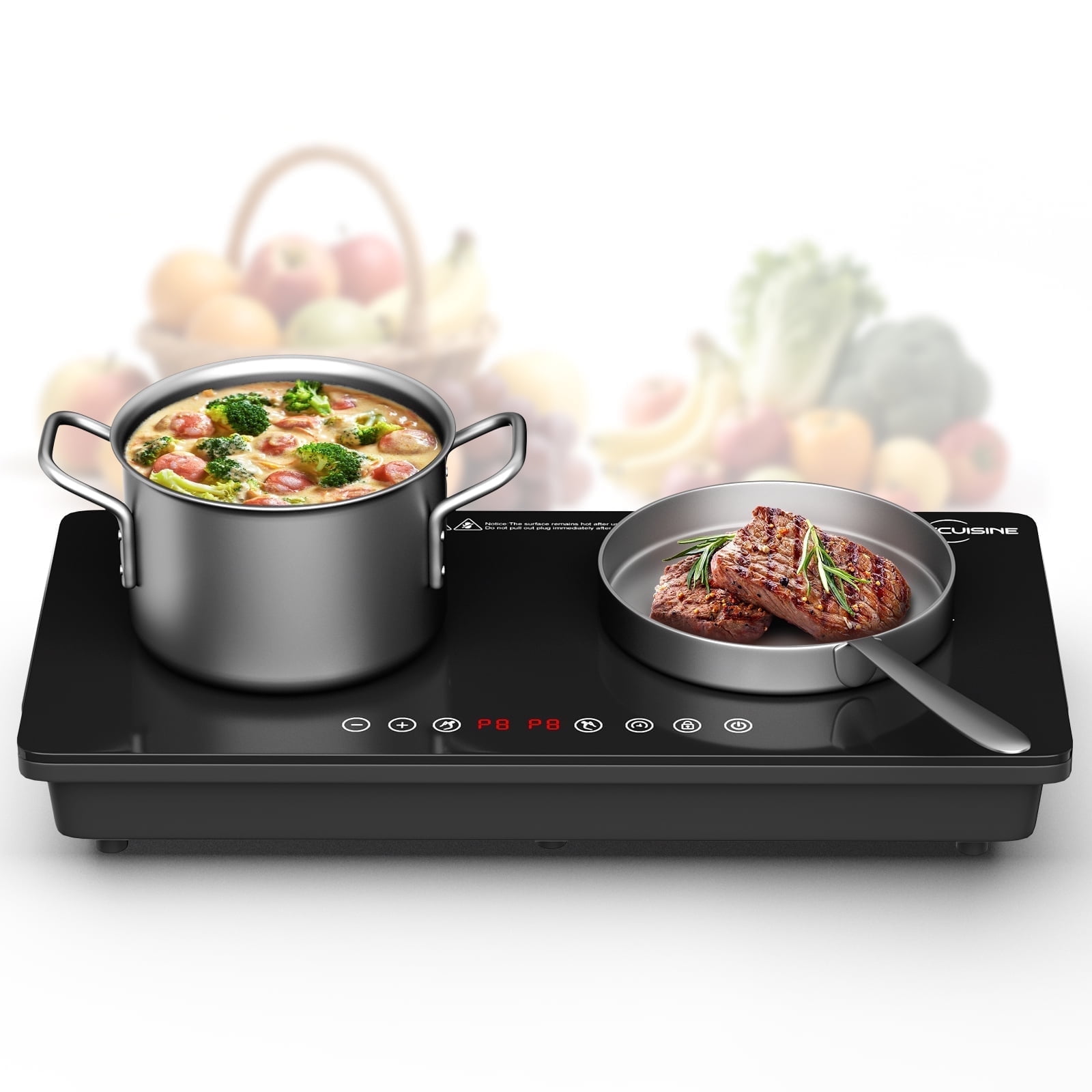
Dual induction and electric cooktops combine two cooking technologies in one unit. These cooktops offer flexibility for different cooking needs. Users can switch between induction and electric heating surfaces easily. This section explores their availability, operation, and pros and cons.
Are Dual Cooktops Available?
Yes, dual cooktops that mix induction and electric elements exist. They are less common than single-type cooktops. Some brands offer models with both cooking zones on one surface. These models suit kitchens with varied cooking preferences.
How Dual Cooktops Operate
Dual cooktops have separate zones for induction and electric heating. Induction zones use magnetic fields to heat pots quickly. Electric zones use heating coils under a smooth surface. Users select the cooking zone based on their needs. Controls allow switching between induction and electric modes.
Pros And Cons Of Dual Models
Dual models offer cooking flexibility and energy efficiency from induction zones. They work with all types of cookware on electric zones. These cooktops save space by combining two technologies. On the downside, they can cost more than single-type cooktops. Some models may require specific power connections. Maintenance can be trickier with mixed technologies.
Choosing The Right Cooktop
Choosing the right cooktop is important for every kitchen. It affects how you cook and how your kitchen looks. The right cooktop fits your lifestyle, budget, and kitchen space. Understanding these factors helps you make a smart choice. Here are key points to consider.
Lifestyle And Cooking Needs
Think about how often you cook and what you make. Some cooktops heat up fast and suit quick meals. Others give more control for slow cooking or frying. Families that cook daily may need a durable, easy-to-clean surface. Singles or couples might prefer a smaller, simpler cooktop. Choose one that matches your cooking style and habits.
Budget Considerations
Cooktops come in many price ranges. Induction cooktops tend to be more expensive but save energy. Electric cooktops usually cost less upfront but use more electricity. Set a budget before shopping. Balance price with features you need. Sometimes spending a bit more means better quality and longer use.
Space And Kitchen Layout
Measure your kitchen space carefully. Some cooktops need more room and special wiring. Consider where you want to place the cooktop. Check if your kitchen design supports installation. A compact cooktop works well in small kitchens. Larger cooktops fit bigger spaces and provide more cooking zones.
Maintenance And Care Tips
Proper care extends the life of induction and electric cooktops. Clean surfaces regularly to keep them safe and efficient. Follow simple steps to avoid damage and costly repairs. Regular maintenance helps your cooktop perform well every day.
Cleaning Induction Surfaces
Use a soft cloth and mild cleaner for induction surfaces. Avoid abrasive pads that can scratch the glass. Clean spills immediately to prevent stains. For tough spots, use a scraper made for glass tops. Always dry the surface after cleaning to avoid streaks.
Maintaining Electric Elements
Turn off the cooktop and let it cool before cleaning. Remove loose debris with a damp cloth. Avoid using water on electric elements directly. Check the coils for damage or wear regularly. Replace any broken parts to ensure safe cooking.
Troubleshooting Common Issues
Cooktop not heating? Check the power connection first. Make sure the cookware is compatible with induction. For electric cooktops, inspect the heating elements. Reset the circuit breaker if needed. Contact a professional for persistent problems to avoid accidents.

Credit: www.amazon.com
Frequently Asked Questions
Is There A Dual Induction And Electric Cooktop Available?
Yes, dual cooktops combining induction and electric heating exist. They offer versatile cooking options in one unit.
How Does A Dual Induction And Electric Cooktop Work?
It uses induction for fast heating and electric coils for even cooking. Users can switch between modes as needed.
What Are The Benefits Of A Dual Induction And Electric Cooktop?
Dual cooktops provide flexible cooking methods, energy efficiency, and compatibility with various cookware types.
Can I Use Regular Pots On A Dual Induction Cooktop?
Regular pots work on electric zones, but induction zones require magnetic cookware for heating.
Conclusion
Finding a dual induction and electric cooktop is possible but rare. Many models focus on one type of heating. Combining both gives more cooking options in one unit. This helps save space and adds convenience. Choosing the right cooktop depends on your cooking style and kitchen needs.
Think about energy use, cooking speed, and budget before buying. A dual cooktop can fit different pots and pans easily. It offers flexibility for various recipes. Explore your options to find what works best for you.

Hello, This is Annie Walker, a 38-year-old blogger, founder, and editor of Cookware Guider from NY, USA. I am a cookware fanatic and passionate cooker. I love to cook with different types of cooking appliances (example: all types of cookware, rice cookers, slow cookers, etc) almost every day in my kitchen. I love to share my experience with my readers in my blog. Also, I enjoy helping people to solve their problems through my website. You can follow me on Twitter & Pinterest. To know details about my blog please check the about us page.