
Choosing the right frying pan can change the way you cook every meal. But with so many sizes available, how do you know which one is best for you?
Whether you’re cooking for one or feeding the whole family, the size of your frying pan affects how evenly your food cooks and how easy it is to handle. You’ll discover simple tips to pick the perfect frying pan size that fits your kitchen and your lifestyle.
Keep reading, and you’ll never struggle with the wrong pan again.
Credit: madeincookware.com
Choosing The Right Pan Size
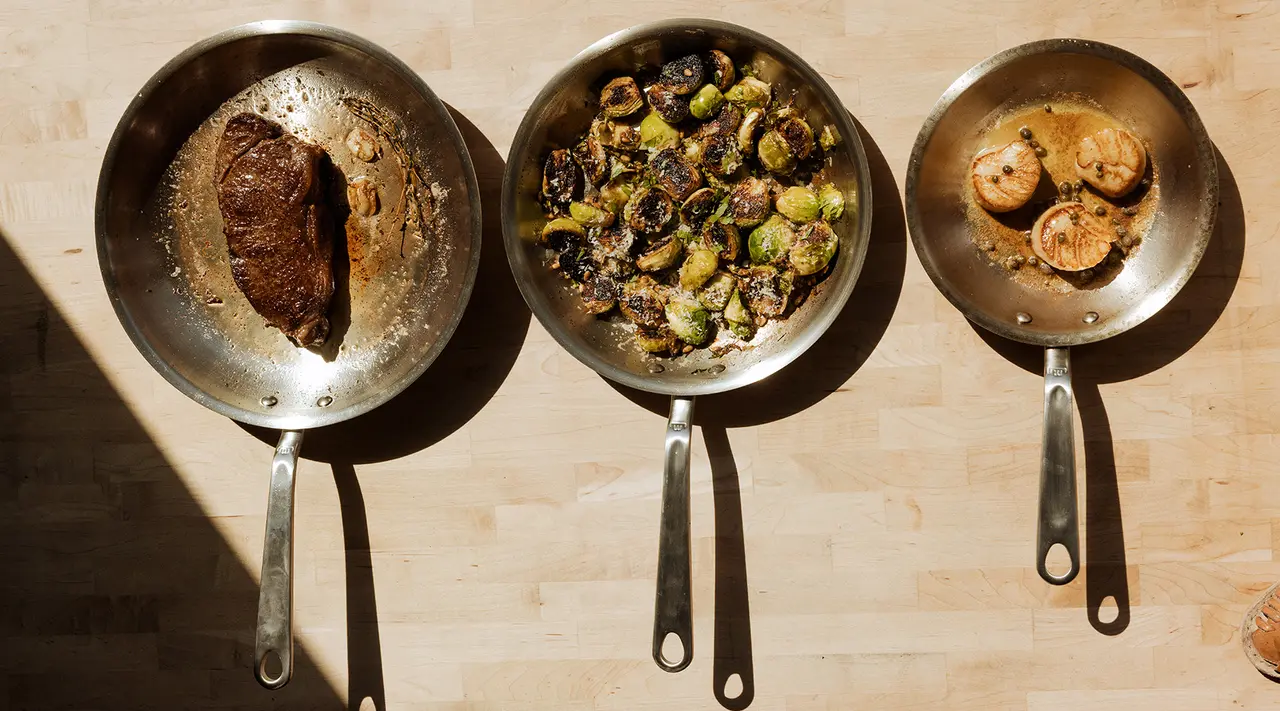
Choosing the right frying pan size helps cook food evenly and saves energy. A pan that is too small can crowd the food. Crowded food does not cook well and can steam instead of fry. A pan that is too large wastes heat and may burn the edges of the food.
Understanding the common sizes and how they fit your cooking style makes a big difference. It also helps to match the pan to your stove for better results. Below are key points to consider when picking the best frying pan size.
Common Frying Pan Sizes
Frying pans come in many sizes. The most common sizes are 8, 10, and 12 inches in diameter. An 8-inch pan suits small meals and single servings. A 10-inch pan is the most popular size for everyday cooking. A 12-inch pan works well for larger meals and cooking for a family.
Factors Influencing Pan Size
The amount of food you cook affects your pan choice. Smaller pans heat up quickly and use less oil. Larger pans cook more food at once but need more heat. Also, consider storage space and how often you cook big meals. Your cooking style matters too. Stir-frying or tossing food needs more room inside the pan.
Matching Pan Size To Stove Burner
Choose a pan size that fits your stove burner. A pan too big for the burner wastes heat. It can cause uneven cooking and damage the pan. A pan too small does not spread heat evenly. Match the pan base to the burner size for the best heat control and energy use.
Credit: www.lodgecastiron.com
Cooking Needs And Pan Size
Choosing the right frying pan size depends on your cooking needs. Different meals require different pan sizes. The size affects how food cooks and how much you can prepare at once.
Using the correct pan size makes cooking easier and more enjoyable. It helps food cook evenly and prevents overcrowding.
Single Servings And Small Pans
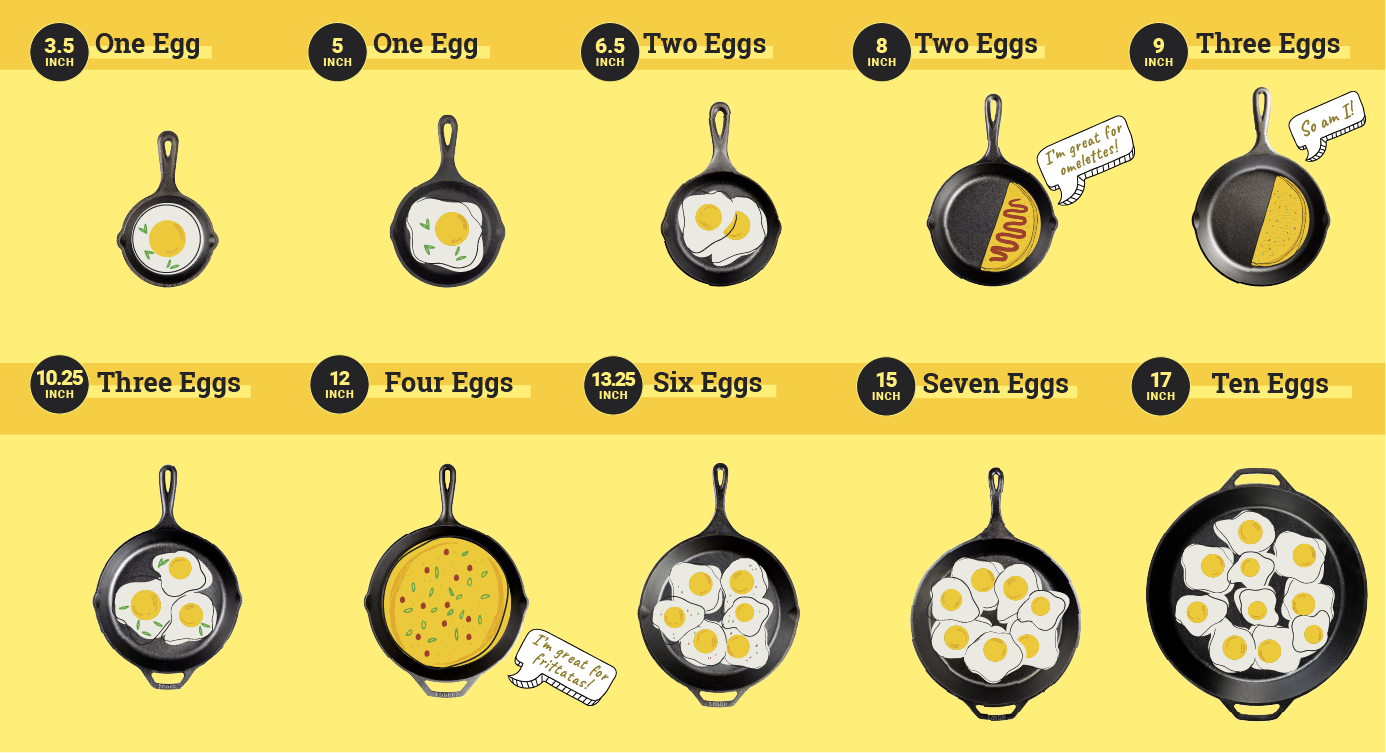
Small pans, usually 8 inches or less, work well for single servings. They heat quickly and are easy to handle. Ideal for frying eggs, toasting spices, or making a small omelet.
These pans save space and are perfect for quick meals. Easy to clean and store, they suit small kitchens and simple tasks.
Family Meals And Medium Pans
Medium pans, around 10 to 12 inches, suit most family meals. They hold enough food for two to four people. Great for sautéing vegetables or cooking multiple pieces of meat.
These pans offer good heat distribution and enough space. A versatile choice for daily cooking needs and varied dishes.
Large Gatherings And Oversized Pans
Large pans, 14 inches or more, fit big meals and parties. They provide plenty of room for large cuts of meat or big batches of food.
These pans take longer to heat but cook food evenly. Best for entertaining or preparing meals for many people at once.
Material Impact On Cooking
Choosing the right frying pan size is important, but the material also plays a big role in cooking. Different materials affect heat, food release, and cleaning. Knowing how materials impact cooking helps pick the best pan for your needs.
Nonstick Pans And Size Considerations
Nonstick pans are easy to clean and need less oil. They work well for delicate foods like eggs or fish. Smaller nonstick pans heat quickly, good for one or two servings. Larger pans may lose some nonstick coating over time. Choose a size that fits your usual cooking portions.
Cast Iron And Heat Distribution
Cast iron pans heat evenly and keep heat longer. They are great for searing and frying. Larger cast iron pans provide more cooking space but take longer to heat. Smaller ones heat faster but hold less food. Cast iron pans get better with use and need special care to avoid rust.
Stainless Steel Pans And Versatility
Stainless steel pans are strong and versatile. They handle high heat and work well for browning and sautéing. Sizes vary widely, so pick one that matches your cooking style. Larger pans can cook big meals; smaller pans fit simple tasks. These pans require some oil to prevent sticking but last a long time.
Space And Storage Tips
Choosing the right frying pan size is important for cooking and storage. Space and storage tips help keep your kitchen tidy. They also make cooking easier. Consider your kitchen size and how you store pans. Smart choices save space and reduce clutter.
Kitchen Size And Pan Selection
Small kitchens need smaller pans to save space. Large kitchens can hold bigger pans easily. Measure your kitchen cabinets before buying. Pick pans that fit well inside your storage areas. This avoids crowded cabinets and broken pans.
Stacking And Organizing Pans
Stack pans by size to save cabinet space. Place non-stick pans on top to avoid scratches. Use pan protectors or cloths between pans. Hooks or wall racks also help organize pans. Keep frequently used pans easy to reach.
Multi-purpose Pan Choices
Choose pans that work for many recipes. Medium-sized pans fit most cooking needs. A good pan can fry, sauté, and cook sauces. This reduces the number of pans you need. Multi-purpose pans save space and money.
Maintaining Your Frying Pan
Maintaining your frying pan is key to keeping it in good shape for years. Proper care helps your pan cook food evenly and last longer. Knowing how to clean and season pans of different sizes makes a big difference. Small and large pans need different handling for best results.
Cleaning Tips By Pan Size
Small pans clean quickly with warm soapy water. Use a soft sponge to avoid scratches. Large pans hold more food and oil, so soak them longer before scrubbing. Avoid harsh scrubbers on all pans to protect the surface. Dry pans immediately after washing to stop rust.
Seasoning Large Vs Small Pans
Seasoning builds a natural non-stick layer on your pan. For small pans, use a thin layer of oil and heat gently. Large pans need more oil and longer heating time. Re-season pans regularly to keep the coating strong. This helps food release easily and prevents rust.
Extending Pan Lifespan
Use the right heat for your pan size. High heat can damage the coating. Store pans with care to avoid dents and scratches. Avoid metal utensils; use wood or silicone instead. Regular cleaning and seasoning keep pans working well for a long time.
:max_bytes(150000):strip_icc()/sea-primary-stainless-steel-skillets-jan-25-rkilgore-0699-4df4b200ea9e420080bbe1fc47c3faee.jpeg)
Credit: www.seriouseats.com
Budgeting For The Best Pan
Choosing the right frying pan means thinking about your budget. Pans come in many sizes and prices. Spending wisely helps you get a pan that fits your needs and lasts long. A good plan saves money and stress.
Cost Differences By Size
Small pans usually cost less than large ones. Bigger pans need more material, so they are pricier. A 8-inch pan is cheaper than a 12-inch pan. But price also depends on brand and material. Non-stick coatings can raise the cost too. Size is one key factor in price.
Balancing Price And Quality
Cheap pans might wear out fast. Spending a bit more often means better quality. Good pans heat evenly and last longer. Look for sturdy handles and solid base. A well-made pan saves money over time. Don’t buy the cheapest option if it breaks soon.
When To Invest In Multiple Sizes
Having two or three pans helps in cooking different meals. Small pans suit eggs and sauces. Medium pans work for everyday meals. Large pans are good for family cooking or frying many items. Buy one pan first, then add others as needed. This spreads out your spending and fits your cooking style.
Frequently Asked Questions
What Is The Ideal Frying Pan Size For Daily Cooking?
An 8 to 10-inch frying pan suits most daily cooking needs. It balances capacity and heat distribution well. This size fits small families and is easy to handle, making it perfect for sautéing, frying, and scrambling.
Which Frying Pan Size Is Best For Large Families?
A 12-inch frying pan works best for large families. It provides ample space to cook multiple servings simultaneously. This size ensures even cooking and reduces the need for multiple batches, saving time in busy kitchens.
How To Choose Frying Pan Size For Different Recipes?
Choose smaller pans for eggs and single servings, larger ones for stir-fry or meat. Consider pan size based on ingredient volume and cooking style. Proper size ensures food cooks evenly and prevents overcrowding for best results.
Can A Small Frying Pan Handle Big Meals?
Small pans handle small portions efficiently but struggle with large meals. Overcrowding food in a small pan causes uneven cooking and steaming. For big meals, a larger pan is recommended to maintain food quality and texture.
Conclusion
Choosing the right frying pan size makes cooking easier and more fun. Small pans work well for quick meals or one person. Medium pans suit most families and everyday dishes. Large pans handle big portions and group meals. Think about how many people you cook for.
Also, consider the food type and stove size. A good pan fits your kitchen and cooking style. Pick the size that feels right and cooks food evenly. Your meals will taste better and cooking will be more enjoyable. Simple choice, big difference.

Hello, This is Annie Walker, a 38-year-old blogger, founder, and editor of Cookware Guider from NY, USA. I am a cookware fanatic and passionate cooker. I love to cook with different types of cooking appliances (example: all types of cookware, rice cookers, slow cookers, etc) almost every day in my kitchen. I love to share my experience with my readers in my blog. Also, I enjoy helping people to solve their problems through my website. You can follow me on Twitter & Pinterest. To know details about my blog please check the about us page.